
请留言
The Greater Chicago metropolitan area, spanning Cook, DuPage, Will, and Lake counties through the Calumet industrial belt and Northwest Indiana corridor, represents one of North America's most demanding environments for heavy manufacturing and advanced pyroprocessing. As the heart of Midwest freight logistics, heavy steel production, and structural infrastructure development, Chicago facilities require thermal systems capable of sustained high throughput, resilient refractory life, and strict compliance with Illinois Environmental Protection Agency (IEPA) clean-air mandates and the Climate and Equitable Jobs Act (CEJA).
Modern industrial rotation kilns (rotary kilns) serve as the backbone for diverse sectors across the Midwest, extending far beyond traditional clay brick calcination to encompass lightweight aggregate manufacturing (expanded shale, clay, and slate for high-rise architectural concrete), lime production for metallurgical processing, hazardous solid waste thermal desorption, spent foundry sand regeneration, and fly ash vitrification. Integrating advanced continuous rotation kilns within this regional hub allows plant operators to achieve exceptional thermal efficiency, superior mineral transformation, and minimized carbon footprints.
Designed to comply with Illinois and EPA clean-air standards, featuring multi-channel pulverized coal and natural gas burners engineered for optimal stoichiometric control and minimum carbon release.
Precision-aligned riding rings (tires), thrust rollers, and variable frequency girth gear drives engineered to absorb extreme thermal expansion while maintaining vibration-free rotation.
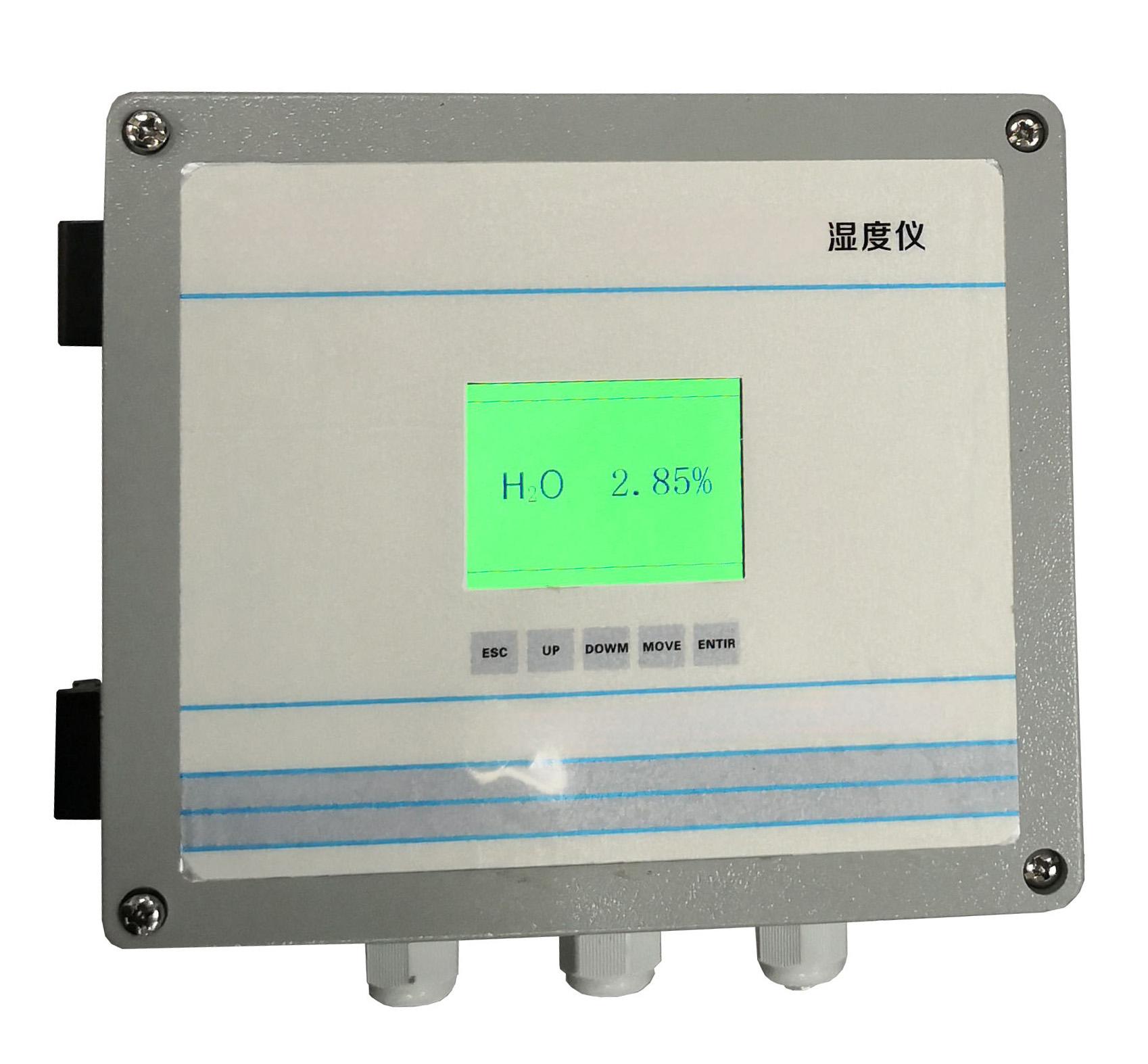
Infrared shell temperature scanners and automated furnace humidity sensors integrated into central control suites for closed-loop thermal gradient management.
Counter-current secondary air preheating mechanisms capture high-temperature exhaust from the calcination zone to directly power drying tunnels and reduce operational fuel expenditures.
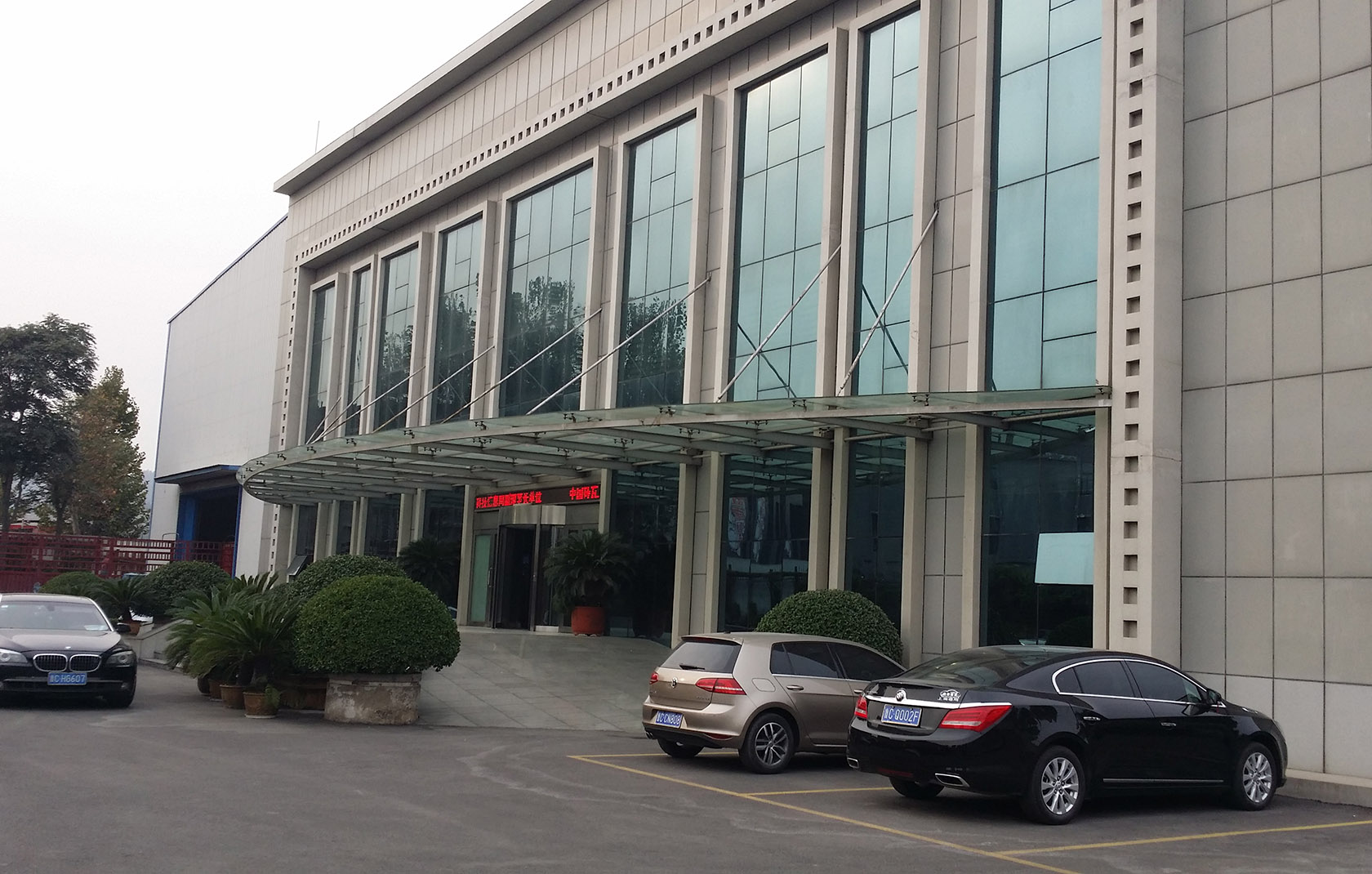
We Henan Cadier Green Building Technology Co.,Ltd are dedicated to the overall solution of large-scale production line of new energy-saving and environmentally friendly wall materials and the integration of high-end building resources since 2009.
Our company covers an area of 41,000 square meters, including 15,600 square meters for production workshops and 4,000 square meters for office, R&D centers and supporting buildings. It currently has multiple engineers and more than 60 mid-to-senior technical personnel.
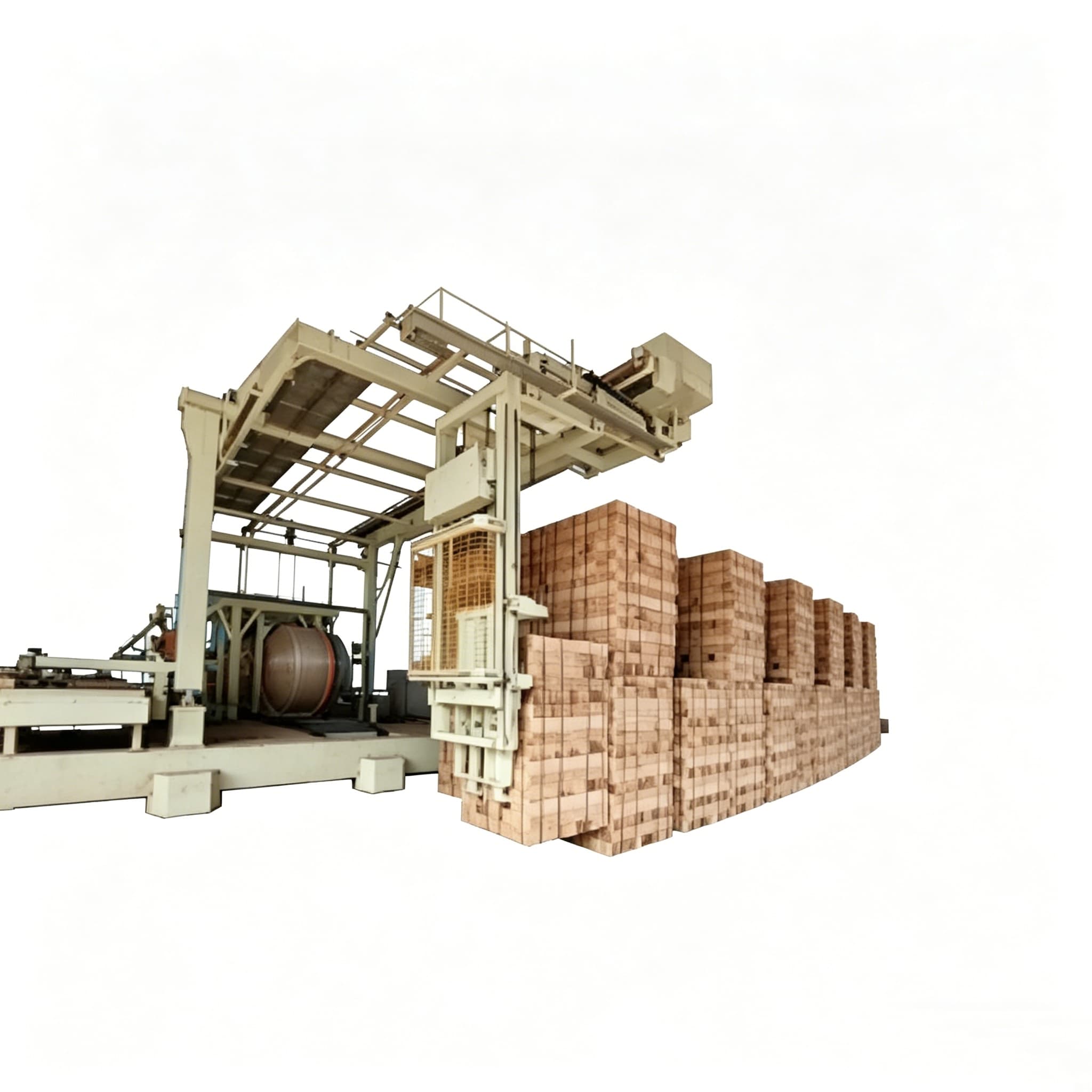
By pairing rigorous structural fabrication with precision mechanical automation, we build heavy-duty rotation kilns, continuous roller furnaces, and automated handling systems that allow modern industrial plants to operate with supreme reliability and minimal downtime.
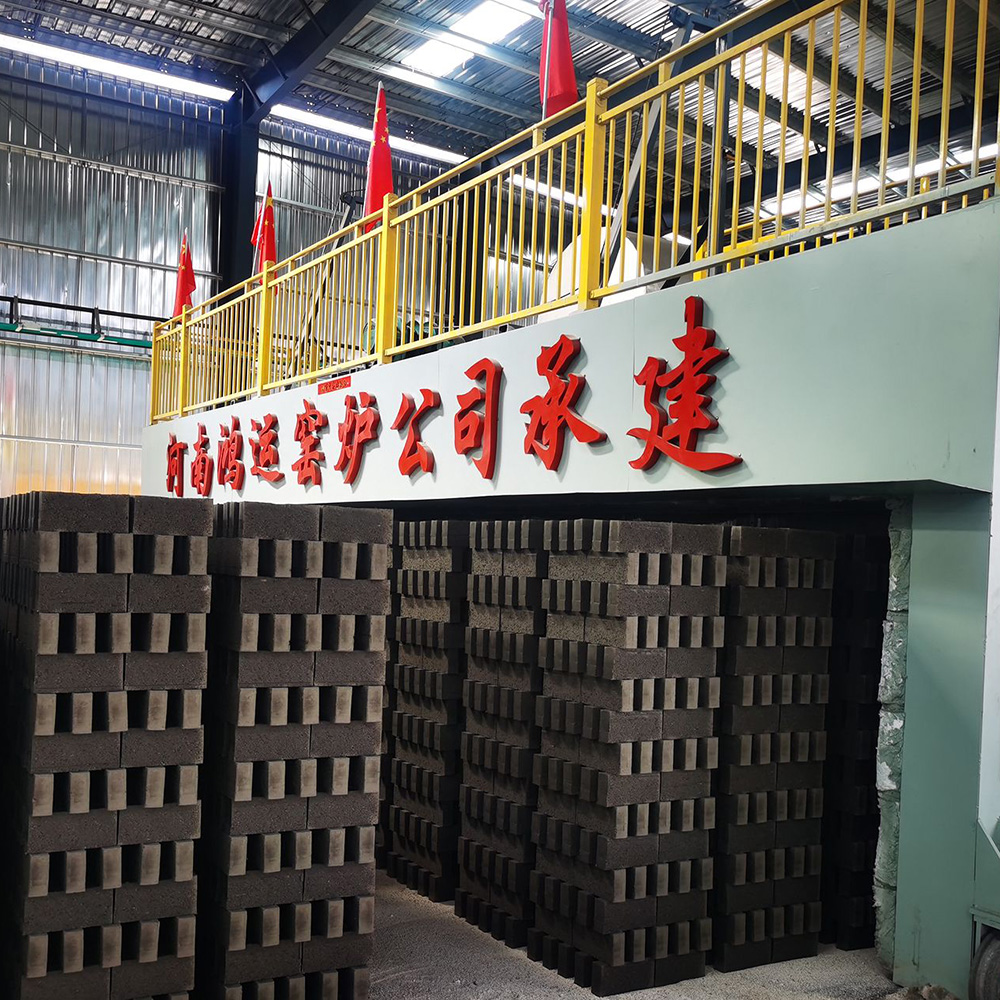
We supply all the high end equipment related with bricks and tile production, such as:
As of today, we have obtained more than 100 patents for brick kiln. We continuously enhance our technical capabilities to strive to provide customers with efficient and high-output automated brick factories.
Our heavy mechanical rotation kilns leverage high-alloy heat-resistant steel shell plates, submerged-arc automated welding, precision-machined trunnion roller assemblies, and multi-stage seal assemblies (graphite block and pneumatic pressure designs) that maintain furnace chamber airtightness and eliminate fugitive particulate emissions.
When selecting rotary pyroprocessing equipment for demanding industrial applications, understanding mechanical tolerance, thermal gradients, and capacity ratings is essential. The table below illustrates the standard operational spectrum of our custom rotation kiln assemblies engineered for international and US Midwest installations:
| Parameter Metric | Standard Specification Range | Engineering Advantage for Chicago / US Plants |
|---|---|---|
| Kiln Shell Diameter | Ø 2.5 m to Ø 5.2 m (Customizable) | Optimized cross-sectional area ensures steady air-material gas exchange and high volume throughput. |
| Shell Incline / Slope | 3.0% to 4.5% Hydraulic Gradient | Precision gravity feeding with variable rotational speeds from 0.4 to 4.2 RPM. |
| Operating Temperature | 850°C to 1,450°C (1,562°F to 2,642°F) | Supports ceramic vitrification, aggregate expansion, proppant sintering, and limestone calcining. |
| Drive & Girth System | Dual-Pinion / Heavy Spur Gear with VFD | Soft-start synchronized torque prevents mechanical shocks during high-temperature thermal loads. |
| Sealing Mechanisms | Graphite Ring Radial & Fish-Scale Spring Seals | Eliminates parasitic cold air ingress, maintaining furnace draft balance and conserving up to 18% fuel. |
| Control Integration | PLC / SCADA with Remote Cloud Diagnostics | Permits 24/7 remote monitoring, multi-point thermocouple logging, and automated burner adjustments. |
Ensuring customers' peace of mind through a comprehensive service ecosystem and advanced testing capabilities. Our company provides one-stop service, ensuring customers' peace of mind. Our company is equipped with a complete set of raw material testing and inspection equipment, as well as remote services. We provide comprehensive technical support to customers from factory design, brick machine equipment selection, brick plant construction, to the later operation of the brick plant.
Complete mineral composition assay, clay plasticity analysis, 3D CAD/BIM factory footprint layout, and optimal thermal equipment selection customized for site geography.
Turnkey heavy foundation layout guidance, on-site kiln shell welding, refractory bricking installation, and mechanical drive assembly under certified engineer supervision.
High-precision humidity testing, trial firing, burner tuning, and 24/7 IoT-enabled remote SCADA diagnostics for steady-state thermal stabilization.
Operator training programs, preventive maintenance schedules, rapid spare-parts fulfillment (rollers, seals, gears), and long-term thermodynamic optimization.
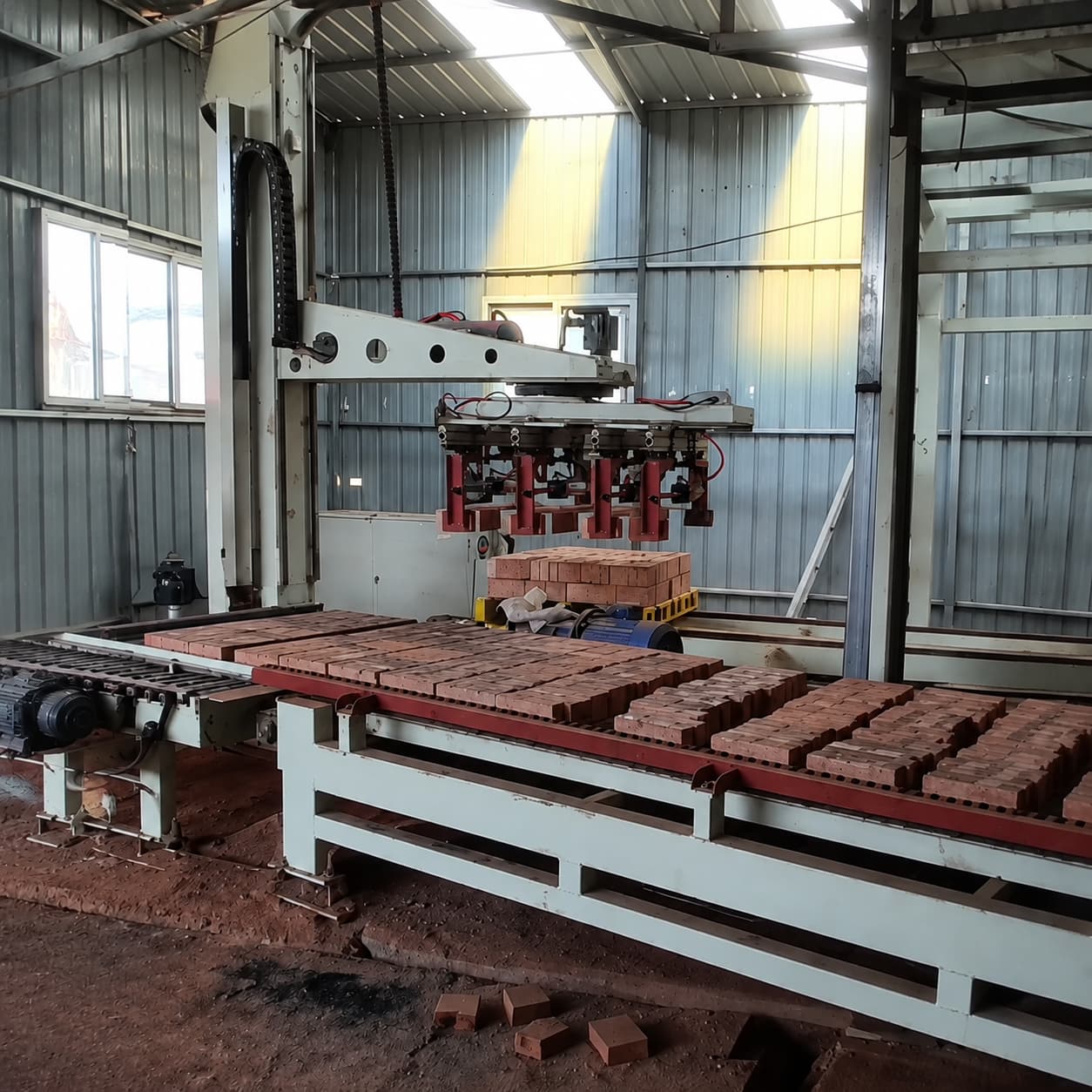
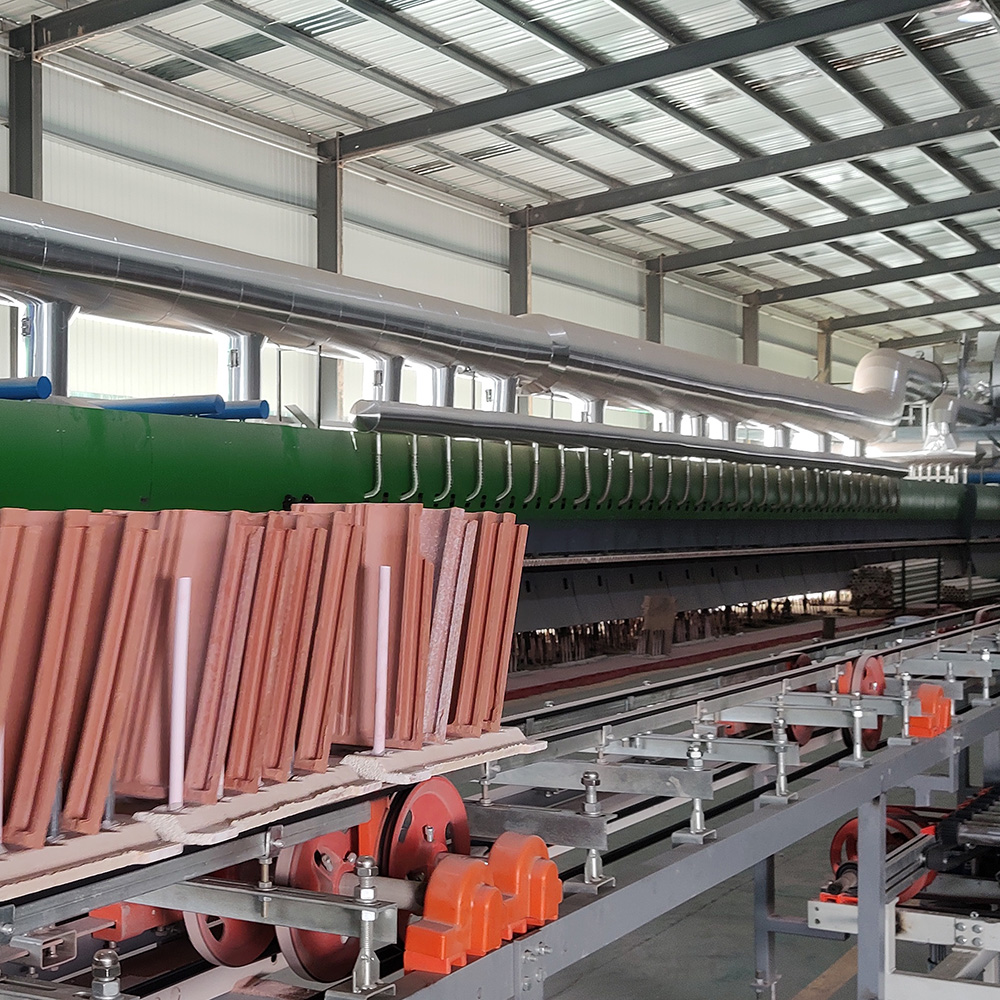
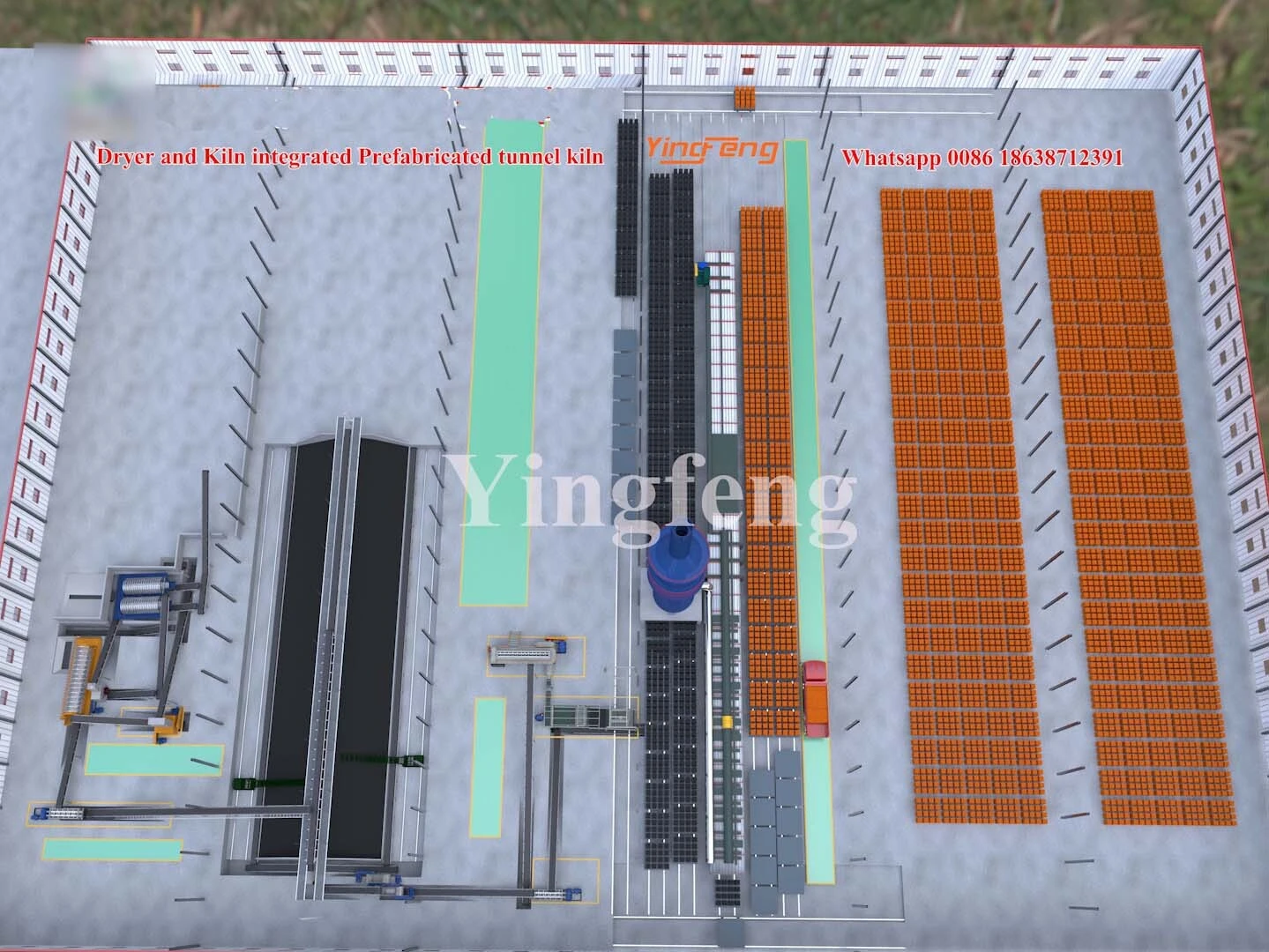
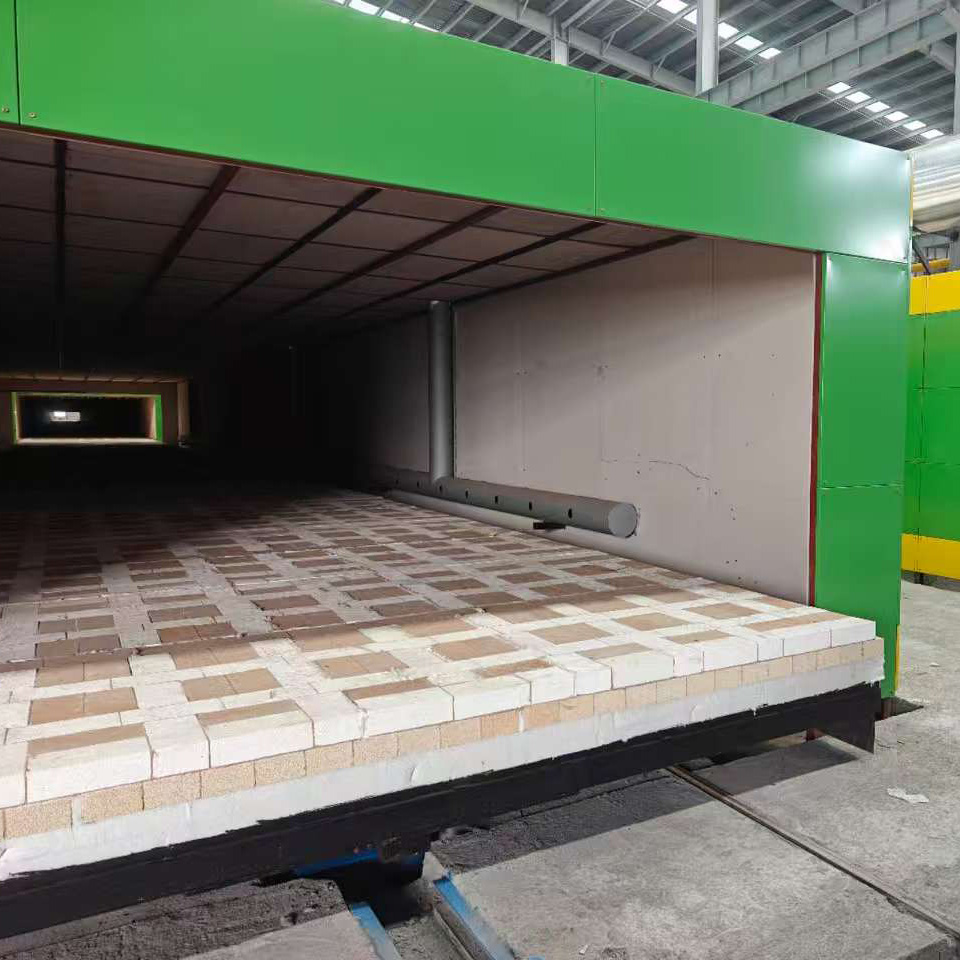
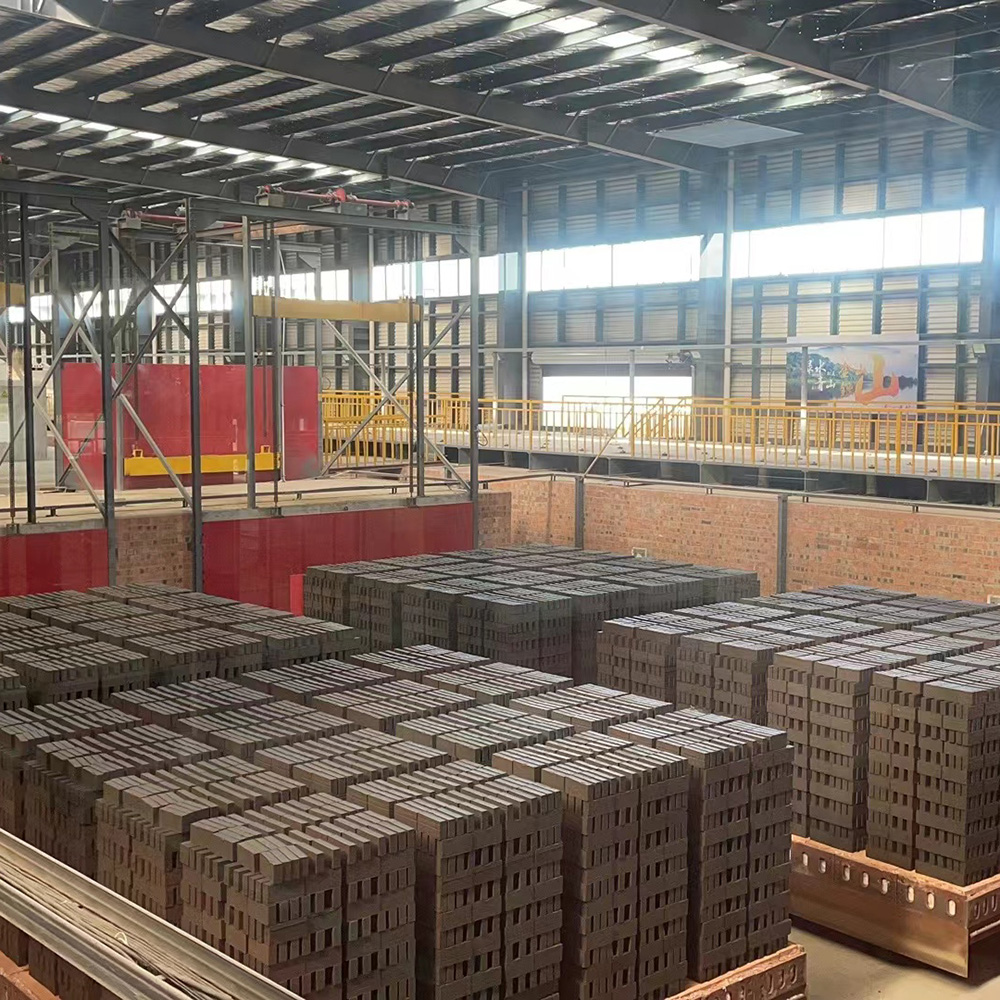
Modern rotation kilns utilize dynamic counter-current heat exchange. High-temperature tertiary air is captured directly from the cooling zone and directed back to the calcining zone and preheating dryers, reducing fuel consumption by up to 25–35% compared to static intermittent kilns.
Our plants process common clay, river silt, shale, fly ash, construction and demolition waste (CDW), industrial slags, bauxite, refractory grog, and expanded aggregates for structural lightweight concrete products.
Our systems incorporate stage-combustion low-NOx burners, sealed feeding hoods with negative pressure draft fans, automated flue gas scrubbers, baghouse filters, and high-precision humidity/oxygen monitoring instruments to ensure exhaust gases meet EPA limits.
Through forged 42CrMo/ZG35CrMo alloy steel tires, self-lubricating trunnions, and high-alumina interlocking refractory castables, our rotation kilns achieve continuous multi-year campaign lives between major overhauls with routine preventive maintenance.