请留言
Analyzing the Commercial Demand, Regulatory Standards, and Modernization of Structural Clay Production in North America
The United States brick industry represents a crucial cornerstone of the nation’s construction and architectural history. From the historic brownstones of New York and Boston to the expansive residential developments across the Sun Belt states such as Texas, North Carolina, and Georgia, red clay bricks remain a highly sought-after material for their durability, thermal mass, and aesthetic appeal. However, the commercial landscape for US brick manufacturers is undergoing a massive transformation.
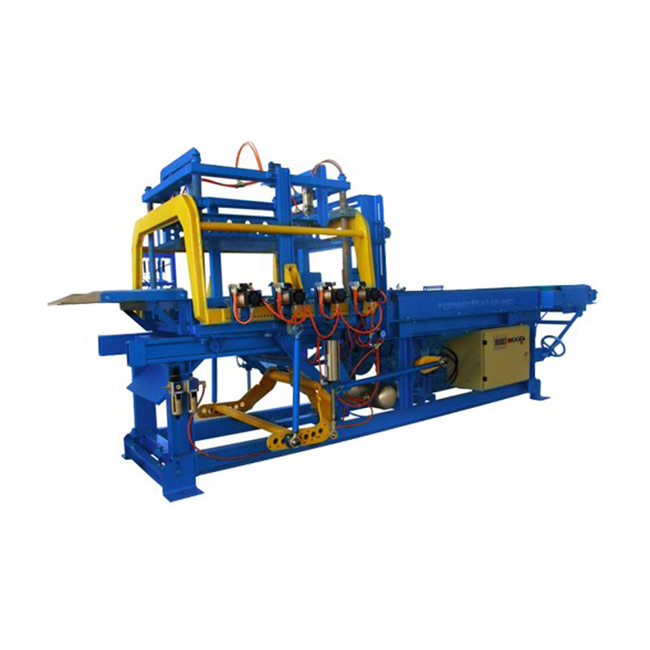
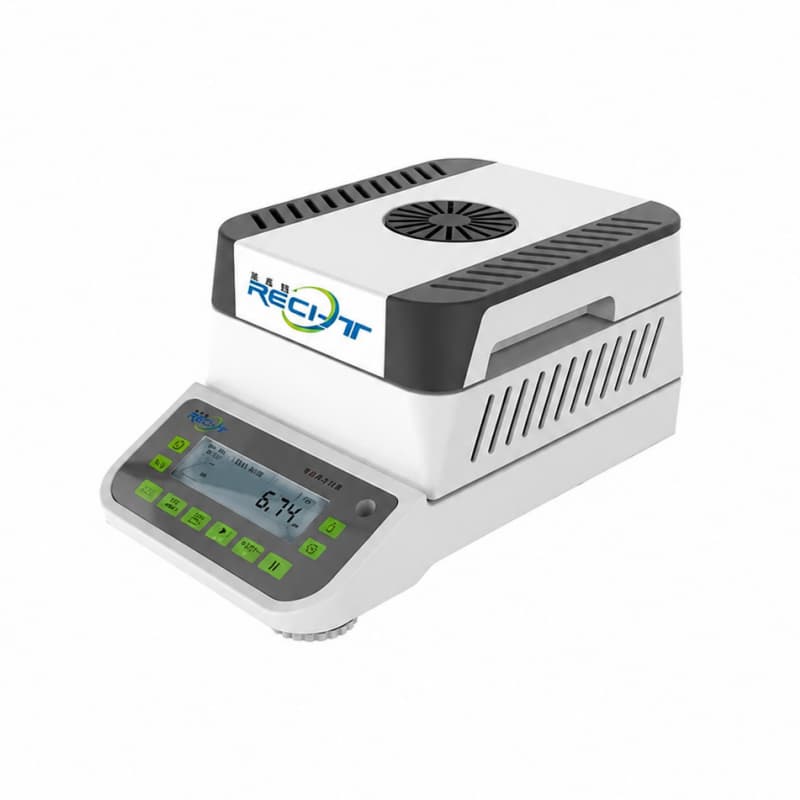
Today, US manufacturers are heavily focusing on increasing yield while minimizing waste. Compliance with the Environmental Protection Agency (EPA) standards, particularly regarding emissions from tunnel kilns, has accelerated the adoption of advanced machinery. Modern operations require high-efficiency extruders, automated block cutters, and smart moisture testers to ensure raw materials are processed with absolute precision before firing, reducing energy consumption and greenhouse gas outputs.
All structural and facing bricks produced in the US must meet rigorous ASTM specifications (such as ASTM C216 for facing brick and ASTM C62 for building brick). Advanced extrusion systems ensure exact dimensional tolerances are met consistently.
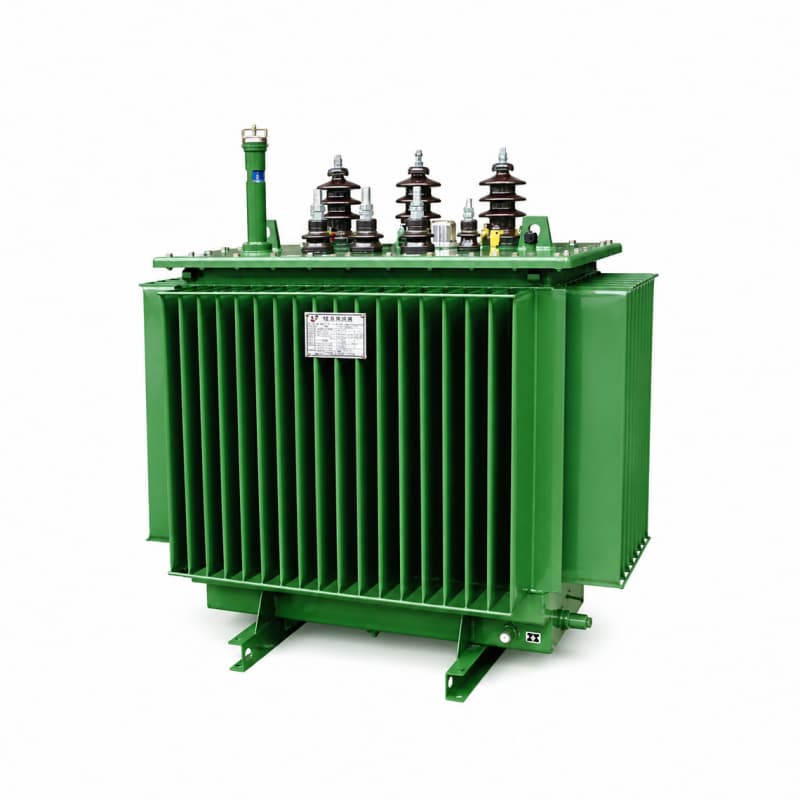
With fluctuating electricity and natural gas rates across the US, modern brick plants utilize high-performance transformers and optimized thermodynamic kilns to keep operating costs low and margins high.
Architects in the US are increasingly aiming for LEED certification. Green building initiatives demand low-embodied-carbon building materials, pushing brick manufacturers to upgrade to high-efficiency vacuum extruders and green packaging technologies.
How AI, Automation, and Smart Thermal Engineering are Redefining Heavy Clay Processing
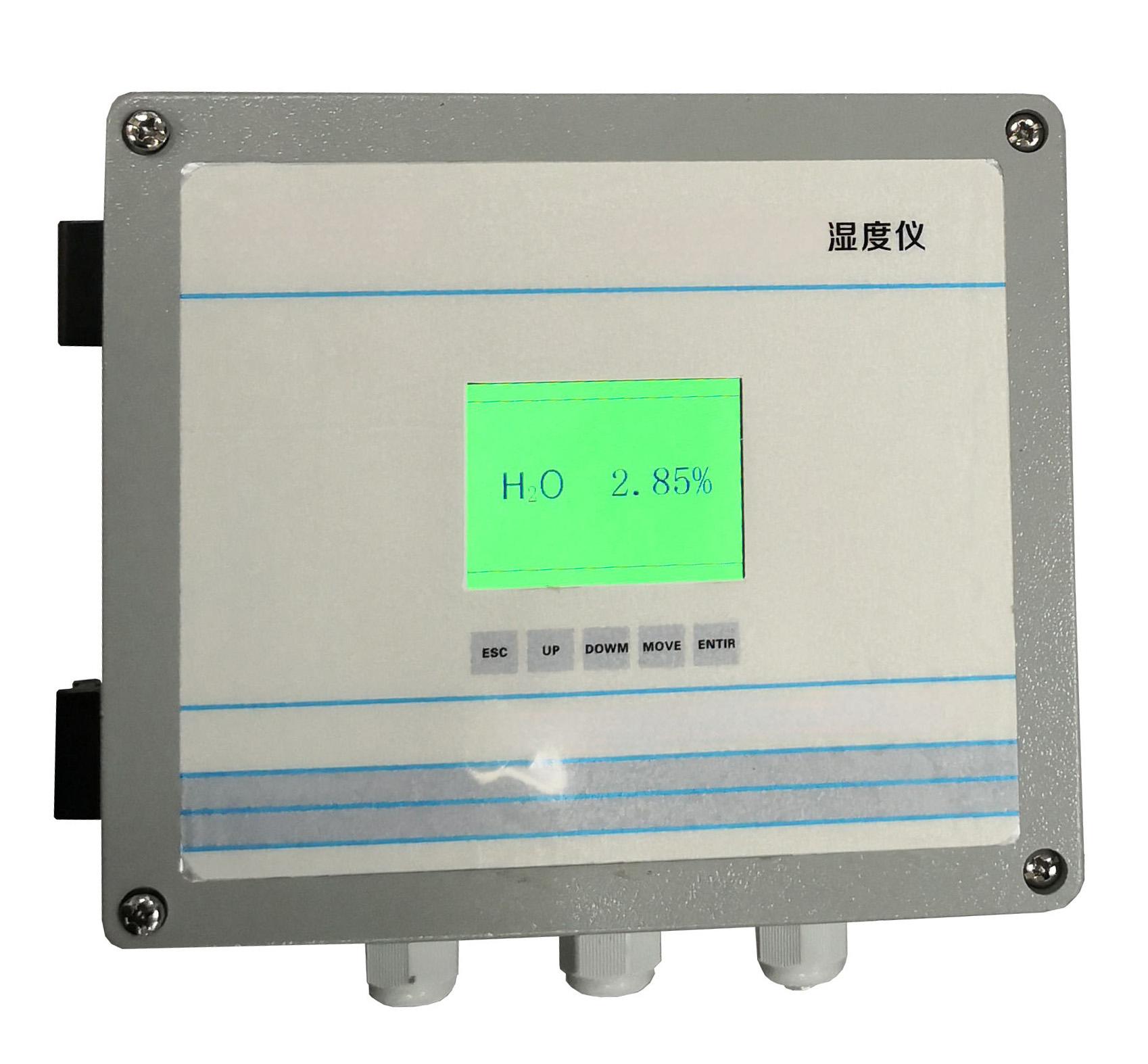
Modern US brick manufacturing facilities are no longer just mechanical operations; they are data-driven ecosystems. Continuous real-time monitoring of raw clay moisture levels and kiln humidity is now standard. Instruments like high-precision furnace humidity detection sensors allow operators to adjust drying cycles on the fly, preventing structural micro-cracks before the bricks reach the firing stage.
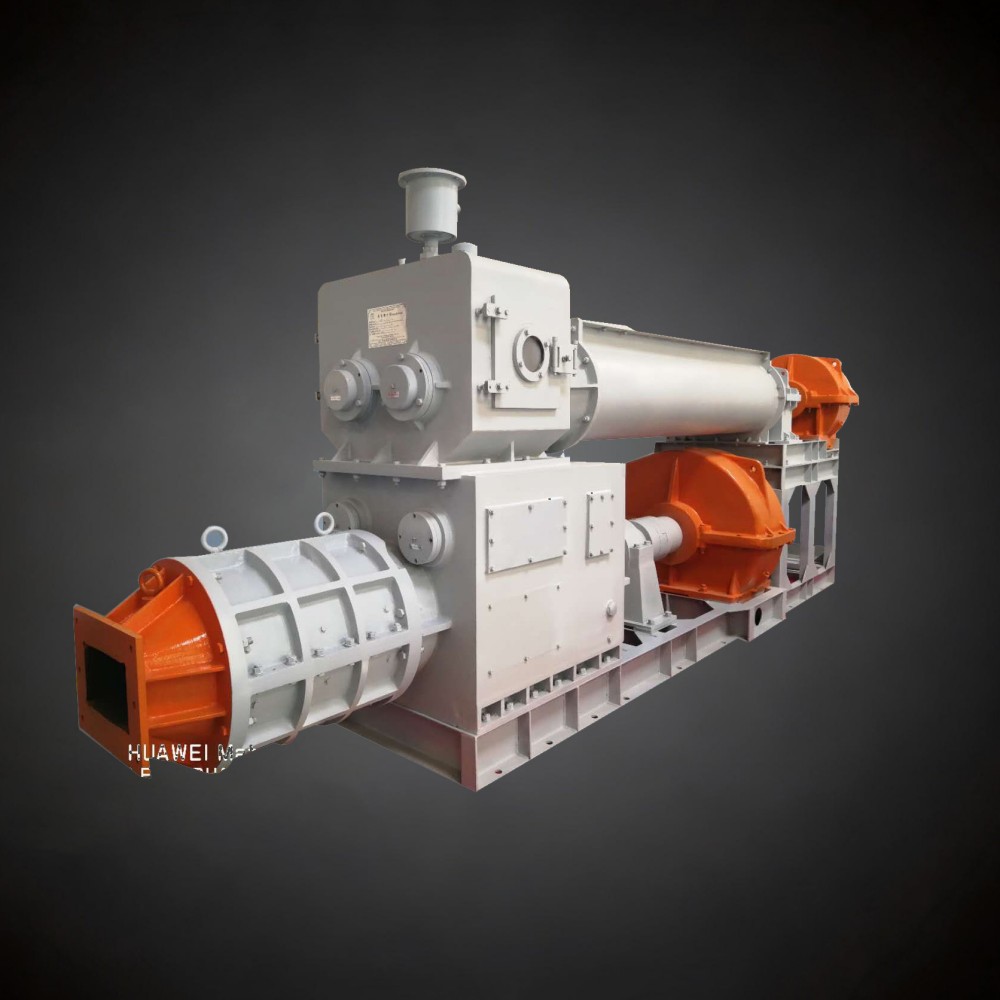
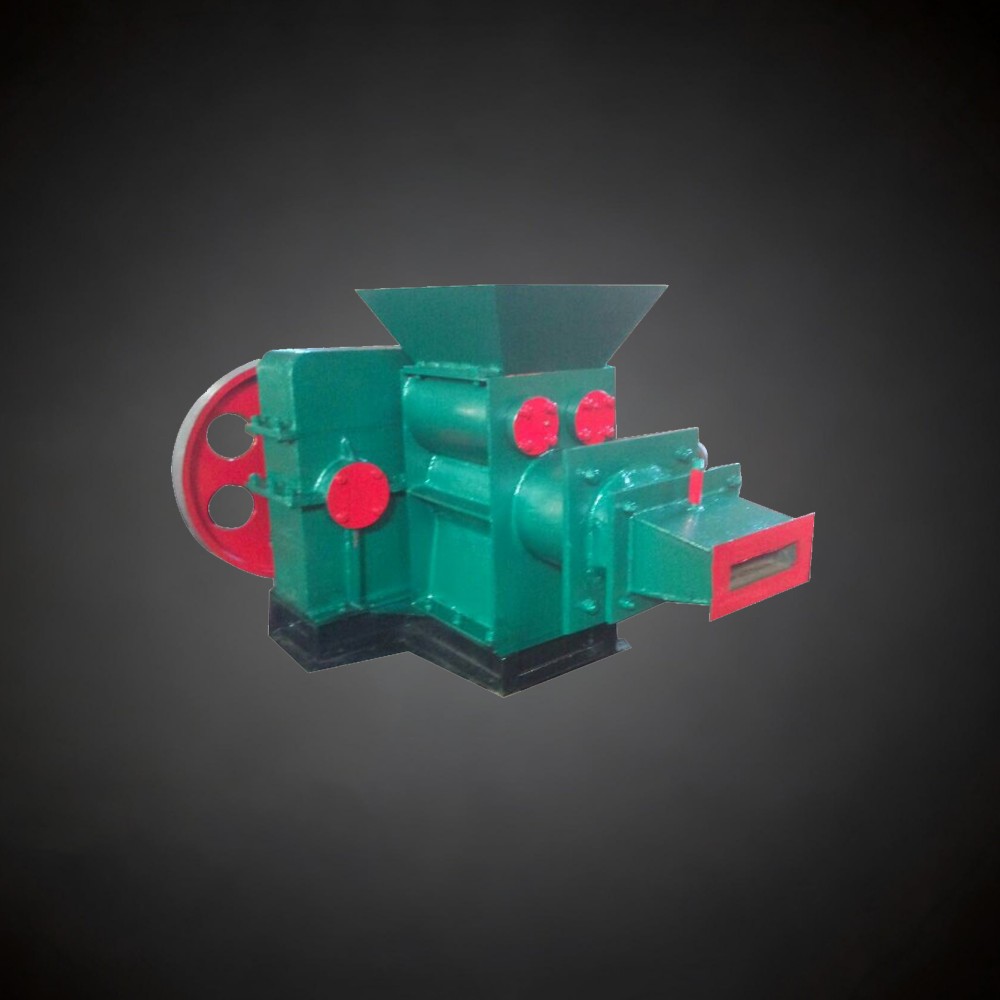
To produce high-strength engineering bricks and pavers that can withstand harsh northern winter freeze-thaw cycles, US brick plants rely on high-vacuum extrusion technology. Vacuum extruders remove air pockets from the clay mixture, significantly increasing the density and compressive strength of the finished product.
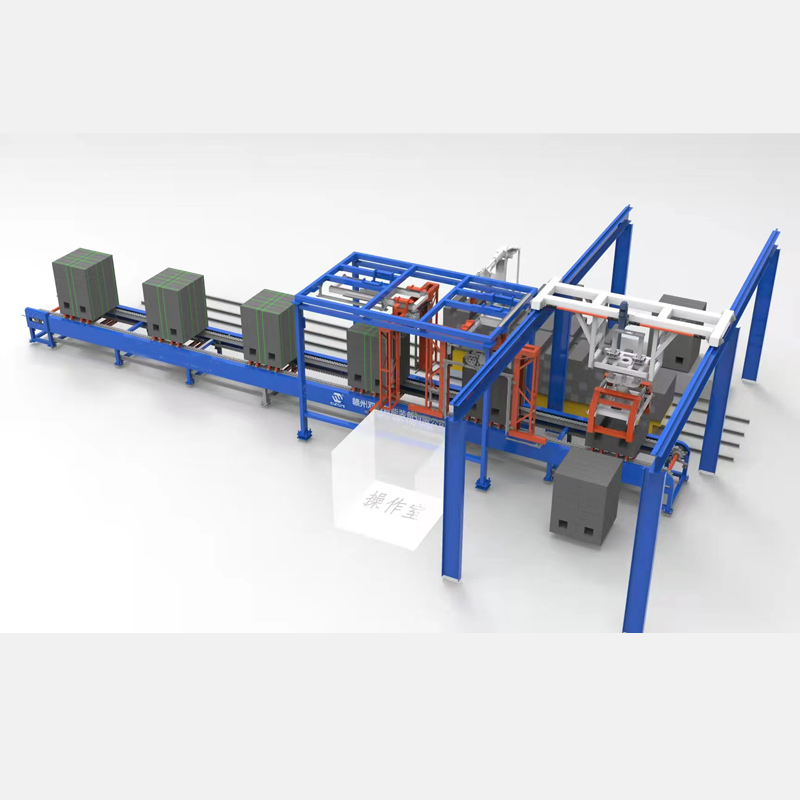
Post-firing logistics in the US market demand rapid, damage-free transport. Fully automatic packaging and strapping machines ensure that bricks are neatly stacked, secured, and ready for flatbed distribution across interstate highway networks without manual handling risks.
Tailoring Clay Brick Production Machinery to Regional Architectural and Geological Demands
In rapidly growing states like Texas, Florida, and Arizona, the demand for single-family residential brick cladding is soaring. Brick yards in these regions require high-output, continuous-running systems like the JZK Automatic Red Soil Brick Machine. These plants operate 24/7, demanding heavy-duty power transformers and automated cutters capable of processing local sandy clays and shale blends at high speeds.
Cities like Boston, Philadelphia, and Chicago require specialized bricks that match the historical texture and color of 19th-century structures. Non-vacuum clay extruders are often deployed here to produce solid bricks with traditional textures, allowing local manufacturers to supply municipal restoration projects with historically accurate structural materials.
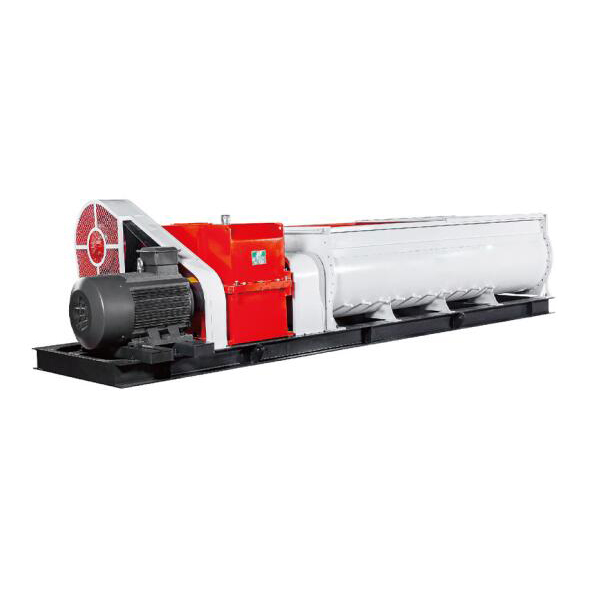
With high annual rainfall, the Pacific Northwest demands high-density, low-absorption clay pavers for urban plazas and pedestrian sidewalks. Advanced clay mixing machines (like double shaft mixers) ensure the homogeneous blending of local river silts and volcanic clays, producing durable, slip-resistant pavers that comply with strict municipal safety codes.
California's strict Title 24 energy standards favor buildings with high thermal mass. Manufacturers utilize advanced thermal profiling and precision kiln humidity sensors to optimize the firing of hollow clay blocks, which provide superior insulation and seismic resilience for modern commercial complexes.
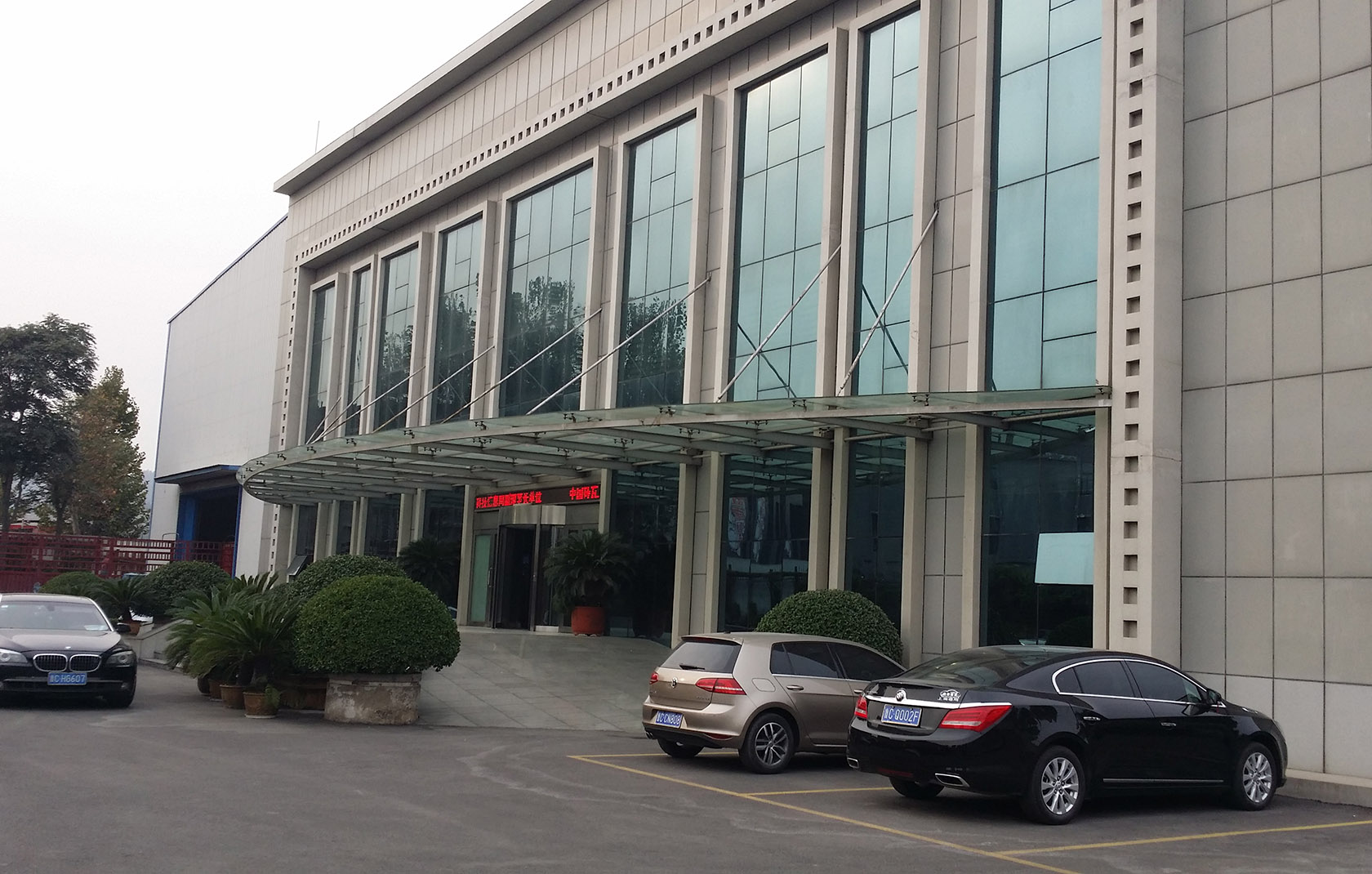
We Henan Cadier Green Building Technology Co.,Ltd are dedicated to the overall solution of large-scale production line of new energy-saving and environmentally friendly wall materials and the integration of high-end building resources since 2009.
Our company covers an area of 41,000 square meters, including 15,600 square meters for production workshops and 4,000 square meters for office, R&D centers and supporting buildings. It currently has multiple engineers and more than 60 mid-to-senior technical personnel. We bring this extensive manufacturing expertise to the United States market, ensuring American brick manufacturers receive industrial-grade machinery that complies with international standards of durability and efficiency.
We supply all the high end equipment related with bricks and tile production, engineered to meet the demanding operational standards of North American heavy industries:
As of today, we have obtained more than 100 patents for brick kiln technology. We continuously enhance our technical capabilities to strive to provide customers with efficient and high-output automated brick factories, minimizing energy waste and maximizing kiln throughput.
Ensuring absolute peace of mind through a comprehensive service ecosystem and advanced raw material testing
Our company provides one-stop service, ensuring customers' peace of mind. Our company is equipped with a complete set of raw material testing and inspection equipment, as well as remote services. We provide comprehensive technical support to customers from factory design, brick machine equipment selection, brick plant construction, to the later operation of the brick plant.
For our clients in the United States, we provide remote diagnostics, virtual engineering consultations, and compliance checks to ensure all imported machinery aligns with local electrical and mechanical safety codes.
We analyze the mineral composition of local US clay deposits (such as high-plasticity clays in the South or hard shales in the Midwest) to calibrate the extrusion pressure and moisture mixing ratios of your machinery before shipment, ensuring flawless operation from day one.
Custom layout engineering to optimize material flow and heat recovery systems.
Guidance on kiln construction and mechanical assembly of heavy machinery.
Real-time sensor calibration and remote control test runs for optimal performance.
Continuous spare parts supply, firmware updates, and operational training.
Our company insists on taking the road of high-end brands and has won praise from customers all over the world.
Since the establishment of the company, we have exported more than 300 production lines in more than 40 countries, bringing advanced clay processing technology to global industrial markets.
"While leaving the footprints of our times in the history of the world's bricks and tiles, Henan Cadier Green Building Technology Co., Ltd. insists on being 'the spreader of brick and tile culture, and the protector of natural life.'"
High-Performance Solutions for Modern Brick Manufacturing Plants in the US