请留言
In the rapidly evolving landscape of heavy manufacturing, the Kiln Dry Machine for high-capacity industrial factories stands as the ultimate backbone of thermal processing. A kiln dry machine is no longer just a massive heated chamber; it has transformed into a highly sophisticated, thermodynamic engine designed to systematically remove moisture, alter chemical structures, and harden raw materials on a colossal scale. For high-capacity factories dealing with ceramics, metallurgy, cement, and advanced brick manufacturing, the efficiency of the kiln directly dictates the overall output, profitability, and market competitiveness of the enterprise.
The commercial and industrial status of these machines has reached unprecedented heights. Global infrastructure development, rapid urbanization, and the surging demand for sustainable building materials have catalyzed a massive need for high-throughput production lines. Modern industrial factories require kiln dry machines that can operate continuously—24 hours a day, 365 days a year—without compromising on the structural integrity of the final product. Consequently, capital investment in advanced kiln technology is currently viewed not merely as an operational expense, but as a strategic asset that yields immense long-term Return on Investment (ROI) through reduced energy consumption and minimized material wastage.
Engineered to handle thousands of tons of raw material daily, ensuring continuous supply chain fulfillment for massive industrial demands.
Advanced insulation and heat-recovery systems drastically reduce fuel consumption, optimizing the thermodynamic cycle.
Modular kiln designs allow factories to scale their production volume seamlessly alongside growing commercial market needs.
The application of a Kiln Dry Machine for high-capacity industrial factories extends far beyond basic drying. It is a critical component in several specialized industrial sectors, each requiring precise temperature gradients and atmospheric control.
In the realm of modern construction materials, the production of clay bricks, terracotta panels, and split pavers requires rigorous moisture extraction before the firing phase. If a brick enters the firing zone with excess internal moisture, the rapid expansion of steam will cause micro-fractures or catastrophic explosion of the unit. High-capacity kiln dry machines utilize highly controlled, progressive humidity reduction. By channeling waste heat from the firing zone back into the drying chamber, factories can achieve a near-perfect zero-waste energy loop. This application is vital for producing millions of structural units per month with uniform strength and aesthetic consistency.
Industrial ceramics and refractory materials—used to line blast furnaces and aerospace components—demand absolute precision. The kiln dry machine in this scenario operates under strict programmed logic controllers (PLCs). The drying curve is meticulously mapped to accommodate the shrinkage rate of complex ceramic matrices. A slight deviation in temperature can compromise the structural density. High-capacity factories utilize tunnel kilns and roller kilns integrated with smart sensors to monitor the internal core temperature of the ceramics in real-time, ensuring zero defects.
Beyond traditional manufacturing, high-capacity rotary kiln dry machines are extensively utilized in the metallurgical and environmental sectors. In mineral processing, ores such as bauxite or limestone must be dried and calcined to extract valuable elements. Furthermore, in environmental engineering, thermal desorption kilns are employed to remediate contaminated industrial soil. The kiln heats the soil to vaporize volatile organic compounds (VOCs), rendering the earth safe for reuse. This demonstrates the immense versatility and ecological importance of advanced kiln technologies.
We Henan Cadier Green Building Technology Co.,Ltd are dedicated to the overall solution of large-scale production line of new energy-saving and environmentally friendly wall materials and the integration of high-end building resources since 2009.
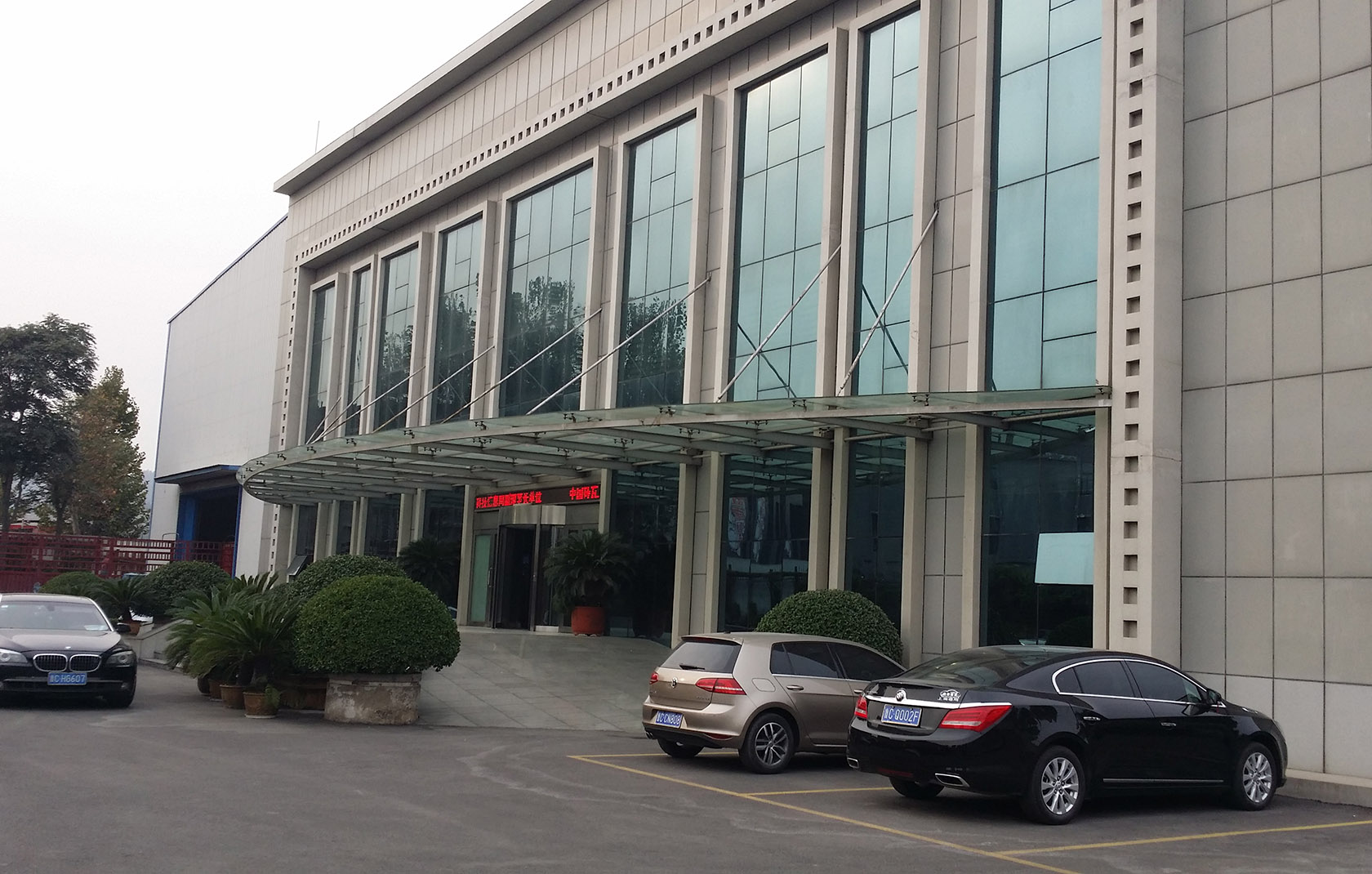
Our company covers an area of 41,000 square meters, including 15,600 square meters for production workshops and 4,000 square meters for office, R&D centers and supporting buildings. It currently has multiple engineers and more than 60 mid-to-senior technical personnel.
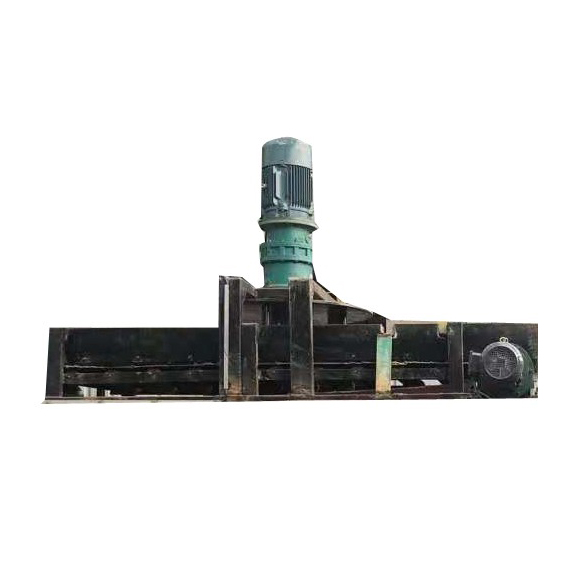
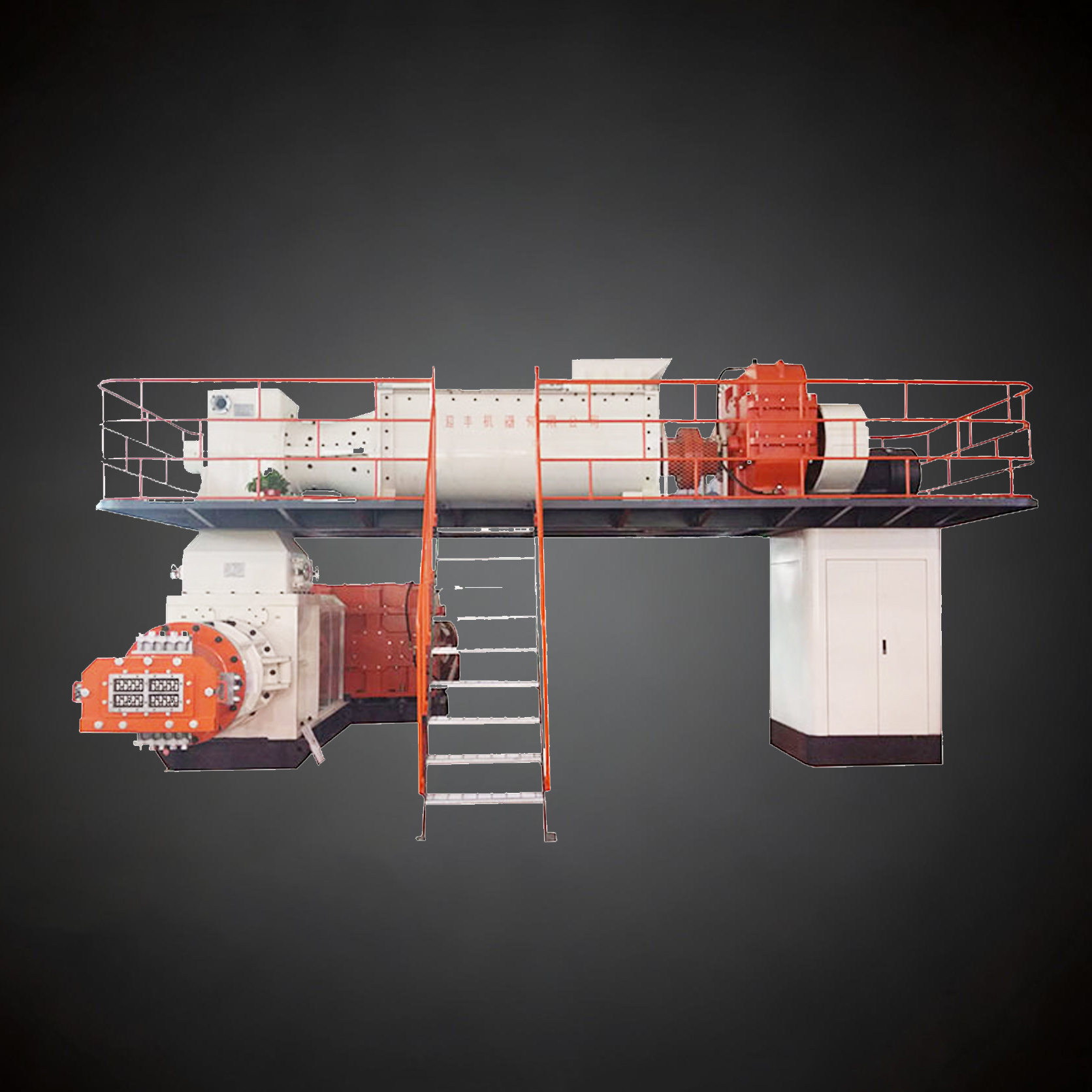
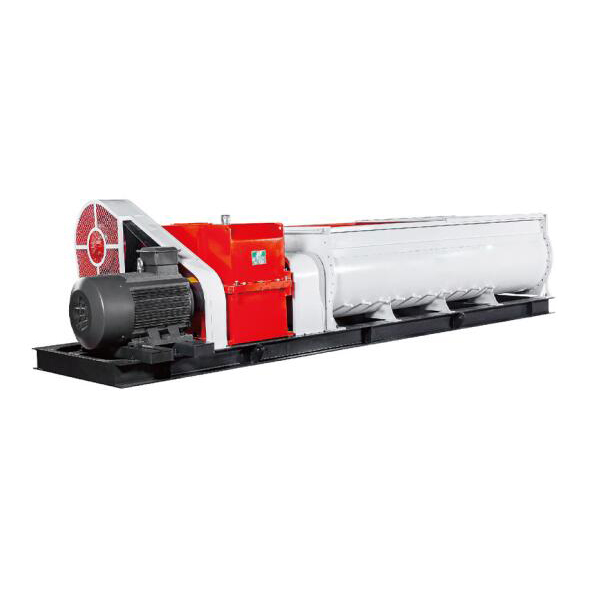
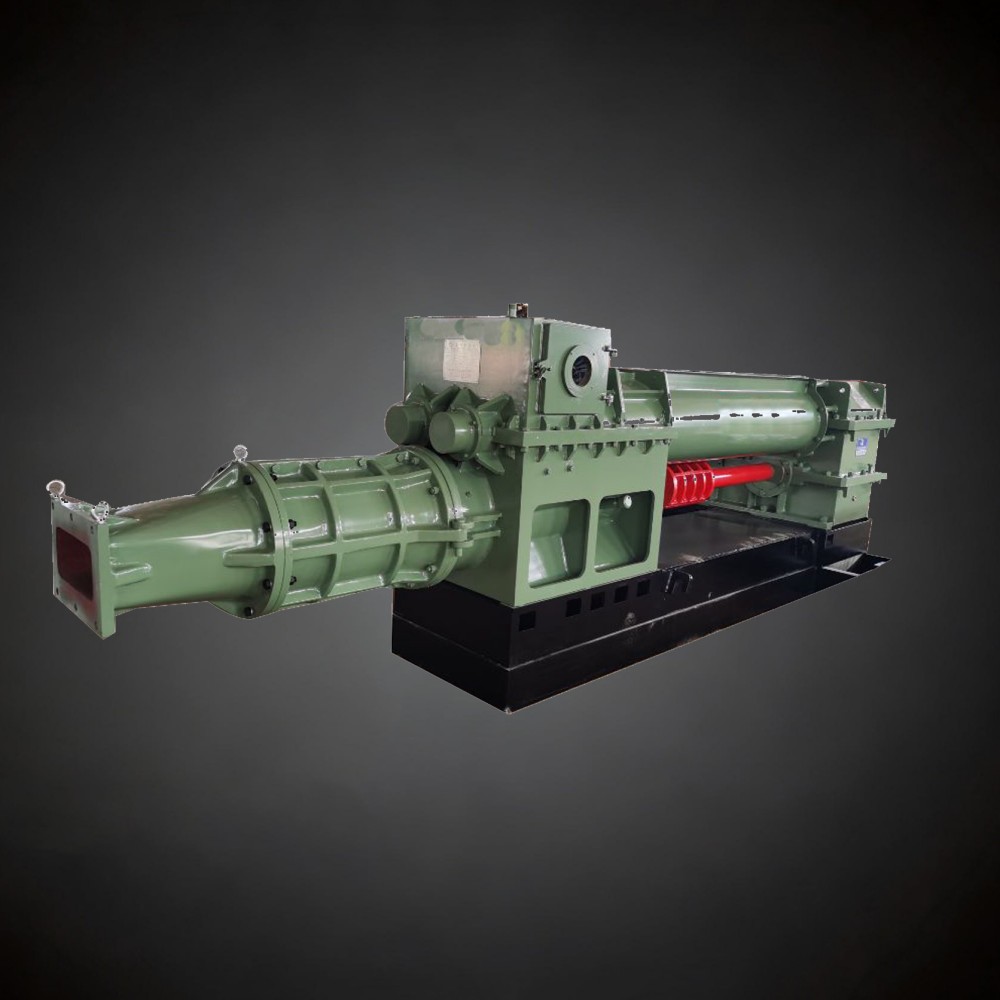
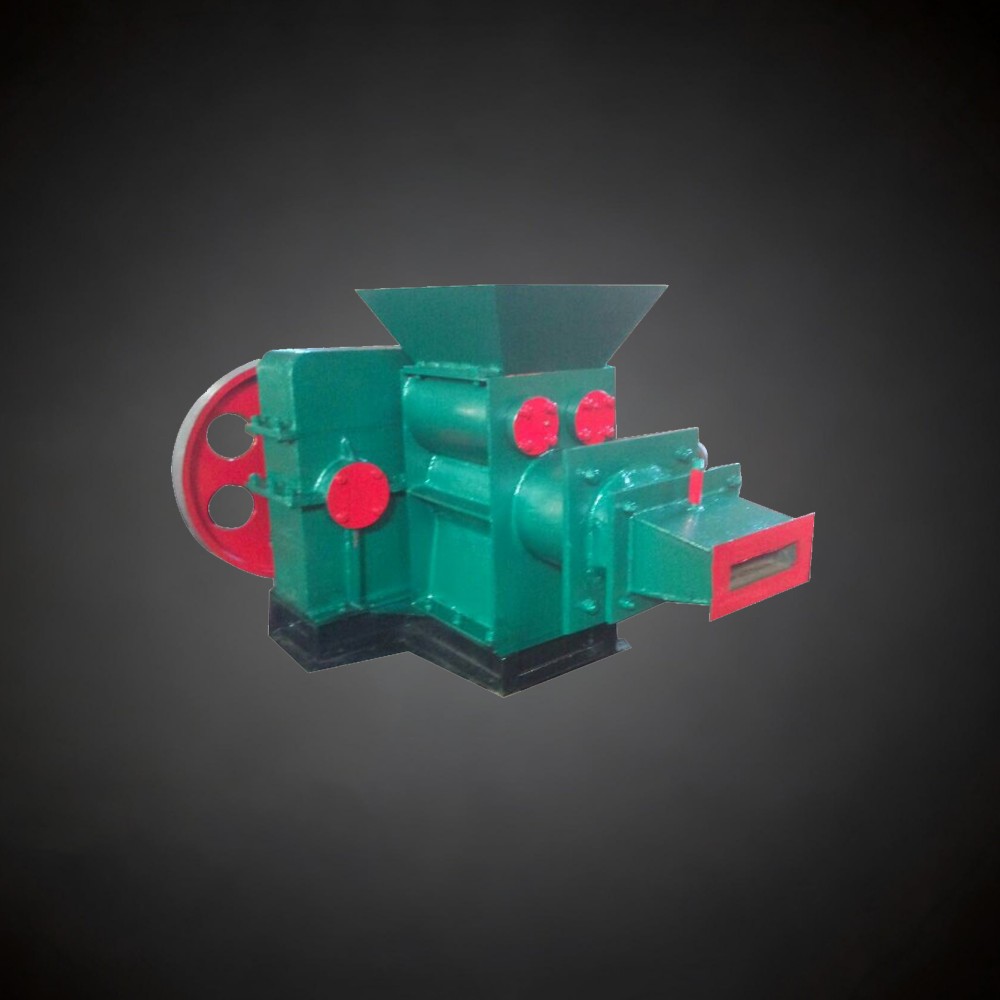
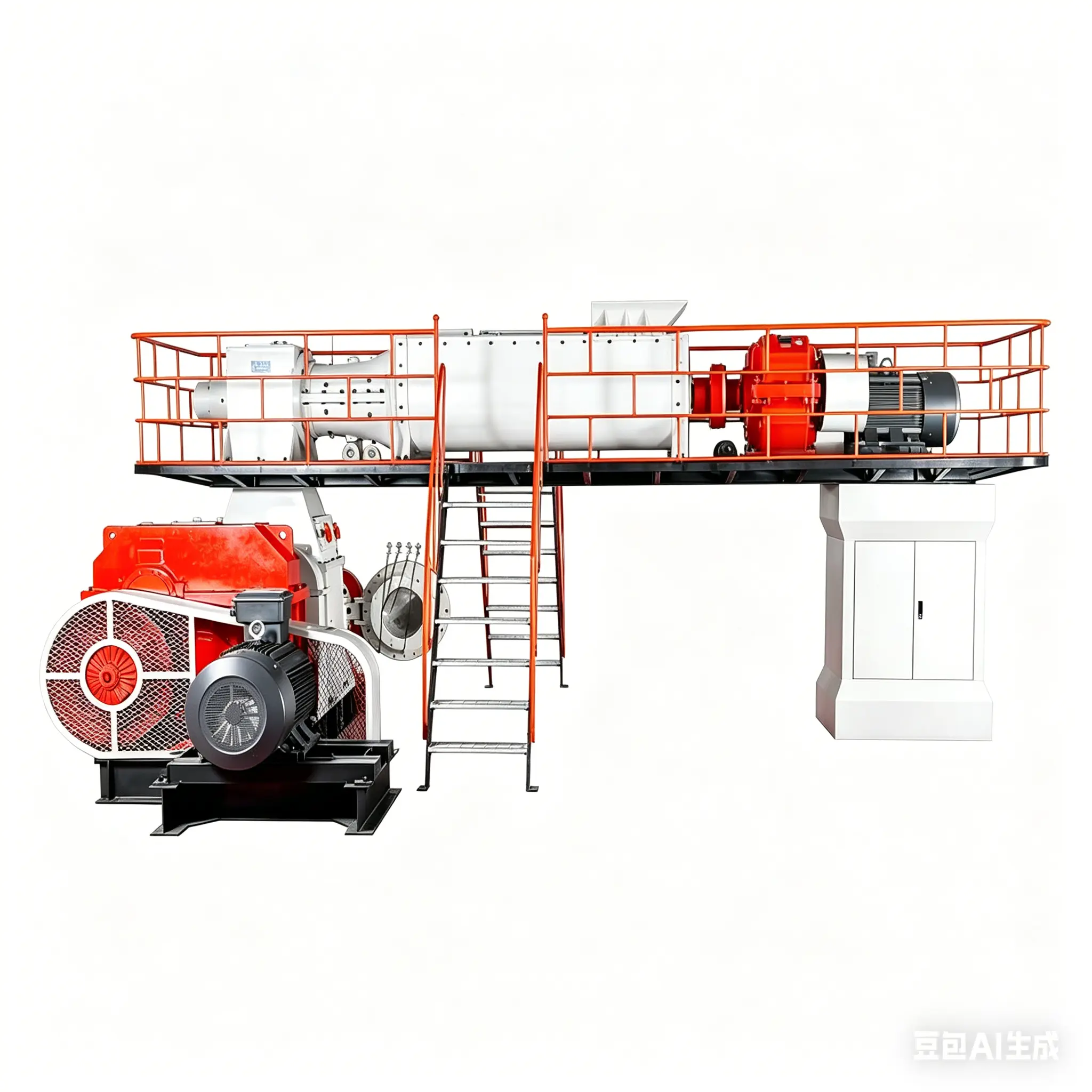
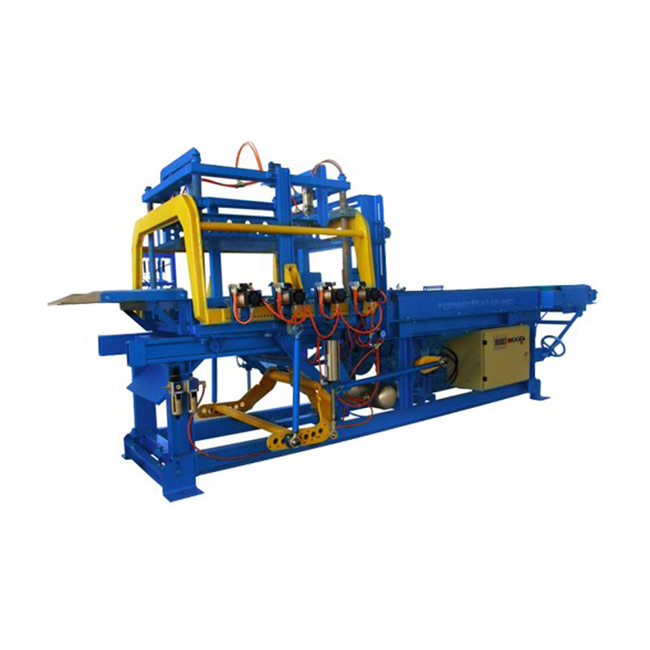
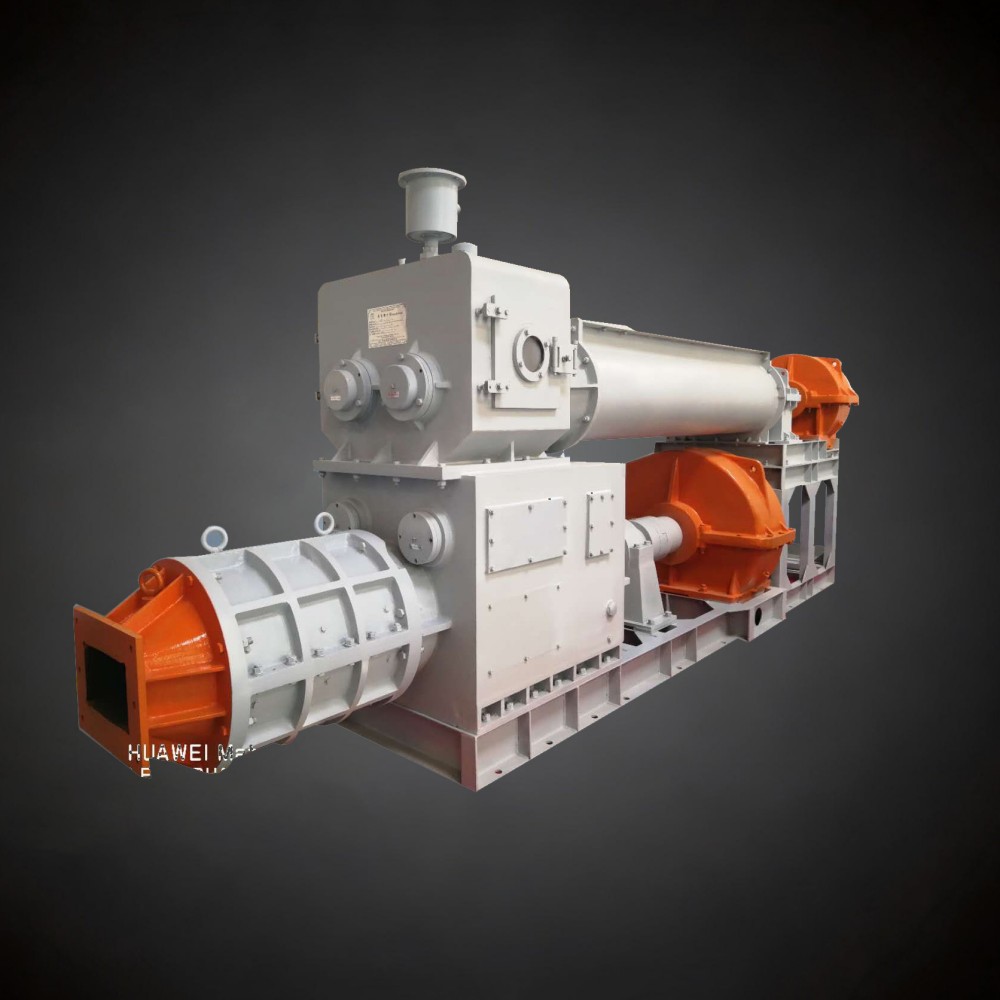
We supply all the high end equipment related with bricks and tile production, such as:
As of today, we have obtained more than 100 patents for brick kiln. We continuously enhance our technical capabilities to strive to provide customers with efficient and high-output automated brick factories.
The trajectory of industrial thermal processing is steering rapidly towards digitalization and environmental sustainability. For a Kiln Dry Machine for high-capacity industrial factories, the integration of Artificial Intelligence (AI) and the Internet of Things (IoT) is no longer a futuristic concept, but a present-day reality. High-capacity factories are upgrading their infrastructure to feature "Smart Kilns." These systems utilize hundreds of IoT sensors distributed throughout the drying and firing zones to capture data points on humidity, airflow velocity, pressure differentials, and thermal gradients.
AI algorithms process this massive influx of data in real-time, autonomously adjusting the draft fans, burner outputs, and conveyor speeds. This predictive maintenance capability ensures that potential mechanical failures or thermal imbalances are corrected before they impact the production yield. Furthermore, this tech-driven approach guarantees a stabilized thermodynamic environment, which drastically reduces fuel consumption and lowers the carbon footprint of the facility.
Another major development trend is the shift towards Green Energy and Decarbonization. As global environmental regulations tighten, high-capacity factories are transitioning away from heavy fuel oils and coal. Modern kiln dry machines are being engineered to accommodate hybrid fuel systems, utilizing natural gas, hydrogen blends, and biomass fuels. The implementation of advanced heat-exchangers captures exhaust gases, purifying them through scrubbing systems while redirecting the thermal energy back into the primary drying chambers. This symbiotic energy loop represents the pinnacle of modern industrial engineering, marrying high-capacity production with ecological responsibility.
Smart sensors and machine learning algorithms provide real-time adjustments, ensuring optimal drying curves and predictive maintenance.
Transitioning to hybrid fuels and advanced heat recovery systems to meet strict global environmental and emission standards.
Fully automated loading, unloading, and monitoring systems reduce manual labor risks while maximizing factory throughput.
Our company provides one-stop service, ensuring customers' peace of mind. Our company is equipped with a complete set of raw material testing and inspection equipment, as well as remote services. We provide comprehensive technical support to customers from factory design, brick machine equipment selection, brick plant construction, to the later operation of the brick plant.
40+ Countries Worldwide
Our company insists on taking the road of high-end brands and has won praise from customers all over the world. Since the establishment of the company, we have exported more than 300 production lines in more than 40 countries.
While leaving the footprints of our times in the history of the world's bricks and tiles, Henan Cadier Green Building Technology Co., Ltd. insists on being "the spreader of brick and tile culture, and the protector of natural life."