请留言
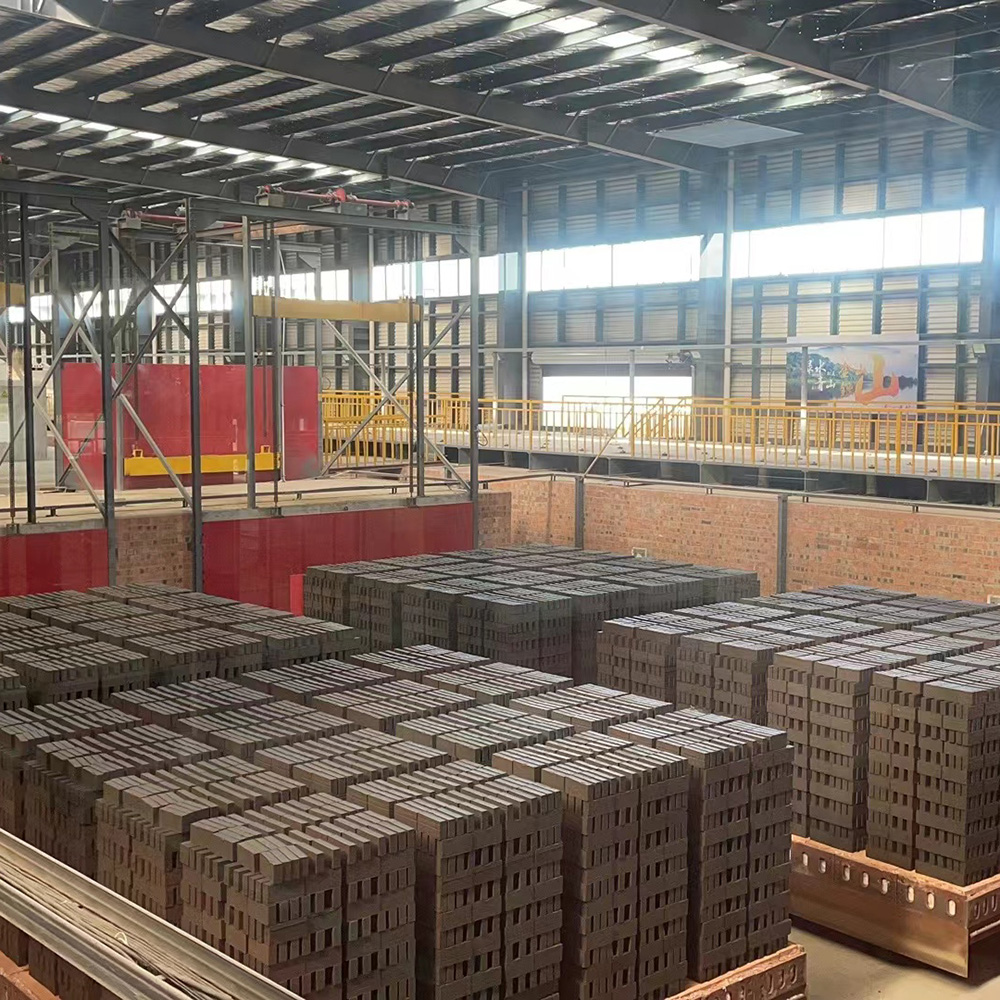
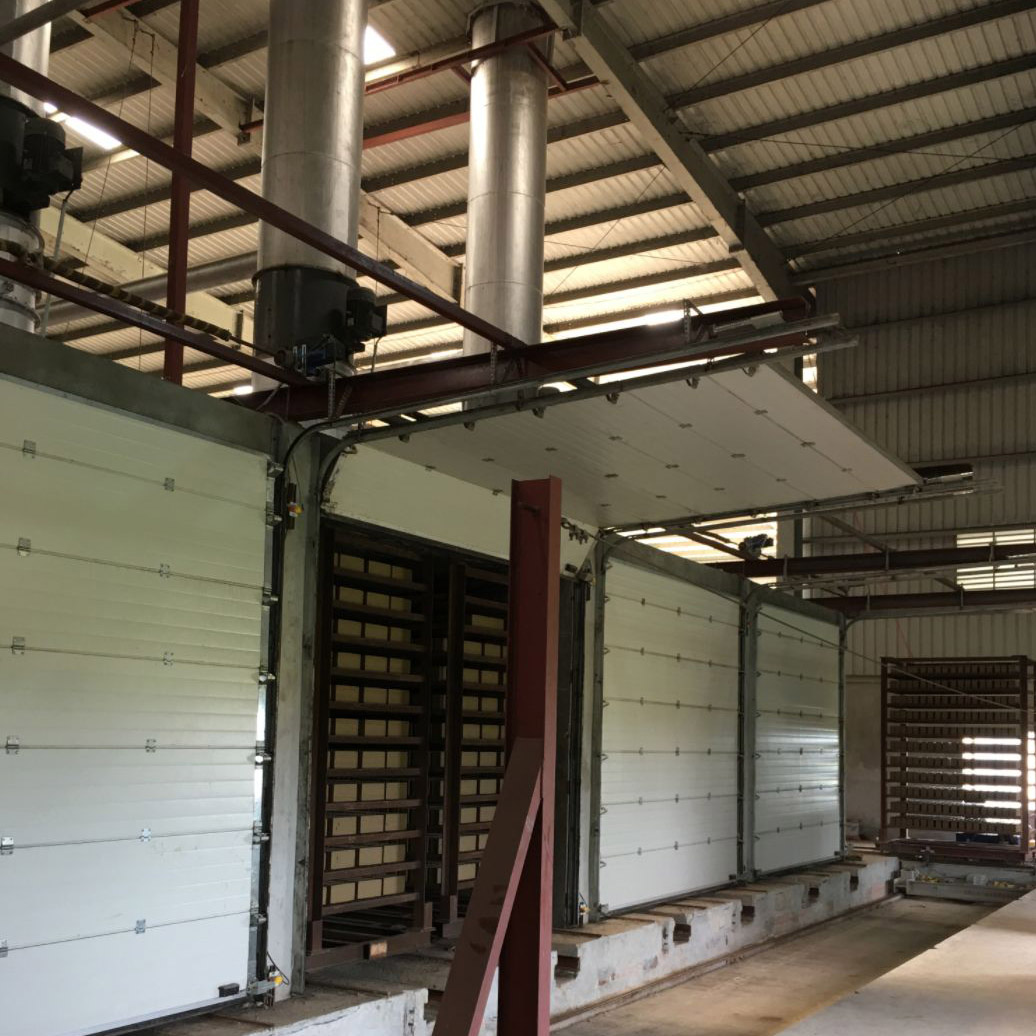
Engineered with heavy thermal insulation and intelligent positive-pressure airflow control for consistent 24/7 brick drying across Siberian and Central Russian operational seasons.
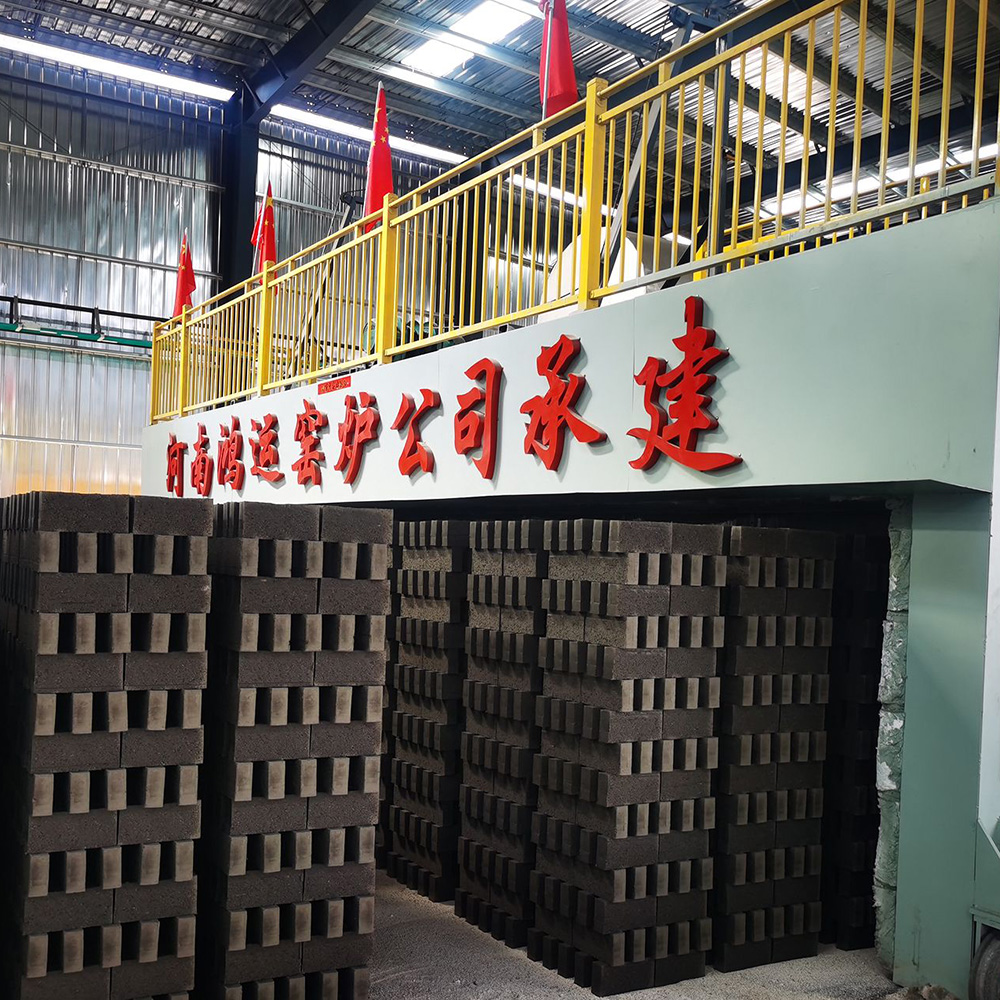
The brick and structural ceramic industry across the Russian Federation is undergoing an intensive transformation driven by rapid infrastructure renovation, massive residential urbanization programs, and the urgent necessity for modern energy-efficient building materials. In regions spanning from the Central Federal District (Moscow, Vladimir, Tula) to the Volga, Urals, and Western Siberia, structural masonry continues to be the dominant construction material due to its unmatched fire resistance, thermal mass, and century-long durability.
However, modern Russian brick plants face significant operational pressures. Traditional Soviet-legacy brick factories previously relied on massive natural-air drying sheds or outdated, high-energy counterflow drying chambers that suffered catastrophic heat losses, uneven drying cycles, and extreme crack rates during harsh winter months. Today, stringent compliance with GOST 530-2012 (Ceramic Bricks and Stones — Technical Specifications) mandates extreme mechanical durability (compressive strengths exceeding M150–M200) and frost resistance ratings from F50 up to F100. To satisfy these standards without astronomical fuel expenses, Russian brick producers are aggressively upgrading to automated, high-precision clay brick dryers capable of functioning efficiently in ambient winter conditions ranging from -20°C to -45°C.
While natural gas remains accessible across Russian industrial hubs, surging domestic industrial tariffs and strict federal environmental regulations demand maximum thermodynamic efficiency. Modern automated tunnel dryers utilize intelligent algorithmic multi-zone recirculation, recapturing up to 92% of kiln cooling zone sensible heat, reducing the factory's primary carbon and thermal footprint to European benchmarks.
Russian raw clays present unique mineralogical challenges. Our engineered tunnel and chamber drying lines are custom-tuned to safely navigate high-shrinkage hydration curves without hairline cracking.
Raw loams and polyminerals found in Tatarstan, Bashkortostan, and the Ural deposits exhibit extreme sensitivity to rapid drying. Our AI-controlled variable air nozzles dynamically ramp initial humidity up to 85% to heat the internal core before moisture evaporation commences, preventing destructive capillary collapse.
Unlike plants designed for temperate zones, Cadier dryers for the Russian Federation feature double-skin lightweight composite refractories, basalt rockwool cores (150–200mm thickness), and vapor-sealed hermetic sliding gates to eliminate thermal bridges in -40°C Siberian conditions.
Incorporating digital microwave moisture sensors and automated psychrometric monitoring, the dryer autonomously adjusts exhaust fan speed, inlet gate dampers, and heat injection blowers every 15 seconds, maintaining less than 1.5% residual moisture prior to kiln loading.
We Henan Cadier Green Building Technology Co.,Ltd are dedicated to the overall solution of large-scale production line of new energy-saving and environmentally friendly wall materials and the integration of high-end building resources since 2009.
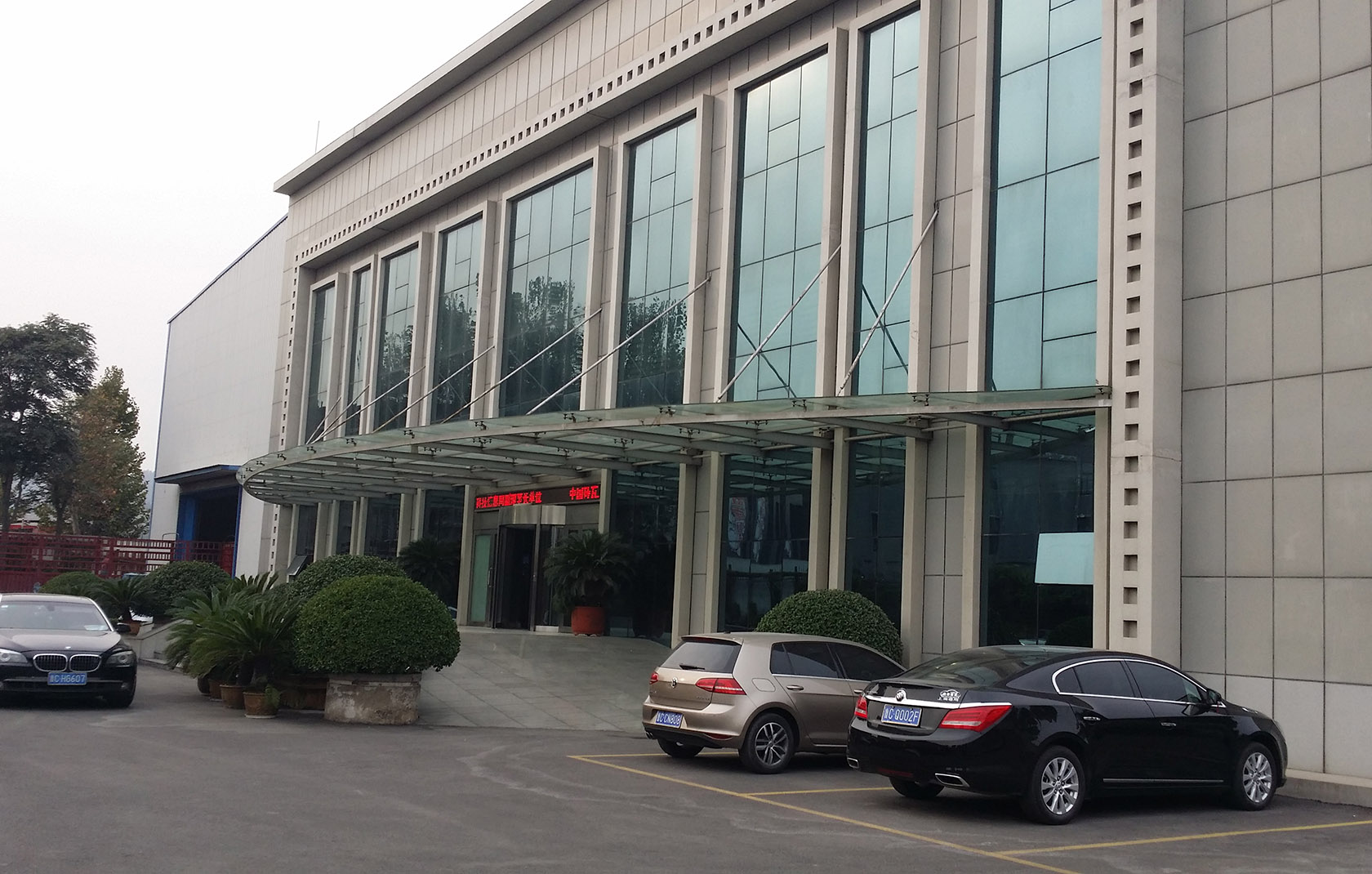
Our company covers an area of 41,000 square meters, including 15,600 square meters for production workshops and 4,000 square meters for office, R&D centers and supporting buildings. It currently has multiple engineers and more than 60 mid-to-senior technical personnel, ensuring industry-leading mechanical reliability and automated production line deployment.
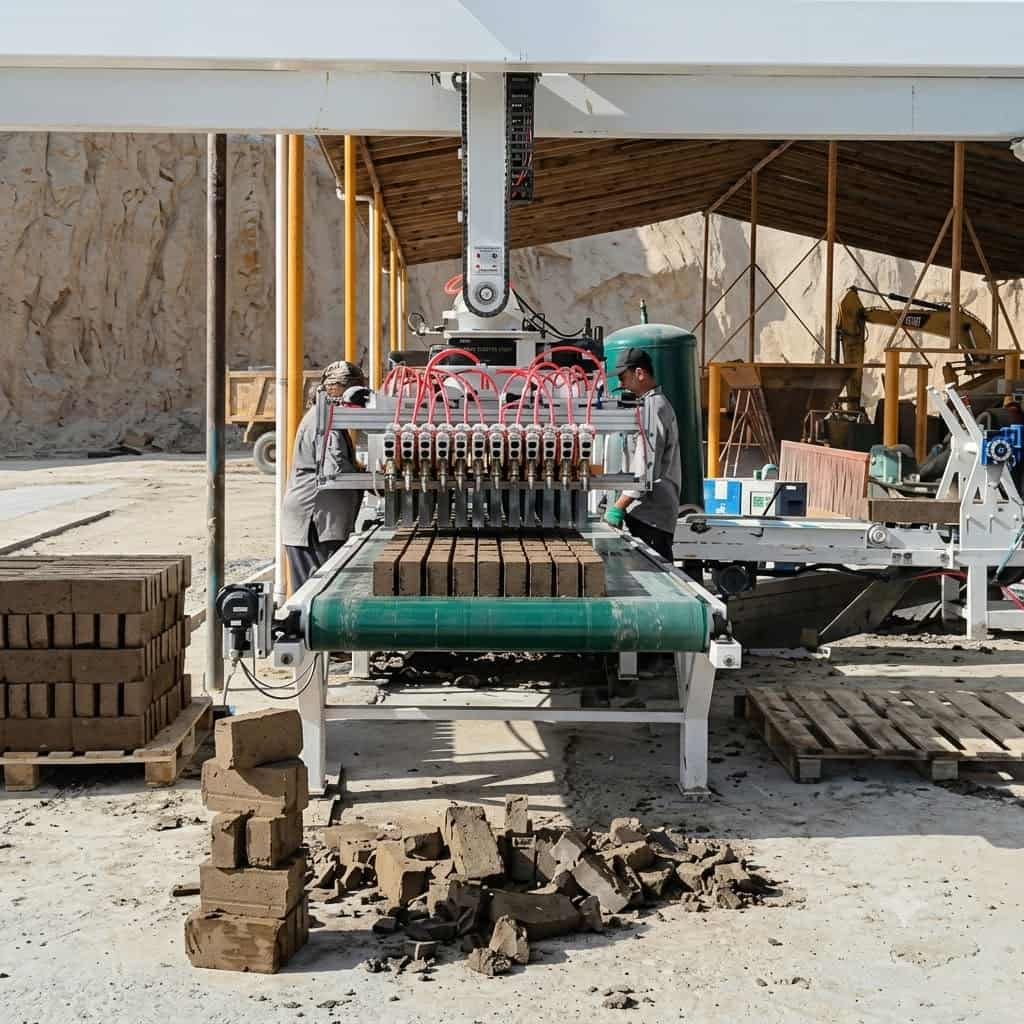
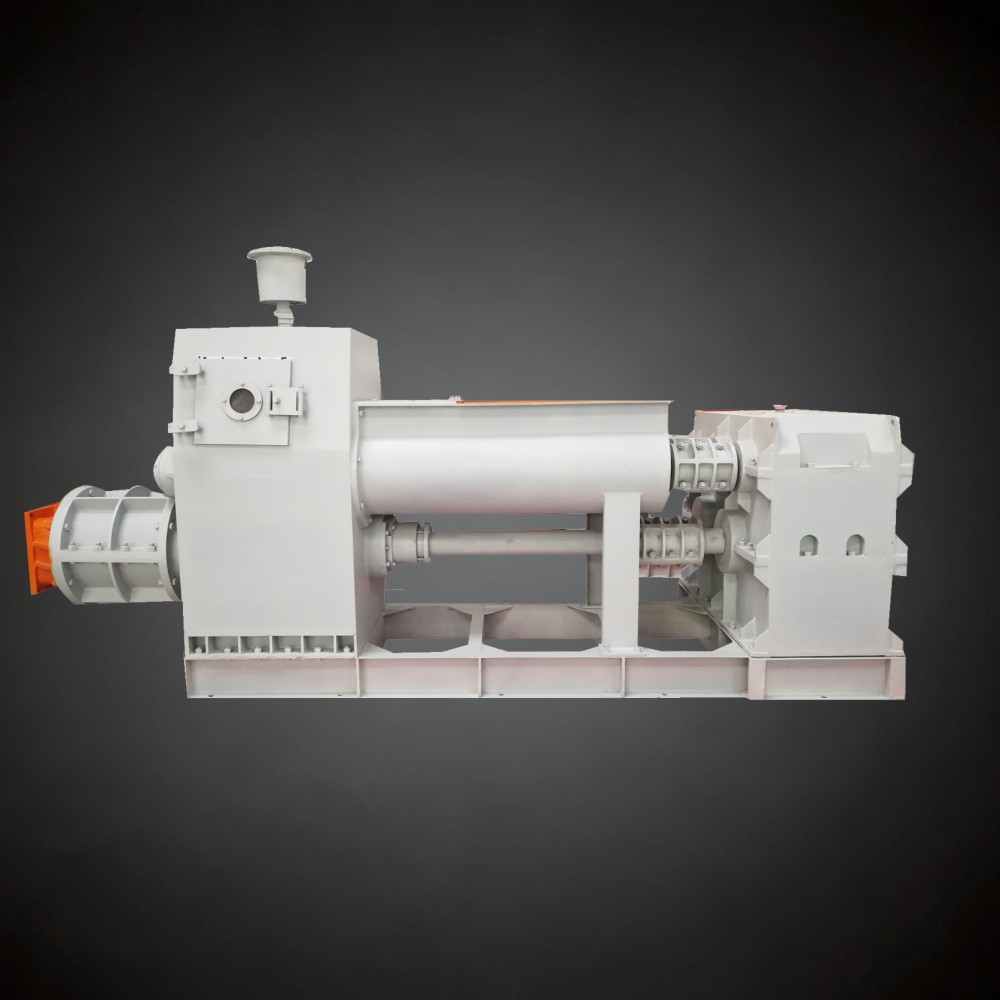
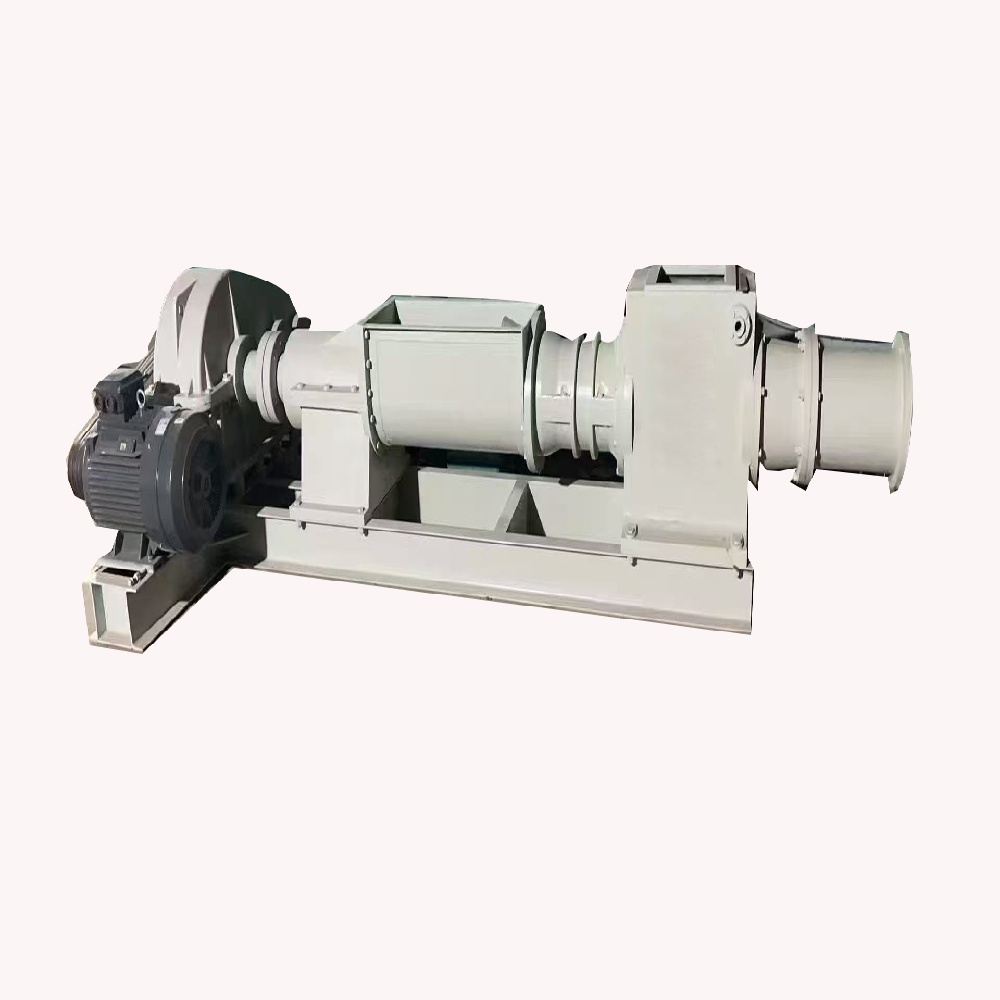
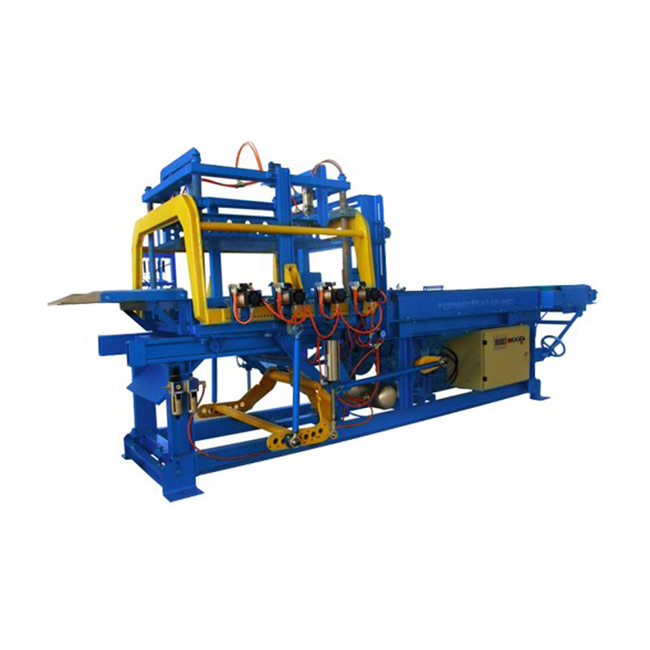
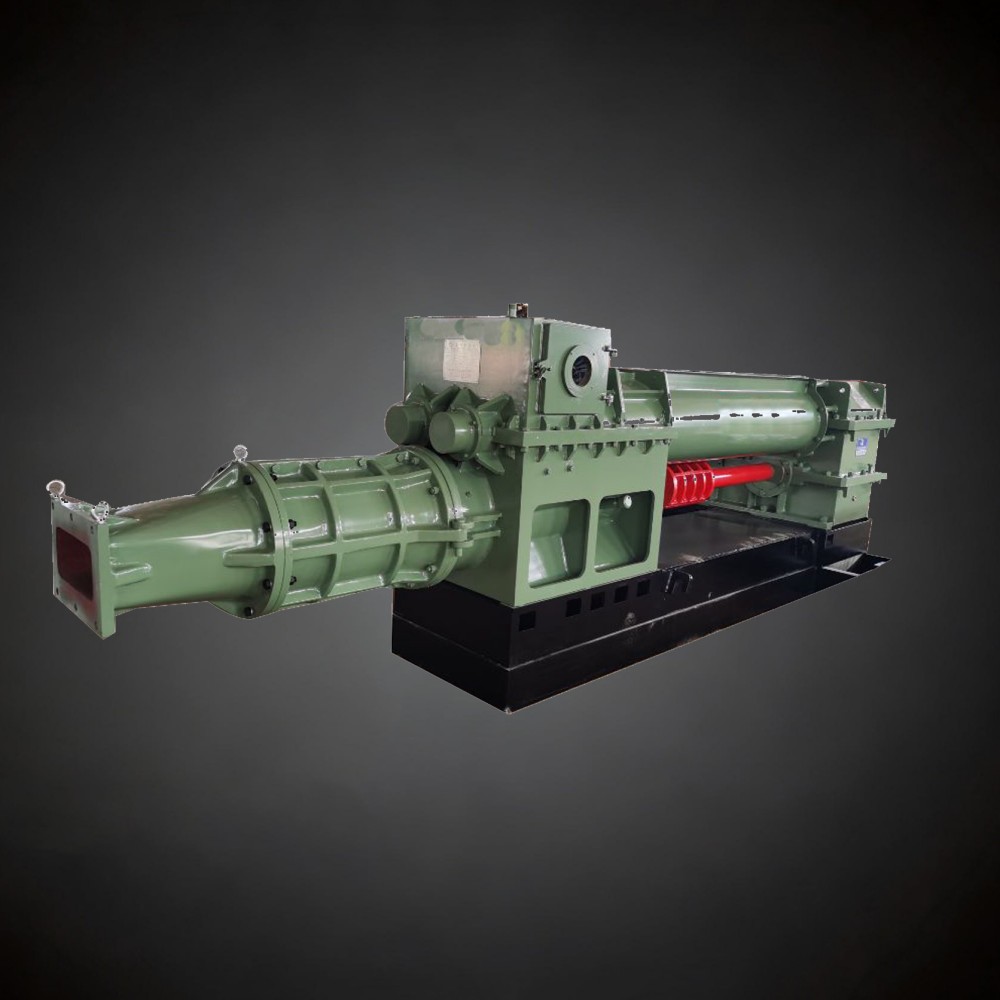
We supply all the high end equipment related with bricks and tile production, such as:
As of today, we have obtained more than 100 patents for brick kiln. We continuously enhance our technical capabilities to strive to provide customers with efficient and high-output automated brick factories, specially built for continuous year-round operation under harsh climatic demands.
Every geography in Russia presents distinct clay characteristics, energy infrastructure, and product demands. Discover our purpose-engineered solutions.
Primary Products: Premium Face Bricks, Clinker Pavers, and Terracotta Tiles.
Engineering Solution: Multi-duct single-layer chamber dryers with frequency-controlled axial fans. Guarantees zero surface efflorescence, pristine edges, and homogeneous color development essential for upscale commercial architectural projects in Saint Petersburg and Moscow.
Primary Products: Large-format Porous Hollow Blocks (2.1 NF up to 14.3 NF Keramobloki).
Engineering Solution: High-volume rapid tunnel dryers utilizing direct kiln excess air. Designed with localized micro-ventilation to accelerate moisture removal from delicate internal thin-wall webs without structural warpage or internal micro-fractures.
Primary Products: Solid Standard Bricks (1 NF) & Heavy Foundation Blocks (M200).
Engineering Solution: Heavy insulated tunnel drying ovens featuring automated pre-heating vestibules. Protects green wet bricks entering from extruders in sub-zero workshop ambients, completely eradicating cold-shock dunting and production stoppages.
Ensuring Russian and international customers complete peace of mind through a comprehensive service ecosystem, certified mineralogical testing, and long-term remote telemetry.
Comprehensive raw clay chemical/plasticity testing, energy balance calculation, 3D factory layout planning, and custom kiln/dryer capacity sizing.
Heavy mechanical precision fabrication, on-site supervision by veteran engineers, cold-weather masonry construction, and electrical SCADA integration.
Pilot extrusion trials, thermodynamic ramp balancing, cloud-connected diagnostics, and comprehensive local operator technical training.
Lifetime wear parts supply, scheduled maintenance audits, energy optimization audits, and continuous production yield monitoring.
Addressing critical engineering, fuel economy, and operational inquiries regarding clay drying modernizations.
Our systems incorporate an automatic heated air vestibule with positive pressure seals. Before green bricks enter the main drying zone, they pass through a pre-heating channel fed with medium-enthalpy recycled air, elevating product surface temperature above the dew point so moisture never condenses back onto fresh bricks.
Single-layer tunnel dryers offer rapid drying (typically 3 to 6 hours) with ultra-uniform exposure, ideal for large automated lines producing facing and clinker bricks without manual handling. Multi-layer chamber dryers are exceptionally versatile for high-variety plants, accommodating varying block sizes and clays with high shrinkage sensitivity indices.
Yes. Cadier engineering teams design custom insulated stainless ducting systems and variable-frequency fan stations to harvest clean waste hot air from kiln cooling zones. This thermal energy is safely piped directly to the dryer mixing chambers, cutting auxiliary fuel usage by 70% to 100% during full kiln runs.
Mechanical strength and frost resistance depend heavily on microstructural homogeneity. By eliminating moisture gradients during the critical shrinkage phase (from 18% down to 6% moisture), our dryers eliminate hidden internal micro-cracks, ensuring fired bricks achieve full vitrification and zero structural voids during kiln firing.
Browse our complete catalog of patented extruders, automated cutters, stacking robotics, drying chambers, and advanced firing kilns.