请留言
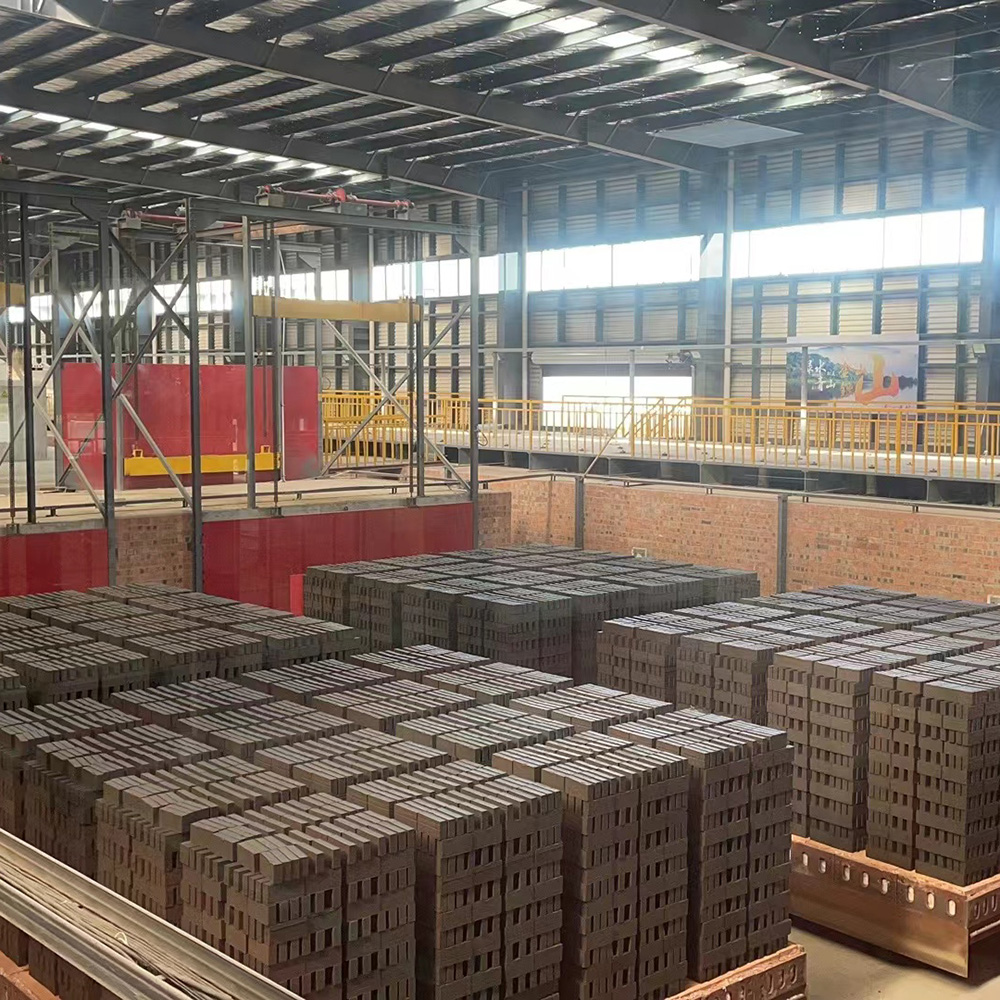
The construction sector in Riyadh, Saudi Arabia, is experiencing an unprecedented renaissance. Driven by the ambitious goals of Saudi Vision 2030, the capital city is transforming into a global hub of modern infrastructure, commercial complexes, and massive residential developments. Mega-projects such as the King Salman Park, Qiddiya, and the expansion of residential sub-districts under the Ministry of Housing require billions of durable, high-quality, and thermally efficient building blocks. Among these, clay bricks remain the premier choice for architects and builders due to their natural thermal insulation, structural integrity, and ecological compatibility with the harsh Arabian desert climate.
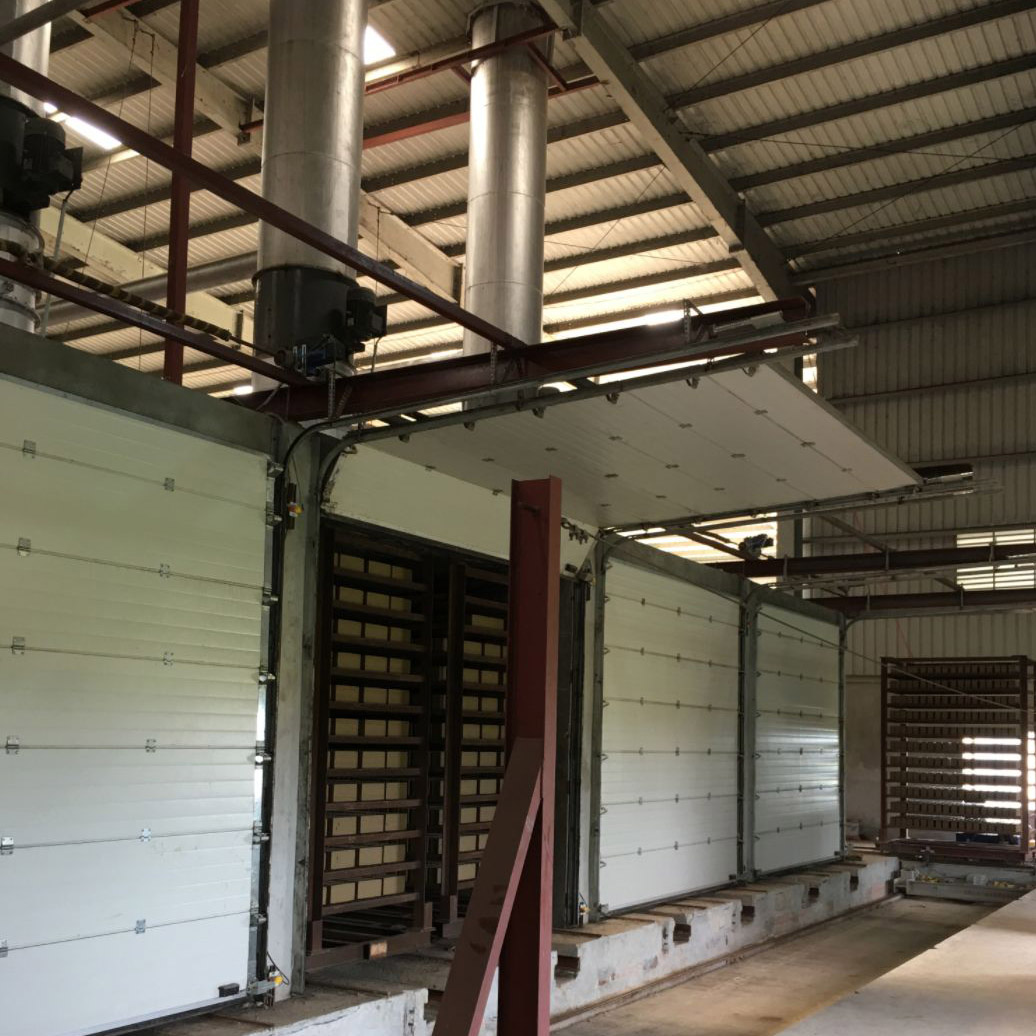
However, producing clay bricks that meet the stringent standards of the Saudi Building Code (SBC) requires advanced manufacturing technologies. In the heart of this industrial evolution lies the clay bricks dryer. In Riyadh's hot and arid environment, uncontrolled open-air drying leads to rapid water loss, causing severe warping, cracking, and structural weakness in green bricks. To combat this, modern brick factories in Riyadh are rapidly upgrading to automated, closed-loop industrial drying chambers. As a leading Clay Bricks Dryer Factory & Supplier, Henan Cadier Green Building Technology Co., Ltd. provides advanced thermal solutions designed to handle the specific mineral compositions of local clay, ensuring optimal drying curves and high-yield production.
Utilizing waste heat recovery from tunnel kilns to minimize operational energy costs in the high-temperature Saudi climate.
Integrated PLC control systems that monitor temperature and relative humidity in real-time, preventing cracking and shrinkage.
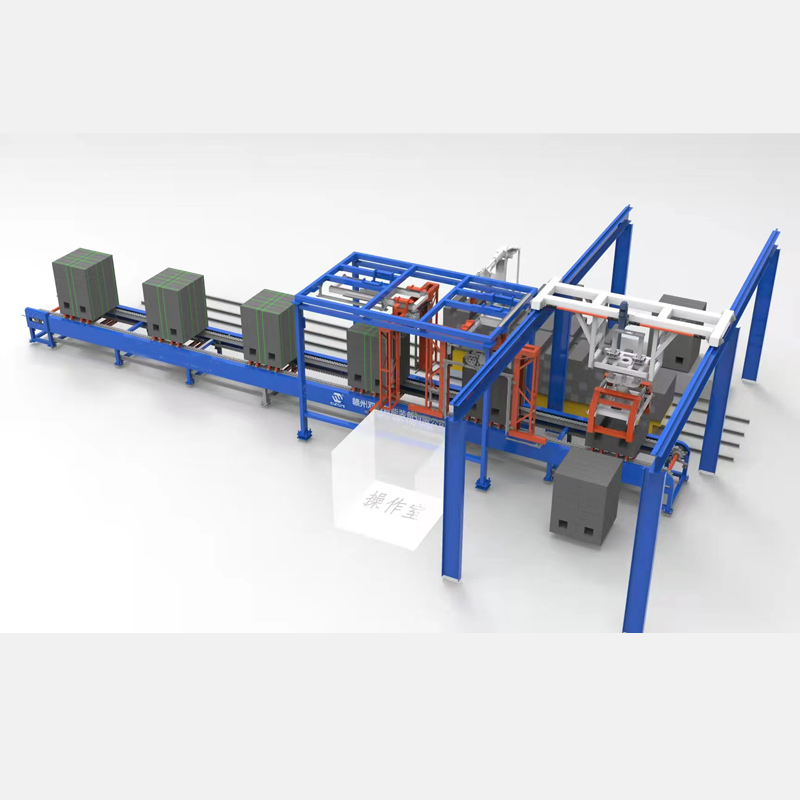
Designed to integrate seamlessly with automatic stacking and packing lines to support continuous, high-volume manufacturing.
The brick manufacturing industry in the Middle East is transitioning from labor-intensive, low-efficiency methods to highly automated, eco-friendly processes. Environmental regulations enforced by the Saudi government aim to reduce carbon emissions and optimize resource consumption across all industrial zones, including Riyadh's Second and Third Industrial Cities (MODON). This shift has placed a spotlight on the thermal design of brick factories.
Traditional multi-layer drying chambers are being replaced by high-efficiency Single-Layer Chamber Dryers and fully continuous Tunnel Dryers. These systems allow operators to precisely regulate the drying process, ensuring that the moisture content of the green bricks is reduced uniformly from roughly 18% down to less than 2% before entering the kiln. This extreme precision prevents the "steam explosion" phenomenon during firing, drastically reducing reject rates and maximizing the output of premium-grade bricks.
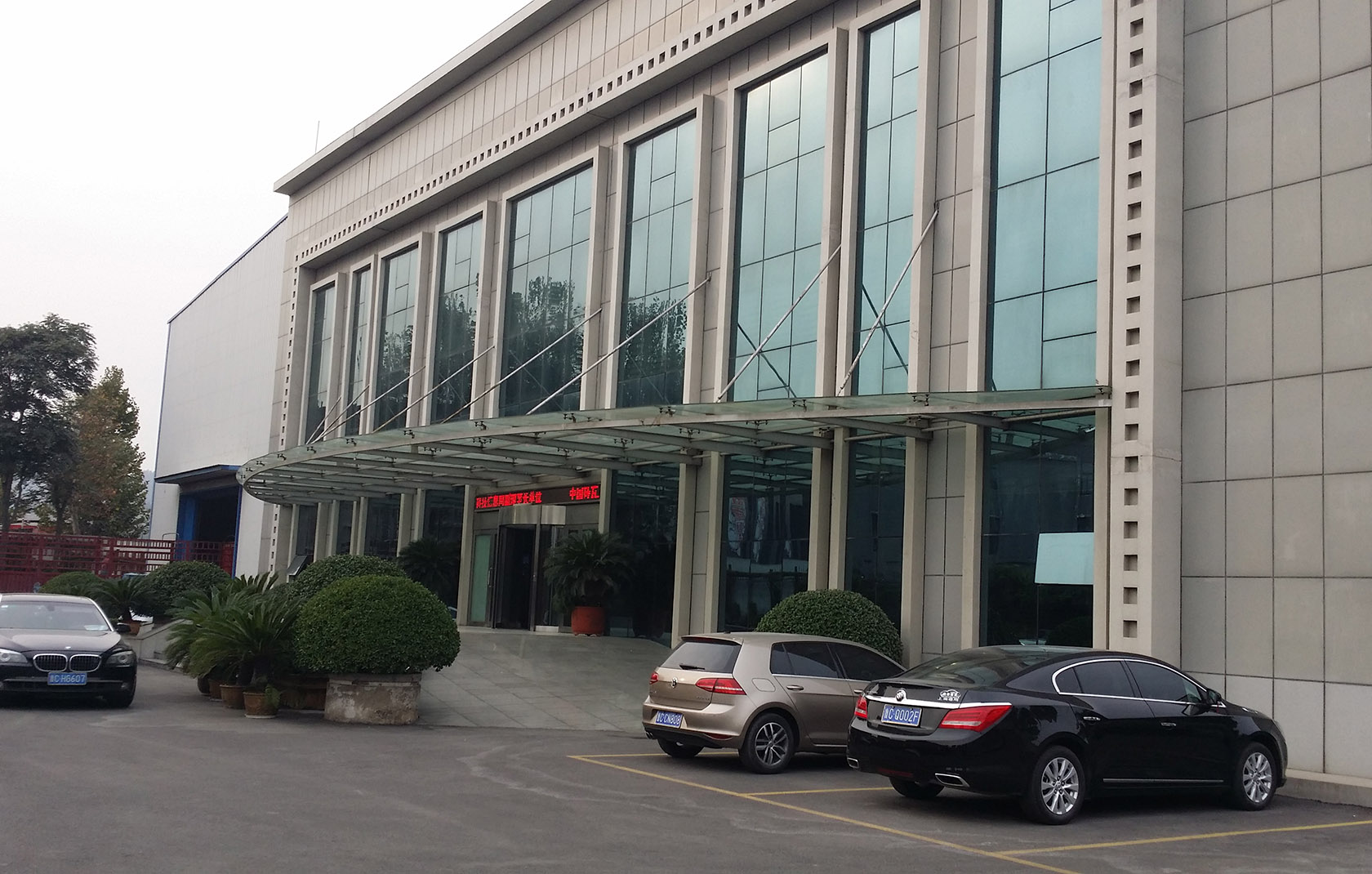
We Henan Cadier Green Building Technology Co.,Ltd are dedicated to the overall solution of large-scale production line of new energy-saving and environmentally friendly wall materials and the integration of high-end building resources since 2009.
Our company covers an area of 41,000 square meters, including 15,600 square meters for production workshops and 4,000 square meters for office, R&D centers and supporting buildings. It currently has multiple engineers and more than 60 mid-to-senior technical personnel.
Riyadh's climate poses unique challenges for heavy industrial drying systems. With summer temperatures regularly exceeding 45°C and relative humidity levels dropping below 10%, the ambient air is naturally hot and dry. While this might seem ideal for drying clay, it actually presents a major engineering hazard. Uncontrolled exposure to this ambient air causes the exterior of the clay brick to dry and shrink rapidly, while the interior remains wet. This gradient results in internal stresses, leading to micro-cracks that compromise the structural load-bearing capacity of the final fired brick.
To solve this, Cadier's engineering team customizes drying chambers with advanced humidity-injection and recirculation systems. By introducing controlled moisture back into the initial drying phase, we slow down surface evaporation, allowing the core temperature of the brick to rise uniformly. As the brick warms up, the humidity is gradually decreased in a controlled, multi-stage process. This scientific approach ensures that the clay structure remains stable, delivering flawless bricks suitable for Riyadh's high-rise and load-bearing architectural projects.
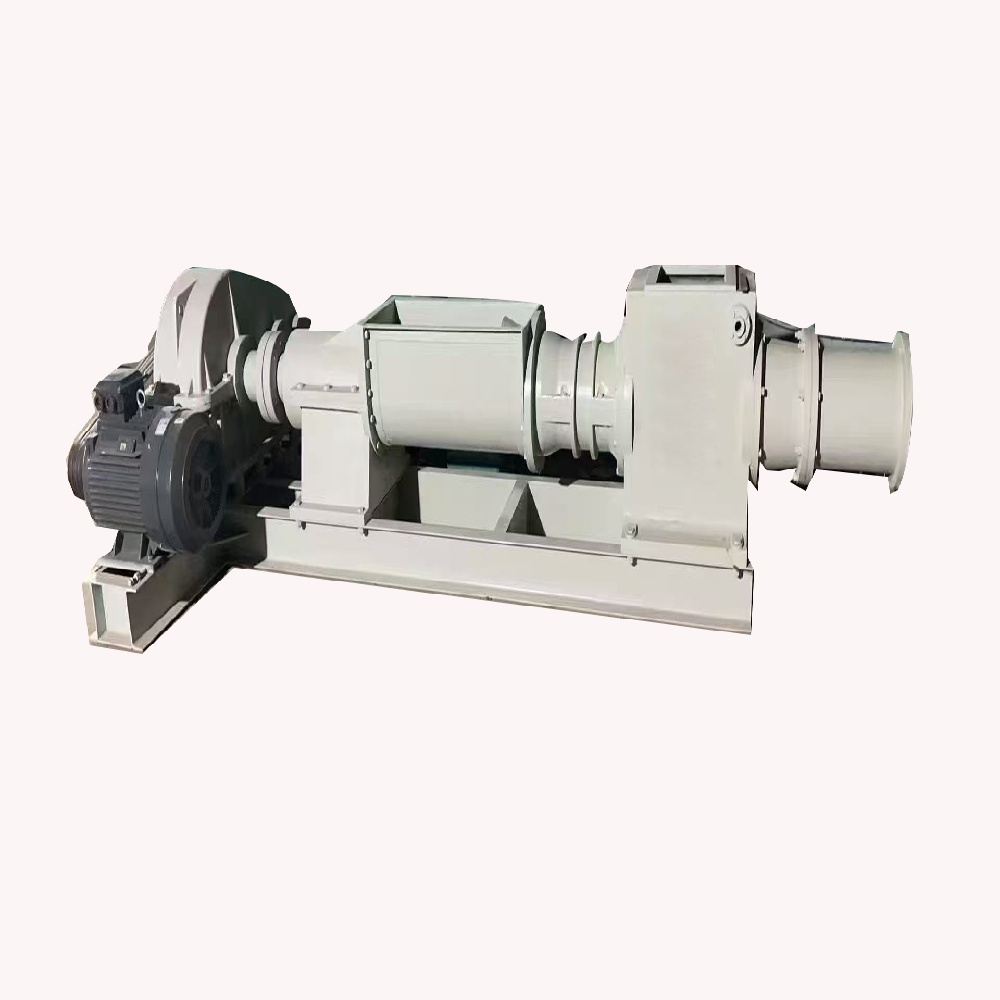
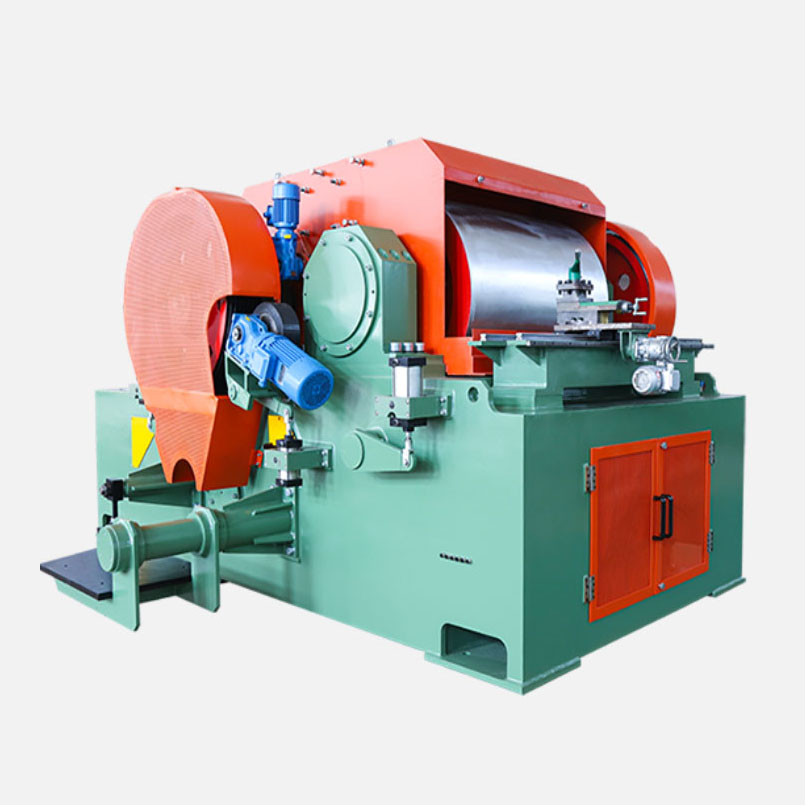
We supply all the high end equipment related with bricks and tile production, such as:
As of today, we have obtained more than 100 patents for brick kiln. We continuously enhance our technical capabilities to strive to provide customers with efficient and high-output automated brick factories.
When setting up or upgrading a clay brick plant in Riyadh, selecting the appropriate drying system is one of the most critical decisions. The choice typically depends on the clay's plastic properties, the factory's production capacity, and the level of automation desired. Below is a comparison to help Riyadh manufacturers make an informed choice:
Single-layer chamber dryers are highly flexible and offer superior control over the drying cycle. The green bricks are loaded onto a single layer of drying racks, which prevents structural deformation from stacking weight. This system is highly recommended for factories processing high-plasticity clay or producing complex hollow blocks and architectural tiles. The individual control of each chamber allows operators to adjust parameters for different product runs, making it an excellent choice for custom-order brick plants in Saudi Arabia.
For high-capacity, mass-production plants, tunnel dryers are the industry standard. Brick cars loaded with green bricks enter one end of the tunnel and exit the other, moving continuously through zones of gradually increasing temperature and decreasing humidity. When combined with an automated stacking system, tunnel dryers provide a seamless, touchless production line from the extruder to the kiln. This minimizes handling damage and maximizes throughput, helping suppliers meet the rapid delivery schedules of Riyadh's mega construction sites.
Ensuring customers' peace of mind through a comprehensive service ecosystem and advanced testing capabilities.
Our company provides one-stop service, ensuring customers' peace of mind. Our company is equipped with a complete set of raw material testing and inspection equipment, as well as remote services. We provide comprehensive technical support to customers from factory design, brick machine equipment selection, brick plant construction, to the later operation of the brick plant.
Investing in a modern clay brick production line is a long-term capital commitment. To ensure a rapid return on investment (ROI) in the competitive Riyadh market, factory owners must prioritize operating efficiency. Energy consumption typically accounts for over 60% of a brick factory's operational costs. By utilizing Henan Cadier’s integrated thermal systems, plants can reduce their fuel and electricity consumption substantially.
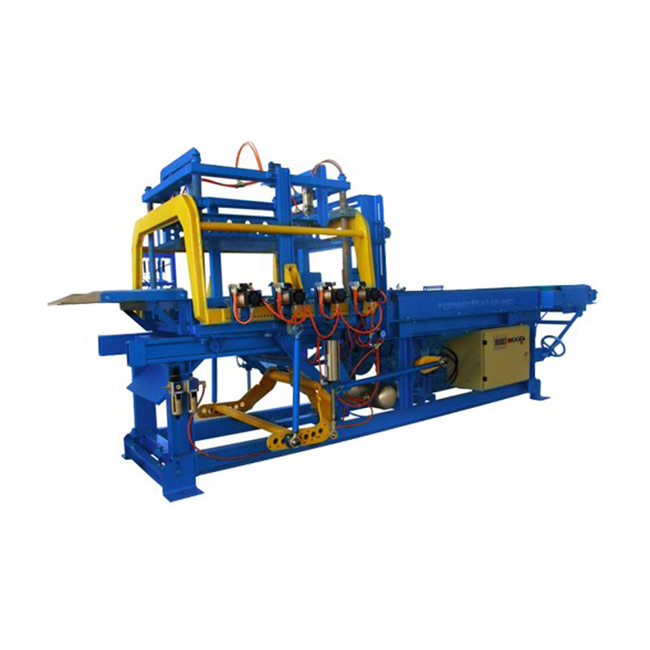
Furthermore, our fully automatic clay brick packing machines and precision auto cutters reduce reliance on manual labor. In the context of Saudi Arabia's Saudization initiatives (Nitaqat), reducing low-skilled manual labor through high-tech automation is not only cost-effective but also aligns with national regulatory trends. By automating the stacking, drying, firing, and packaging stages, factories achieve consistent product quality, minimize product breakage during transit, and secure lucrative supply contracts with major national contractors.
Riyadh's high temperatures and low humidity accelerate surface drying, which can cause severe cracking and warping if not controlled. A professional clay bricks dryer regulates the drying speed using controlled humidity recirculation, ensuring the brick dries uniformly from the inside out.
Yes, absolutely. In fact, this is the most efficient method. Our tunnel dryers and single-layer chamber dryers are engineered to channel hot exhaust air from the cooling zone of the kiln directly into the dryer. This dramatically reduces energy consumption and operational costs.
Drying time varies from 18 to 36 hours depending on the raw clay material properties, moisture content, brick shape, and the type of dryer used. Our laboratory testing services analyze your raw clay to design the optimal drying curve for your specific project.
We offer a comprehensive, one-stop service that includes raw material testing, plant layout design, equipment supply (extruders, cutters, dryers, kilns, and packaging machines), on-site installation supervision, commissioning, and remote technical support to ensure smooth operations.