
English
English Chinese Simplified Chinese Traditional French German Portuguese Spanish Russian Japanese Korean Arabic Irish Greek Turkish Italian Danish Romanian Indonesian Czech Afrikaans Swedish Polish Basque Catalan Esperanto Hindi Lao Albanian Amharic Armenian Azerbaijani Belarusian Bengali Bosnian Bulgarian Cebuano Chichewa Corsican Croatian Dutch Estonian Filipino Finnish Frisian Galician Georgian Gujarati Haitian Hausa Hawaiian Hebrew Hmong Hungarian Icelandic Igbo Javanese Kannada Kazakh Khmer Kurdish Kyrgyz Latin Latvian Lithuanian Luxembou.. Macedonian Malagasy Malay Malayalam Maltese Maori Marathi Mongolian Burmese Nepali Norwegian Pashto Persian Punjabi Serbian Sesotho Sinhala Slovak Slovenian Somali Samoan Scots Gaelic Shona Sindhi Sundanese Swahili Tajik Tamil Telugu Thai Ukrainian Urdu Uzbek Vietnamese Welsh Xhosa Yiddish Yoruba Zulu Kinyarwanda Tatar Oriya Turkmen Uyghur Abkhaz Acehnese Acholi Alur Assamese Awadish Aymara Balinese Bambara Bashkir Batak Karo Bataximau Longong Batak Toba Pemba Betawi Bhojpuri Bicol Breton Buryat Cantonese Chuvash Crimean Tatar Sewing Divi Dogra Doumbe Dzongkha Ewe Fijian Fula Ga Ganda (Luganda) Guarani Hakachin Hiligaynon Hunsrück Iloko Pampanga Kiga Kituba Konkani Kryo Kurdish (Sorani) Latgale Ligurian Limburgish Lingala Lombard Luo Maithili Makassar Malay (Jawi) Steppe Mari Meitei (Manipuri) Minan Mizo Ndebele (Southern) Nepali (Newari) Northern Sotho (Sepéti) Nuer Occitan Oromo Pangasinan Papiamento Punjabi (Shamuki) Quechua Romani Rundi Blood Sanskrit Seychellois Creole Shan Sicilian Silesian Swati Tetum Tigrinya Tsonga Tswana Twi (Akan) Yucatec Maya
请留言
    

China Tunnel Kiln Suppliers | Factory for Internal Firing Coal Clay Brick Making Equipment

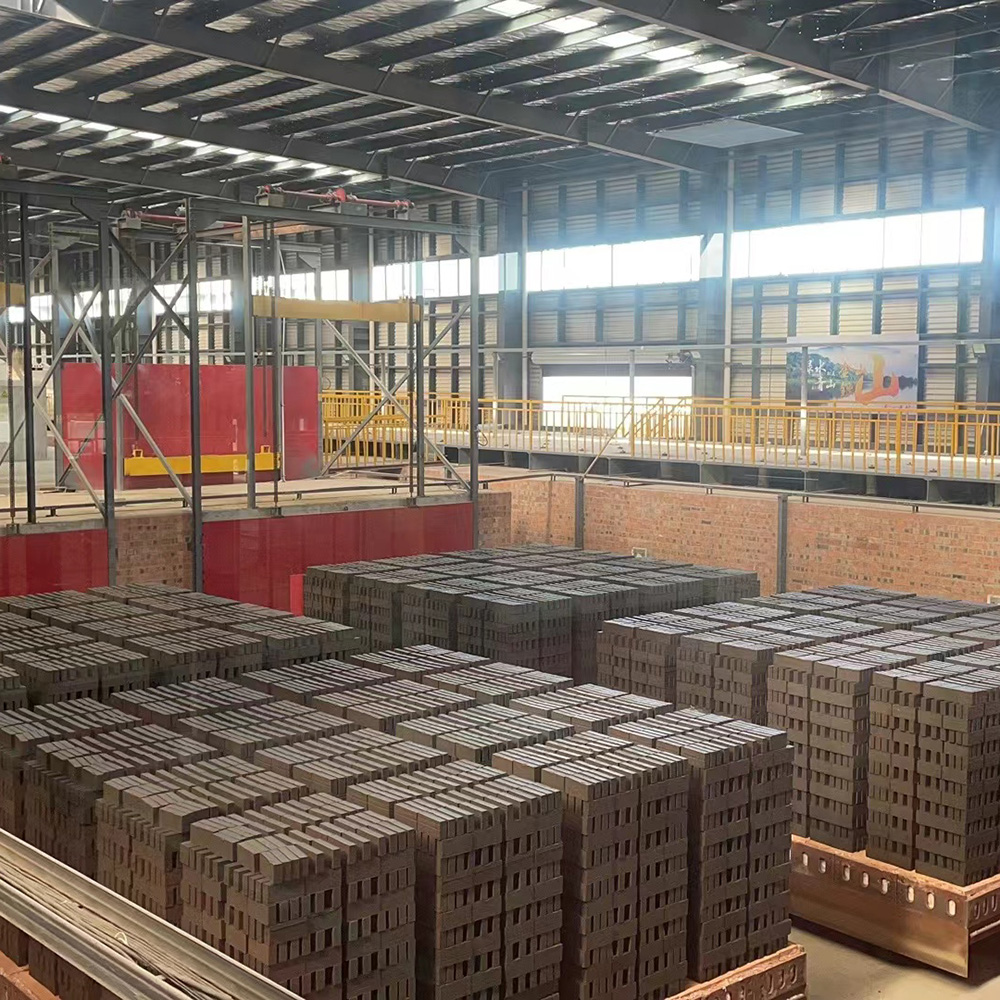
A tunnel kiln is an essential continuous firing device utilized extensively in the ceramics, brick, and glass manufacturing industries. Also known as a continuous kiln, it features a unique elongated design that supports uninterrupted production, Manufactured in China, tunnel kilns enable the efficient movement of green bricks and other ceramic products through various temperature zones, ensuring a thorough and effective firing process. As a leading factory in the industry, we collaborate with trusted suppliers to deliver high-quality tunnel kilns that enhance production capabilities and improve overall efficiency. Choose our China-based solutions for reliable and innovative kiln technology

    Equipment Introduction:

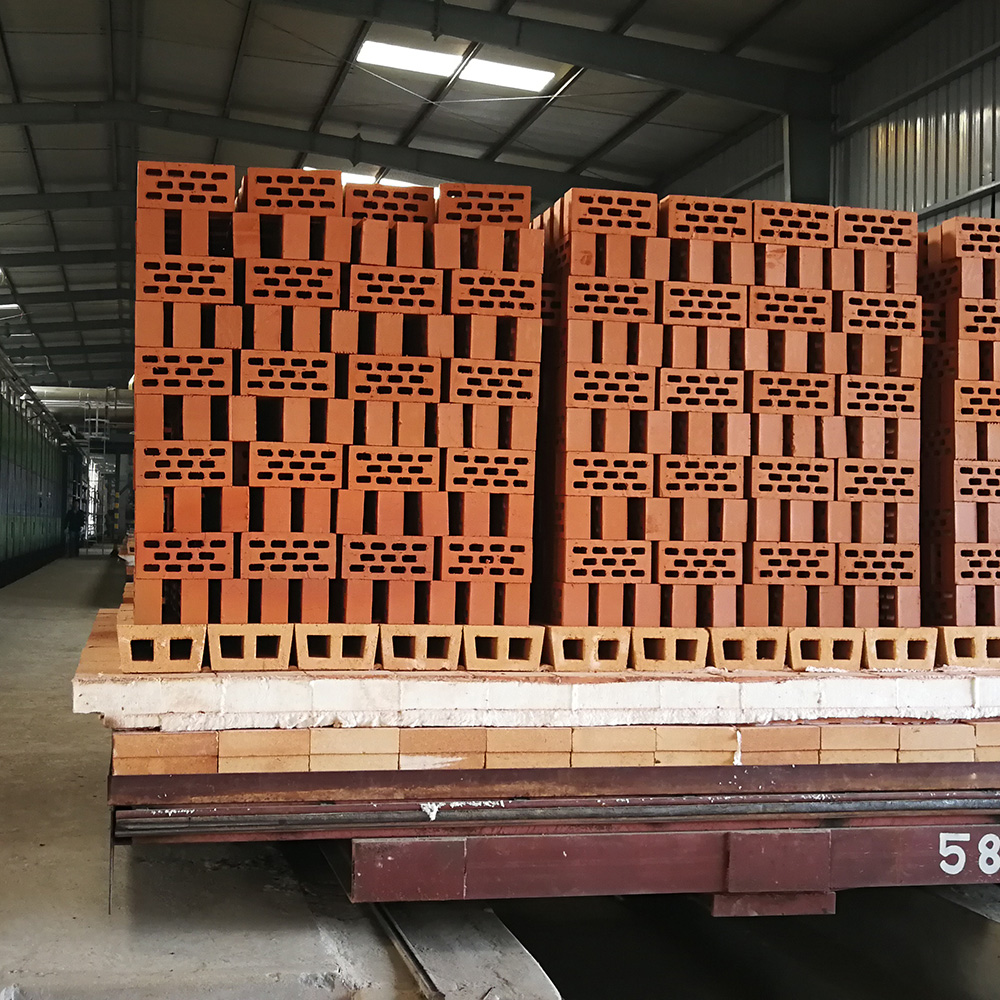
    Typically the cross section width is 2.5m, 3.6m, 4.8m, 6.9m, 9m. The top generally adopts masonry type suspended roof with refractory bricks and splicing type hanging structure with aluminum silicate fiber modules. The length of kiln cart is matched according to the product.
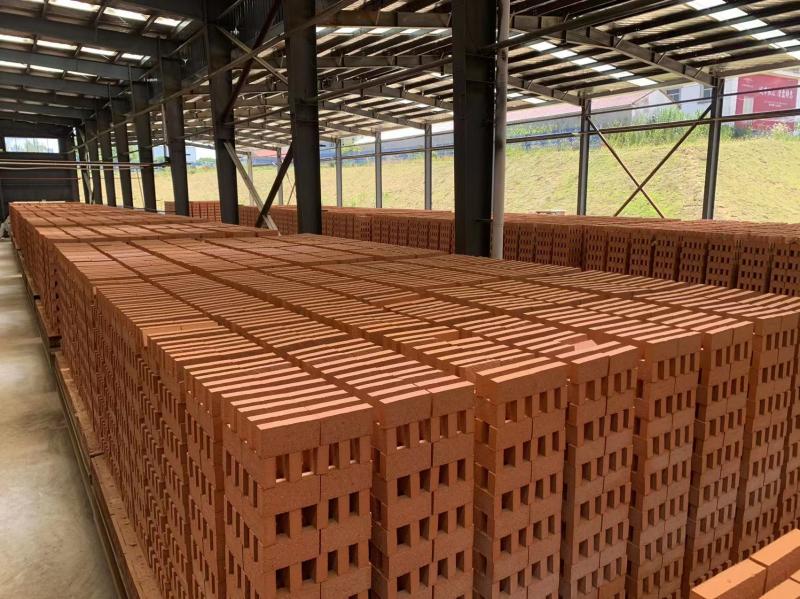

    Structure of Tunnel Kilns
    Internal firing assembly tunnel kiln (4)

    A tunnel kiln typically consists of the following main parts:

    ① Kiln Body

    The main structural part of the tunnel kiln, usually an elongated passage with tracks or rollers inside to support and move the green bricks.

    ② Preheating Zone

    The first zone that the green bricks enter after entering the kiln body, where the temperature gradually increases to remove moisture from the bricks.

    • Firing Zone: The core area of the tunnel kiln, with the highest temperature, where the bricks are sintered.
    • Cooling Zone: The zone where the fired bricks are cooled down gradually to a temperature suitable for unloading.
    • Combustion System: Provides the heat required for firing, usually including burners, fuel supply systems, and exhaust systems.
    • Ventilation System: Controls the airflow inside the kiln to ensure complete combustion and uniform temperature distribution.
    • Drive System: Used to move the green bricks through the kiln, usually including motors, chain drives, or roller drive devices.
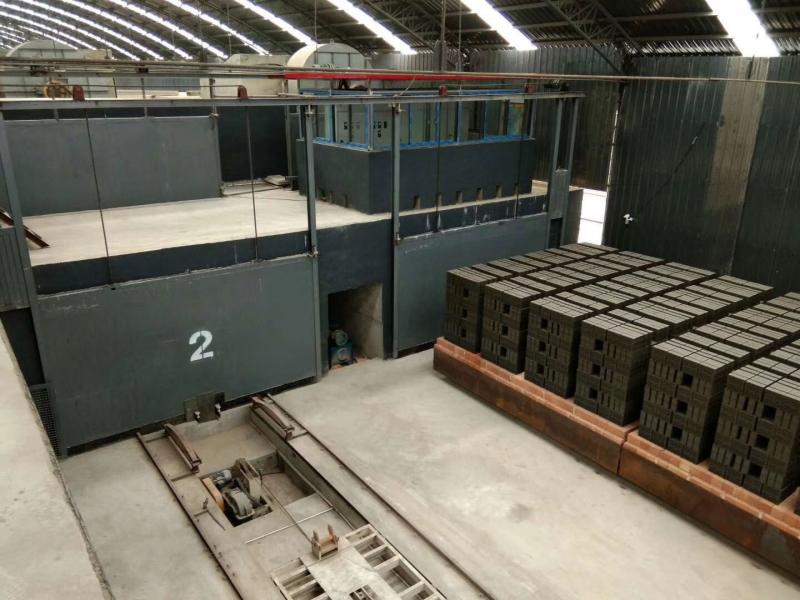
    Internal firing assembly tunnel kiln (5)

    Working Principle of Tunnel Kilns
    • The working principle of a tunnel kiln is based on a continuous production mode.
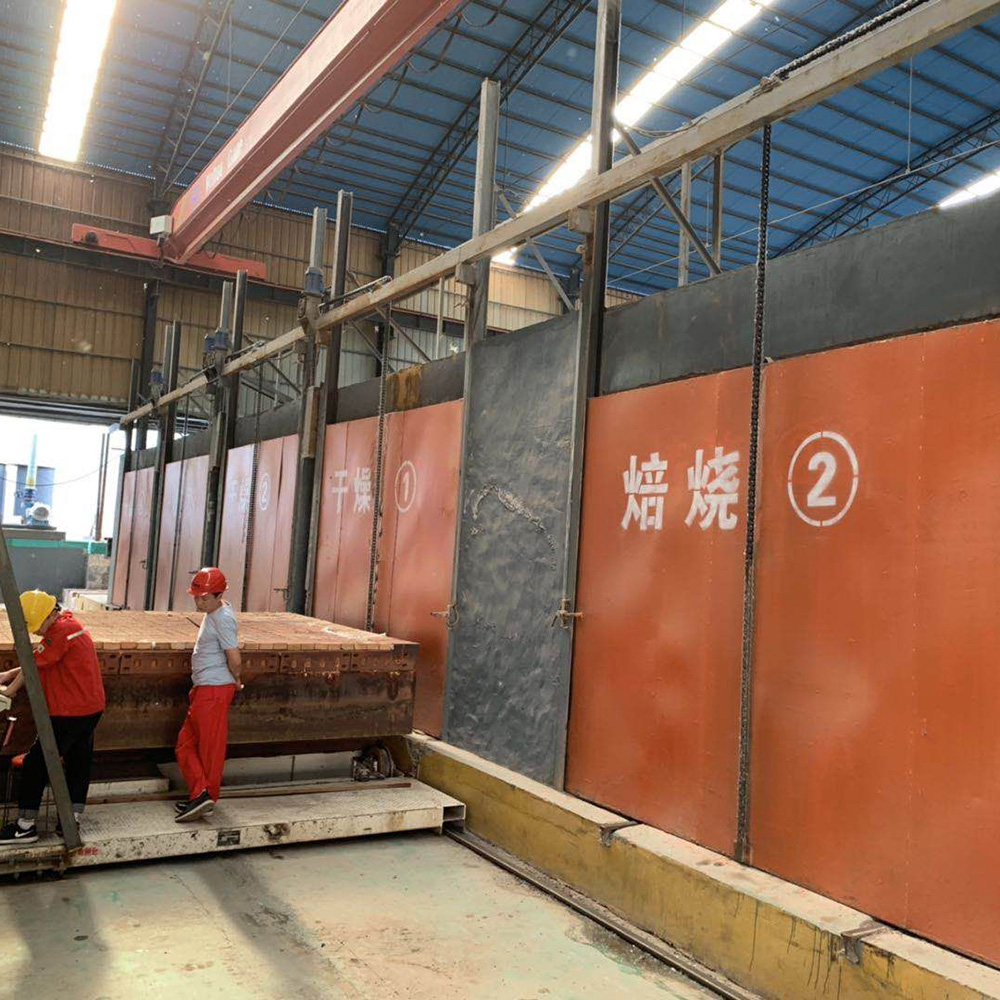
    • Green bricks are placed on kiln cars, which enter the kiln body via tracks or rollers.
    • The green bricks are gradually heated in the preheating zone to remove excess moisture, and the exhaust gases from the kiln can be recirculated to improve thermal efficiency.
    • The green bricks reach the highest temperature in the firing zone and complete the sintering process.
    • The fired bricks are gradually cooled in the cooling zone to a temperature suitable for unloading.
    • Kiln cars move continuously through the kiln, with new green bricks entering and fired bricks being unloaded, achieving continuous production.
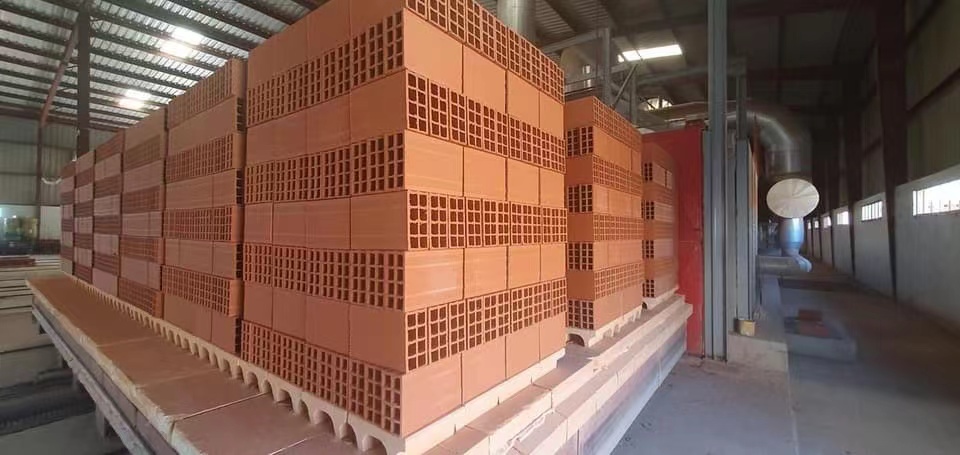
    Internal firing assembly tunnel kiln (3)

    Maintenance and Care of Tunnel Kilns

    To ensure the efficient operation and long service life of tunnel kilns, regular maintenance and care are necessary:

    • Regularly inspect the kiln body for cracks, deformations, or other damage, and repair them in a timely manner.
    • Clean the combustion system regularly, including burners and fuel supply systems, to ensure complete combustion.
    • Ensure that the ventilation ducts are unobstructed and check the normal operation of fans.
    • Inspect the operation of the drive system, including motors, chains, or roller drives, and lubricate and replace worn parts in a timely manner.
    • Regularly calibrate temperature sensors and control systems to ensure accurate temperature control.
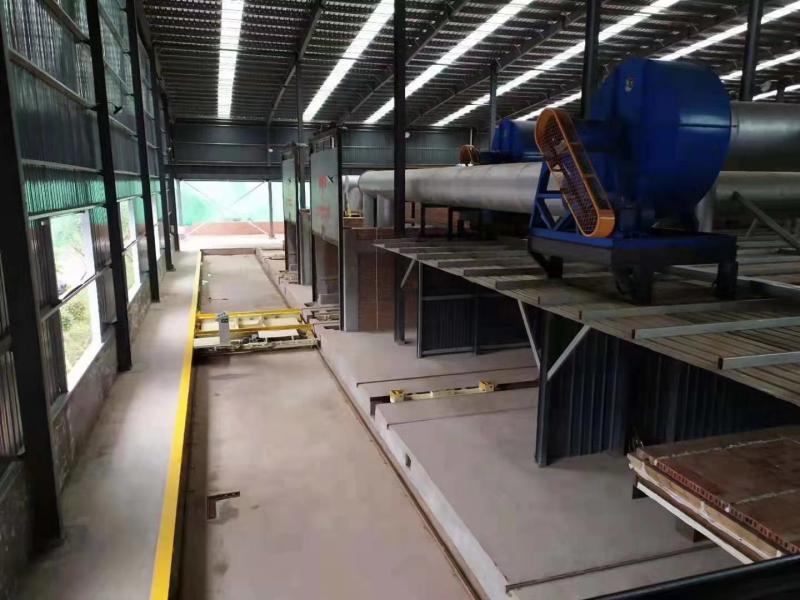
    Internal firing assembly tunnel kiln (7)

    Applications of Tunnel Kilns

    Tunnel kilns are widely used in the following fields:

    1

    Ceramics Industry
    For firing ceramic products such as tiles and sanitary ware.

    2

    Brick & Tile Industry
    For firing clay bricks, cement bricks, etc.

    3

    Glass Industry
    For firing and annealing glass products.

    4

    Refractory Materials Industry
    For firing refractory bricks and other refractory materials.
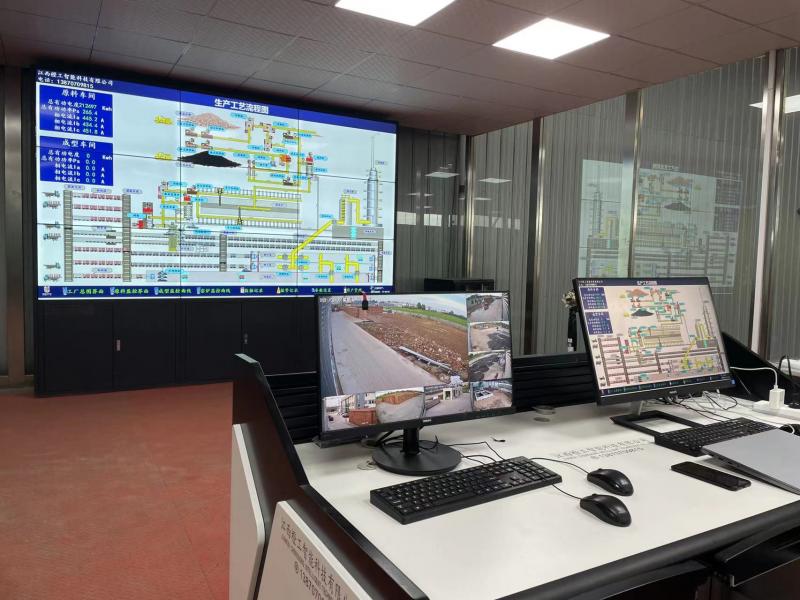
    Internal firing assembly tunnel kiln (6)

    Frequently Asked Questions
    Q What are the standard cross section widths available for tunnel kilns?
    A Tunnel kilns are typically available in cross section widths of 2.5m, 3.6m, 4.8m, 6.9m, and 9m. The length of the kiln cart is customized to match the specific product requirements.
    Q What are the three main temperature zones in a tunnel kiln?
    A A tunnel kiln operates through three key zones: the Preheating Zone, where moisture is removed from green bricks; the Firing Zone, where the highest temperature is reached for sintering; and the Cooling Zone, where fired bricks are gradually cooled before unloading.
    Q How does a tunnel kiln achieve continuous production?
    A Tunnel kilns achieve continuous production by placing green bricks on kiln cars that move steadily through the kiln on tracks or rollers. As new green bricks enter one end, fired bricks are simultaneously unloaded from the other end, enabling uninterrupted operation.
    Q What industries commonly use tunnel kilns?
    A Tunnel kilns are widely used across multiple industries, including the ceramics industry (tiles, sanitary ware), the brick and tile industry (clay bricks, cement bricks), the glass industry (firing and annealing), and the refractory materials industry (refractory bricks and materials).
    Q How often should a tunnel kiln be inspected and maintained?
    A Regular maintenance is essential for optimal performance. This includes periodic inspection of the kiln body for cracks or deformations, cleaning of the combustion system, checking ventilation ducts and fans, lubricating the drive system, and calibrating temperature sensors and control systems on a scheduled basis.
    Q What type of roof structure does the tunnel kiln use?
    A The top of the tunnel kiln generally adopts a masonry type suspended roof with refractory bricks, as well as a splicing type hanging structure using aluminum silicate fiber modules, ensuring high-temperature resistance and structural stability during operation.