
China Tunnel Kiln for Internal Firing Coal Clay Brick Making - Trusted Suppliers and Reliable Factory Solutions
Equipment Introduction
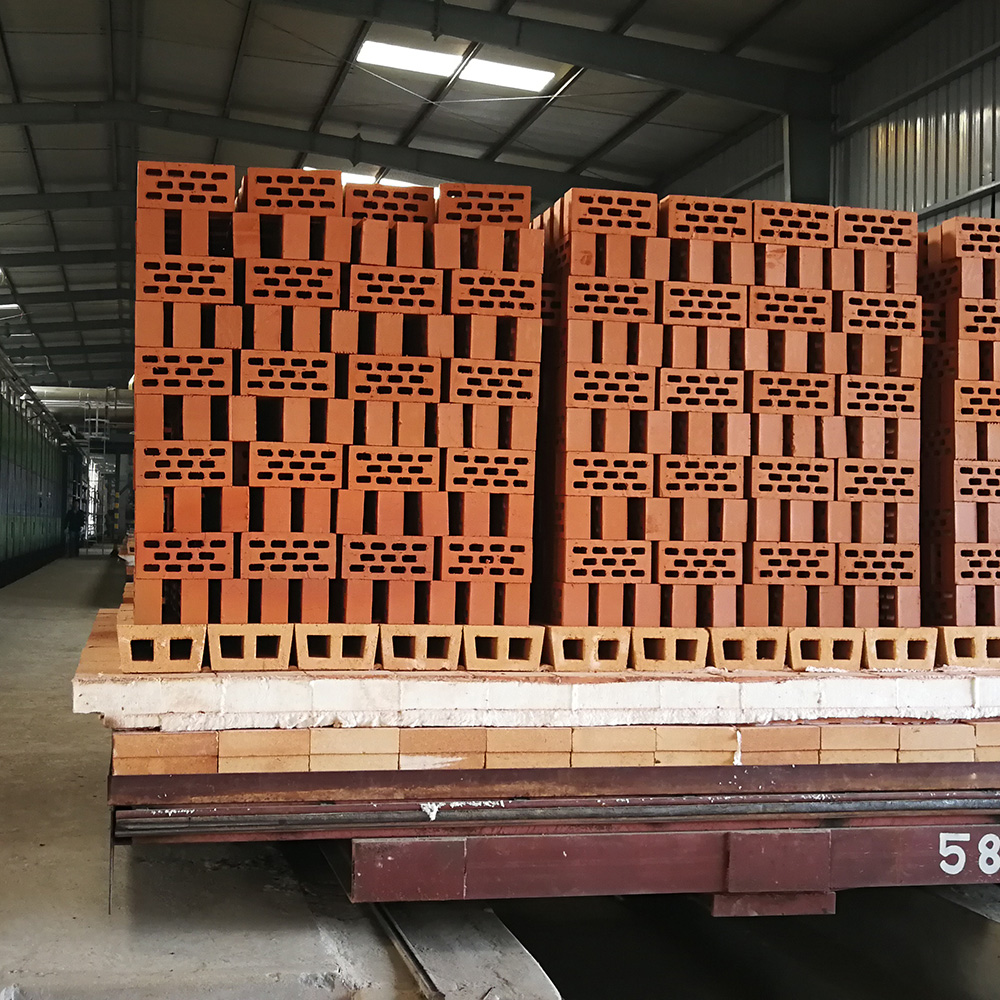
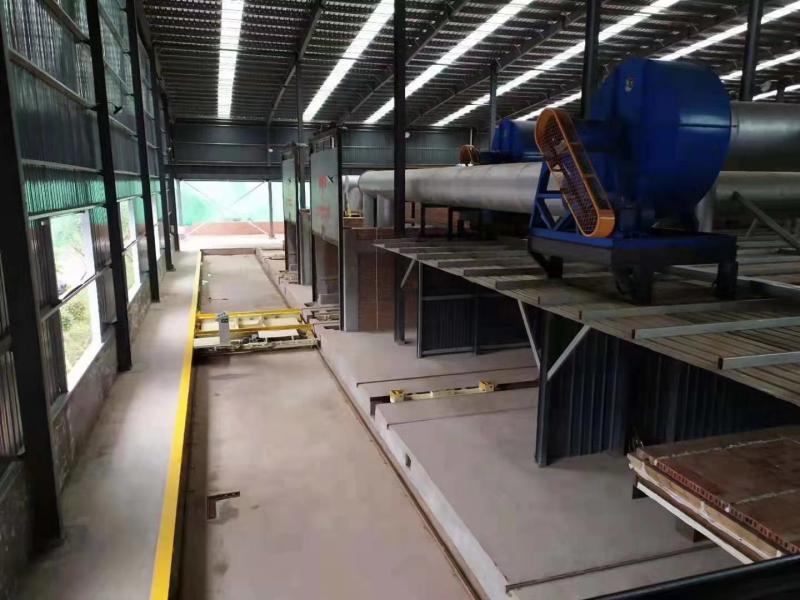
Typically the cross section width is 2.5m, 3.6m, 4.8m, 6.9m, 9m. The top generally adopts masonry type suspended roof with refractory bricks and splicing type hanging structure with aluminum silicate fiber modules. The length of kiln cart is matched according to the product.
Structure of Tunnel Kilns
A tunnel kiln typically consists of the following main parts:
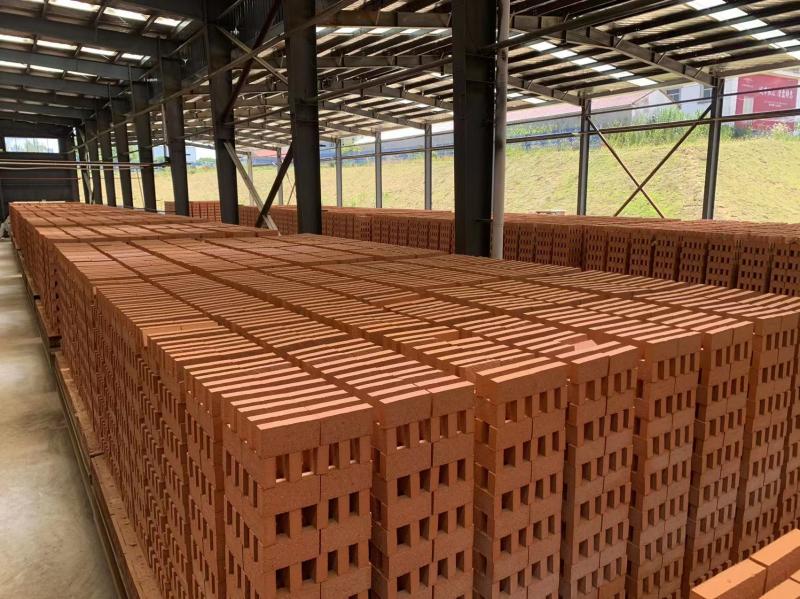
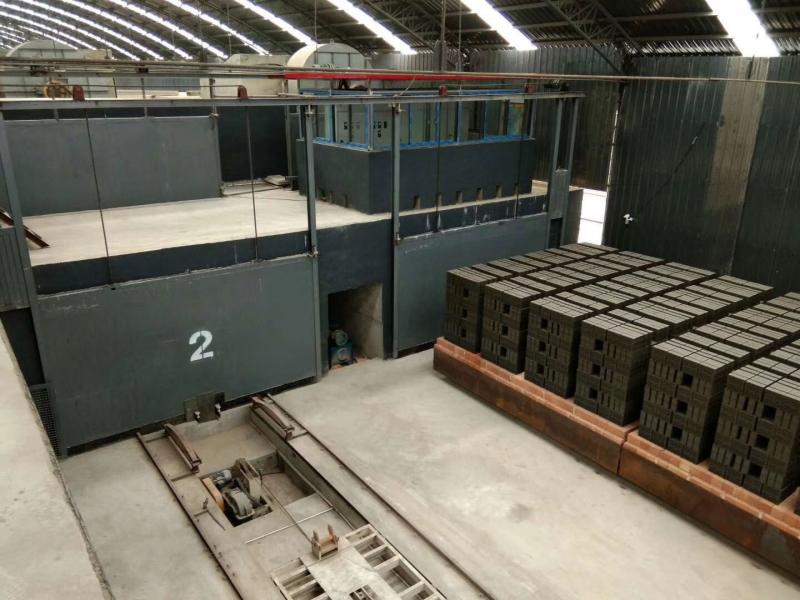
- 1 Main Passage: The main structural part of the tunnel kiln, usually an elongated passage with tracks or rollers inside to support and move the green bricks.
- 2 Preheating Zone: The first zone that the green bricks enter after entering the kiln body, where the temperature gradually increases to remove moisture from the bricks.
- 3 Firing Zone: The core area of the tunnel kiln, with the highest temperature, where the bricks are sintered.
- 4 Cooling Zone: The zone where the fired bricks are cooled down gradually to a temperature suitable for unloading.
- 5 Combustion System: Provides the heat required for firing, usually including burners, fuel supply systems, and exhaust systems.
- 6 Ventilation System: Controls the airflow inside the kiln to ensure complete combustion and uniform temperature distribution.
- 7 Drive System: Used to move the green bricks through the kiln, usually including motors, chain drives, or roller drive devices.
Working Principle of Tunnel Kilns
- 1 The working principle of a tunnel kiln is based on a continuous production mode.
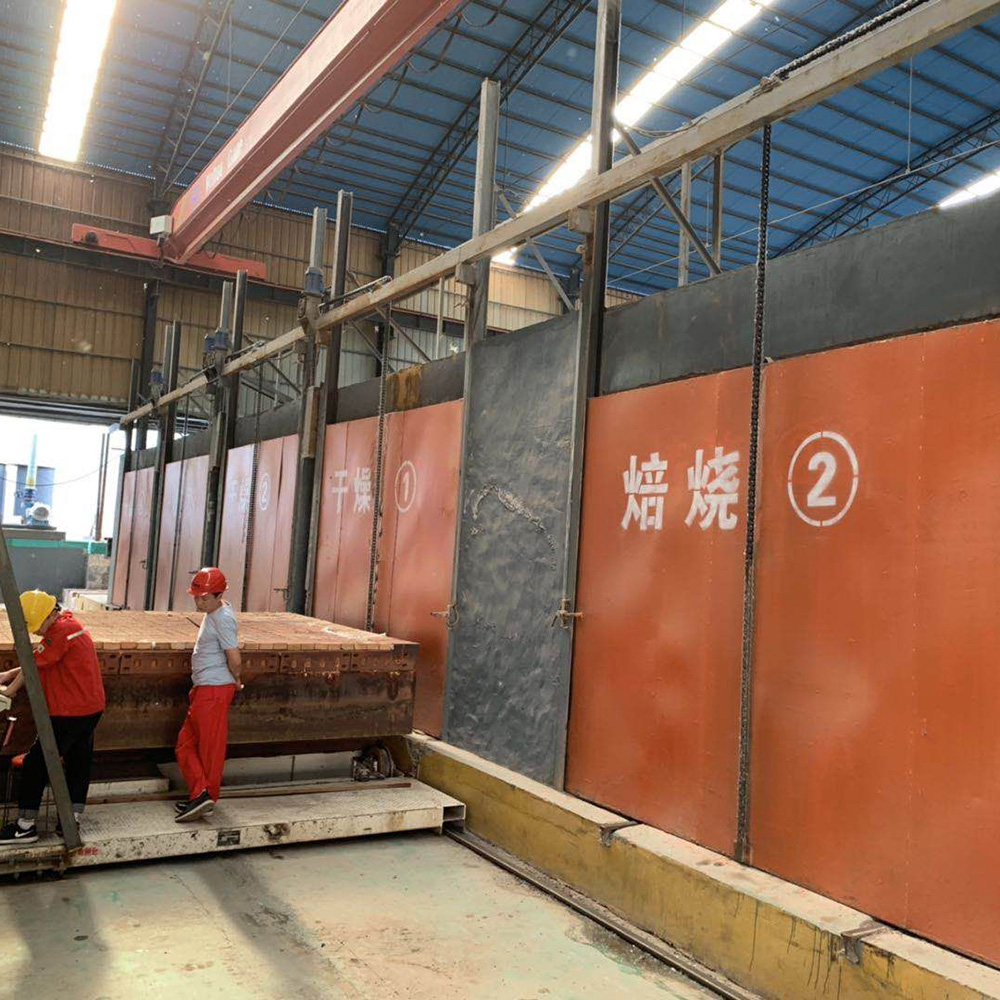
- 2 Green bricks are placed on kiln cars, which enter the kiln body via tracks or rollers.
- 3 The green bricks are gradually heated in the preheating zone to remove excess moisture, and the exhaust gases from the kiln can be recirculated to improve thermal efficiency.
- 4 The green bricks reach the highest temperature in the firing zone and complete the sintering process.
- 5 The fired bricks are gradually cooled in the cooling zone to a temperature suitable for unloading.
- 6 Kiln cars move continuously through the kiln, with new green bricks entering and fired bricks being unloaded, achieving continuous production.
Maintenance and Care of Tunnel Kilns
To ensure the efficient operation and long service life of tunnel kilns, regular maintenance and care are necessary:
- 1 Regularly inspect the kiln body for cracks, deformations, or other damage, and repair them in a timely manner.
- 2 Clean the combustion system regularly, including burners and fuel supply systems, to ensure complete combustion.
- 3 Ensure that the ventilation ducts are unobstructed and check the normal operation of fans.
- 4 Inspect the operation of the drive system, including motors, chains, or roller drives, and lubricate and replace worn parts in a timely manner.
- 5 Regularly calibrate temperature sensors and control systems to ensure accurate temperature control.
Applications of Tunnel Kilns
Tunnel kilns are widely used in the following fields:
1. Ceramics industry: For firing ceramic products such as tiles and sanitary ware.
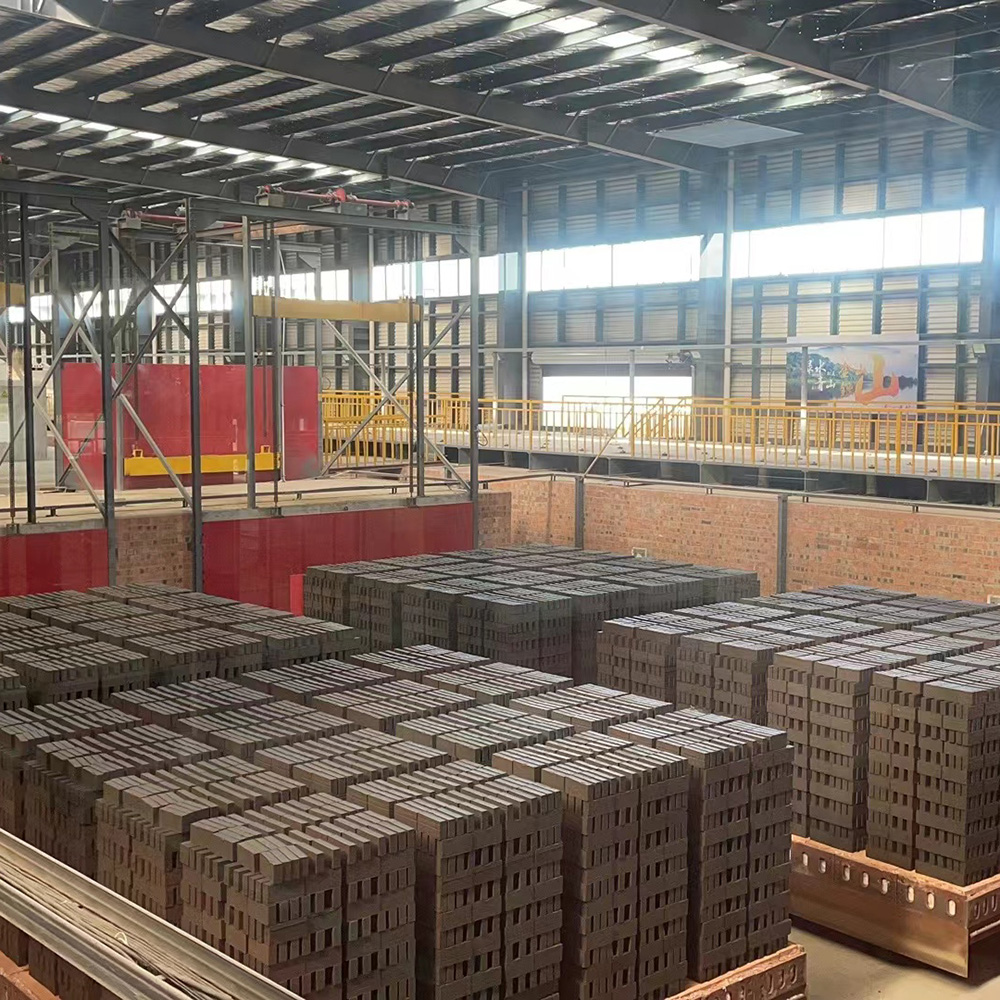
2. Brick and tile industry: For firing clay bricks, cement bricks, etc.
3. Glass industry: For firing and annealing glass products.
4. Refractory materials industry: For firing refractory bricks and other refractory materials.
Frequently Asked Questions (FAQ)
What are the typical cross section widths for tunnel kilns?
Typically, the cross section width is 2.5m, 3.6m, 4.8m, 6.9m, or 9m, with the kiln cart length customized to match specific product requirements.
What roof structures are commonly used in tunnel kilns?
The top generally adopts a masonry-type suspended roof built with refractory bricks or a splicing-type hanging structure with aluminum silicate fiber modules.
What are the primary functional zones inside a tunnel kiln?
A tunnel kiln is divided into three primary continuous zones: the Preheating Zone (moisture removal), the Firing Zone (core sintering area at peak temperature), and the Cooling Zone (gradual temperature reduction).
How does a tunnel kiln achieve continuous production?
Green bricks are loaded on kiln cars that continuously move through the preheating, firing, and cooling zones via tracks or rollers, allowing continuous entry of green bricks and unloading of fired bricks.
Which industries primarily use tunnel kilns?
Tunnel kilns are widely applied across the ceramics industry (tiles, sanitary ware), brick and tile industry (clay and cement bricks), glass industry (firing and annealing), and the refractory materials industry.
What routine maintenance is required for a tunnel kiln?
Key maintenance includes inspecting the kiln body for cracks or deformation, cleaning burners and fuel systems, ensuring ventilation ducts and fans are clear, lubricating drive systems, and regularly calibrating temperature sensors.