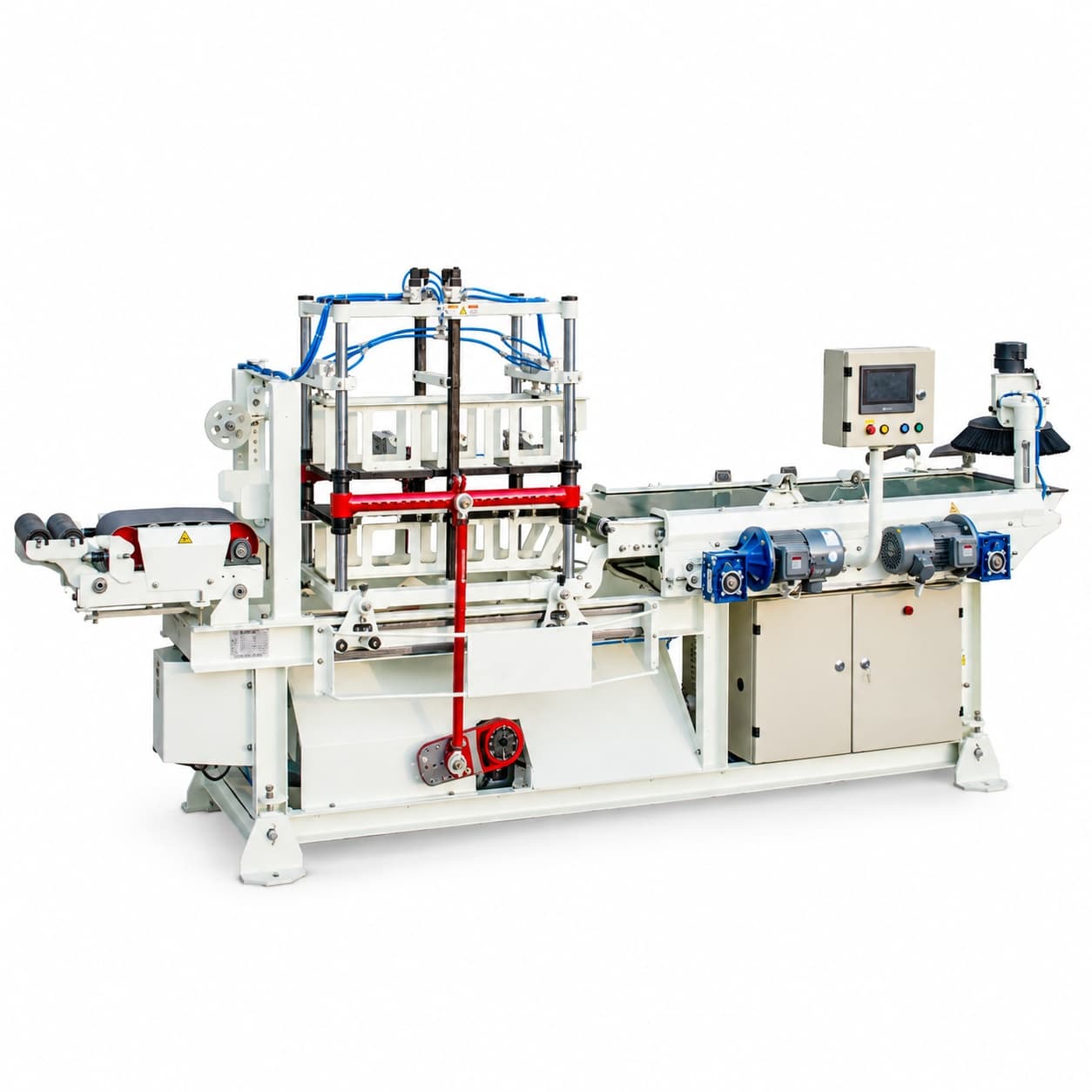
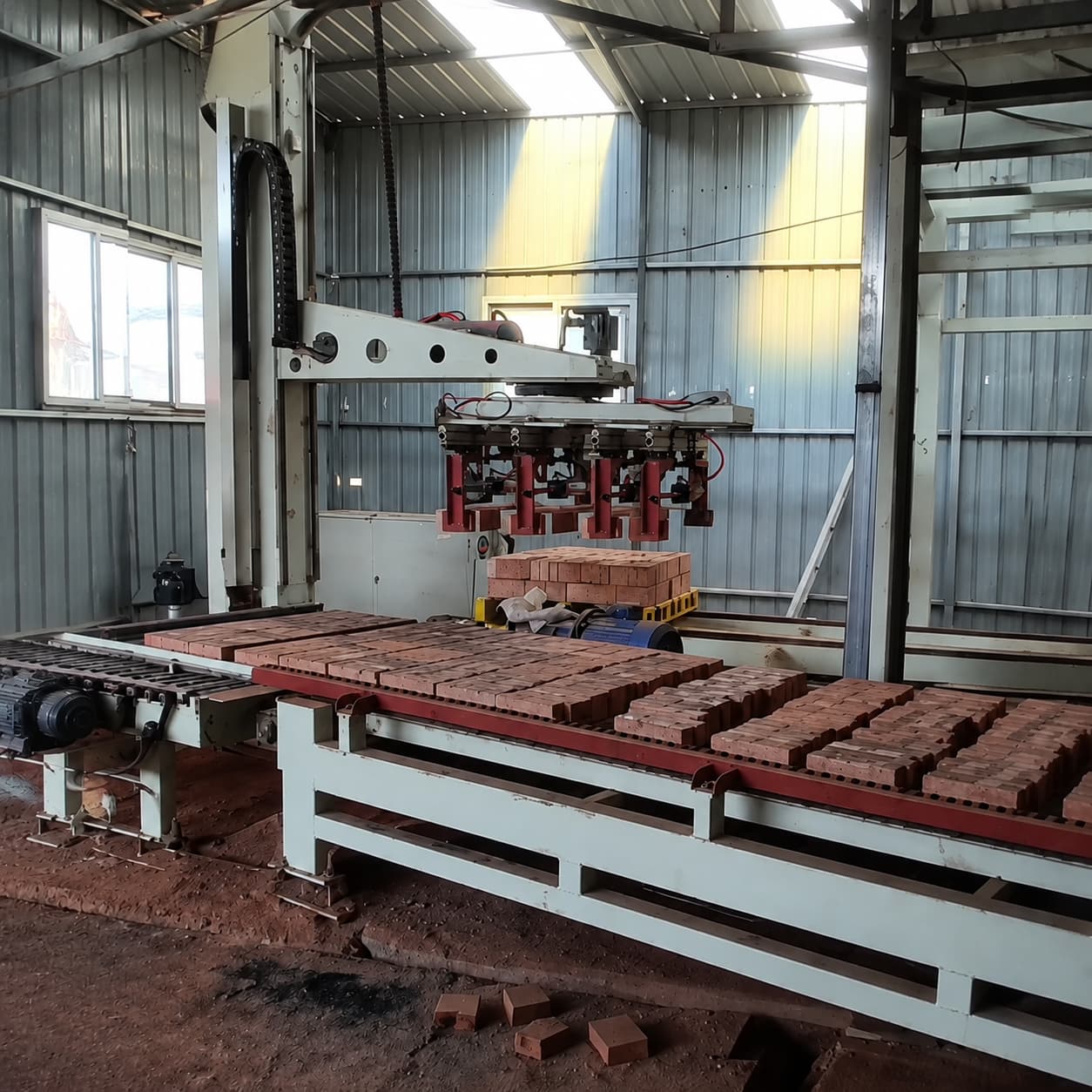
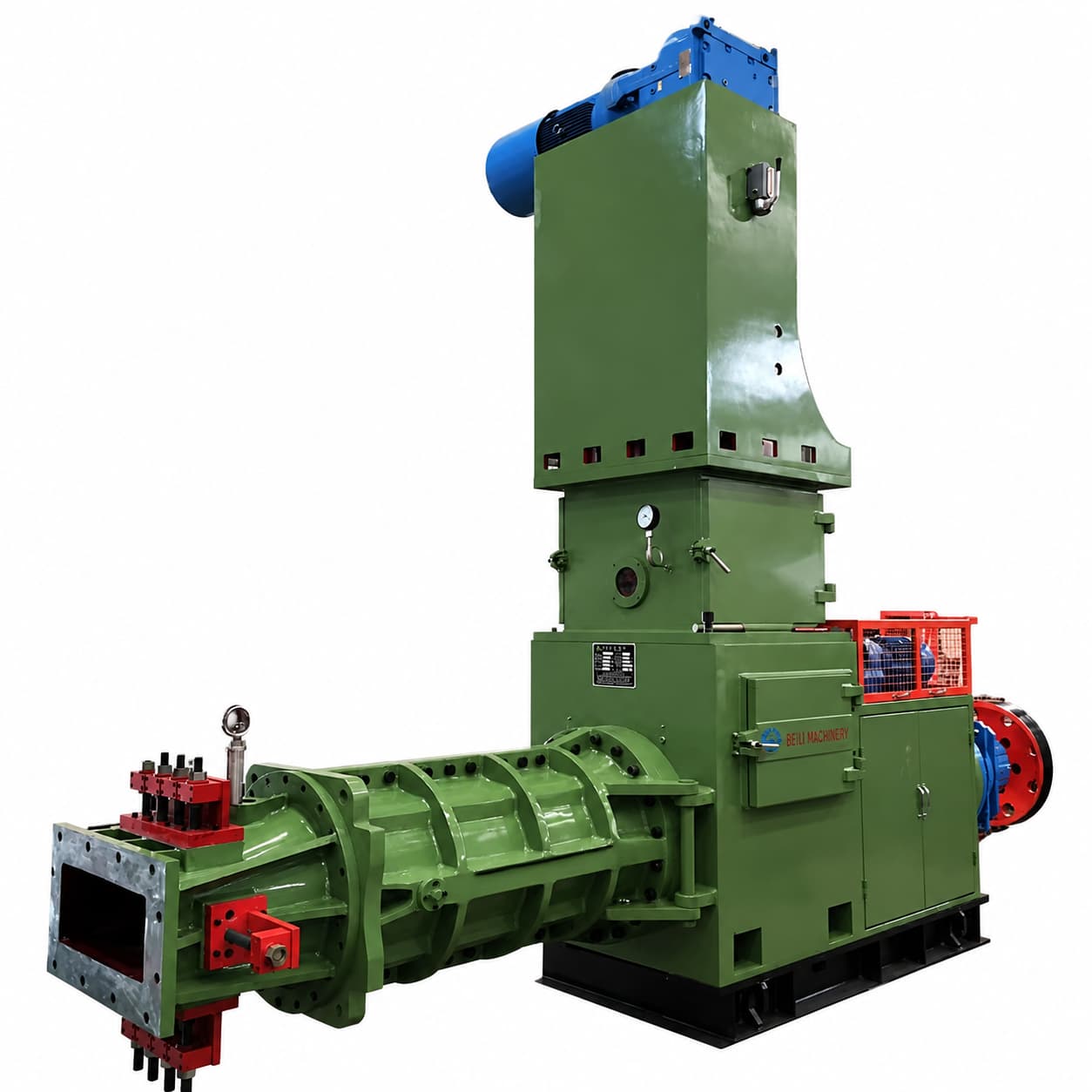
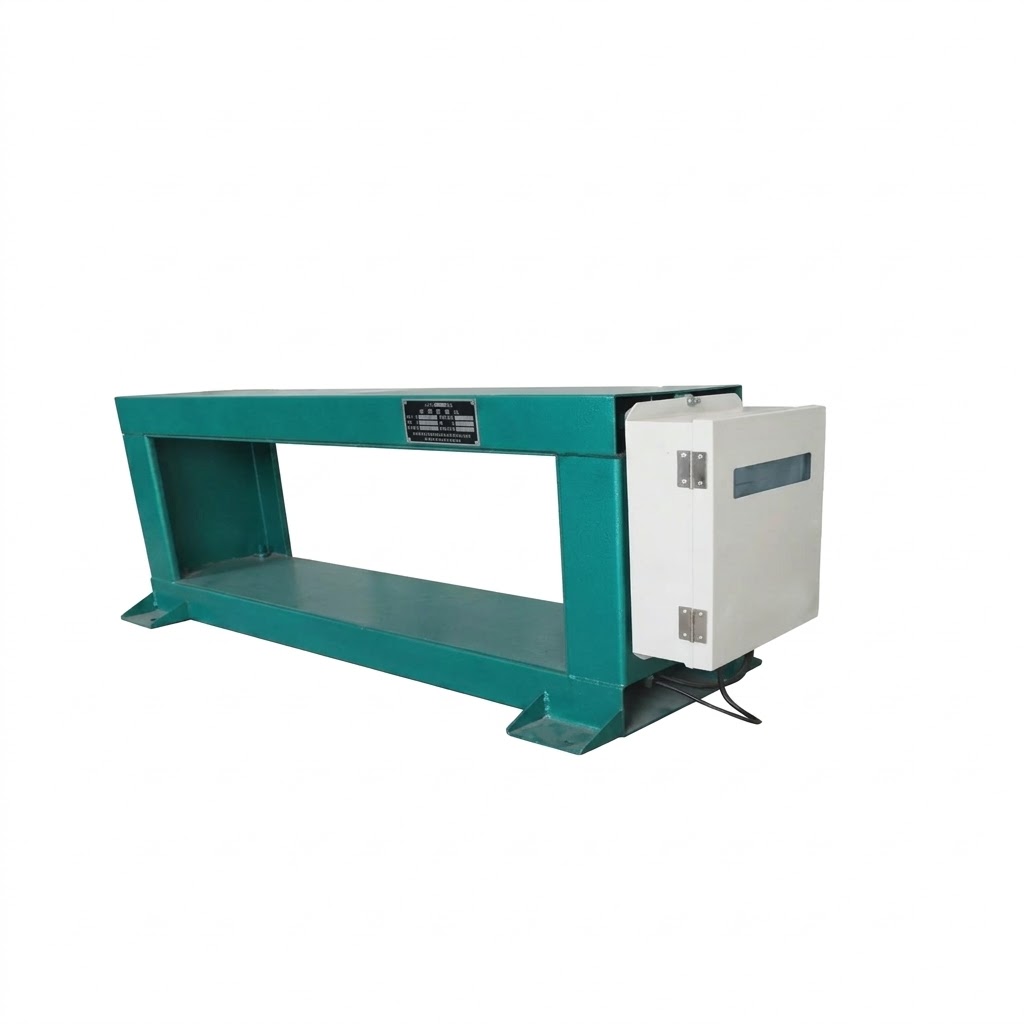
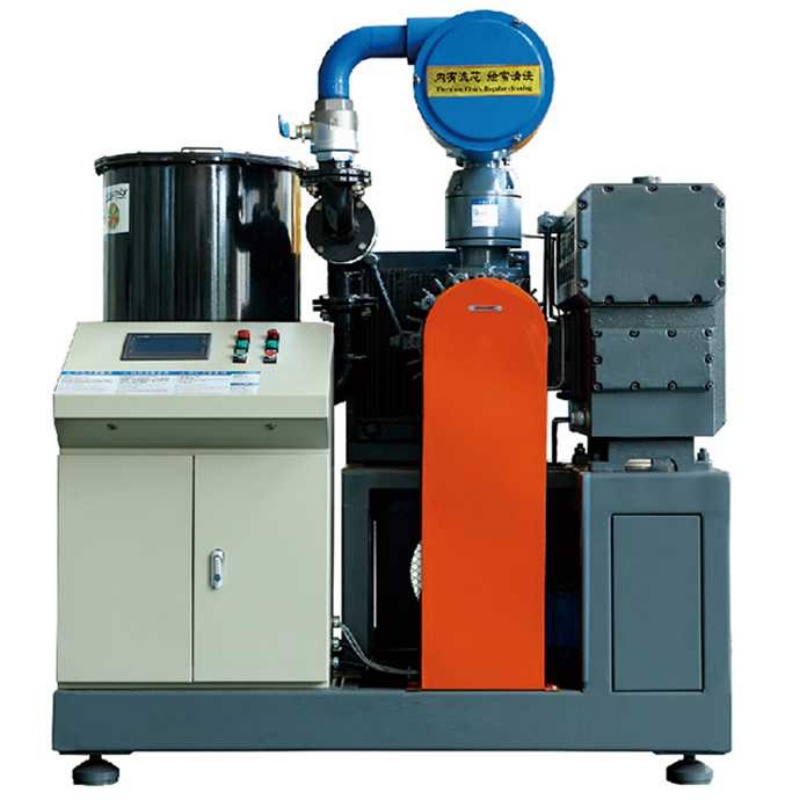
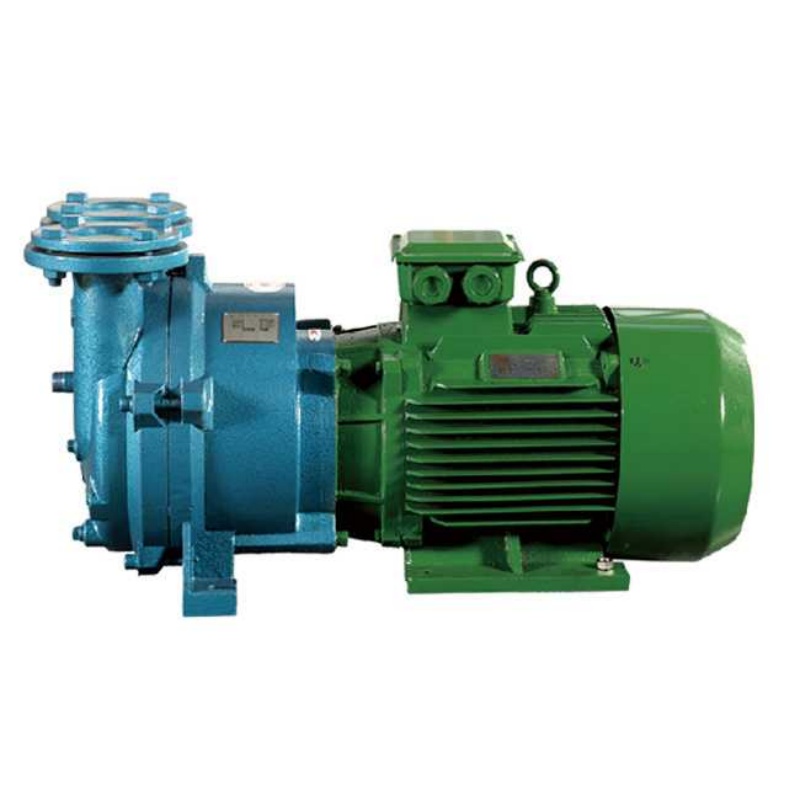
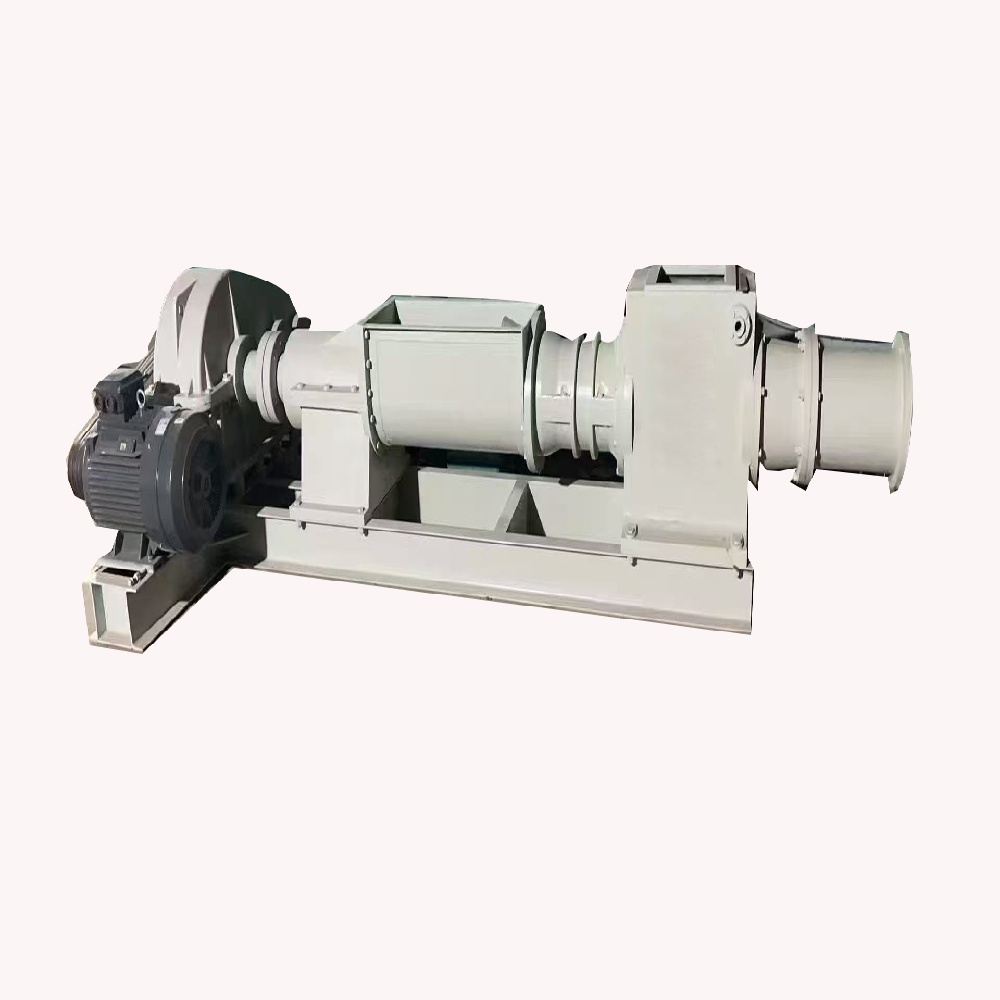
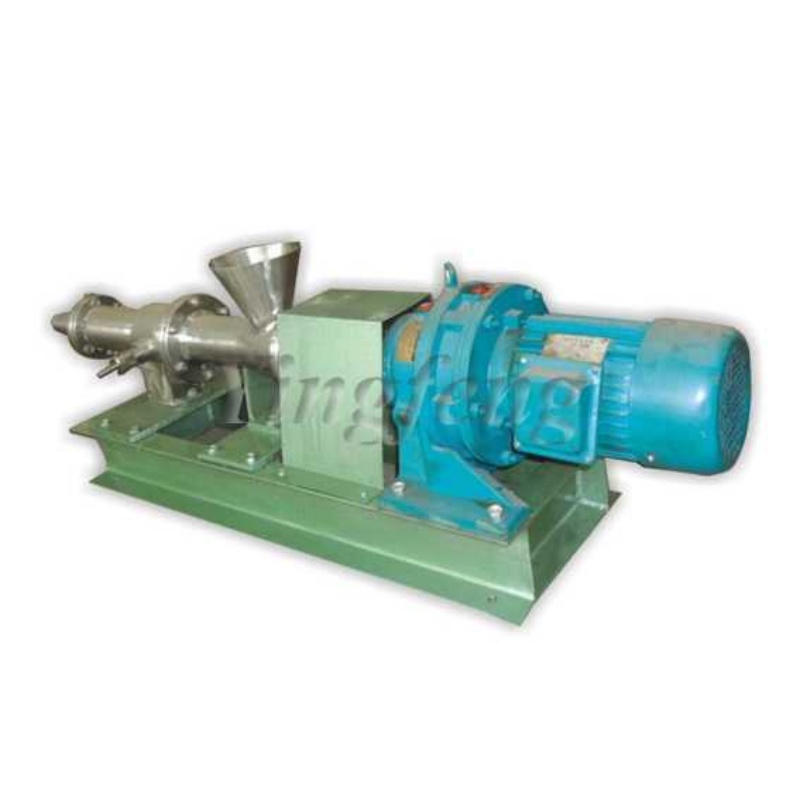
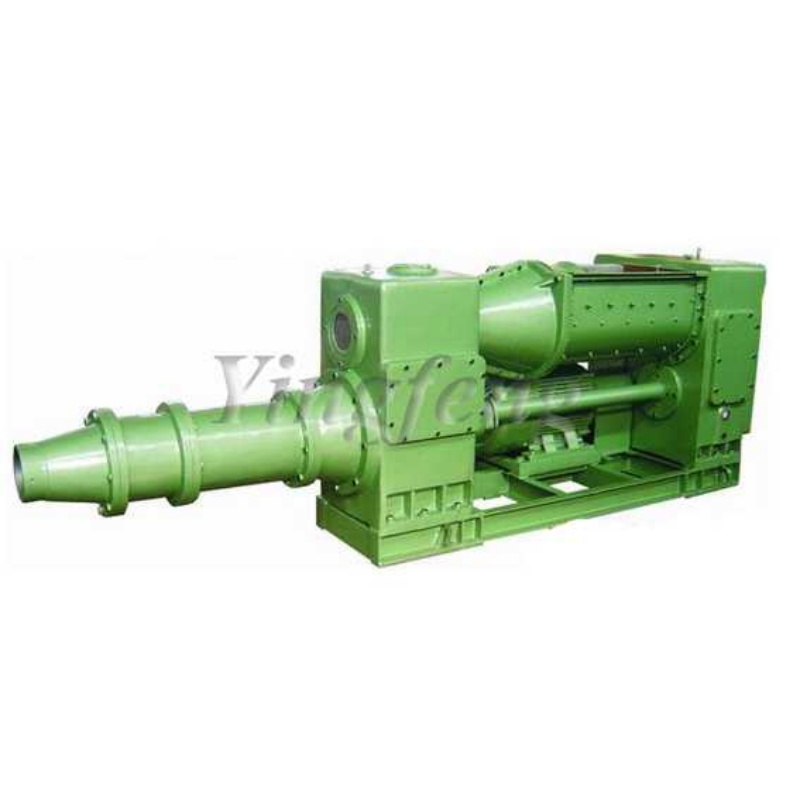
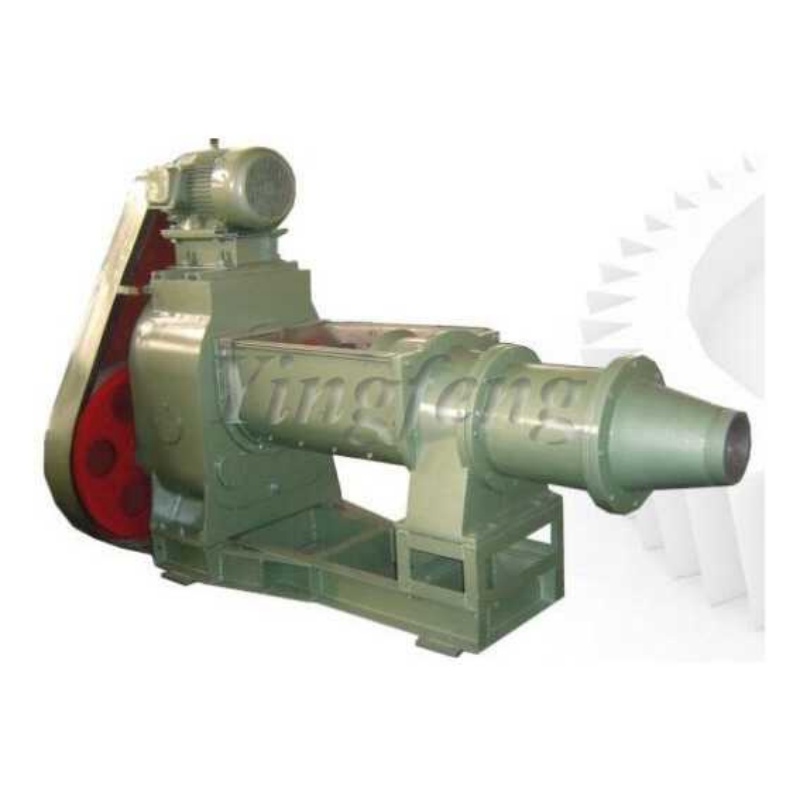
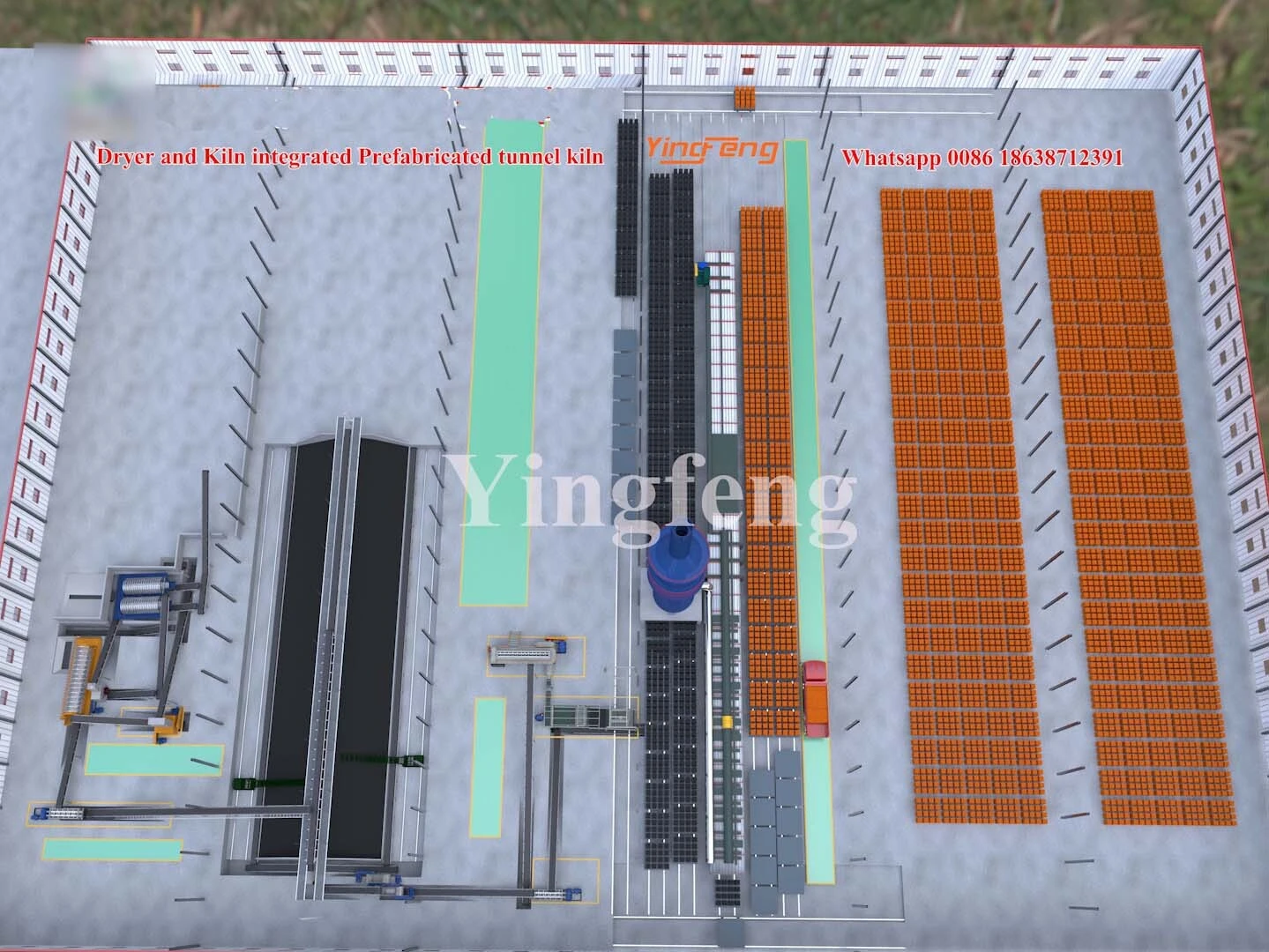
Composed of multiple functional units, the production line system of the integrated drying and firing linear assembled tunnel kiln mainly consists of a raw material workshop, a crushing workshop, an aging workshop, a green brick production workshop, an automatic stacking system, a conveying system, a green brick storage workshop, a dryer and kiln body, an air duct system, an automatic firing control system, as well as a flue gas purification and treatment system.
🎯
Optimized Structural Design
Intelligent operation concept effectively solves the pain points of high labor intensity, high energy consumption and unstable product quality found in traditional production methods.
⚡
Simplified Production Process
Reduces intermediate links such as green body transfer and repeated stacking, streamlining the entire workflow for greater operational efficiency.
♻️
Waste Heat Recycling
Maximizes the utilization of waste heat generated during the sintering process—recycling the heat to supply the drying section, significantly cutting energy costs.
💰
Lower Investment Costs
The integrated design greatly saves civil engineering costs, equipment investment and factory floor space—an ideal choice for small and medium-sized brick factories.
🌍
Versatile Raw Materials
Suitable for enterprises producing sintered bricks from raw materials such as coal gangue, shale and clay, offering broad applicability across different production environments.
🕐
24/7 Continuous Operation
Equipped with an automated control system enabling 24-hour continuous and stable operation, with uniform temperature field, controllable firing cycle, and improved brick quality.
Frequently Asked Questions
Q
What is an integrated drying and firing linear assembled tunnel kiln?
It is an advanced brick production system that combines the drying and firing processes into a single continuous production line. The system integrates multiple functional units—including raw material handling, green brick production, automated stacking, a kiln body, air duct systems, and flue gas purification—into one streamlined workflow, eliminating the need for separate drying and firing facilities.
Q
How does this tunnel kiln reduce energy consumption compared to traditional kilns?
The system maximizes the utilization of waste heat generated during the sintering process by recycling it directly to supply the drying section. This intelligent heat recovery approach reduces energy consumption by more than 20% compared with conventional tunnel kilns, significantly lowering operating costs over the long term.
Q
What raw materials are compatible with this production system?
The integrated tunnel kiln system is designed to process a wide range of raw materials commonly used in sintered brick production, including coal gangue, shale, and clay. This versatility makes it suitable for various types of brick manufacturers operating with different local material resources.
Q
Is this system suitable for small and medium-sized brick factories?
Yes. The integrated design significantly reduces civil engineering costs, equipment investment, and factory floor space requirements compared to traditional separate-process setups. This makes it an ideal and cost-effective solution for small and medium-sized brick factories looking to modernize their production capabilities without excessive capital expenditure.
Q
How does the automated control system improve brick quality?
The automated firing control system maintains a uniform temperature field inside the kiln and allows for a fully controllable firing cycle. This precision control results in improved brick strength, compactness, and appearance consistency, effectively addressing the quality instability issues commonly found in traditional manual or semi-automated production lines.
Q
Can the tunnel kiln system operate continuously without interruption?
Yes. Equipped with a fully automated control system, the integrated tunnel kiln is designed for 24-hour continuous and stable operation. This uninterrupted production capability maximizes output efficiency, reduces downtime, and ensures consistent product quality throughout each production cycle.