English
English Chinese Simplified Chinese Traditional French German Portuguese Spanish Russian Japanese Korean Arabic Irish Greek Turkish Italian Danish Romanian Indonesian Czech Afrikaans Swedish Polish Basque Catalan Esperanto Hindi Lao Albanian Amharic Armenian Azerbaijani Belarusian Bengali Bosnian Bulgarian Cebuano Chichewa Corsican Croatian Dutch Estonian Filipino Finnish Frisian Galician Georgian Gujarati Haitian Hausa Hawaiian Hebrew Hmong Hungarian Icelandic Igbo Javanese Kannada Kazakh Khmer Kurdish Kyrgyz Latin Latvian Lithuanian Luxembou.. Macedonian Malagasy Malay Malayalam Maltese Maori Marathi Mongolian Burmese Nepali Norwegian Pashto Persian Punjabi Serbian Sesotho Sinhala Slovak Slovenian Somali Samoan Scots Gaelic Shona Sindhi Sundanese Swahili Tajik Tamil Telugu Thai Ukrainian Urdu Uzbek Vietnamese Welsh Xhosa Yiddish Yoruba Zulu Kinyarwanda Tatar Oriya Turkmen Uyghur Abkhaz Acehnese Acholi Alur Assamese Awadish Aymara Balinese Bambara Bashkir Batak Karo Bataximau Longong Batak Toba Pemba Betawi Bhojpuri Bicol Breton Buryat Cantonese Chuvash Crimean Tatar Sewing Divi Dogra Doumbe Dzongkha Ewe Fijian Fula Ga Ganda (Luganda) Guarani Hakachin Hiligaynon Hunsrück Iloko Pampanga Kiga Kituba Konkani Kryo Kurdish (Sorani) Latgale Ligurian Limburgish Lingala Lombard Luo Maithili Makassar Malay (Jawi) Steppe Mari Meitei (Manipuri) Minan Mizo Ndebele (Southern) Nepali (Newari) Northern Sotho (Sepéti) Nuer Occitan Oromo Pangasinan Papiamento Punjabi (Shamuki) Quechua Romani Rundi Blood Sanskrit Seychellois Creole Shan Sicilian Silesian Swati Tetum Tigrinya Tsonga Tswana Twi (Akan) Yucatec Maya
请留言
    

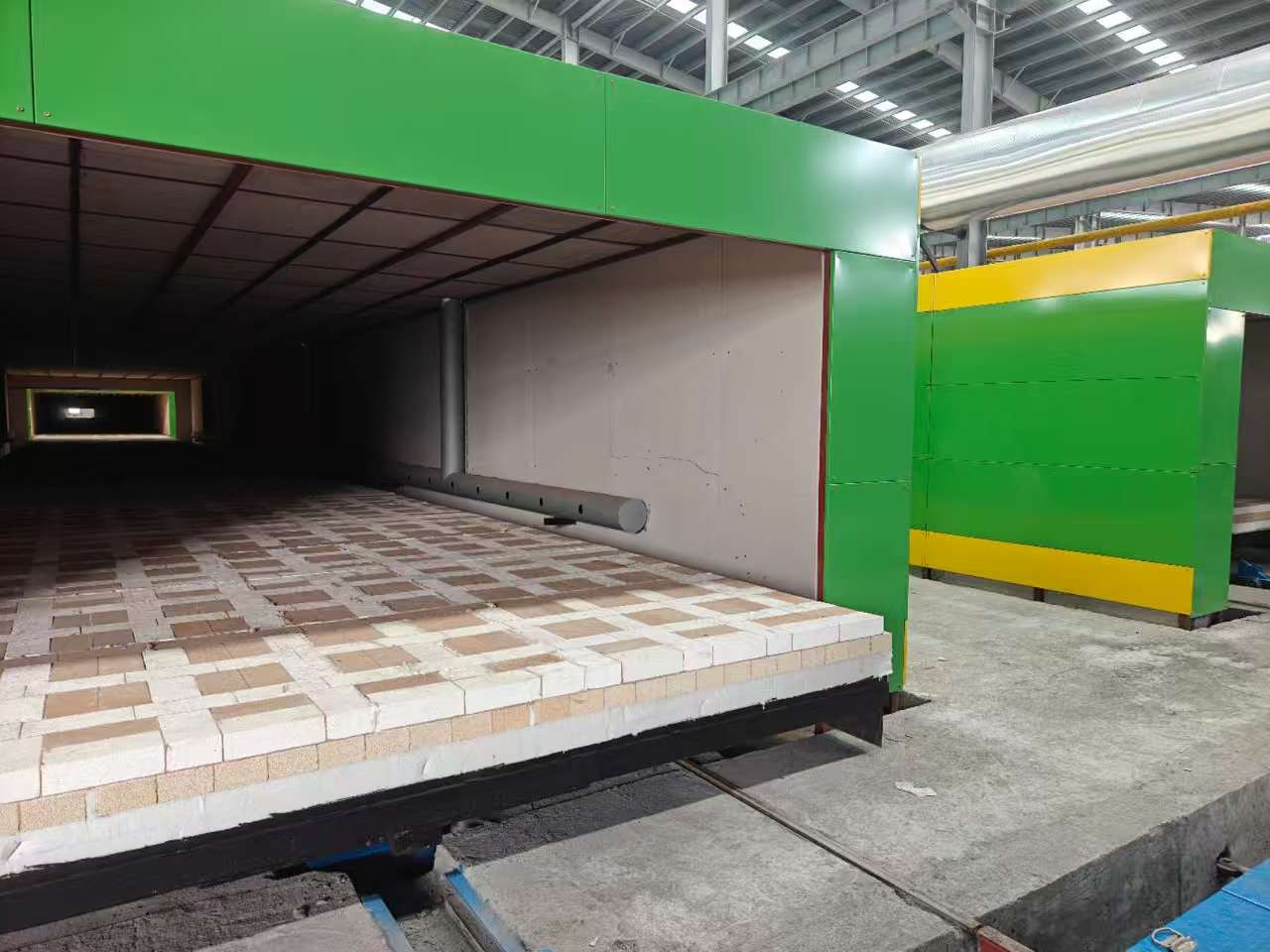
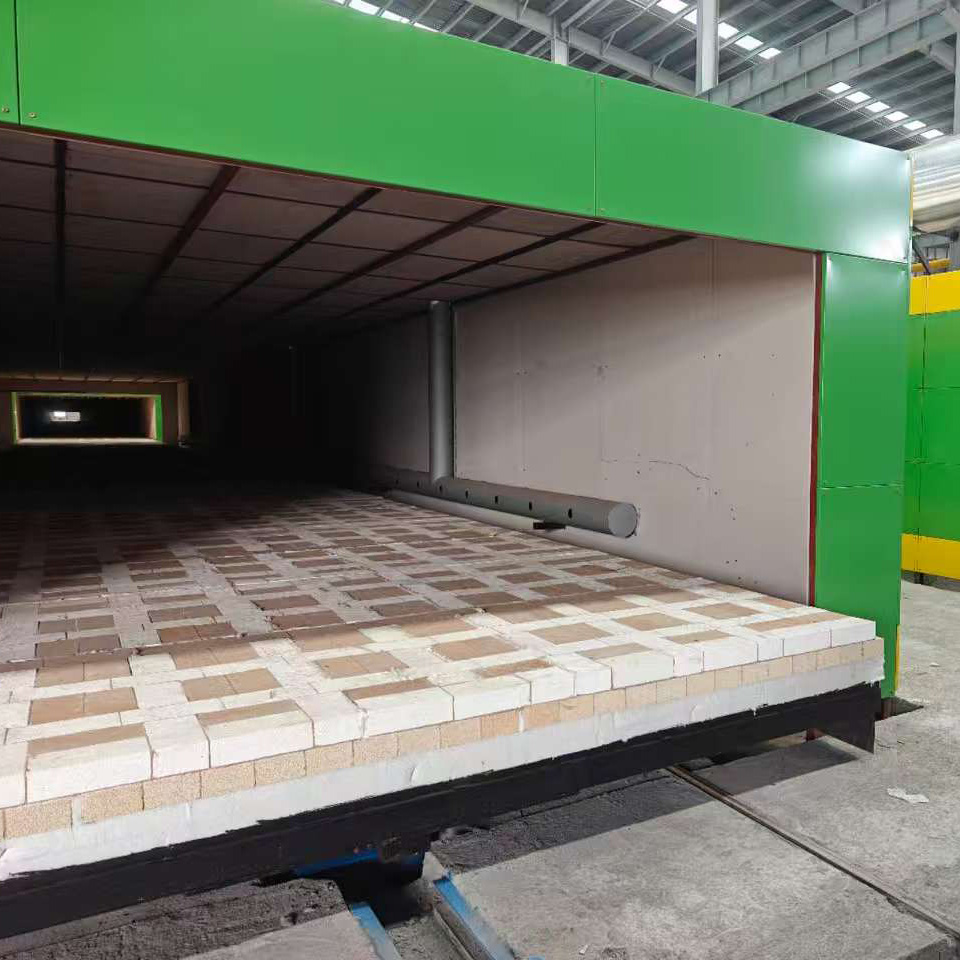
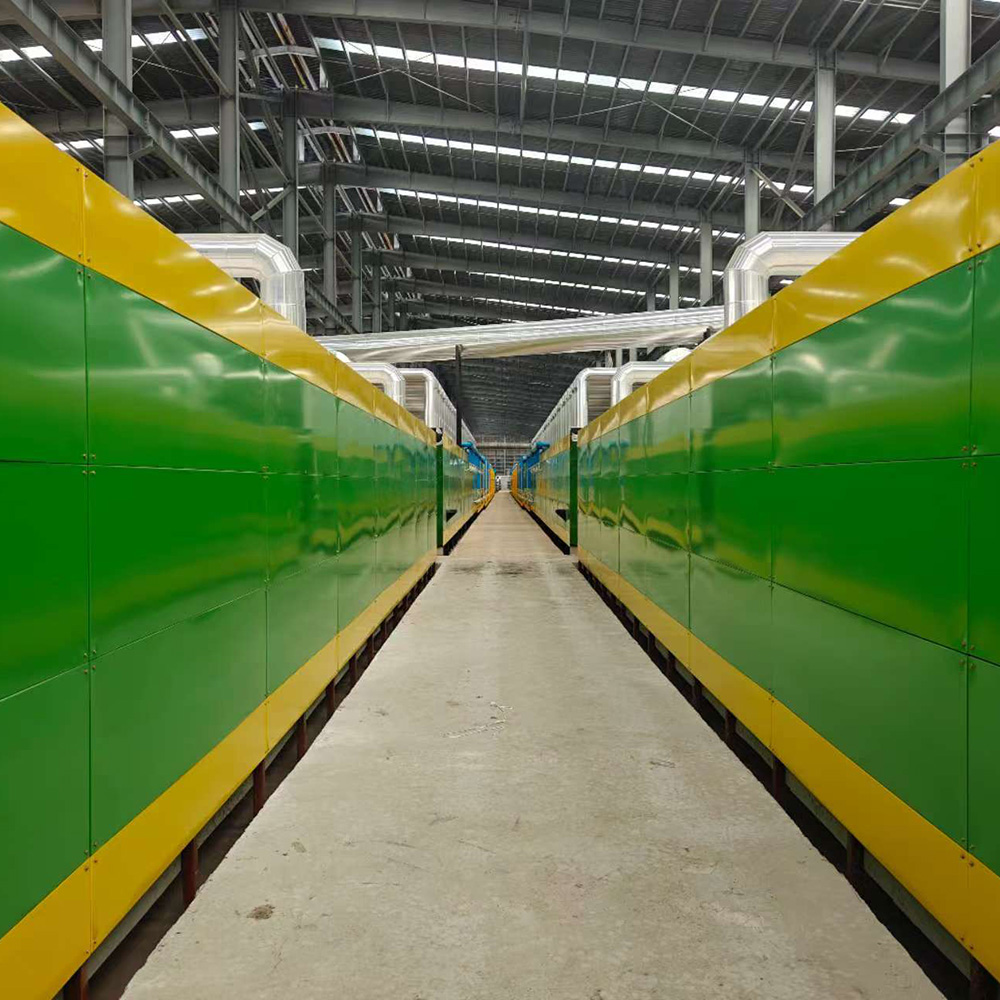
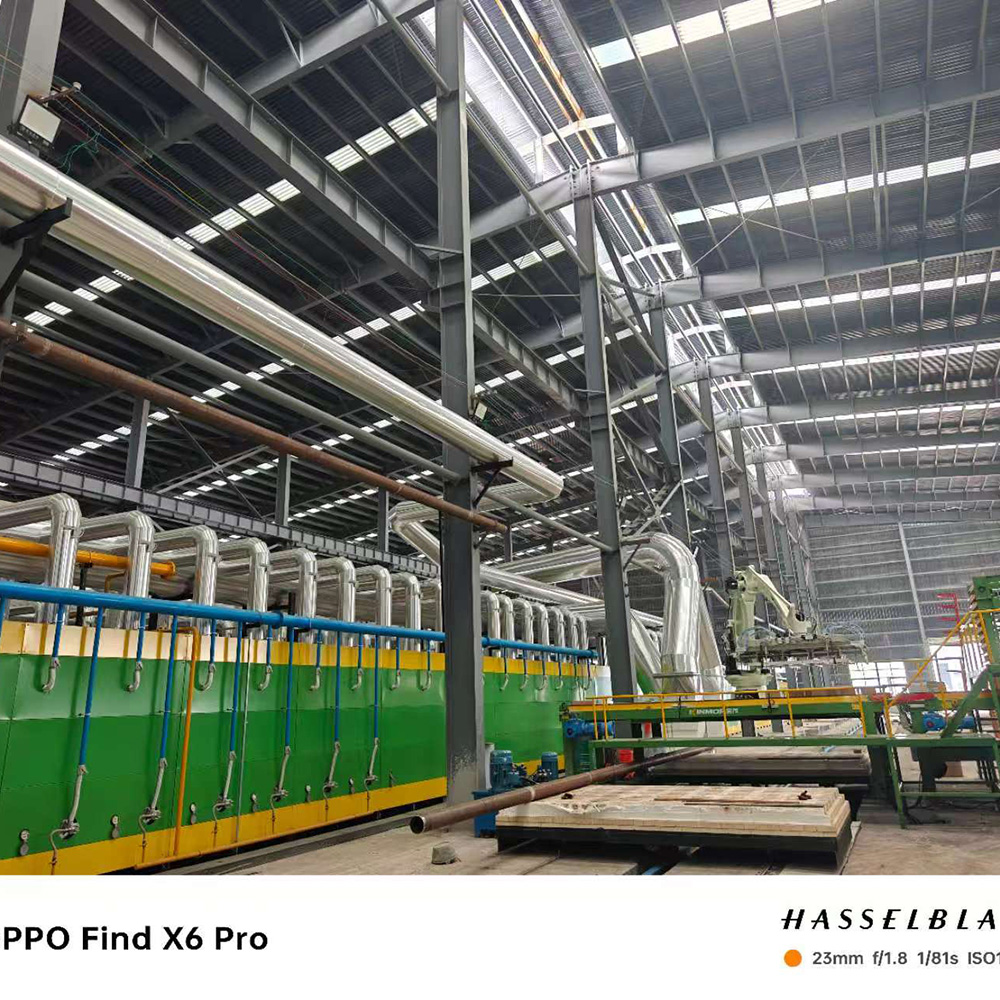
China Suppliers Factory Natural Gas Heavy Oil External Firing Tunnel Kiln for High-Quality Clay Products

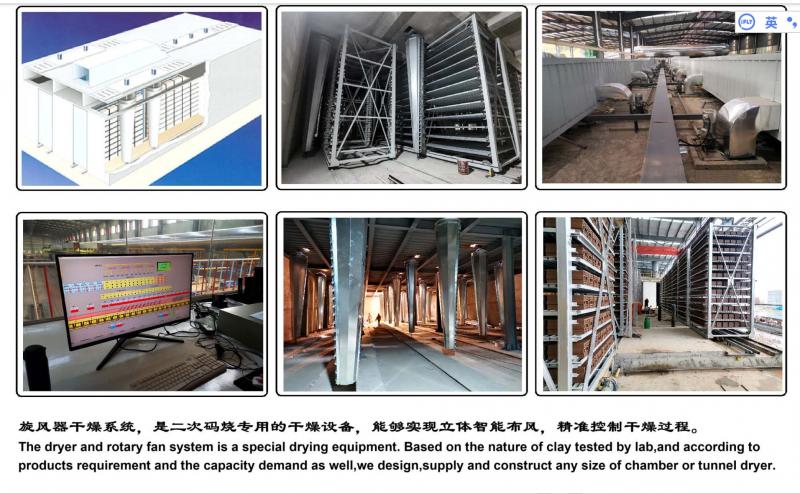
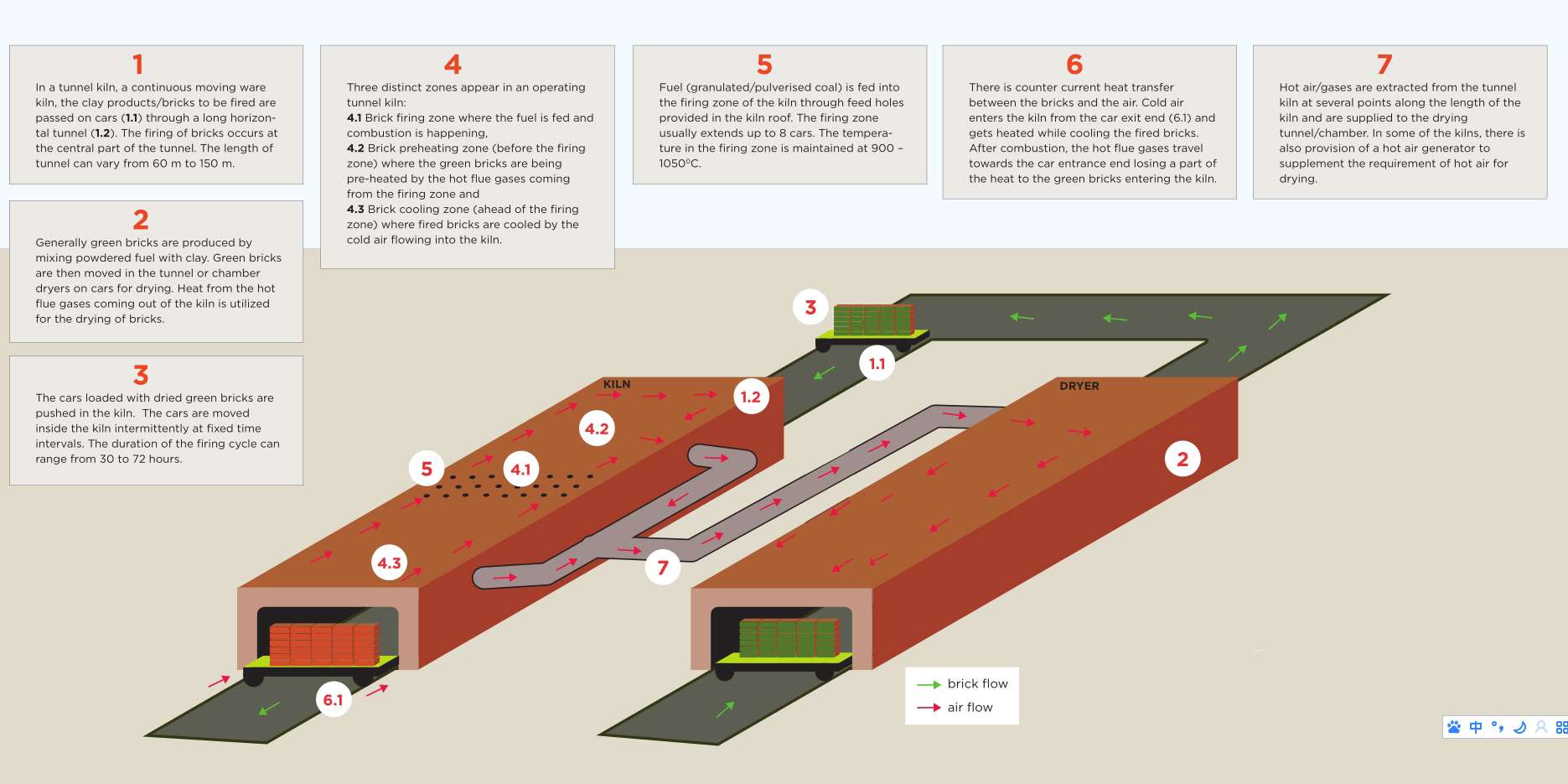
Discover the advanced technology of tunnel kilns, a continuous ware kiln system widely used in China. In this innovative setup, clay products are efficiently transported on cars through a long horizontal tunnel, with the firing process taking place in the central section, Tunnel kilns stand out as the premier choice among brick-making technologies, offering numerous advantages. This method allows for the firing of various clay products while providing better control over the firing process, ensuring consistently high-quality results. As a leading factory and supplier in the industry, we harness the latest advancements in tunnel kiln technology to deliver exceptional products that meet diverse market needs

    🏭
    Standard Brick

    Calcination cycle: 32h ~ 40h

    🧱
    Porous Brick

    Calcination cycle: 28h ~ 36h

    🔲
    Hollow Brick

    Calcination cycle: 24h ~ 30h

    According to physical and chemical properties of the raw materials (including internal fuel), it is analyzed and judged which products are suitable for the raw materials (standard brick, porous brick, hollow brick, self-insulating brick).

    The calcination cycle is proportional to the refractoriness and energy consumption of the raw materials. The straight channel kiln roasting cycle is longer than the parallel kiln roasting cycle.

    Heavy oil in tunnel kilns is a by-product of the petroleum refining process, much like coffee grounds are to coffee beans. Its viscosity is 3–5 times higher than that of diesel, yet it has a considerable calorific value — releasing approximately 42 megajoules of heat per kilogram, equivalent to the energy of 1.5 kilowatt-hours of electricity. This dark brown viscous liquid flows like honey at room temperature and requires heating to over 80°C for smooth transportation.

    A natural gas tunnel furnace is an industrial equipment that uses natural gas as a heat source and continuously heats materials through a tunnel-like structure. Its core principle is to generate high-temperature hot air by burning natural gas. The hot air circulates within the tunnel furnace, uniformly heating the materials passing through it to meet process requirements such as drying, curing, and heat treatment. Due to its characteristics of high efficiency, energy saving, and environmental friendliness, this equipment is widely used in multiple industries including food processing, chemical engineering, building materials, and metallurgy.
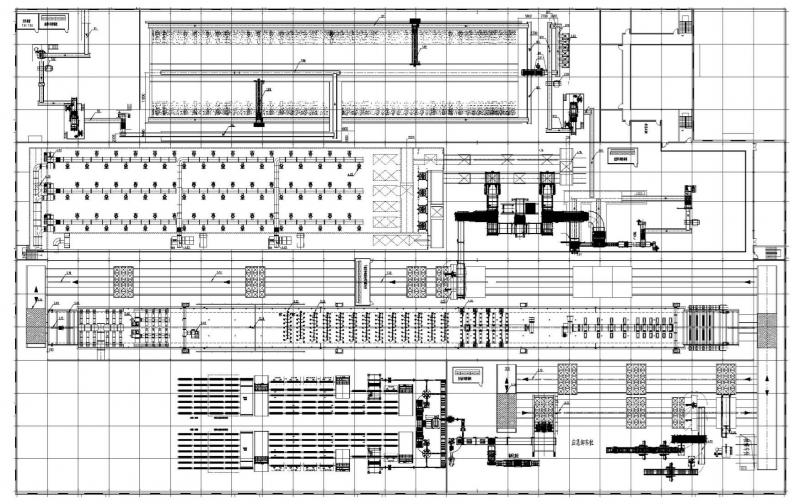
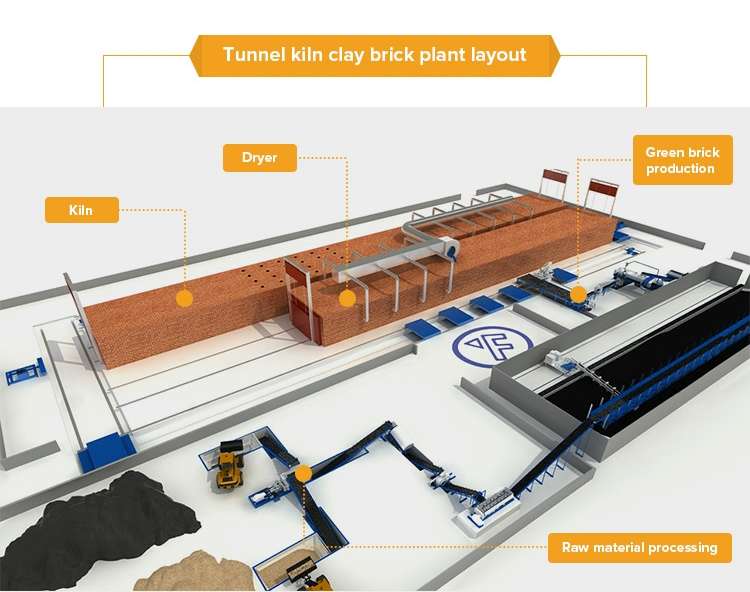
    Brick Plant Layout
    Natural gas heavy oil External firing Tunnel Kiln (13)
    Natural gas heavy oil External firing Tunnel Kiln (5)
    Natural gas heavy oil External firing Tunnel Kiln (6)
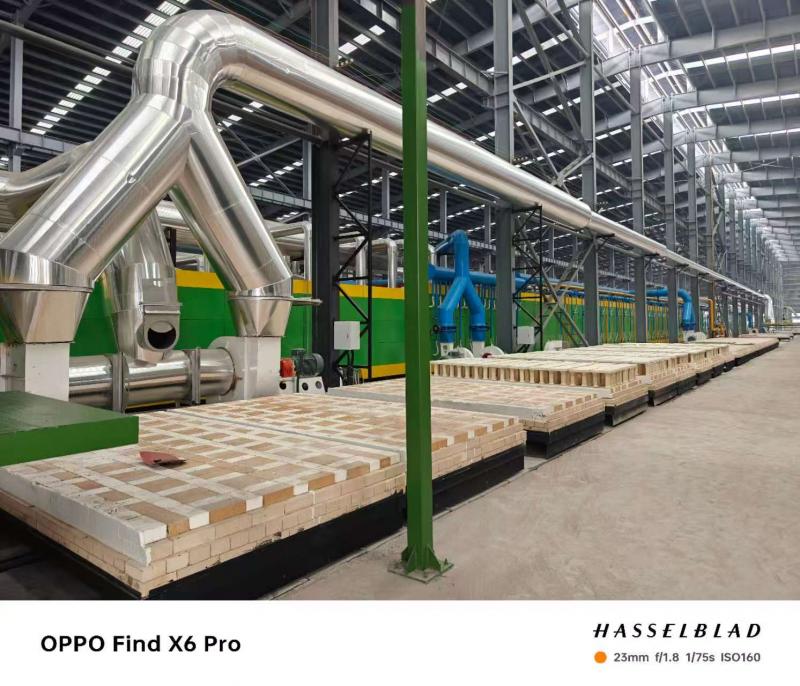
    Product Show
    Natural gas heavy oil External firing Tunnel Kiln (8)
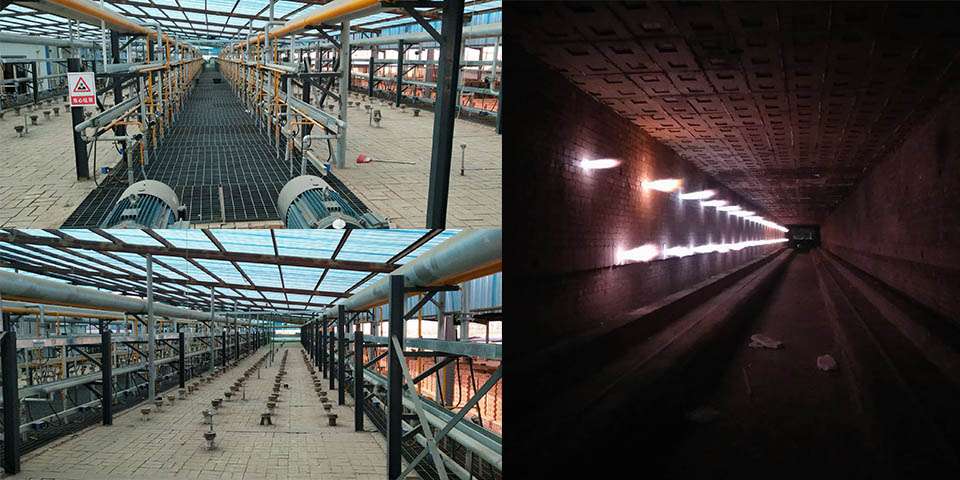
    Tunnel kiln with natural gas
    Natural gas heavy oil External firing Tunnel Kiln (7)
    Natural gas heavy oil External firing Tunnel Kiln (10)
    Natural gas heavy oil External firing Tunnel Kiln (9)
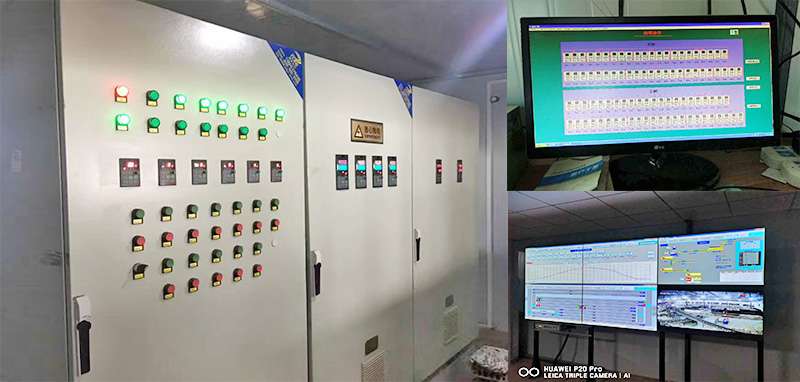
    Automatic Natural gas burning controlling system
    Natural gas heavy oil External firing Tunnel Kiln (10)
    Natural gas heavy oil External firing Tunnel Kiln (12)
    Frequently Asked Questions
    Q What types of bricks can be produced using a natural gas or heavy oil external firing tunnel kiln?
    The tunnel kiln can be used to produce a variety of brick types, including standard bricks, porous bricks, hollow bricks, and self-insulating bricks. The selection of suitable brick type is determined by analyzing the physical and chemical properties of the raw materials, including the internal fuel content.
    Q What is the typical calcination cycle for different brick types in a tunnel kiln?
    The calcination cycle varies by brick type: standard bricks require 32–40 hours, porous bricks require 28–36 hours, and hollow bricks require 24–30 hours. The cycle length is proportional to the refractoriness and energy consumption of the raw materials. Straight channel kilns generally have longer roasting cycles compared to parallel channel kilns.
    Q What are the properties and advantages of heavy oil as a fuel in tunnel kilns?
    Heavy oil is a by-product of petroleum refining with a viscosity 3–5 times higher than diesel. Despite its thick consistency, it offers a significant calorific value of approximately 42 megajoules per kilogram — equivalent to 1.5 kWh of electricity. It requires preheating to above 80°C for proper flow and transportation, making it a cost-effective fuel option for tunnel kilns.
    Q How does a natural gas tunnel furnace work?
    A natural gas tunnel furnace burns natural gas to generate high-temperature hot air, which circulates continuously within the tunnel structure. This uniformly heats the materials passing through the tunnel to meet specific process requirements such as drying, curing, and heat treatment. The system typically consists of a combustion system and a hot air circulation system working in coordination.
    Q What industries can benefit from using a natural gas tunnel furnace?
    Natural gas tunnel furnaces are widely applied across multiple industries due to their high efficiency, energy-saving performance, and environmental friendliness. Key industries include food processing, chemical engineering, building materials manufacturing, and metallurgy, among others.
    Q What is the difference between a straight channel kiln and a parallel channel kiln in terms of roasting cycle?
    The straight channel kiln has a longer roasting cycle compared to the parallel channel kiln. Both kiln types have their calcination cycles influenced by the refractoriness and energy consumption of the raw materials used, so the appropriate kiln configuration should be selected based on the specific production requirements and raw material properties.