
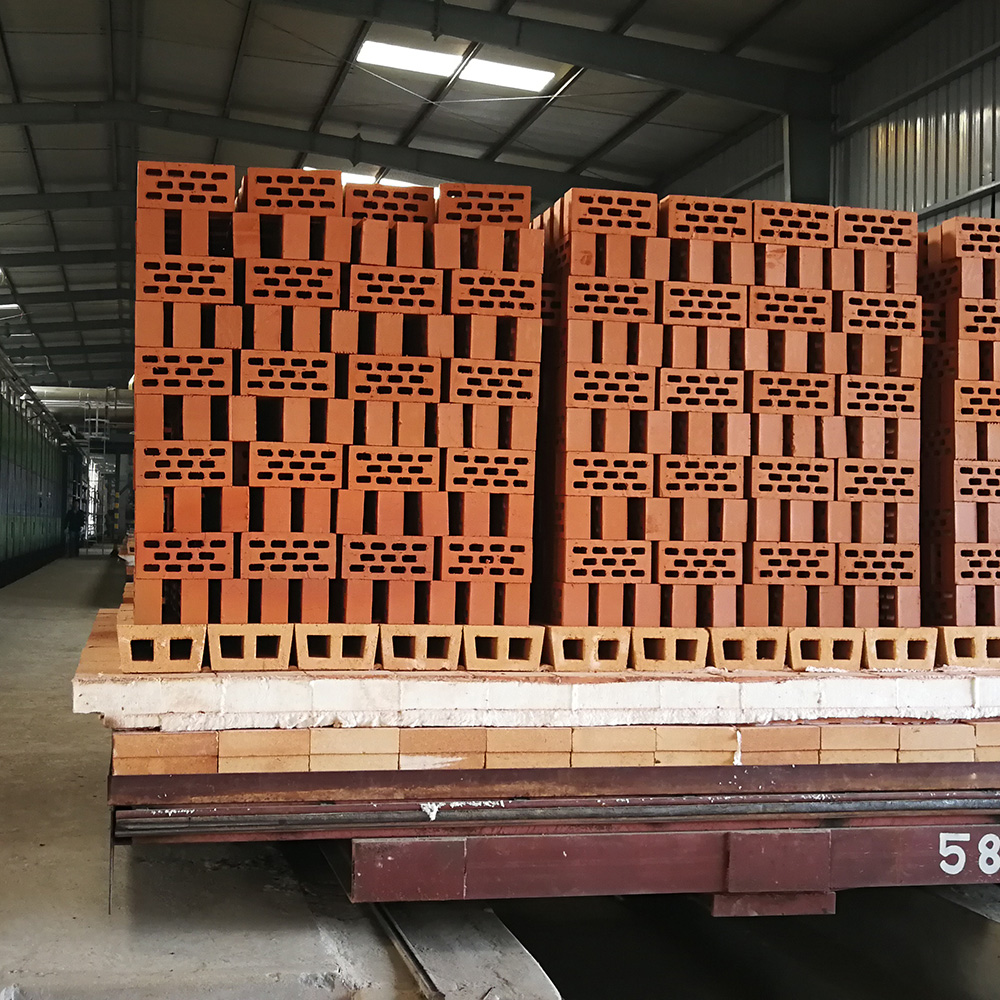
China Suppliers Factory Internal Firing Tunnel Kiln for Coal Clay Brick Making Process
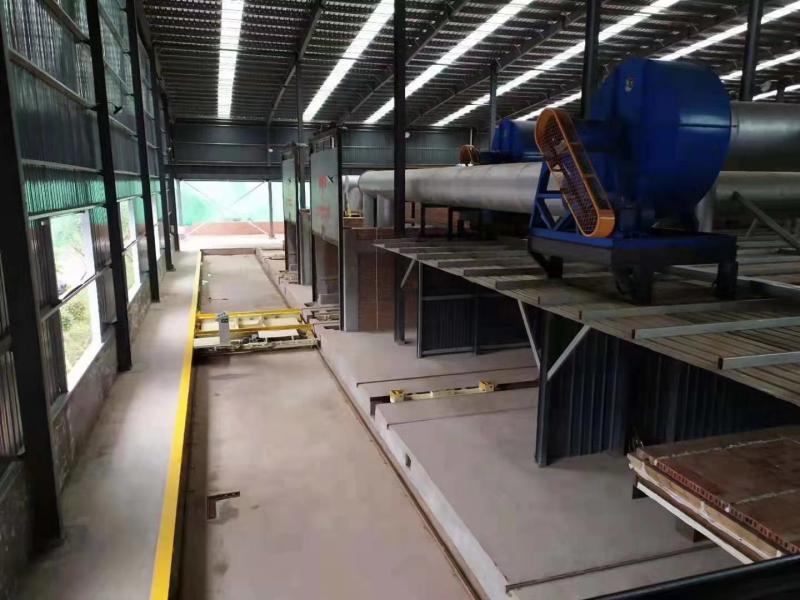
Typically the cross section width is 2.5m, 3.6m, 4.8m, 6.9m, 9m. The top generally adopts masonry type suspended roof with refractory bricks and splicing type hanging structure with aluminum silicate fiber modules. The length of kiln cart is matched according to the product.
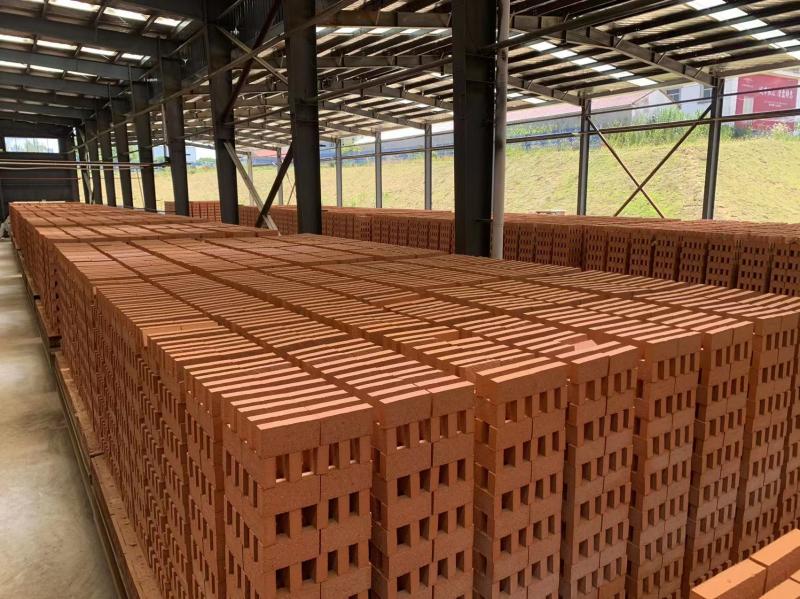
A tunnel kiln typically consists of the following main parts:
- Kiln Body: The main structural part of the tunnel kiln, usually an elongated passage with tracks or rollers inside to support and move the green bricks.
- Preheating Zone: The first zone that the green bricks enter after entering the kiln body, where the temperature gradually increases to remove moisture from the bricks.
- Firing Zone: The core area of the tunnel kiln, with the highest temperature, where the bricks are sintered.
- Cooling Zone: The zone where the fired bricks are cooled down gradually to a temperature suitable for unloading.
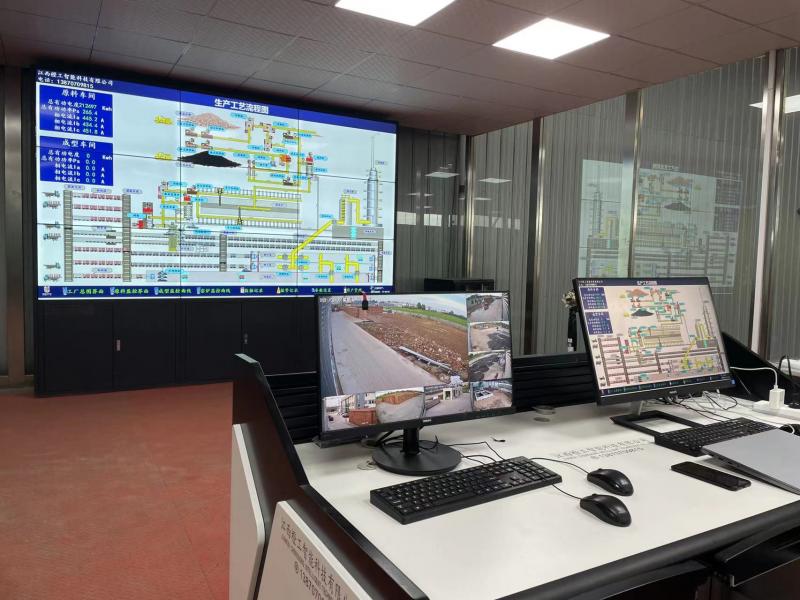
- Combustion System: Provides the heat required for firing, usually including burners, fuel supply systems, and exhaust systems.
- Ventilation System: Controls the airflow inside the kiln to ensure complete combustion and uniform temperature distribution.
- Drive System: Used to move the green bricks through the kiln, usually including motors, chain drives, or roller drive devices.
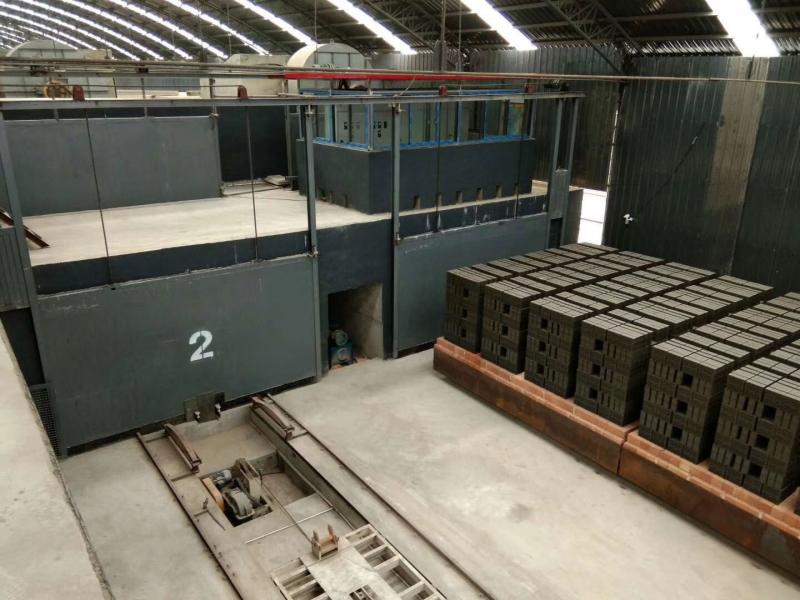
- The working principle of a tunnel kiln is based on a continuous production mode.
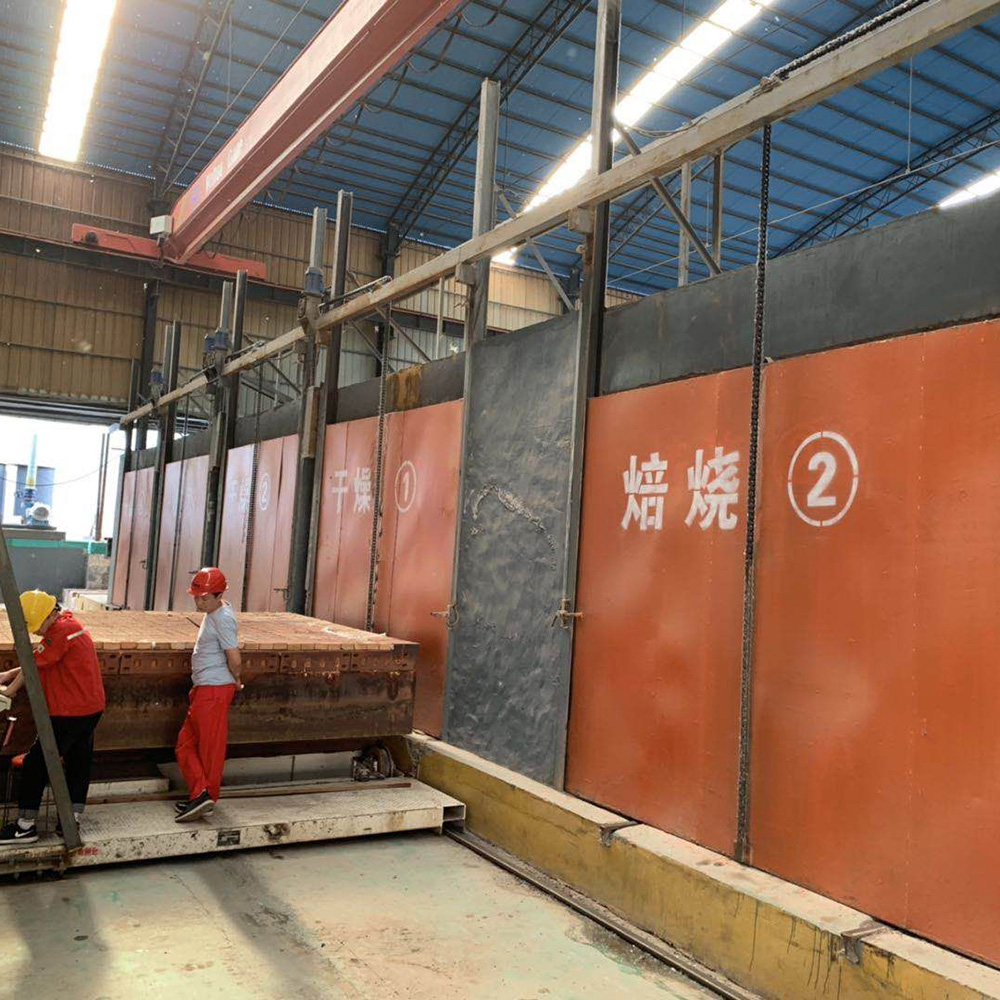
- Green bricks are placed on kiln cars, which enter the kiln body via tracks or rollers.
- The green bricks are gradually heated in the preheating zone to remove excess moisture, and the exhaust gases from the kiln can be recirculated to improve thermal efficiency.
- The green bricks reach the highest temperature in the firing zone and complete the sintering process.
- The fired bricks are gradually cooled in the cooling zone to a temperature suitable for unloading.
- Kiln cars move continuously through the kiln, with new green bricks entering and fired bricks being unloaded, achieving continuous production.
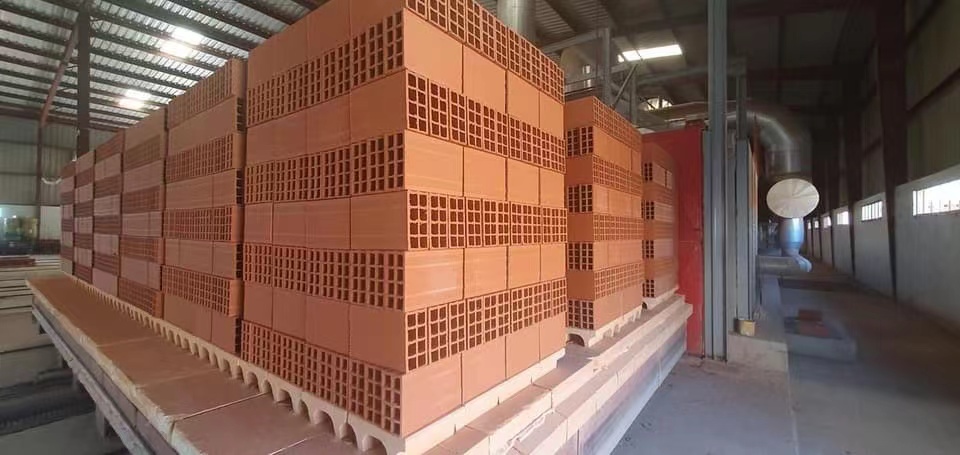
To ensure the efficient operation and long service life of tunnel kilns, regular maintenance and care are necessary:
- Regularly inspect the kiln body for cracks, deformations, or other damage, and repair them in a timely manner.
- Clean the combustion system regularly, including burners and fuel supply systems, to ensure complete combustion.
- Ensure that the ventilation ducts are unobstructed and check the normal operation of fans.
- Inspect the operation of the drive system, including motors, chains, or roller drives, and lubricate and replace worn parts in a timely manner.
- Regularly calibrate temperature sensors and control systems to ensure accurate temperature control.
Tunnel kilns are widely used in the following fields:
- Ceramics Industry: For firing ceramic products such as tiles and sanitary ware.
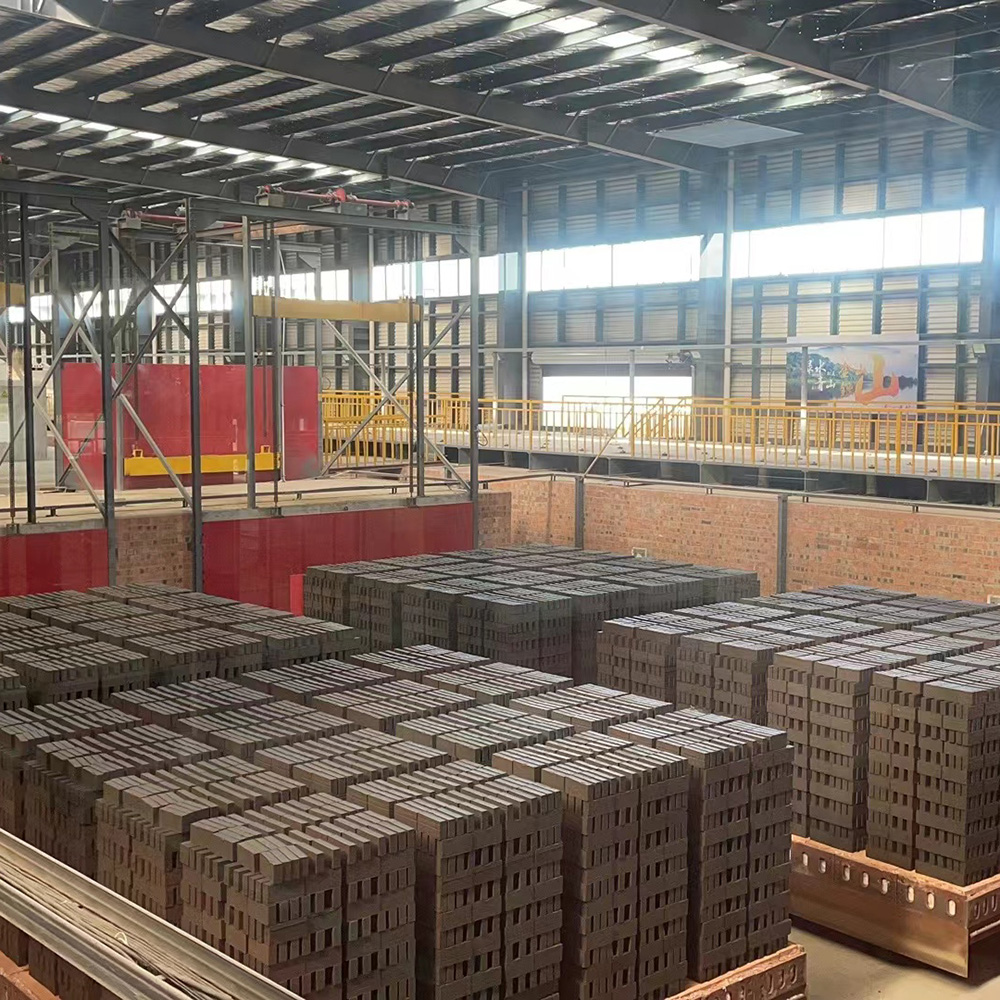
- Brick and Tile Industry: For firing clay bricks, cement bricks, etc.
- Glass Industry: For firing and annealing glass products.
- Refractory Materials Industry: For firing refractory bricks and other refractory materials.
Frequently Asked Questions
Q
What are the standard cross section widths available for tunnel kilns?
A
Tunnel kilns are typically available in cross section widths of 2.5m, 3.6m, 4.8m, 6.9m, and 9m. The kiln cart length is customized and matched according to the specific product requirements.
Q
What type of roof structure is used in tunnel kilns?
A
The top of a tunnel kiln generally adopts a masonry type suspended roof with refractory bricks, or a splicing type hanging structure with aluminum silicate fiber modules, depending on the application and temperature requirements.
Q
What are the three main temperature zones in a tunnel kiln?
A
A tunnel kiln operates through three main zones: the Preheating Zone (where moisture is removed from green bricks), the Firing Zone (the highest temperature area where sintering occurs), and the Cooling Zone (where fired bricks are gradually cooled before unloading).
Q
How does a tunnel kiln achieve continuous production?
A
Tunnel kilns achieve continuous production by placing green bricks on kiln cars that move continuously through the kiln via tracks or rollers. As new green bricks enter one end, fired bricks are simultaneously unloaded from the other end, creating an uninterrupted production cycle.
Q
What industries commonly use tunnel kilns?
A
Tunnel kilns are widely used across multiple industries including the ceramics industry (tiles, sanitary ware), the brick and tile industry (clay bricks, cement bricks), the glass industry (firing and annealing), and the refractory materials industry (refractory bricks and other high-temperature materials).
Q
How often should tunnel kilns be maintained, and what does maintenance include?
A
Regular maintenance is essential for tunnel kilns. Key maintenance tasks include inspecting the kiln body for cracks or deformations, cleaning the combustion system and burners, checking ventilation ducts and fan operation, lubricating and replacing worn drive components (motors, chains, rollers), and calibrating temperature sensors and control systems to ensure accurate and efficient operation.