

China Suppliers Factory for Natural Gas Heavy Oil External Firing Tunnel Kiln Technology
According to physical and chemical properties of the raw materials (including internal fuel), it is analyzed and judged which products are suitable for the raw materials (standard brick, porous brick, hollow brick, self-insulating brick).
Calcination cycle reference value: standard brick 32h ~ 40h, porous brick 28h ~ 36h, hollow brick 24h ~ 30h. The calcination cycle is proportional to the refractoriness and energy consumption of the raw materials. The straight channel kiln roasting cycle is longer than the parallel kiln roasting cycle.
Heavy oil in tunnel kilns is a by-product of the petroleum refining process, much like coffee grounds are to coffee beans. Its viscosity is 3-5 times higher than that of diesel, yet it has a considerable calorific value—releasing approximately 42 megajoules of heat per kilogram, equivalent to the energy of 1.5 kilowatt-hours of electricity. This dark brown viscous liquid flows like honey at room temperature and requires heating to over 80°C for smooth transportation.
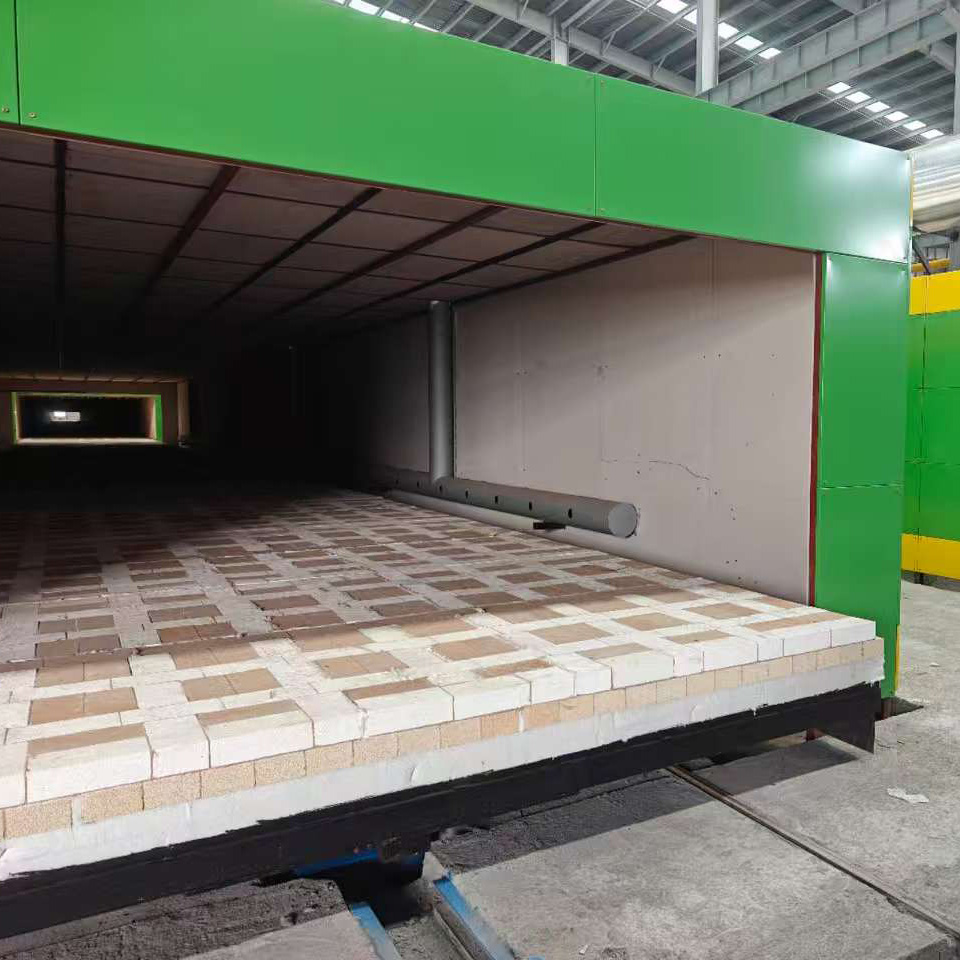
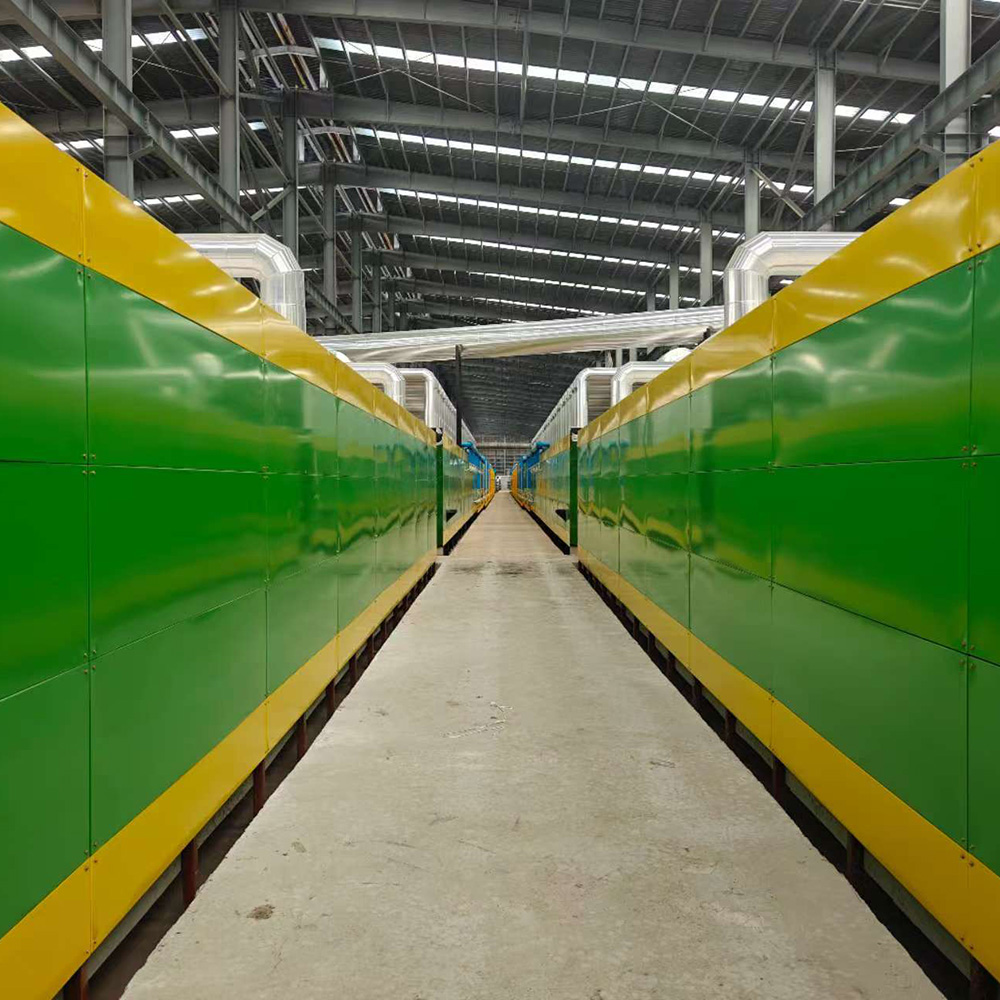
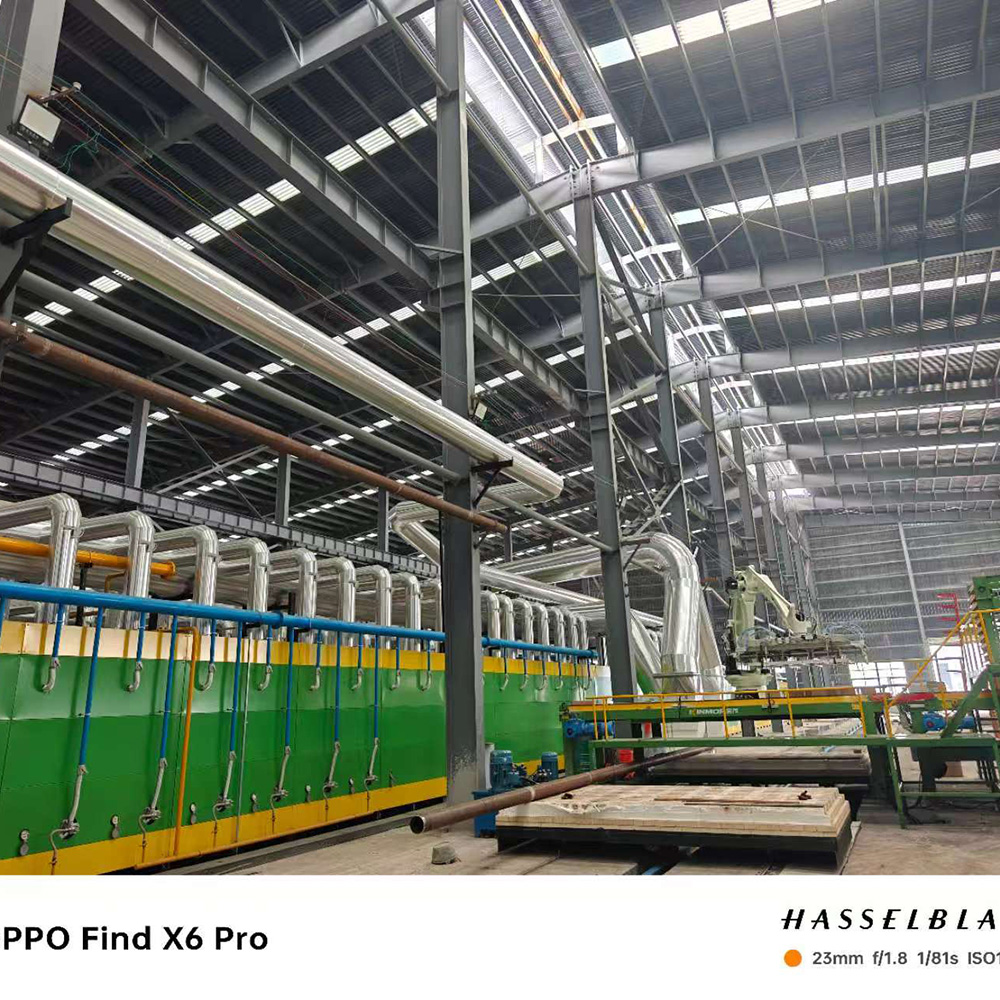
A natural gas tunnel furnace is an industrial equipment that uses natural gas as a heat source and continuously heats materials through a tunnel-like structure. Its core principle is to generate high-temperature hot air by burning natural gas. The hot air circulates within the tunnel furnace, uniformly heating the materials passing through it to meet process requirements such as drying, curing, and heat treatment. Due to its characteristics of high efficiency, energy saving, and environmental friendliness, this equipment is widely used in multiple industries including food processing, chemical engineering, building materials, and metallurgy. The technical principle and structural features of natural gas tunnel furnaces mainly consist of a combustion system, hot air circulation system.
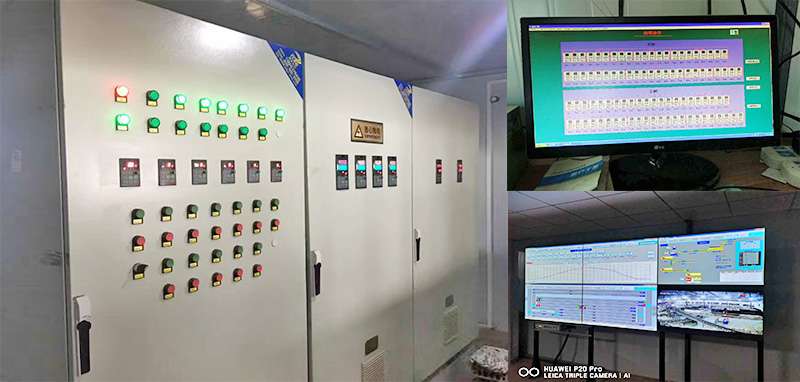
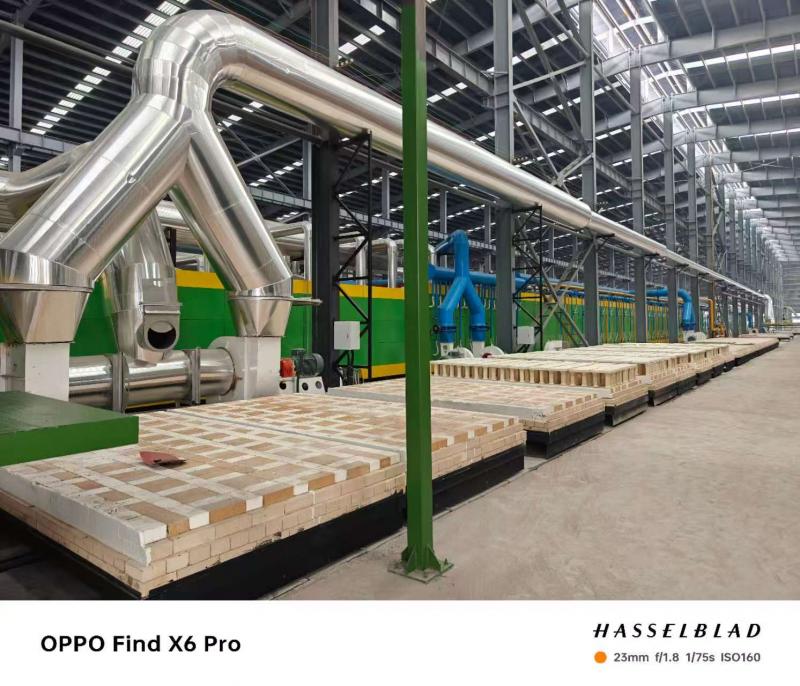
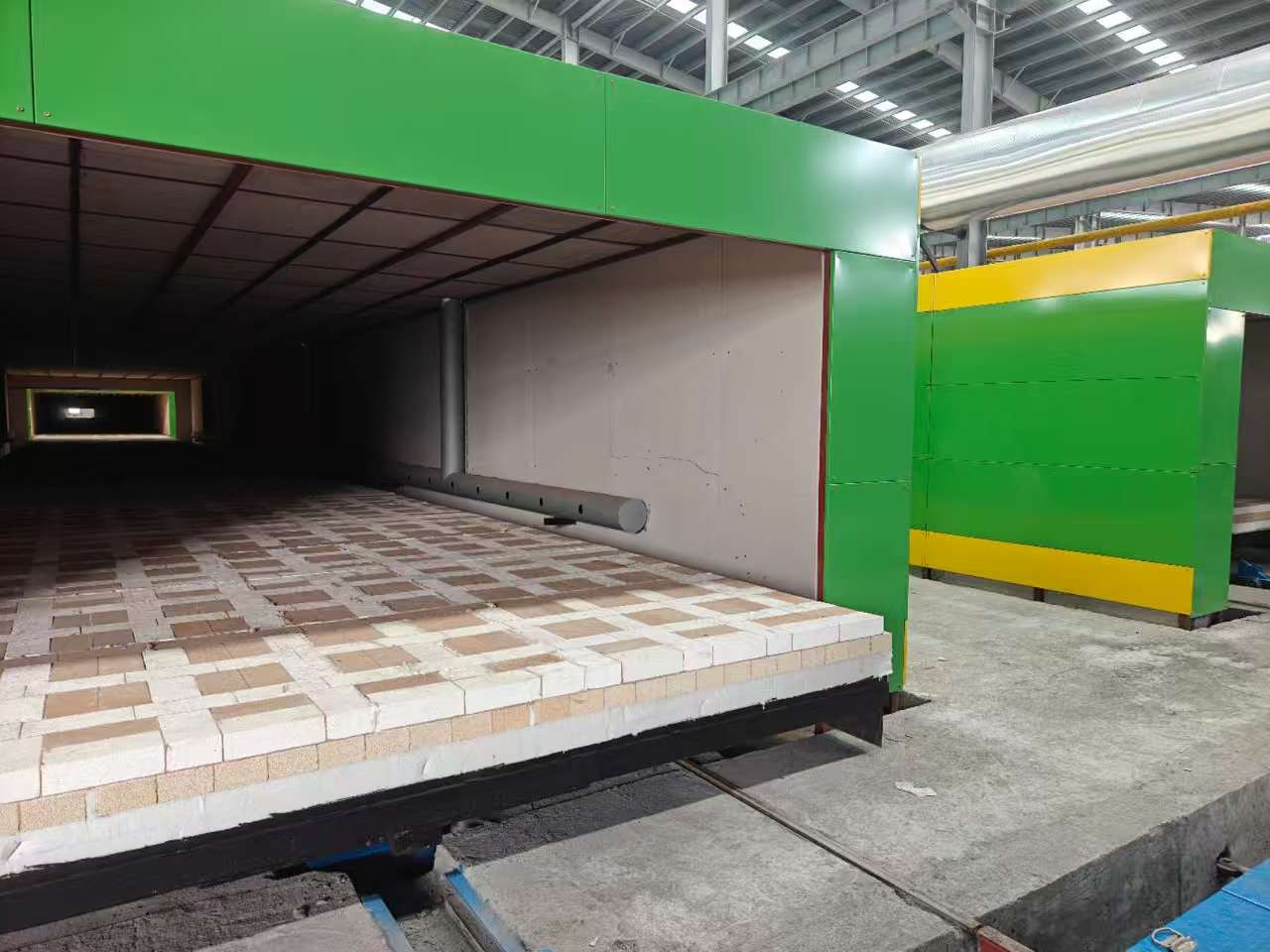
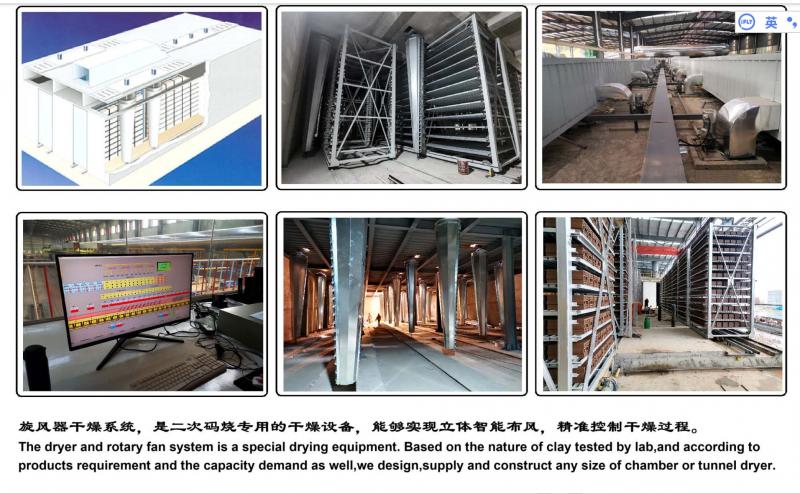
Depending on the physical and chemical analysis of raw materials and internal fuels, the kiln is suitable for manufacturing standard bricks, porous bricks, hollow bricks, and self-insulating bricks.
The typical roasting cycle spans 32h ~ 40h for standard bricks, 28h ~ 36h for porous bricks, and 24h ~ 30h for hollow bricks, scaling with material refractoriness and energy consumption.
Because heavy oil has a viscosity 3-5 times higher than diesel and flows like honey at room temperature, it requires preheating to over 80°C to achieve smooth pipe transportation and efficient combustion (~42 MJ/kg).
It utilizes natural gas combustion to generate high-temperature air, which is circulated evenly within the tunnel structure to provide consistent drying, curing, and heat treatment to passing materials.
Straight channel kilns generally feature a longer roasting cycle compared to parallel kilns, influenced directly by the refractoriness of the raw material matrix.
Due to high thermal efficiency and environmental friendliness, these systems are widely adopted across building materials, metallurgy, chemical engineering, and food processing sectors.