
China Suppliers Automatic Brick Stacking Robot - High-Speed Factory Solution for Tunnel and Rotary Kiln Projects
Product Show
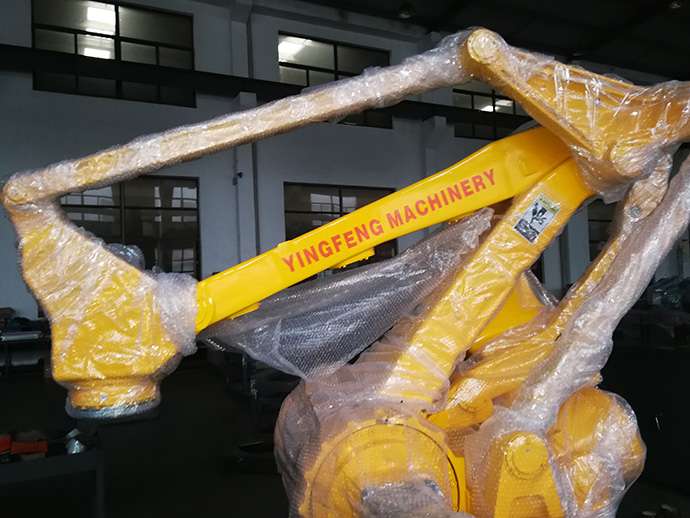
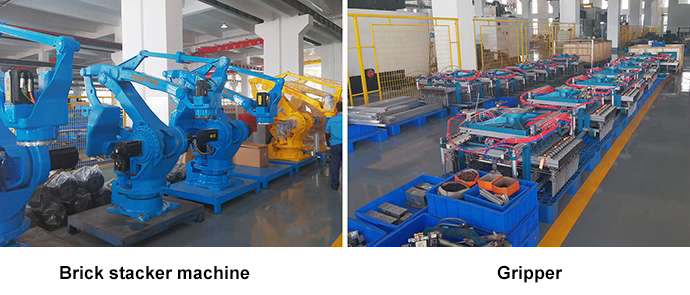
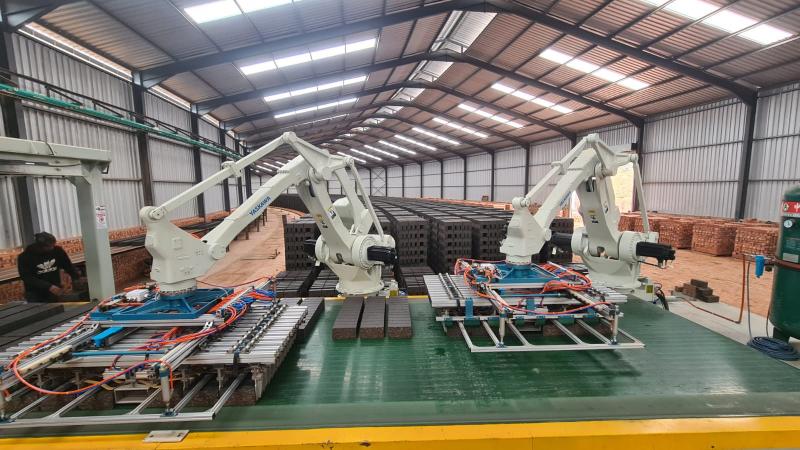
🔗
Click Here To See Other Brick Stacking Machine
Frequently Asked Questions
Q
What is a brick stacking robot and how does it work?
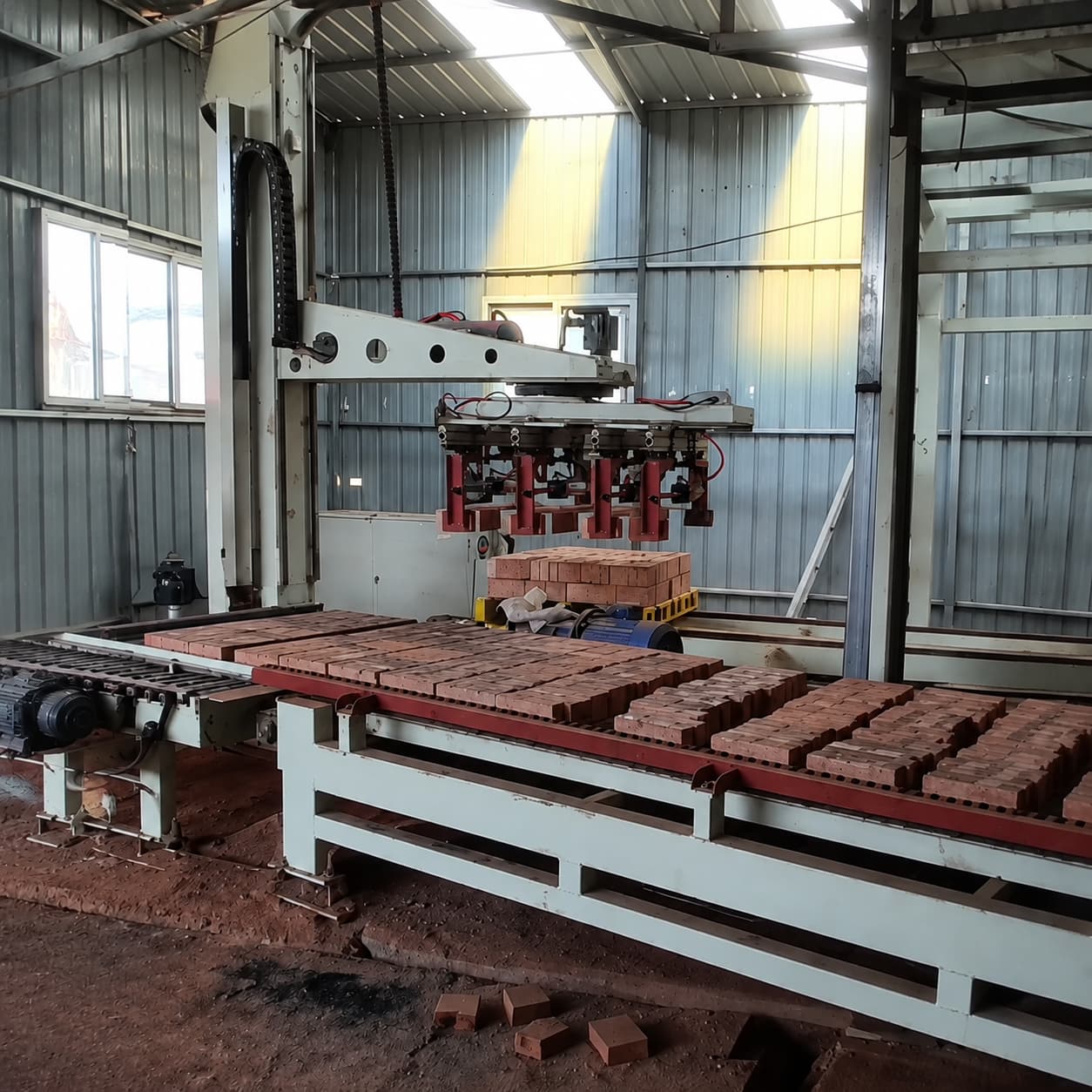
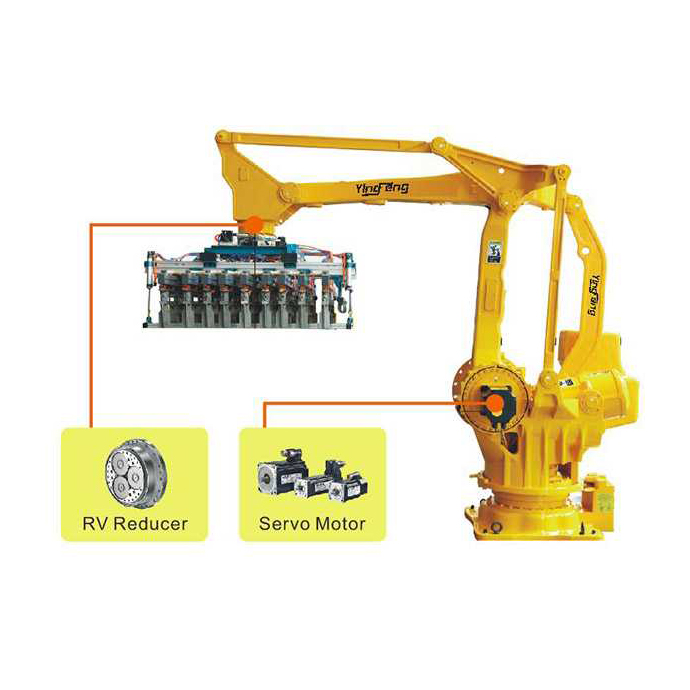
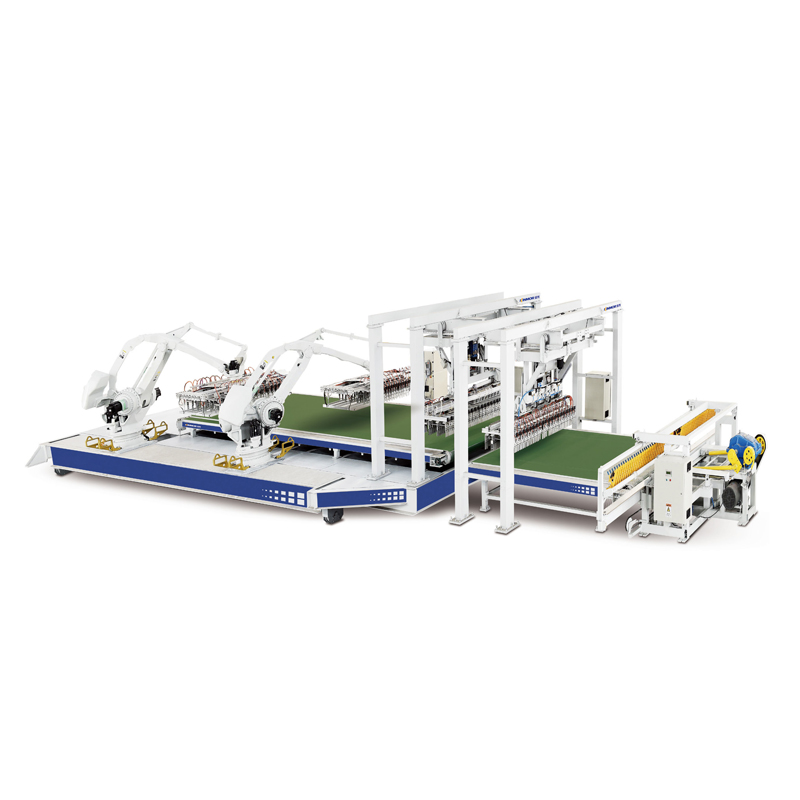
A brick stacking robot is an automated machine designed to stack bricks in precise, uniform layers. It uses programmable logic controllers (PLC) and mechanical arms or conveyors to pick, orient, and place bricks automatically, reducing manual labor and improving stacking consistency and efficiency.
Q
What types of bricks can the brick stacking robot handle?
Most brick stacking robots are compatible with a wide range of brick types, including standard clay bricks, hollow bricks, perforated bricks, and concrete blocks. The machine can typically be adjusted to accommodate different brick sizes and weights.
Q
What is the stacking capacity or output speed of the brick stacking robot?
The stacking capacity varies by model, but most industrial brick stacking robots can handle thousands of bricks per hour. The exact output depends on brick size, stacking pattern, and the specific machine configuration chosen.
Q
Is the brick stacking robot easy to operate and maintain?
Yes. The machine is designed with a user-friendly control panel and intuitive interface. Routine maintenance is straightforward, and most manufacturers provide detailed manuals, remote technical support, and on-site training to ensure smooth operation.
Q
Can the brick stacking robot be integrated into an existing production line?
Absolutely. Brick stacking robots are designed for seamless integration with existing brick production lines, including kilns, conveyors, and packaging systems. Custom configurations are available to match your specific production layout and requirements.
Q
What are the main advantages of using a brick stacking robot over manual stacking?
Using a brick stacking robot significantly reduces labor costs, minimizes human error, improves stacking uniformity, enhances workplace safety, and boosts overall production efficiency. It ensures consistent quality and allows continuous 24/7 operation without fatigue-related issues.