
China Single-Layer Chamber Clay Bricks Making Drying Machine Tunnel Dryer - Efficient Solution from Top Suppliers and Factory
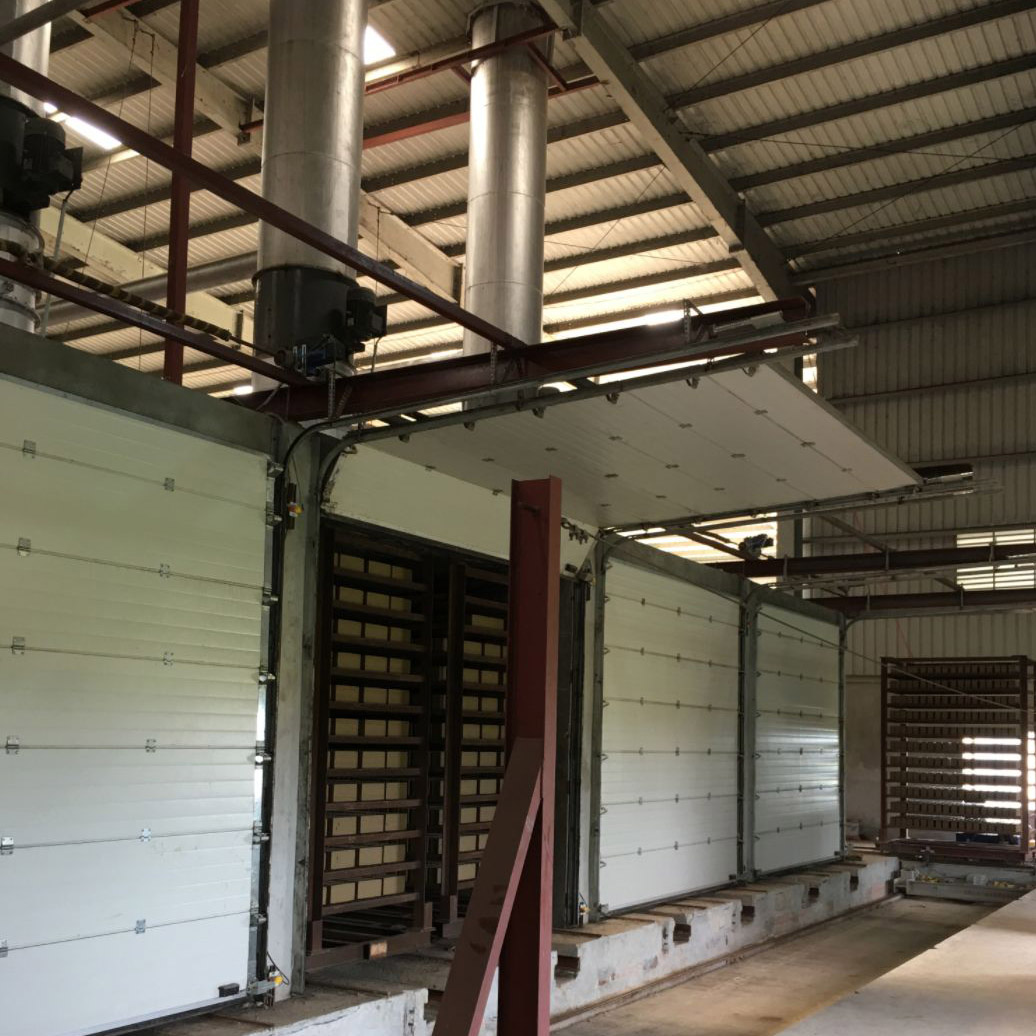
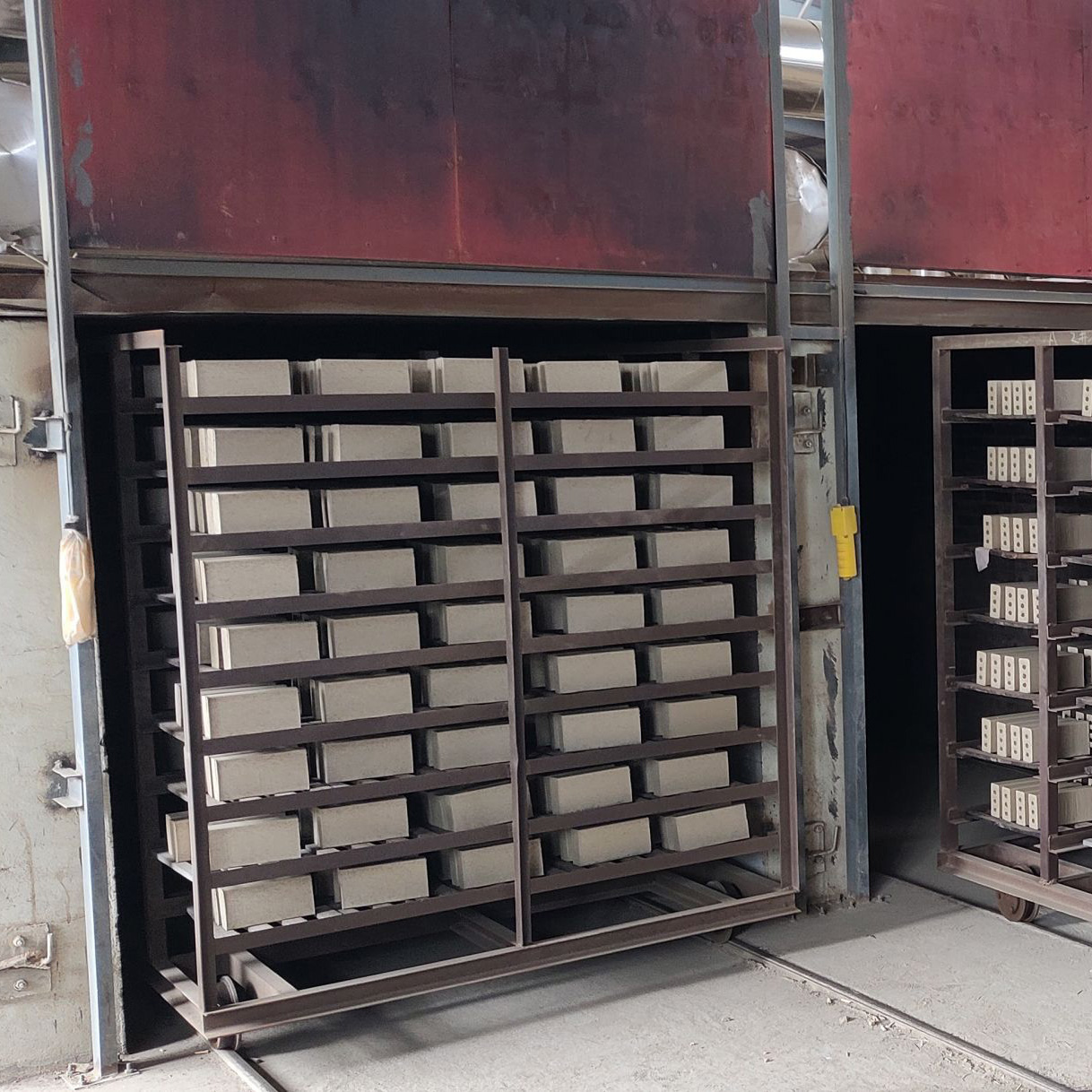
Channel-type tunnel structure with a single-layer track inside. Hot air is supplied by dedicated heat sources (such as kiln waste heat, hot air furnaces) and blown uniformly along the tunnel direction through fans. Brick green bodies advance at a constant speed on kiln cars, sequentially undergoing preheating, heating, and drying stages.
Features low equipment investment and simple operation, making it suitable for medium and small brick factories with relatively fixed processes.
Characterized by higher equipment complexity and investment, but offers better drying performance and energy efficiency, suitable for large brick factories and diversified product production.
Continuous operation, suitable for large-scale production. Brick blanks move slowly along tracks, undergoing four stages: preheating, heating up, high-temperature drying, and cooling.
AdvantagesShort drying cycle (generally 8~24 hours), uniform hot air distribution, low energy consumption.
Applicable ScenariosLarge-scale production of sintered bricks, load-bearing hollow bricks, etc.
Intermittent operation, batch feeding and batch discharging, simple structure, low investment.
AdvantagesSuitable for small and medium-sized enterprises or trial production of special varieties, flexible operation.
LimitationsLower thermal efficiency, higher risk of uneven drying.
Vertically arranged, utilizing gravity to allow material to flow downward from top to bottom, saving floor space.
ApplicationMostly used for powder or granular materials; less commonly used for brick blanks, but with attempts in specific processes.
Utilize waste heat from the exhaust and cooling sections of the firing kiln as the heat source, resulting in significant energy savings. Common in modern brick factories, often used in conjunction with tunnel dryers, reducing operating costs by over 20%.
Use saturated steam as the heating medium, heating the kiln air through aluminum fin heaters. Temperature control is stable, suitable for red bricks or special bricks with high requirements for temperature and humidity.
Heat air directly through a combustion furnace, with rapid temperature rise and low initial investment. The disadvantage is higher pollution, and they are gradually being replaced by environmentally friendly equipment.
A complete block drying room typically consists of the following systems:
Brick-concrete or metal structure with an insulation layer to reduce heat loss.
Includes fire pits, furnaces, chimneys, or steam pipelines.
Equipped with high-temperature resistant fans to achieve hot air circulation, commonly featuring combinations of under-air supply, side-air supply, and upper-moisture exhaust.
Regulates humidity by adjusting through roof exhaust ports or side wall air inlet holes to ensure timely removal of moisture.
Primarily manual control (for ordinary dryers) or equipped with temperature and humidity sensors and PLC automatic regulation (for modern dryers).
For daily output exceeding 100,000 blocks, prioritize tunnel dryers; for small batches, chamber dryers can be selected.
It is recommended to adopt kiln waste heat recovery systems to reduce fuel consumption and lower operating costs significantly.
Large production lines should be equipped with variable frequency fans + intelligent temperature control systems to improve drying stability.