
China Rubber Belt Box Feeder for Clay Brick Making - Reliable Suppliers & Factory Equipment
Advantages
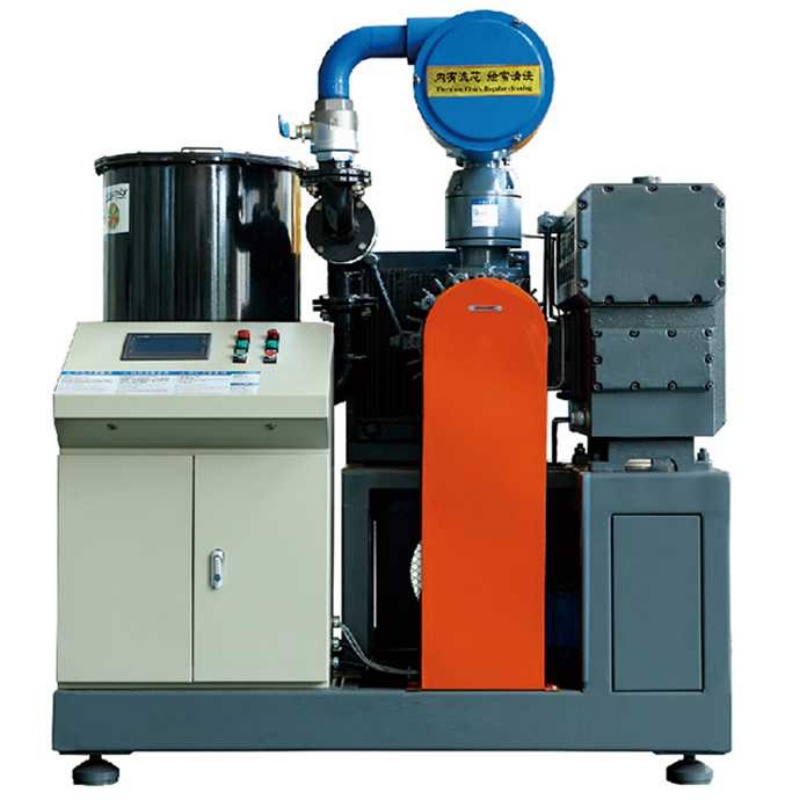
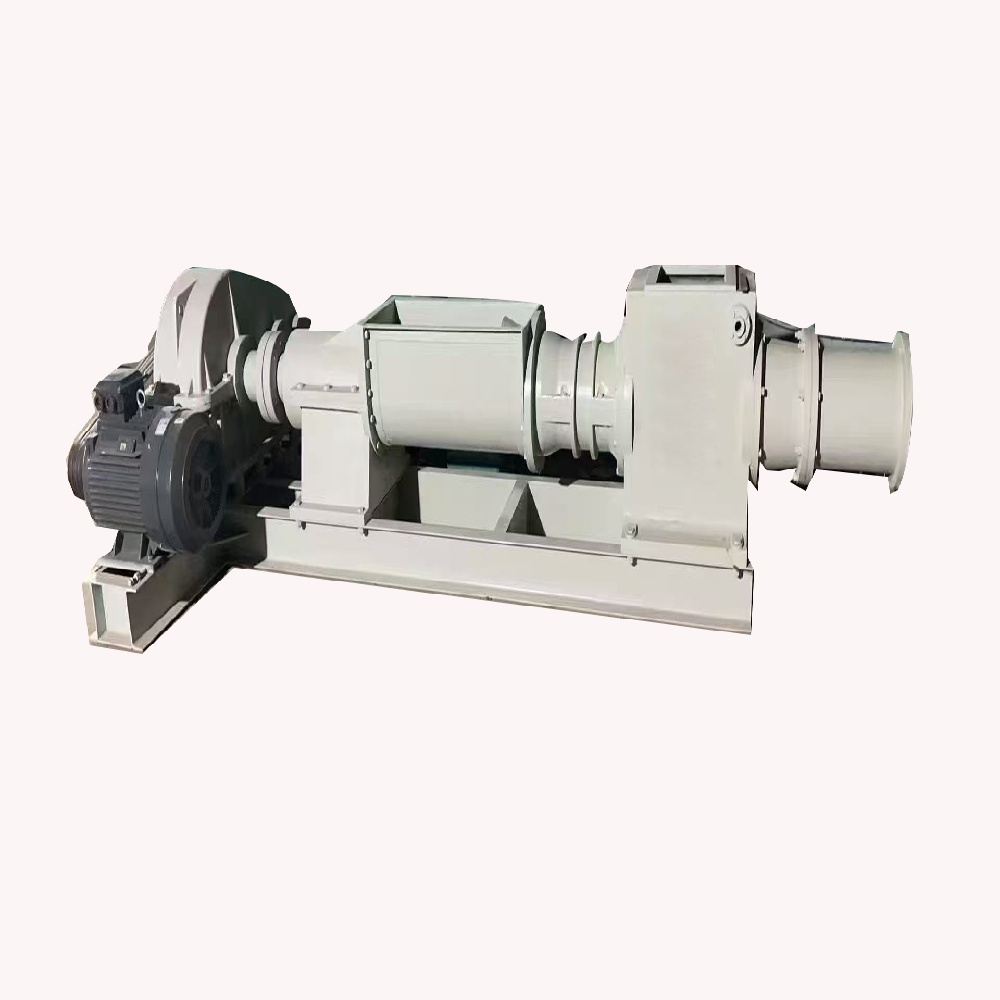
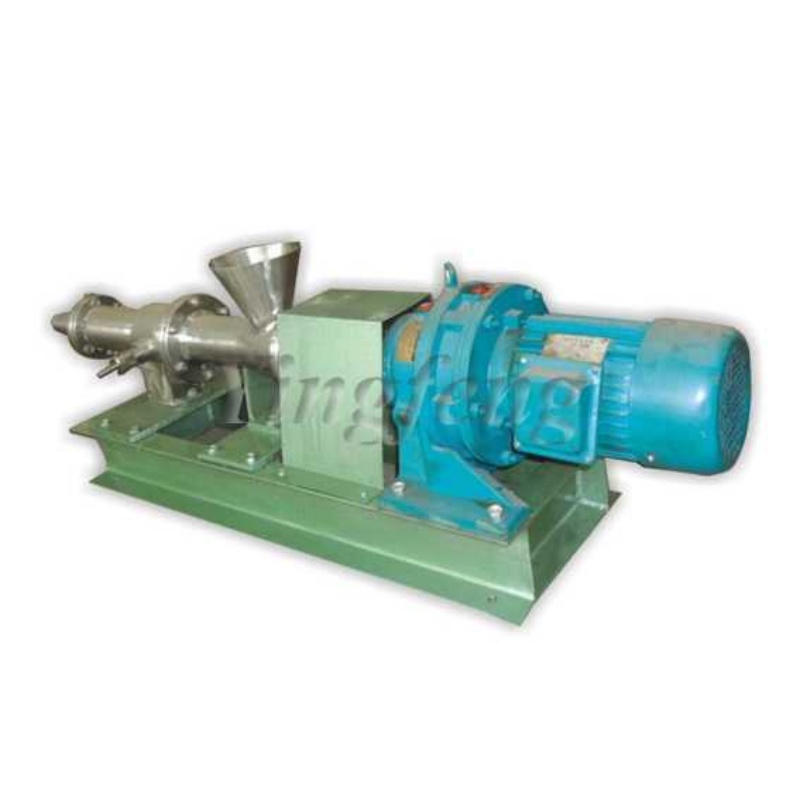
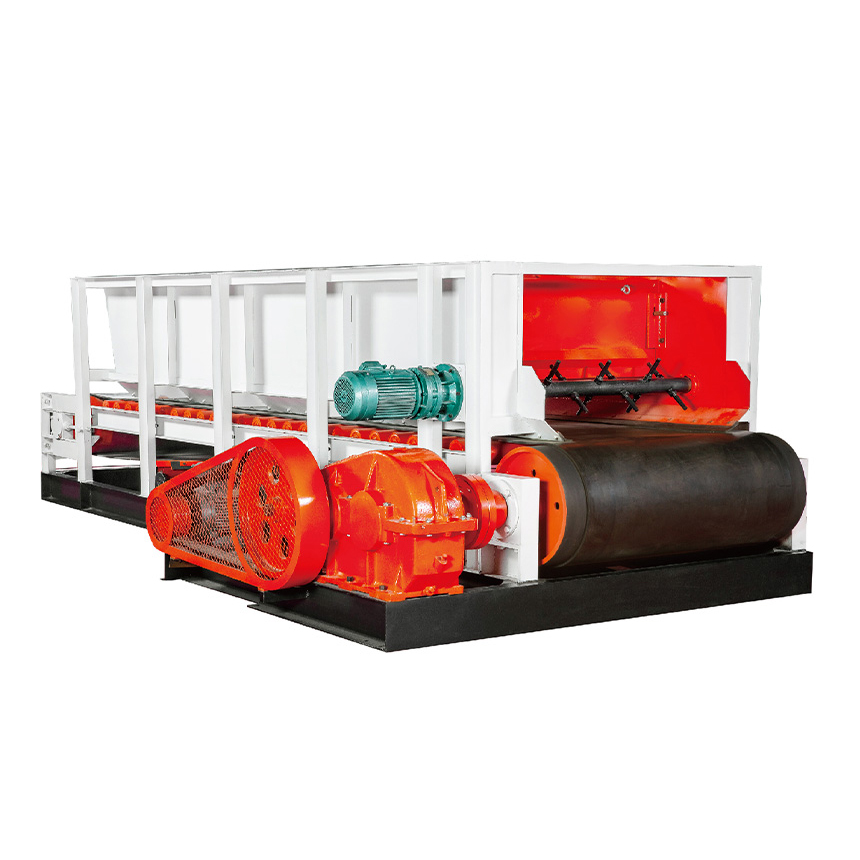
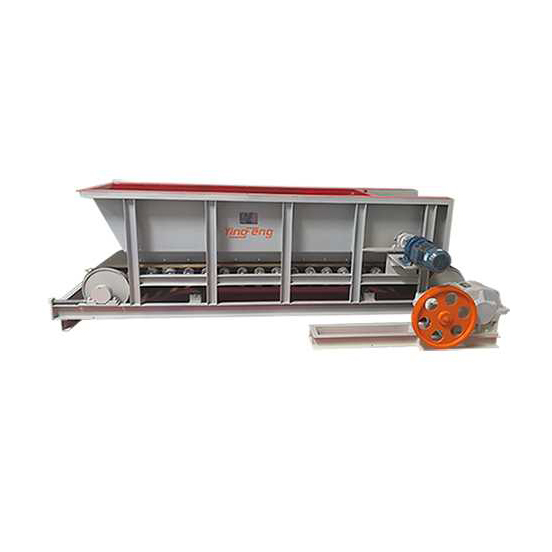
Simple structure, low cost, delivering a high (18%–24%) moisture content of raw materials — the most widely used box feeder.
Technical Parameters
| Type | Capacity (m³/h) | Power (KW) | Size | Moisture | Raw Material Input Size (mm) |
|---|---|---|---|---|---|
| GD50X250 | 10~25 | 4 | 2650×1600×1260 | ≤18%~24% | <250 |
| GD60X300 | 20~30 | 5.5 | 3670×1890×1470 | ≤18%~24% | <250 |
| GD80X400 | 20~50 | 7.5 | 4670×2050×1470 | ≤18%~24% | <250 |
| GD100X500 | 45~80 | 6~7.5 | 5560×2250×1470 | ≤18%~24% | <250 |
Click Here to See All Clay Brick Making Machine
The key to choosing a clay feeder that meets the needs of the production line lies in matching material characteristics, production pace, and process flow. Here are systematic selection suggestions to help you accurately match equipment:
First, Clarify the Three Core Parameters
1. Material Status
- Wet clay (moisture >20%): Box type chain plate feeder or shaftless screw conveyor is preferred for strong anti-clogging properties.
- Dry powder / small particle clay: Optional disc feeder or vibrating feeder for more uniform feeding.
- Impurity-containing raw materials: Recommended to pair with a sieve feeder, which has both crushing and homogenization functions.
2. Capacity Requirement (ton/hour)
- Small production line (<50 t/h): Adopts variable frequency control box feeder, with flexible adjustment and low cost.
- Large production lines (above 300 t/h): A belt plate feeder is required, such as the Henan Jiaoyang 300 t/h model, which has a stable structure and strong continuous operation capability.
3. Process Connection Position
- Initial coarse feeding: The combination of vibrating feeder and jaw crusher achieves uniform feeding and coarse crushing synchronization.
- Mid-section ingredient mixing: The circular sieve feeder can improve the uniformity of raw materials, which is superior to traditional mixers.
- Final quantitative conveying: Use a quantitative feeder (such as a belt or weight loss scale) with an accuracy of ±0.25% and support for an intelligent control system.
Frequently Asked Questions (FAQ)
QWhat is a box feeder and what is it used for in clay brick production?
A box feeder is a type of volumetric feeding equipment designed to deliver raw materials — such as clay — at a controlled and consistent rate into a production line. In clay brick manufacturing, it serves as the first step in the process, ensuring a steady and uniform supply of raw material to crushers, mixers, or extruders.
QWhat moisture content can the box feeder handle?
The box feeder models listed (GD50X250 to GD100X500) are all capable of handling raw materials with a moisture content of up to 18%–24%. This makes them especially suitable for wet clay applications where clogging is a common concern with other feeder types.
QHow do I choose the right box feeder model for my production line?
Selection depends on three core factors: (1) material status — wet, dry, or impurity-containing clay; (2) required capacity in tons per hour; and (3) the process connection position, such as initial feeding, mid-section mixing, or final quantitative conveying. Matching these factors to the model specifications ensures optimal performance and efficiency.
QWhat is the maximum input size of raw material for these box feeders?
All four box feeder models — GD50X250, GD60X300, GD80X400, and GD100X500 — accept raw material input sizes of less than 250 mm. This ensures compatibility with most standard clay and raw earth materials used in brick production without requiring pre-crushing.
QWhat type of feeder is recommended for large-scale production lines exceeding 300 t/h?
For large-scale production lines with a capacity exceeding 300 tons per hour, a belt plate feeder is recommended. This type of feeder offers a stable structure and strong continuous operation capability, making it ideal for high-volume, uninterrupted industrial clay processing.
QCan the box feeder be integrated with an intelligent control system?
Yes. For final quantitative conveying applications, feeders such as belt or weight-loss scale feeders can be paired with intelligent control systems, achieving a feeding accuracy of ±0.25%. Variable frequency control is also available on box feeders for small production lines, allowing flexible and precise output adjustment.