
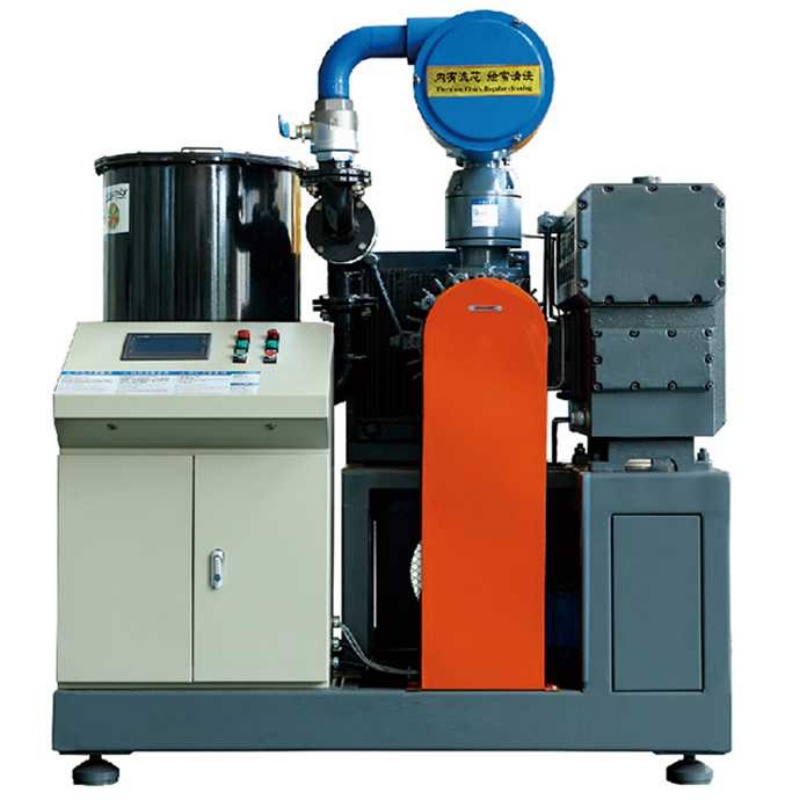
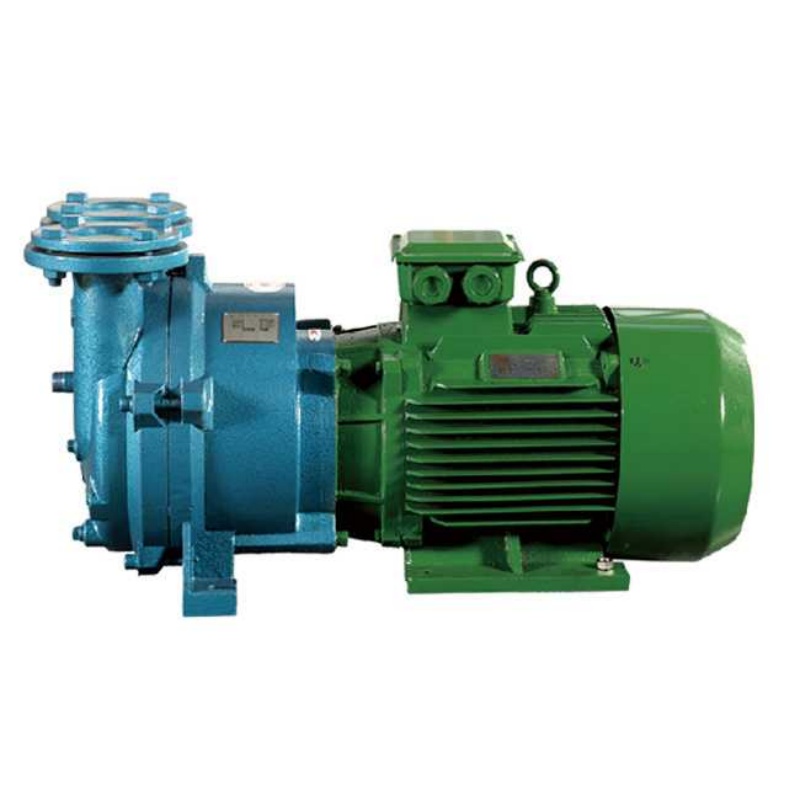
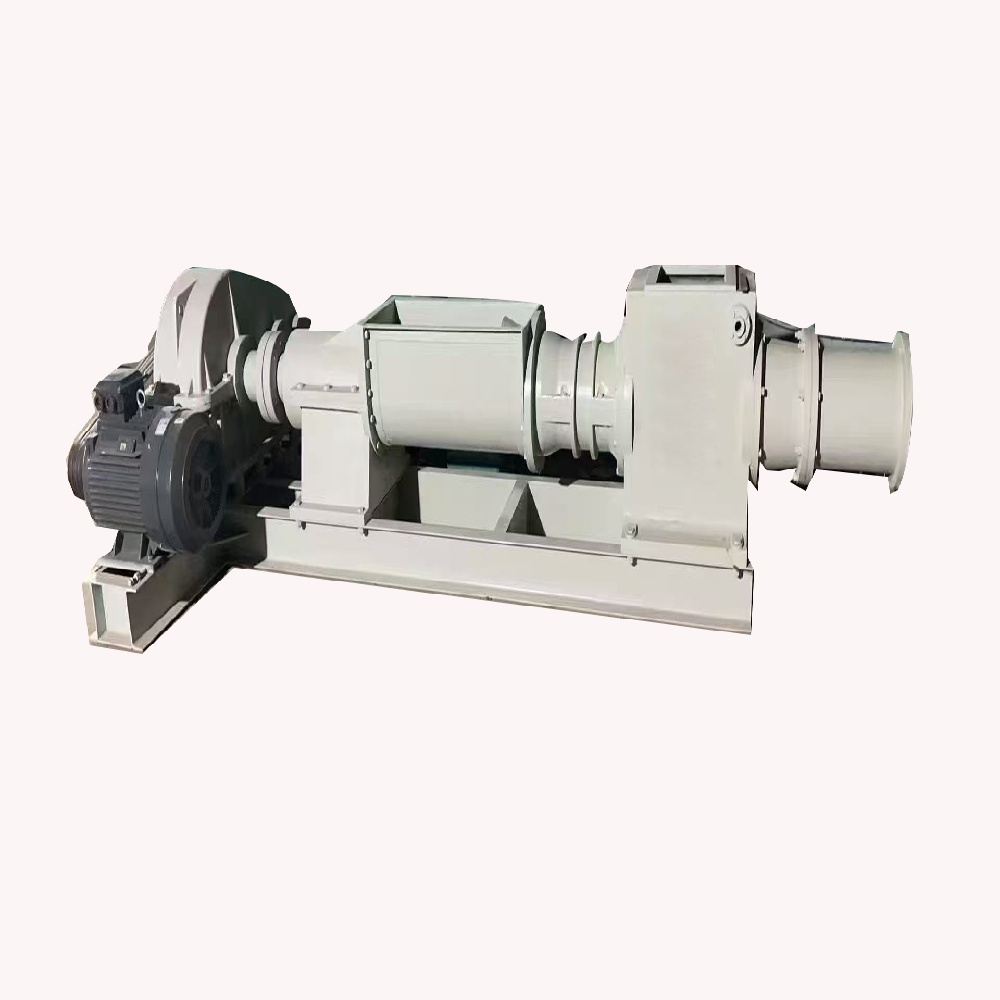
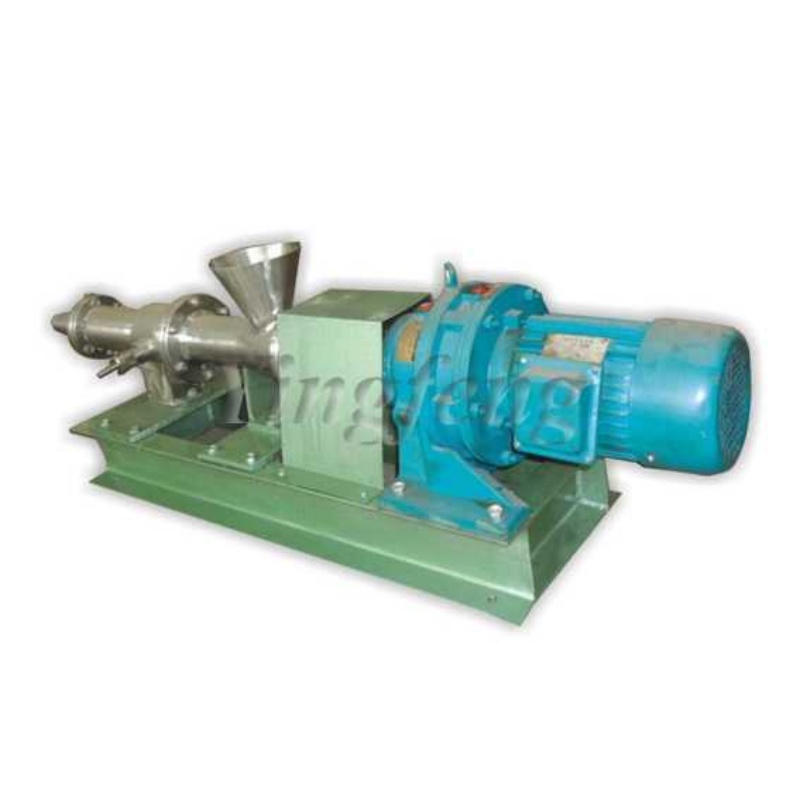
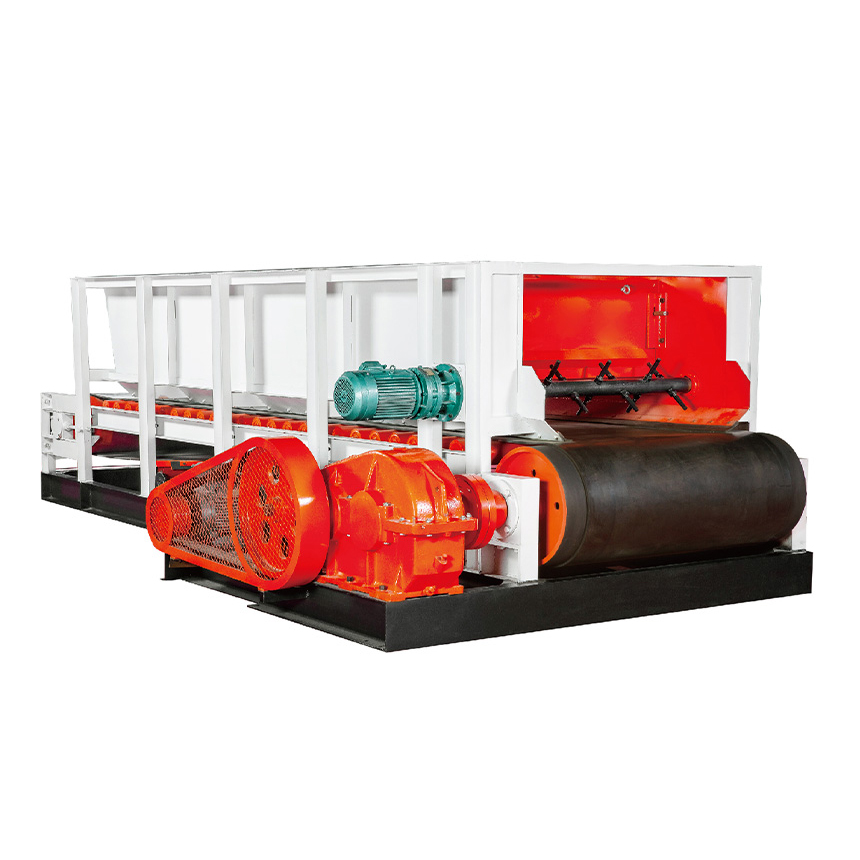
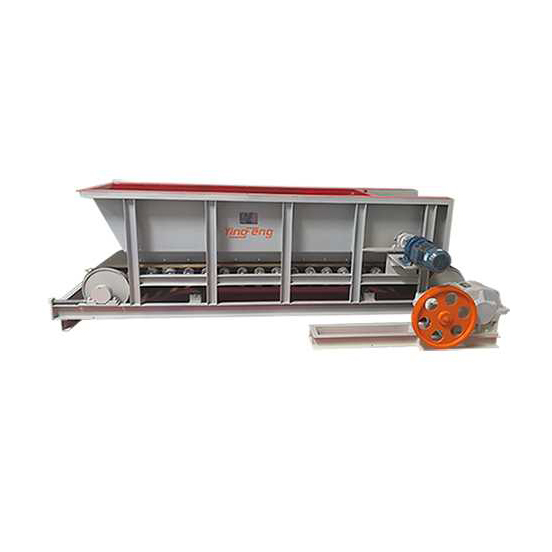
China Rubber Belt Box Feeder for Clay Brick Making - Reliable Suppliers and Factory Equipment
Advantages
Simple structure, Low cost, delivering a high (18%-24%) moisture content of raw materials, the most widely used box feeder
Technical Parameters
| Type | Capacity (m³/h) | Power (KW) | Size | Moisture | Raw material Input size (mm) |
|---|---|---|---|---|---|
| GD50X250 | 10~25 | 4 | 2650X1600X1260 | ≤18%~24% | <250 |
| GD60X300 | 20~30 | 5.5 | 3670X1890X1470 | ≤18%~24% | <250 |
| GD80X400 | 20~50 | 7.5 | 4670X2050X1470 | ≤18%~24% | <250 |
| GD100X500 | 45~80 | 6~7.5 | 5560X2250X1470 | ≤18%~24% | <250 |
The key to choosing a clay feeder that meets the needs of the production line lies in matching material characteristics, production pace, and process flow. Here are systematic selection suggestions to help you accurately match equipment:
First, clarify the three core parameters
Material status
- Wet clay (moisture content>20%): Box type chain plate feeder or shaftless screw conveyor is preferred for strong anti clogging properties.
- Dry powder/small particle clay: optional disc feeder or vibrating feeder for more uniform feeding.
- Impurity containing raw materials: It is recommended to pair it with a sieve feeder, which has both crushing and homogenization functions.
Capacity requirement (ton/hour)
- Small production line (< 50t/h): adopts variable frequency control box feeder, with flexible adjustment and low cost.
- Large production lines (above 300t/h): A belt plate feeder is required, such as the Henan Jiaoyang 300t/h model, which has a stable structure and strong continuous operation capability.
Process connection position
- Initial coarse feeding: The combination of vibrating feeder and jaw crusher achieves uniform feeding and coarse crushing synchronization.
- Mid section ingredient mixing: The circular sieve feeder can improve the uniformity of raw materials, which is superior to traditional mixers.
- Final quantitative conveying: Use a quantitative feeder (such as a belt or weight loss scale) with an accuracy of ± 0.25% and support for an intelligent control system.
Frequently Asked Questions (FAQ)
What is the moisture handling capability of the GD series box feeder?
The GD series box feeder effectively handles raw material moisture content levels ranging from ≤18% up to 24%, making it ideal for wet clay processing while minimizing blockages.
Which box feeder model is suitable for a feeding capacity of 20 to 50 m³/h?
The GD80X400 model is rated for capacities between 20 and 50 m³/h, running on a 7.5 KW motor with overall dimensions of 4670X2050X1470 mm.
What type of clay feeder works best for wet clay exceeding 20% moisture?
For high-moisture raw clay exceeding 20%, a box-type chain plate feeder or a shaftless screw conveyor is recommended due to its anti-clogging and steady-discharge design.
What is the maximum raw material input size for the GD series?
All standard GD models (GD50X250 through GD100X500) accept a raw material input particle size of under 250 mm (<250 mm).
How should clay feeders be selected for different production scales?
Small production lines under 50 t/h typically benefit from a variable frequency control box feeder for cost-effective operation. For large plants exceeding 300 t/h, a heavy-duty belt plate feeder is advised for continuous high-load capability.
What feeder configuration ensures high precision in final quantitative conveying?
A quantitative feeder such as an intelligent belt scale or loss-in-weight feeder provides precision feeding with an accuracy of ±0.25%, supporting synchronized smart production control.