请留言
Explore our core machinery engineered for consistent density, thermal efficiency, and streamlined brick yard operations in Chile.
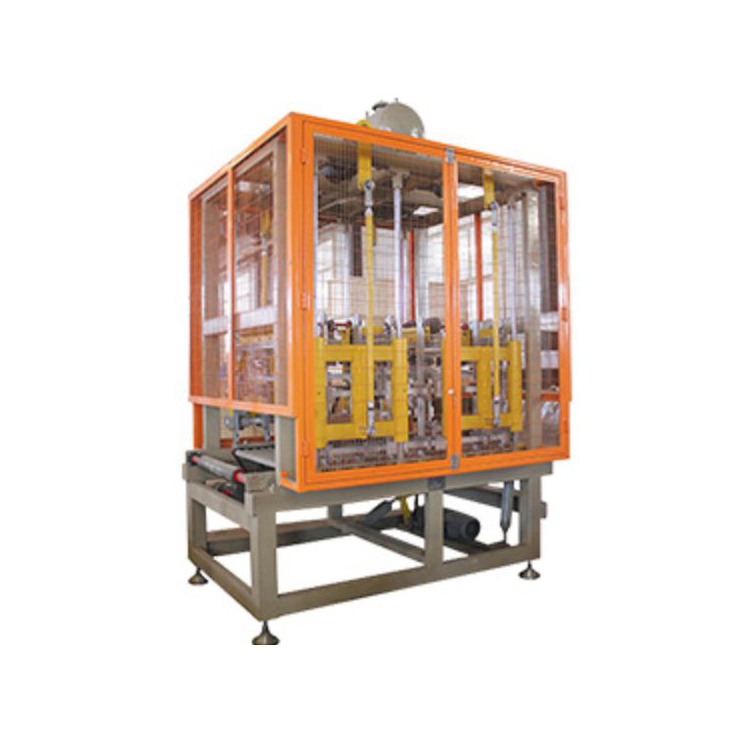
Adapting high-yield Chinese clay brick engineering to the seismic building codes, thermal standards, and evolving labor structures across Chile.
The construction sector across Chile—from the urban developments of Santiago and Valparaíso to regional infrastructure in Maule, Biobío, and Araucanía—places rigorous demands on fired clay and mud brick products. Due to Chile's high seismic vulnerability, standard construction demands load-bearing structural bricks that comply strictly with Chilean Standards (Normas Chilenas, such as NCh169 and NCh2123 for reinforced masonry). Conventional artisanal adobe or manual mud brick kilns cannot guarantee the dimensional uniformity or compressive load ratings (often requiring minimum thresholds exceeding 10 to 15 MPa) demanded by modern structural engineers. Consequently, Chilean brick manufacturers are moving rapidly toward industrial vacuum extruders, precision electronic cutting tables, and automated tunnel kilns supplied by Chinese manufacturers.
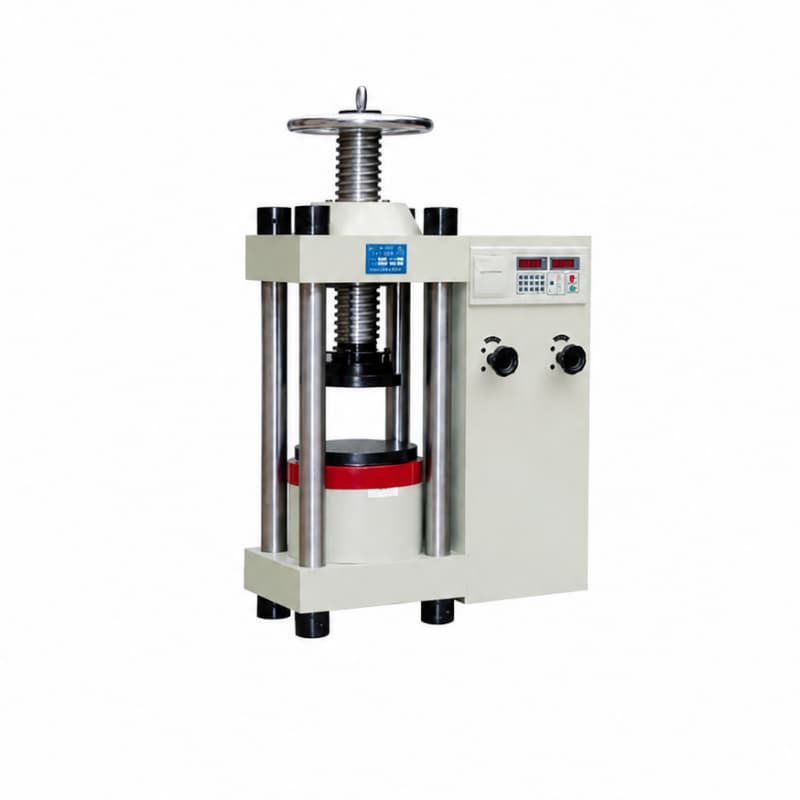
China mud brick machinery manufacturers bridge this gap by delivering heavy-duty stiff-extrusion machines and continuous vacuum systems capable of turning diverse Chilean raw clays, volcanic soils, and alluvial mud deposits into dense, homogeneous green bricks. By utilizing digital hydraulic testing presses and controlled forming chambers, producers guarantee that every structural brick, perforated acoustic unit, and thermal exterior block produced meets national resistance parameters against dynamic seismic shear.
Extracts micro-air pockets from dense volcanic and alluvial Chilean soils, enhancing compressive resistance to meet strict NCh169 structural criteria.
Produces advanced multi-perforated hollow bricks conforming to Chilean thermal insulation decrees (OGUC Art. 4.1.10) for Southern zones.
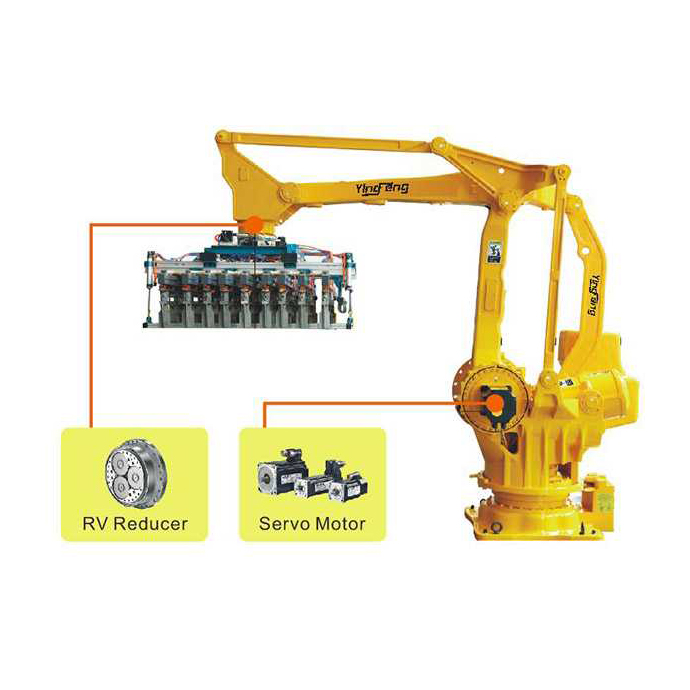
Mitigates labor shortages in Central and Southern Chile by reducing manual touchpoints and boosting continuous 24/7 kiln efficiency.
Chile's General Urban Planning and Construction Ordinance (OGUC), specifically Article 4.1.10 concerning thermal envelope efficiency, has mandated dramatic improvements in building energy savings, particularly in the central and southern regions (Rancagua, Talca, Concepción, Temuco, and Puerto Montt). As winter heating costs rise and environmental authorities regulate wood-smoke particulate emissions, architectural specifications favor hollow fired-clay blocks and ventilated mud-brick facades that provide superior thermal mass and natural breathability.
In response, modern Chinese mud brick machines utilize specialized multi-core extrusion dies. These allow producers to formulate lightweight yet robust cellular mud blocks with intricate internal chambers. These voids trap still air, substantially lowering U-values (thermal transmittance) while retaining high acoustic dampening properties. Furthermore, regional environmental authorities (Superintendencia del Medio Ambiente) are penalizing smoke emissions from archaic clamp kilns. Chilean operators are rapidly converting to automated rotary kilns and enclosed tunnel kilns that use cleaner-burning fuels, biomass, or natural gas, complete with digital humidity and thermal management instruments.
Chile presents a unique climatic ribbon stretching thousands of kilometers, dictating varied production needs:
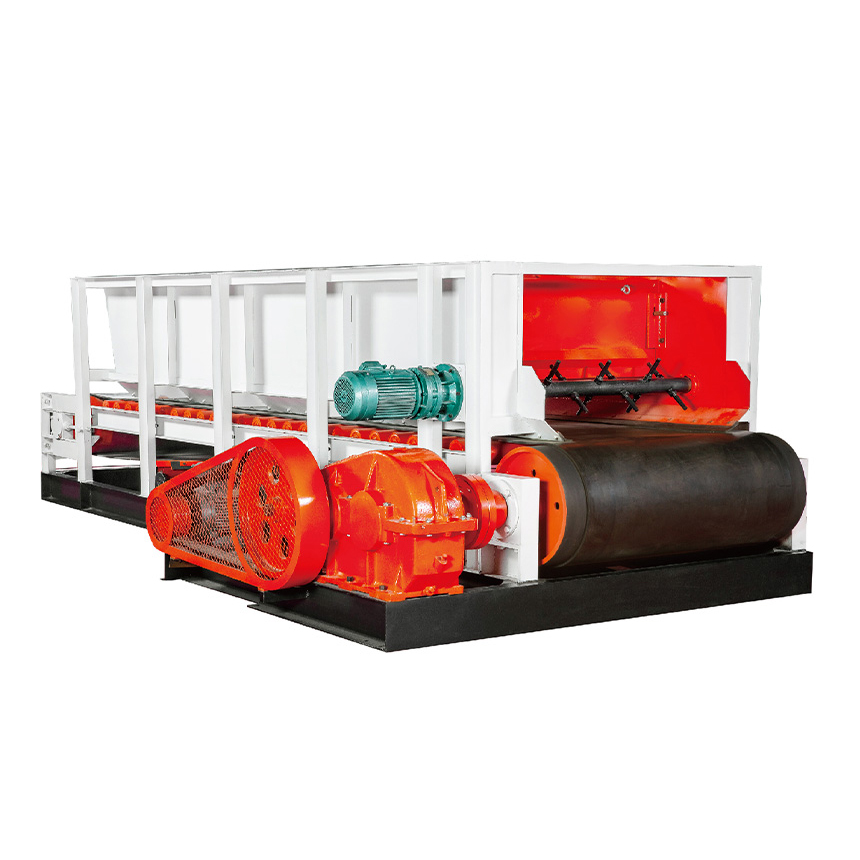
1. Northern & Atacama Regions: In areas like Antofagasta and Copiapó, mining infrastructure demands heavy non-flammable storage enclosures and durable administrative facilities. Machinery must handle dry, saline, and arid soil compositions with low initial moisture content, making heavy-duty box feeders and high-pressure double-shaft mixers imperative.
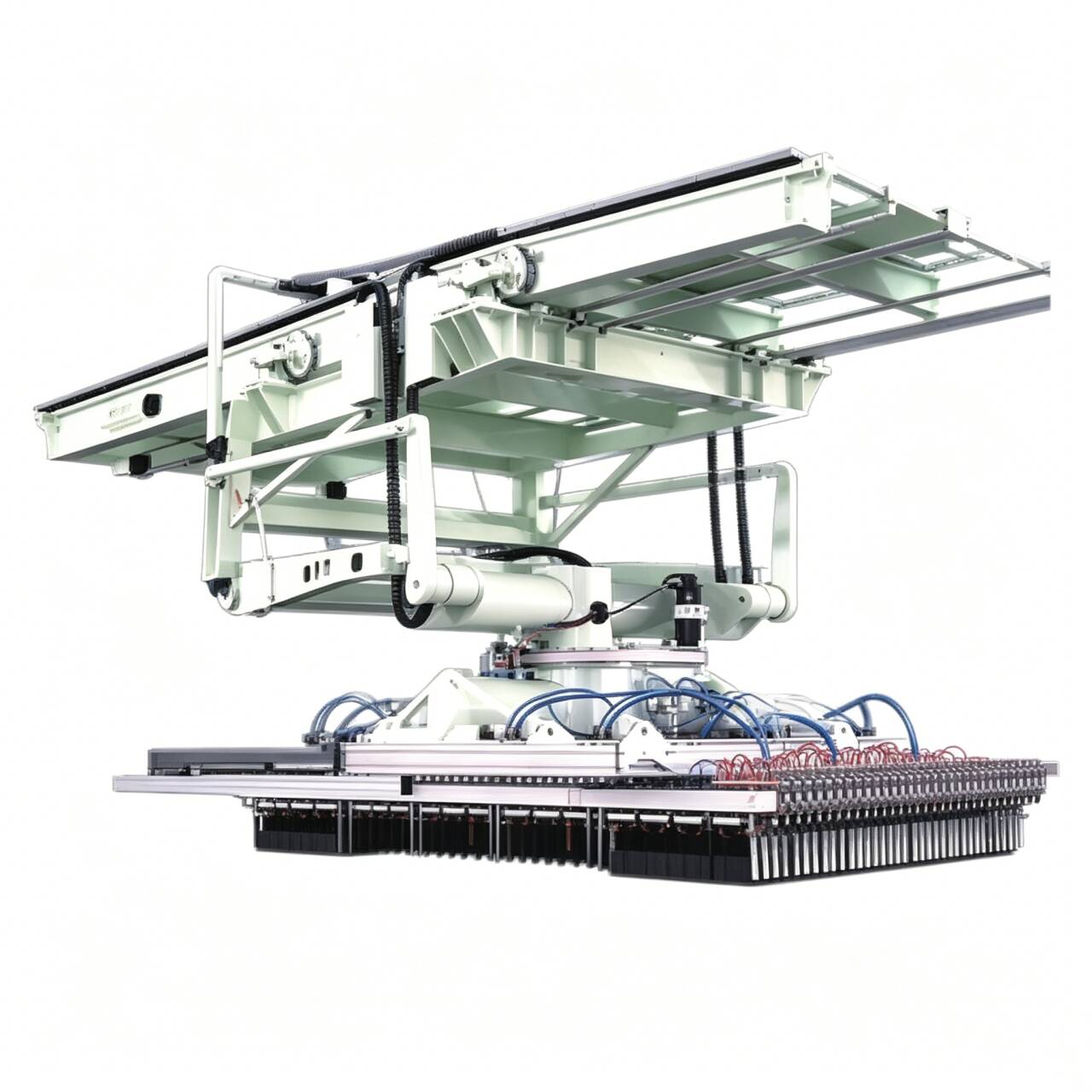
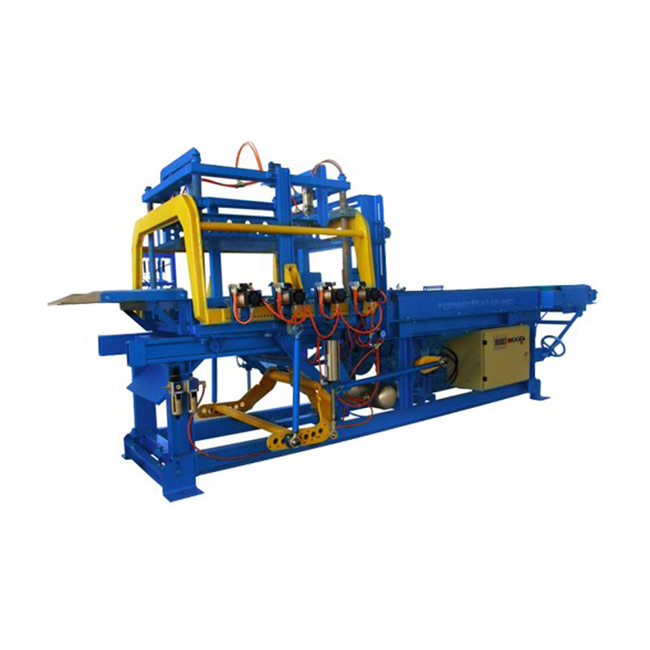
2. Central Metropolitan Valley: Rapid urban growth in Santiago and suburban residential developments require mass production of fair-faced architectural bricks (ladrillo a la vista) and modular pavers. High-speed automatic cutters and mantis brick stackers ensure high-volume output with zero chip damage.
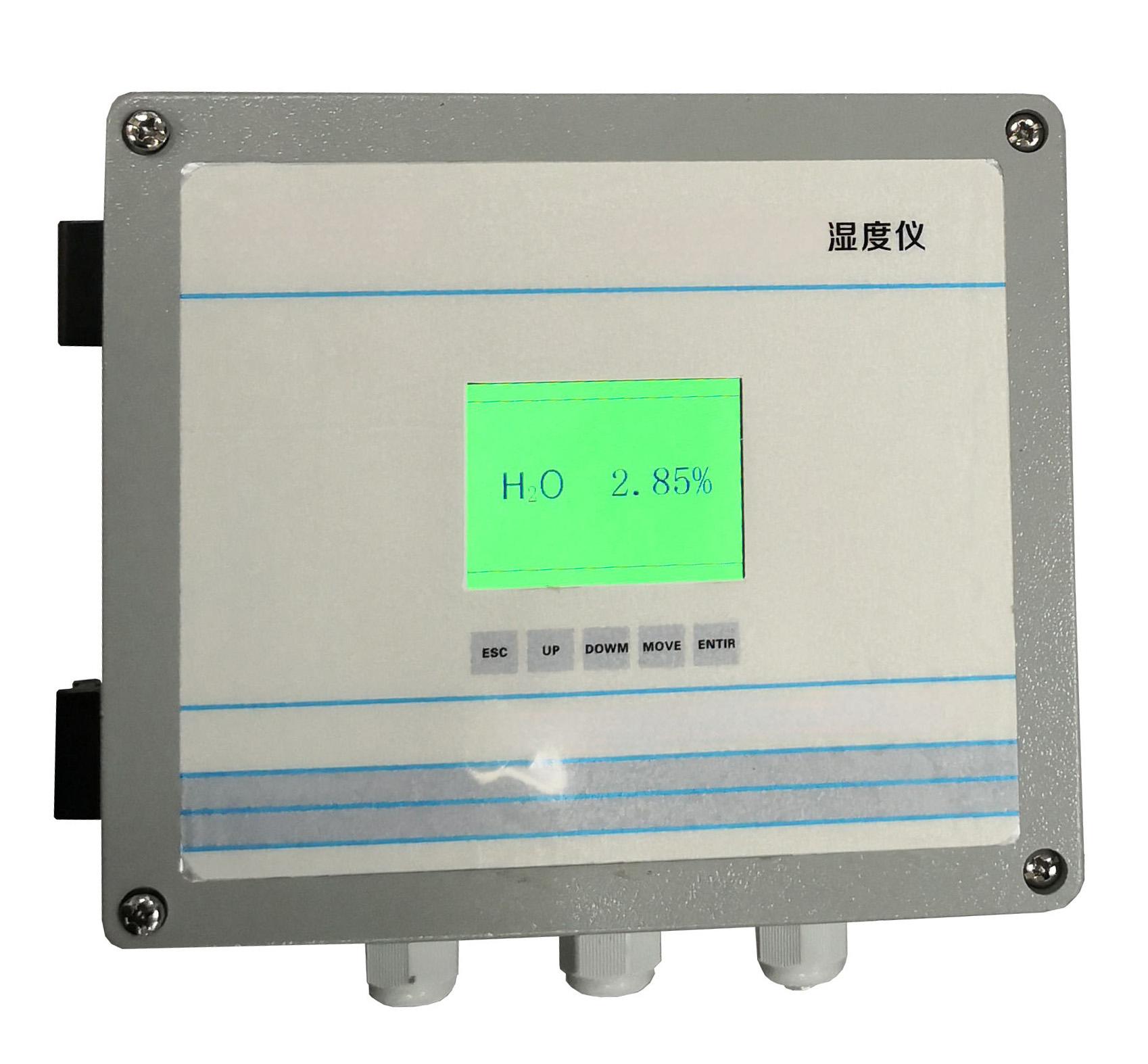
3. Southern Bio-Climatic Regions: Heavy precipitation in Los Ríos and Los Lagos necessitates automated artificial drying tunnels before firing. Our smart humidity sensors and high-volume drying chambers ensure green bricks cure evenly without freeze-thaw or shrinkage cracking.
We Henan Cadier Green Building Technology Co.,Ltd are dedicated to the overall solution of large-scale production line of new energy-saving and environmentally friendly wall materials and the integration of high-end building resources since 2009.
Our company covers an area of 41,000 square meters, including 15,600 square meters for production workshops and 4,000 square meters for office, R&D centers and supporting buildings. It currently has multiple engineers and more than 60 mid-to-senior technical personnel providing high-tech engineering tailored for overseas installations including Latin American and Chilean markets.
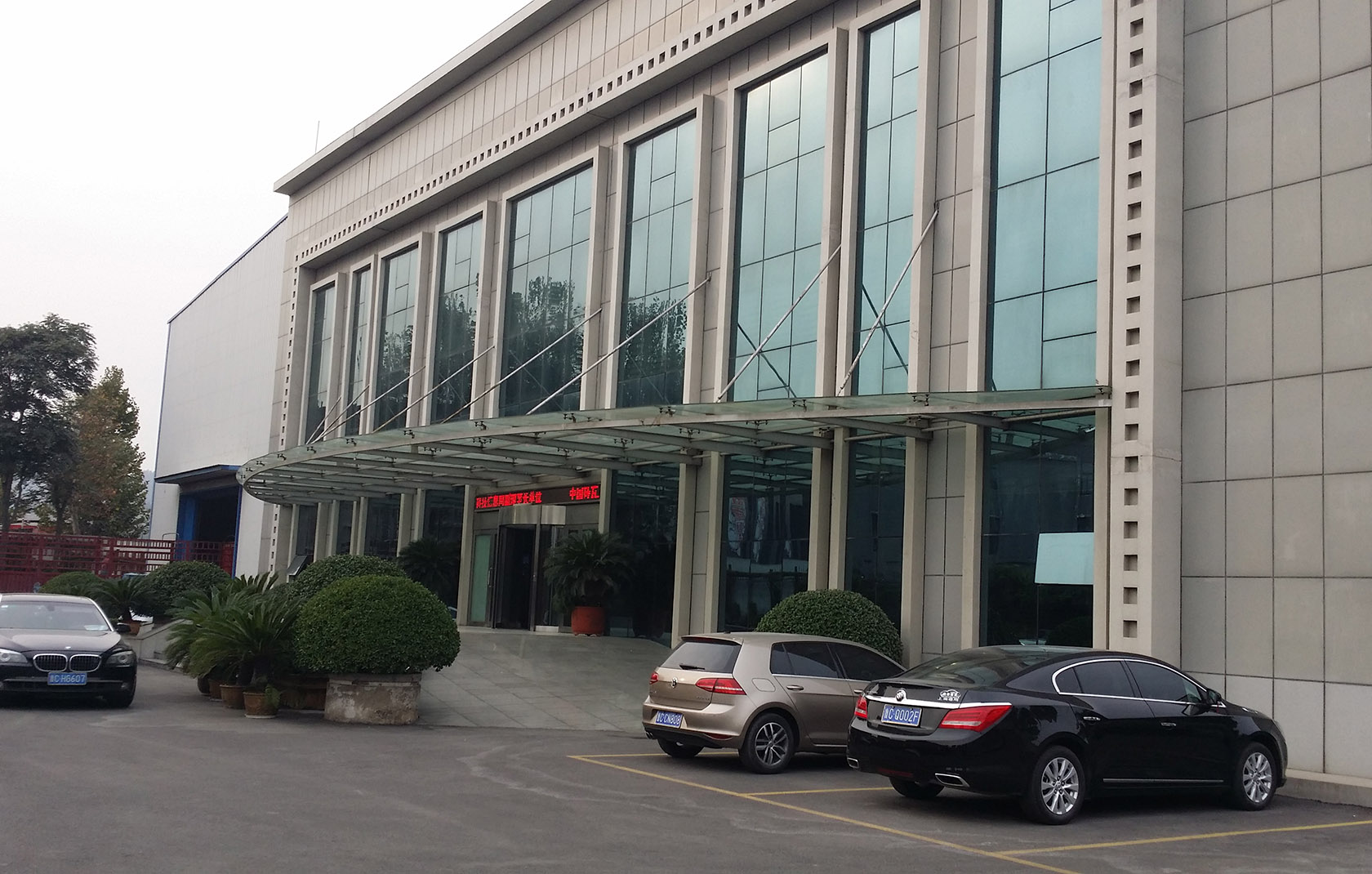
We supply all the high end equipment related with bricks and tile production, specially optimized for varied clays and operational environments:
As of today, we have obtained more than 100 patents for brick kiln. We continuously enhance our technical capabilities to strive to provide customers with efficient and high-output automated brick factories worldwide.
Ensuring complete plant reliability from soil chemical analysis to kiln commissioning.
Ensuring customers' peace of mind through a comprehensive service ecosystem and advanced testing capabilities.
Our company provides one-stop service, ensuring customers' peace of mind. Our company is equipped with a complete set of raw material testing and inspection equipment, as well as remote services. We provide comprehensive technical support to customers from factory design, brick machine equipment selection, brick plant construction, to the later operation of the brick plant.
All core components necessary for setting up a modern, automated brick manufacturing operation.