English
English Chinese Simplified Chinese Traditional French German Portuguese Spanish Russian Japanese Korean Arabic Irish Greek Turkish Italian Danish Romanian Indonesian Czech Afrikaans Swedish Polish Basque Catalan Esperanto Hindi Lao Albanian Amharic Armenian Azerbaijani Belarusian Bengali Bosnian Bulgarian Cebuano Chichewa Corsican Croatian Dutch Estonian Filipino Finnish Frisian Galician Georgian Gujarati Haitian Hausa Hawaiian Hebrew Hmong Hungarian Icelandic Igbo Javanese Kannada Kazakh Khmer Kurdish Kyrgyz Latin Latvian Lithuanian Luxembou.. Macedonian Malagasy Malay Malayalam Maltese Maori Marathi Mongolian Burmese Nepali Norwegian Pashto Persian Punjabi Serbian Sesotho Sinhala Slovak Slovenian Somali Samoan Scots Gaelic Shona Sindhi Sundanese Swahili Tajik Tamil Telugu Thai Ukrainian Urdu Uzbek Vietnamese Welsh Xhosa Yiddish Yoruba Zulu Kinyarwanda Tatar Oriya Turkmen Uyghur Abkhaz Acehnese Acholi Alur Assamese Awadish Aymara Balinese Bambara Bashkir Batak Karo Bataximau Longong Batak Toba Pemba Betawi Bhojpuri Bicol Breton Buryat Cantonese Chuvash Crimean Tatar Sewing Divi Dogra Doumbe Dzongkha Ewe Fijian Fula Ga Ganda (Luganda) Guarani Hakachin Hiligaynon Hunsrück Iloko Pampanga Kiga Kituba Konkani Kryo Kurdish (Sorani) Latgale Ligurian Limburgish Lingala Lombard Luo Maithili Makassar Malay (Jawi) Steppe Mari Meitei (Manipuri) Minan Mizo Ndebele (Southern) Nepali (Newari) Northern Sotho (Sepéti) Nuer Occitan Oromo Pangasinan Papiamento Punjabi (Shamuki) Quechua Romani Rundi Blood Sanskrit Seychellois Creole Shan Sicilian Silesian Swati Tetum Tigrinya Tsonga Tswana Twi (Akan) Yucatec Maya
请留言
    

China Integrated Drying and Firing Tunnel Kiln Suppliers for Efficient Brick Factory Production

Introducing the Drying and Firing Integrated Tunnel Kiln, a groundbreaking innovation from China that is set to transform the brick and tile production industry. This advanced equipment seamlessly combines the traditional separate drying and sintering processes into a continuous production workflow, eliminating the need for separate chambers. By integrating all stages—from wet green body feeding to drying, preheating, sintering, and cooling—into one single kiln, this solution significantly enhances production efficiency, cost management, and product quality, What truly distinguishes this kiln is its optimized structure and intelligent operation, addressing the critical challenges of high labor intensity, excessive energy consumption, and inconsistent product quality faced by traditional suppliers. The equipment streamlines the production process, minimizes intermediate steps like green body transfer, and maximizes waste heat utilization—recycling heat to power the drying section. This innovation leads to energy savings of over 20% compared to conventional tunnel kilns, For brick factories, particularly small to medium-sized enterprises producing sintered bricks from materials such as coal gangue, shale, and clay, this integrated design offers significant advantages. It reduces civil engineering costs, lowers equipment investments, and saves valuable factory floor space. Equipped with an automated control system, the tunnel kiln guarantees 24-hour continuous operation, maintains uniform temperature within the kiln, and ensures controllable firing cycles, all of which enhance brick strength, compactness, and aesthetic consistency, Whether your goal is to lower production costs, boost efficiency, or refine product quality, the Drying and Firing Integrated Tunnel Kiln represents a cost-effective and efficient solution for modern brick and tile manufacturers in China. This cutting-edge technology not only helps factories improve their market competitiveness but also supports sustainable development in the industry

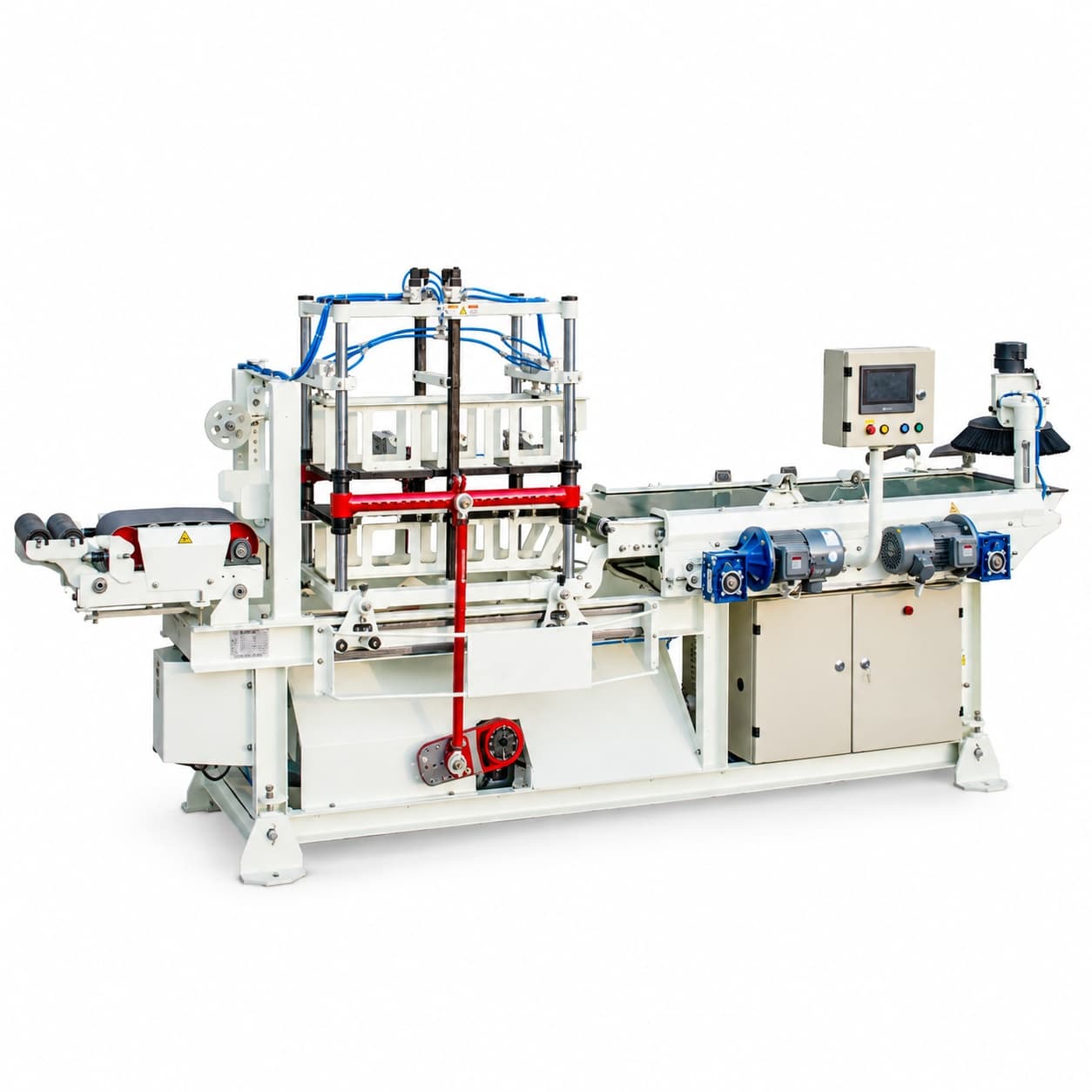
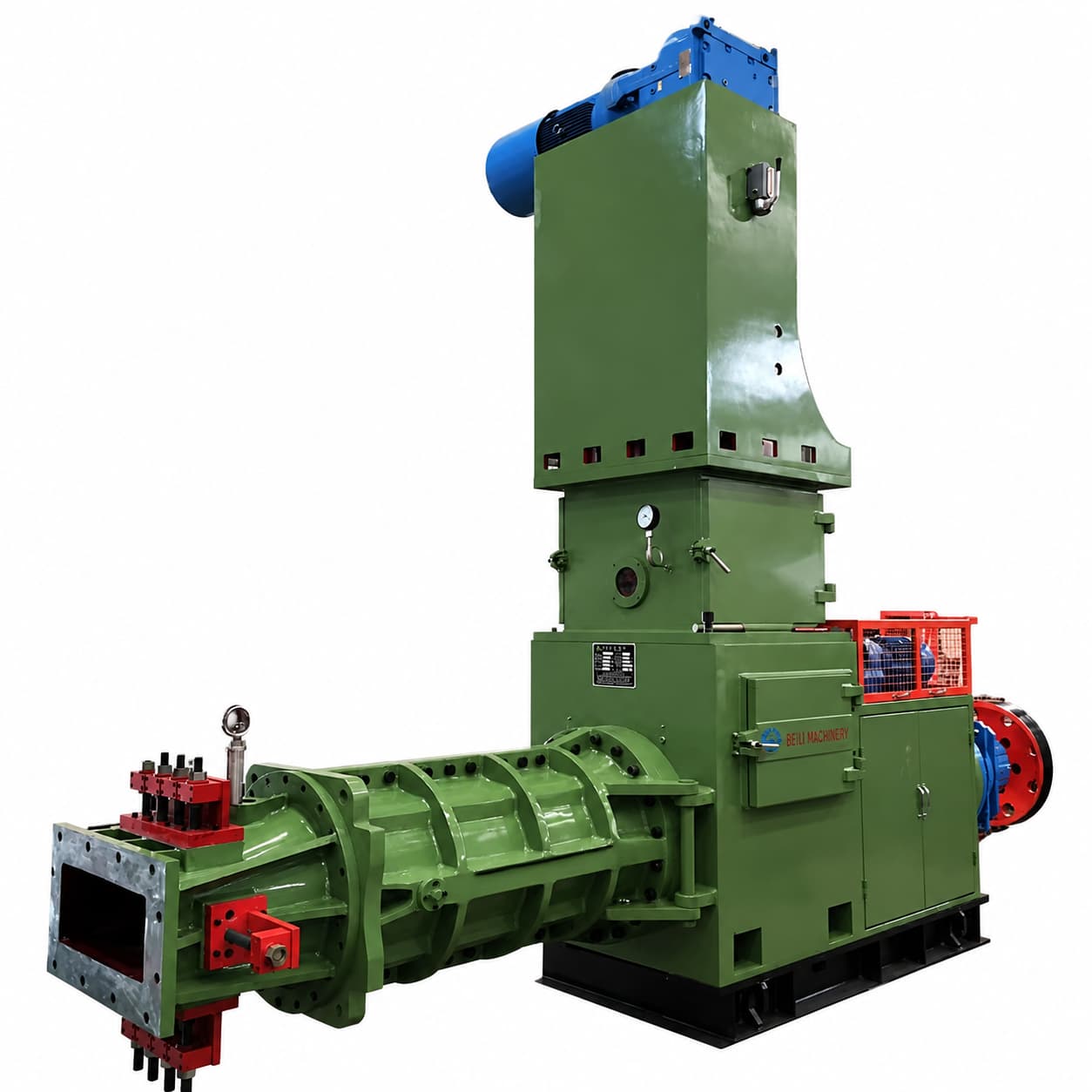
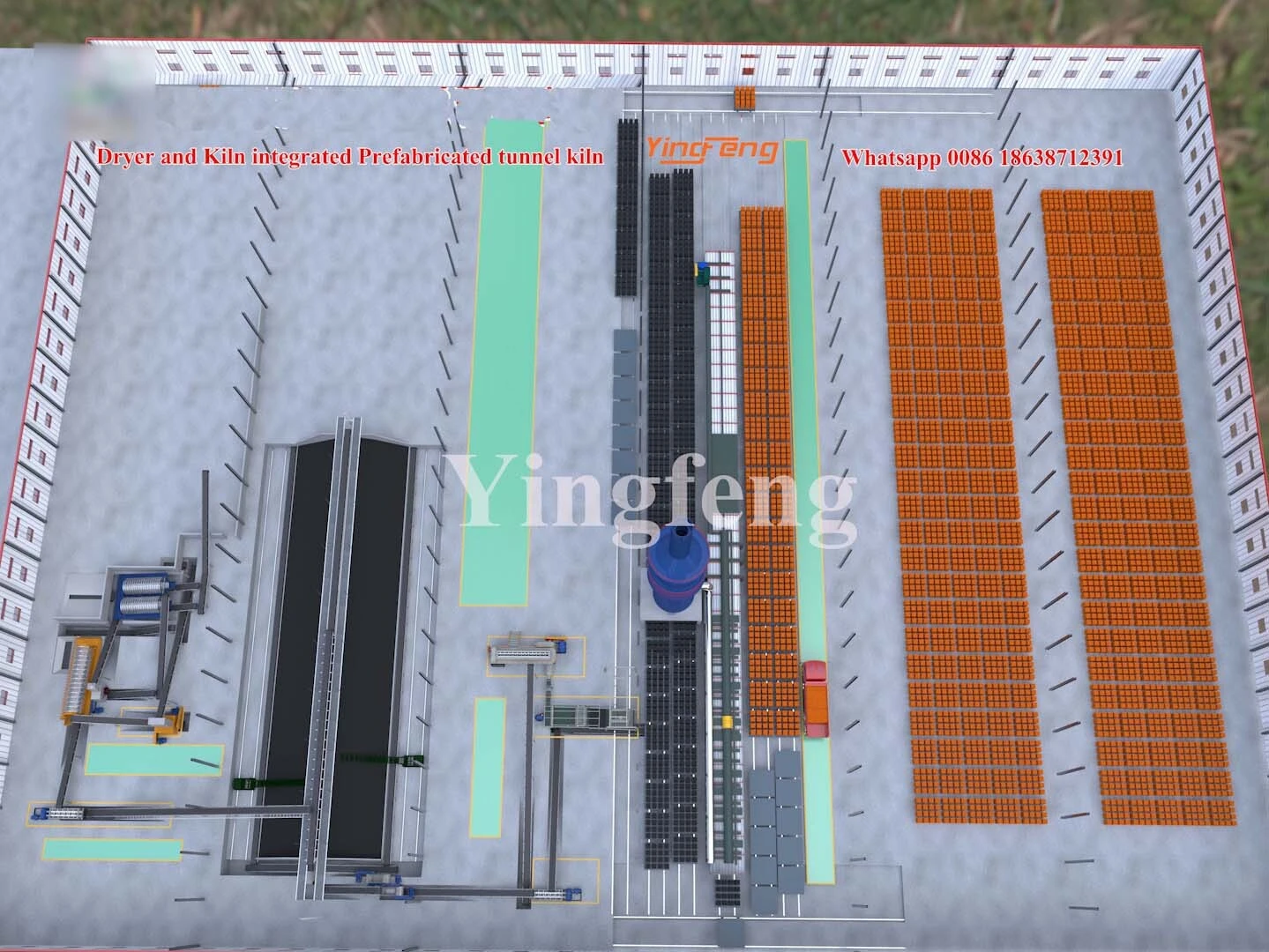
    Composed of multiple functional units, the production line system of the integrated drying and firing linear assembled tunnel kiln mainly consists of the following core components:

    • 🔩 Raw Material Workshop
    • ⚙️ Crushing Workshop
    • 🕐 Aging Workshop
    • 🧱 Green Brick Production Workshop
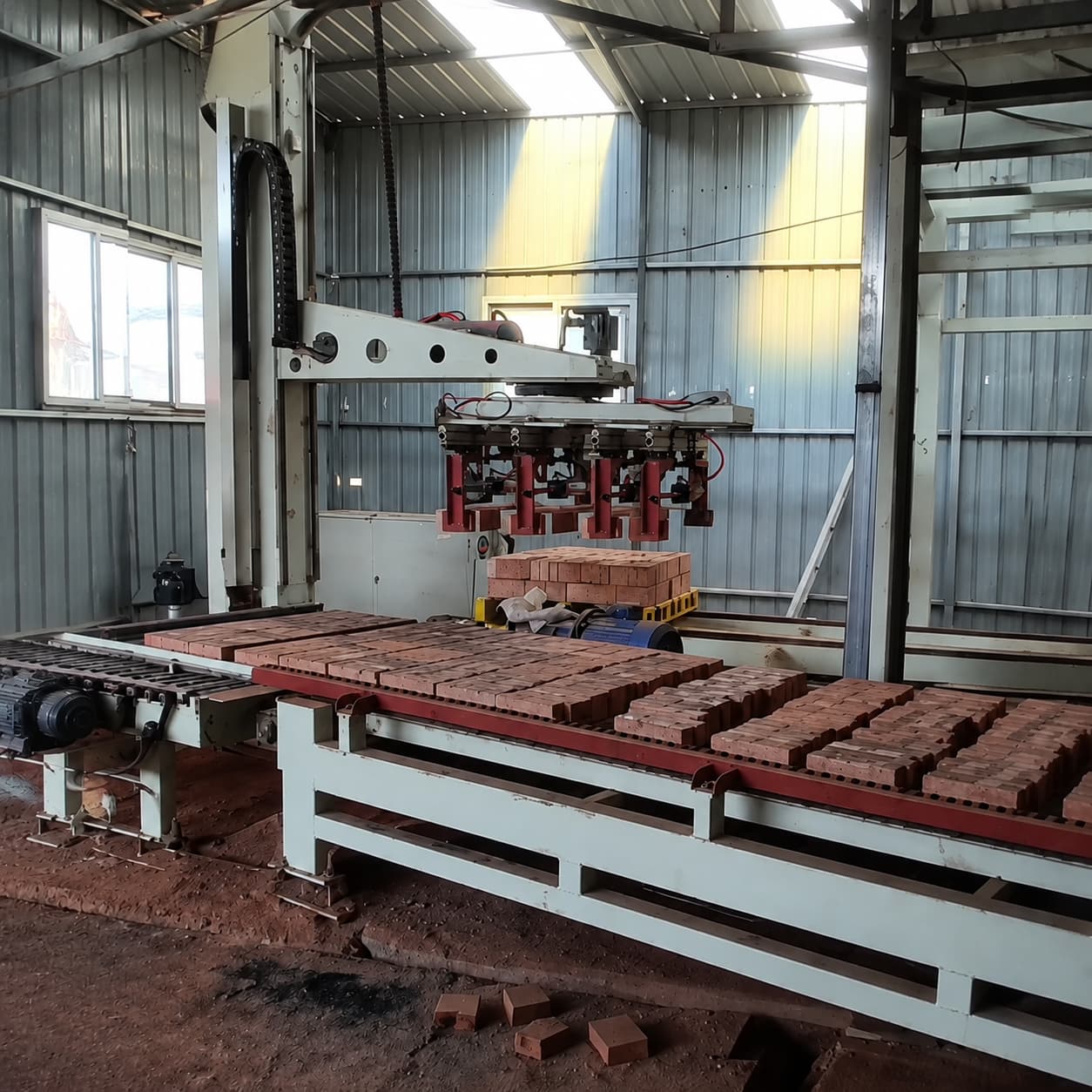
    • 📦 Automatic Stacking System
    • 🚚 Conveying System
    • 🏗️ Green Brick Storage Workshop
    • 🔥 Dryer & Kiln Body
    • 💨 Air Duct System
    • 🖥️ Automatic Firing Control System
    • 🌿 Flue Gas Purification & Treatment System

    What makes this equipment stand out is its optimized structural design and intelligent operation concept, which effectively solves the pain points of high labor intensity, high energy consumption and unstable product quality in traditional production. It not only simplifies the production process and reduces intermediate links such as green body transfer and repeated stacking, but also maximizes the utilization of waste heat generated during the sintering process.

    ♻️ Waste heat recycled to supply the drying section — energy consumption reduced by more than 20% compared with traditional tunnel kilns.

    💰

    Lower Investment Costs

    The integrated design greatly saves civil engineering costs, equipment investment and factory floor space — ideal for small and medium-sized brick factories.

    🌱

    Versatile Raw Materials

    Suitable for enterprises producing sintered bricks from raw materials such as coal gangue, shale and clay, broadening production flexibility.

    ⏱️

    24/7 Continuous Operation

    Equipped with an automated control system enabling 24-hour continuous and stable operation with a controllable firing cycle.

    🌡️

    Uniform Temperature Field

    Uniform temperature distribution inside the kiln ensures consistent heat exposure for every brick throughout the firing process.

    ✅

    Superior Brick Quality

    Effectively improved brick strength, compactness and appearance consistency — delivering a higher-grade finished product.

    🔋

    Energy Efficiency

    Waste heat recovery system reduces energy consumption by over 20%, significantly lowering operational costs over time.


    ❓ Frequently Asked Questions
    Q What is an integrated drying and firing linear assembled tunnel kiln?
    It is a complete production line system that combines the drying and firing processes into a single, continuous tunnel kiln structure. It integrates multiple functional workshops — from raw material handling to flue gas treatment — into one streamlined system, eliminating the need for separate drying facilities and reducing intermediate handling steps.
    Q How does the system reduce energy consumption compared to traditional tunnel kilns?
    The system features a waste heat recovery mechanism that captures the heat generated during the sintering (firing) process and recycles it to supply the drying section. This closed-loop heat utilization directly reduces overall energy consumption by more than 20% compared with conventional tunnel kilns.
    Q What types of raw materials are compatible with this production line?
    The integrated tunnel kiln production line is compatible with a wide range of raw materials commonly used in sintered brick manufacturing, including coal gangue, shale, and clay. This versatility makes it suitable for various regional resource conditions and enterprise types.
    Q Is this system suitable for small and medium-sized brick factories?
    Yes. The integrated design significantly reduces civil engineering costs, equipment investment, and factory floor space requirements. This makes it an ideal and cost-effective solution for small and medium-sized brick factories looking to modernize their production without large-scale capital expenditure.
    Q How does the automated control system improve production stability?
    The built-in automated control system enables 24-hour continuous and stable operation. It maintains a uniform temperature field inside the kiln and allows for a controllable firing cycle, which minimizes human error, reduces labor intensity, and ensures consistent brick quality in terms of strength, compactness, and appearance.
    Q What environmental treatment measures are included in the system?
    The production line includes a dedicated flue gas purification and treatment system as one of its core functional units. This ensures that emissions generated during the firing process are properly treated before release, helping enterprises meet environmental compliance standards and reduce their ecological footprint.