请留言
Cutting-edge equipment engineered for Vietnam's brick and tile manufacturing demands
Why Vietnam is one of Southeast Asia's most important markets for advanced gas-fired brick kiln technology
Vietnam's construction industry has experienced remarkable growth over the past decade, driven by rapid urbanization, large-scale infrastructure investment, and a thriving real estate sector in cities such as Ho Chi Minh City, Hanoi, Da Nang, and Hai Phong. With millions of square meters of residential, commercial, and industrial buildings being constructed annually, the demand for high-quality, cost-efficient, and environmentally responsible building materials — especially fired clay bricks — has never been higher.
Traditionally, many Vietnamese brick manufacturers relied on coal-fired or wood-fired kilns, which are increasingly under regulatory and environmental pressure. The Vietnamese government, in alignment with national carbon reduction commitments and the National Green Growth Strategy, has been actively incentivizing manufacturers to transition toward cleaner energy sources. Gas brick ovens — particularly natural gas and LPG-fired tunnel kilns — have emerged as the preferred technology for modern, compliant, and efficient brick production across the country.
Gas-fired tunnel kilns deliver consistent high-temperature control, reduced emissions, lower fuel costs over time, and superior product quality — making them the technology of choice for Vietnam's forward-looking brick manufacturers aiming for both profitability and compliance.
Vietnam is estimated to have over 2,000 brick manufacturing facilities ranging from small artisanal kilns to large automated production lines. The country produces an estimated 20–25 billion standard bricks per year, making it one of the largest brick producers in Southeast Asia. The Red River Delta region in the north and the Mekong Delta region in the south are traditional hotspots for brick manufacturing, leveraging locally abundant clay deposits.
However, a significant proportion of existing kilns are outdated, energy-intensive, and non-compliant with modern emission standards. The Ministry of Construction and the Ministry of Natural Resources and Environment have been rolling out roadmaps to phase out inefficient kilns and replace them with modern gas-fired or electric-assisted technology. This regulatory momentum is creating a substantial market opportunity for China gas brick oven suppliers and technology providers.
Vietnam's ambitious social housing programs and private residential developments in Hanoi, HCMC, and secondary cities require enormous volumes of consistent-quality fired clay bricks. Gas tunnel kilns enable high-output, uniform production that meets project specification demands.
The rapid expansion of export-oriented industrial zones — particularly in Binh Duong, Dong Nai, Long An, and Hai Phong — has created sustained demand for refractory bricks and structural clay bricks, products best produced in gas-fired tunnel kilns.
Government-backed infrastructure projects including highways, bridges, urban metro systems, and public buildings require certified building materials. Gas-fired production ensures quality traceability and compliance with Vietnam's TCVN brick standards.
Growing consumer demand for exposed-brick aesthetics in upscale restaurants, boutique hotels, and residential villas across Vietnam is driving premium demand for precisely fired facing bricks — a specialty application where gas oven temperature control is essential.
As LEED and LOTUS (Vietnam's green building certification) gain adoption among developers, gas-fired bricks — produced with lower emissions and higher energy efficiency — are increasingly specified in green building projects across Vietnam.
Several Vietnamese manufacturers are now targeting export markets in Japan, South Korea, and Australia, where strict emission and quality standards apply. Gas-fired kilns with digital management systems enable the quality consistency required for export certification.
Key forces shaping the future of Vietnam's brick manufacturing sector
The Vietnamese government's Circular 09/2012/TT-BXD and subsequent decrees have established a clear roadmap for phasing out coal and wood-fired kilns. Natural gas and LPG tunnel kilns are at the forefront of this mandated green transition, with compliance deadlines driving factory upgrade cycles across the country.
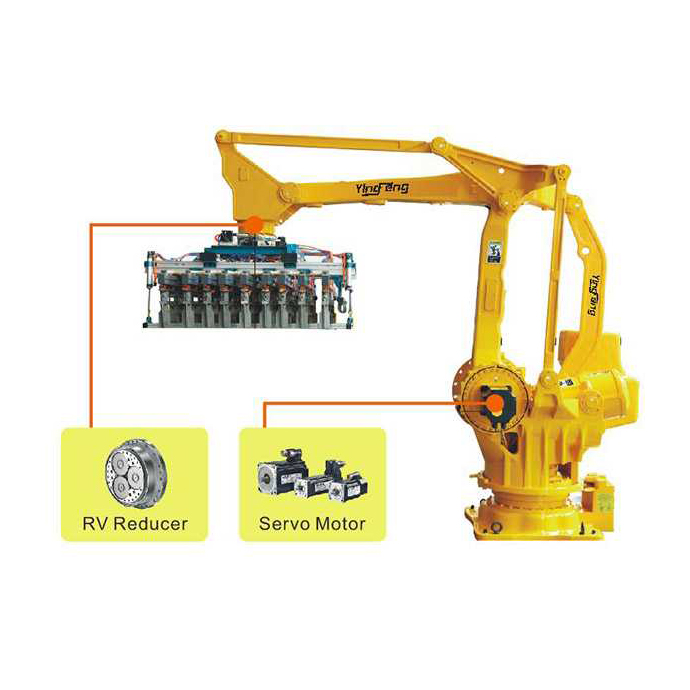
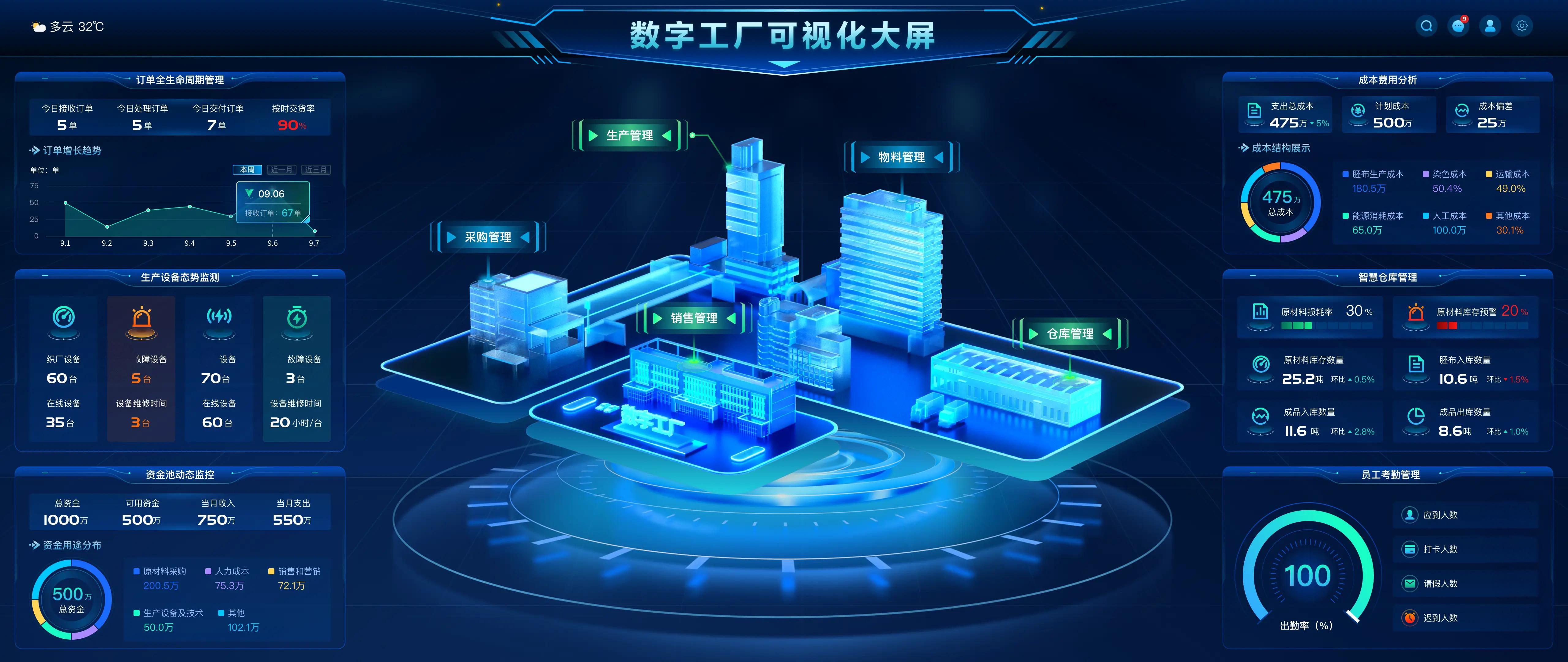
Vietnamese brick manufacturers are rapidly adopting automated stacking robots, digital kiln management systems, and IoT-connected sensors. This Industry 4.0 transformation — driven by rising labor costs and quality requirements — is a major growth driver for advanced gas brick oven systems with integrated digital controls.
With natural gas infrastructure expanding into northern and central Vietnam, manufacturers are finding that gas-fired kilns deliver 15–25% lower energy costs per 1,000 bricks compared to older coal systems, while also reducing downtime through precise temperature automation.
Beyond standard clay bricks, Vietnam's market is seeing growing demand for hollow bricks, perforated bricks, refractory bricks, and decorative facing bricks. Gas tunnel kilns with adjustable temperature zones are uniquely suited to producing this expanded product portfolio.
China remains the dominant supplier of brick kiln technology to Vietnam, with advantages in both price competitiveness and technical maturity. Suppliers like Henan Cadier offer complete turnkey solutions — from raw material testing to post-commissioning support — in a format that aligns with Vietnamese manufacturers' operational realities.
Vietnam's urbanization rate is projected to reach 50% by 2030, up from around 38% today. Each percentage point increase in urbanization generates demand for tens of millions of additional bricks. This structural demand ensures a long-term market for modern gas-fired brick production infrastructure.
We, Henan Cadier Green Building Technology Co.,Ltd, are dedicated to the overall solution of large-scale production line of new energy-saving and environmentally friendly wall materials and the integration of high-end building resources since 2009.
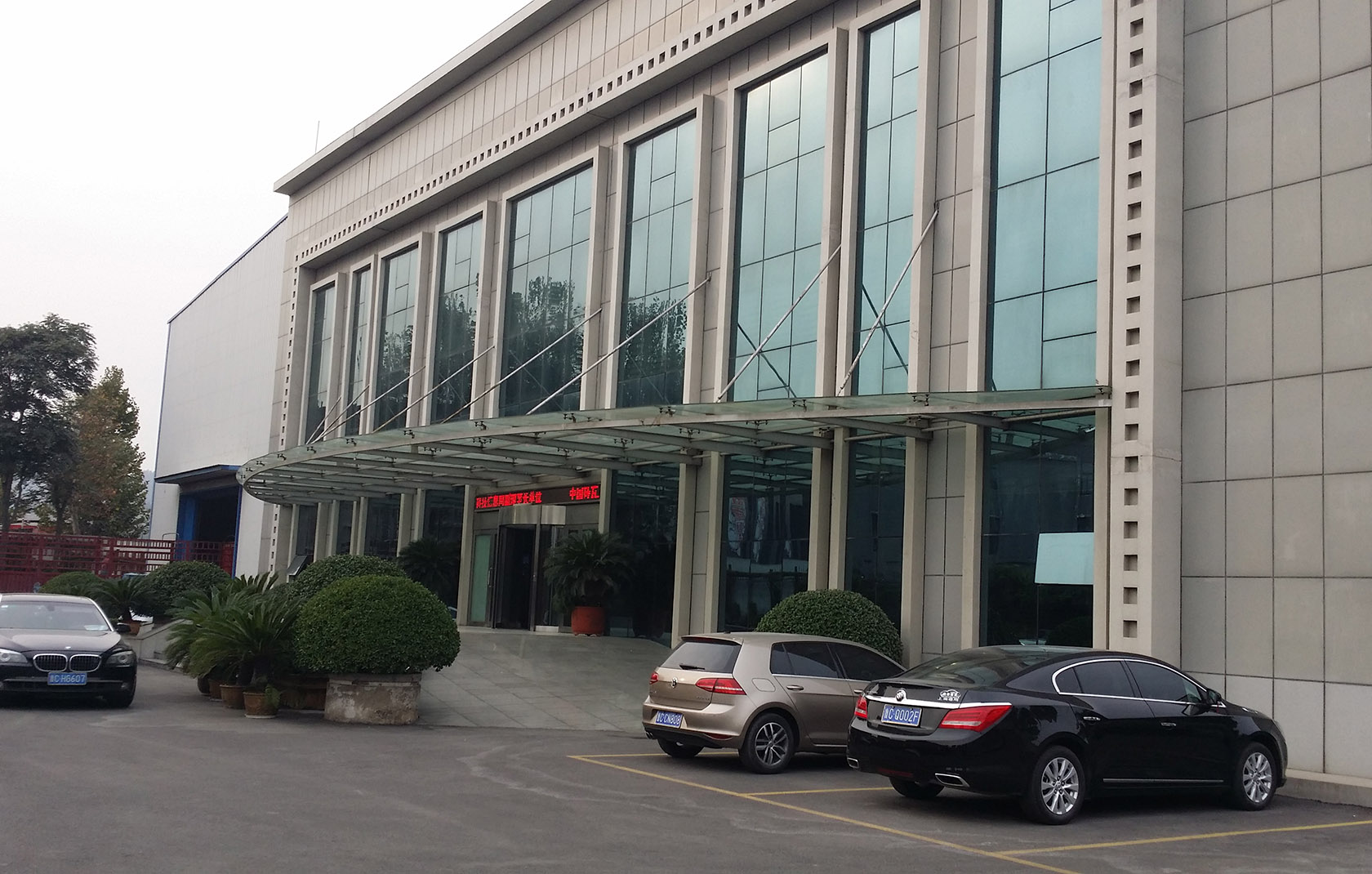
Our company covers an area of 41,000 square meters, including 15,600 square meters for production workshops and 4,000 square meters for office, R&D centers and supporting buildings. It currently has multiple engineers and more than 60 mid-to-senior technical personnel.
Comprehensive high-end equipment for every aspect of brick and tile production
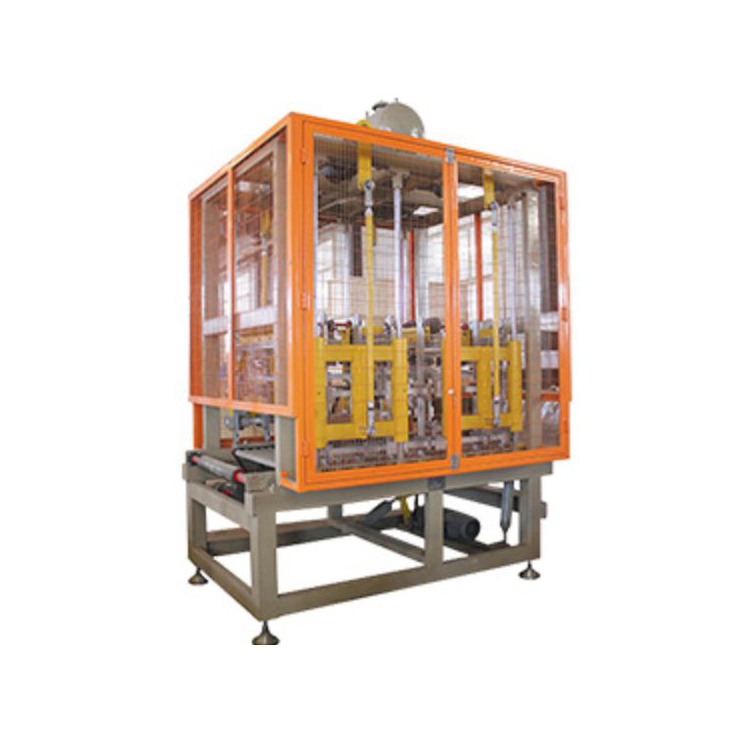
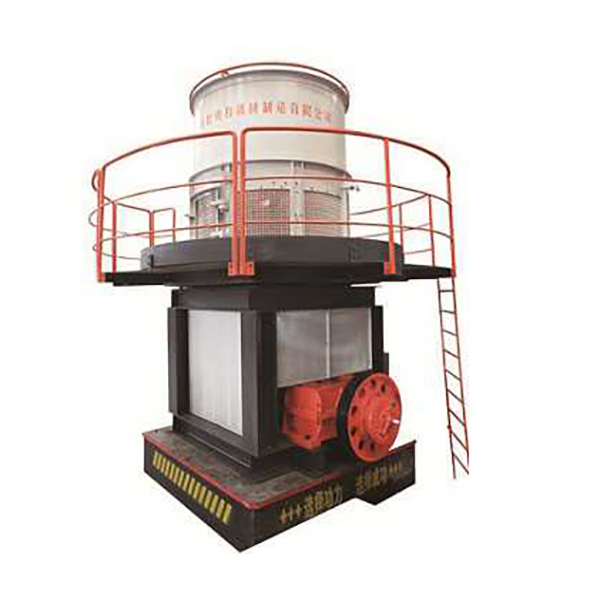
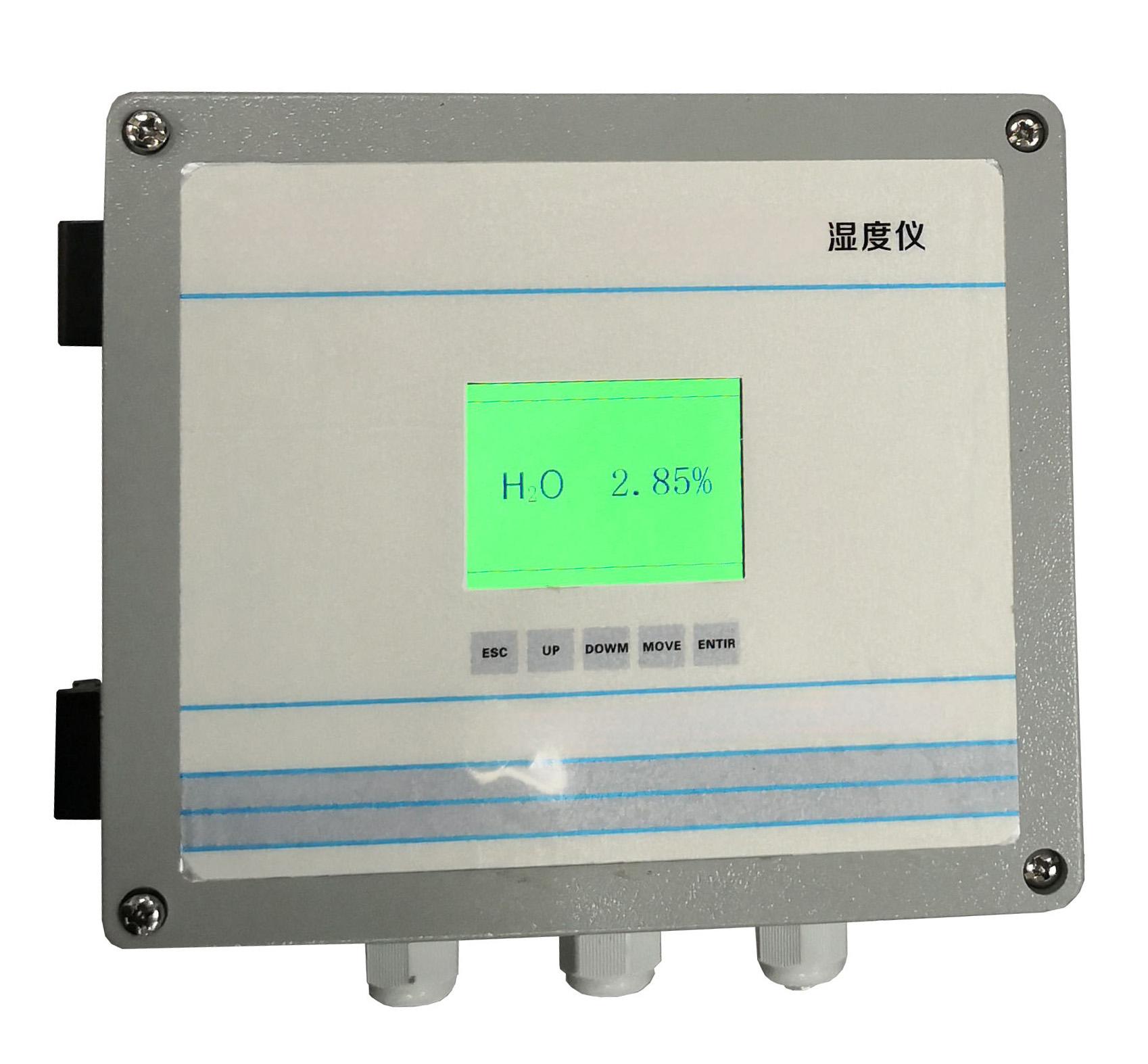
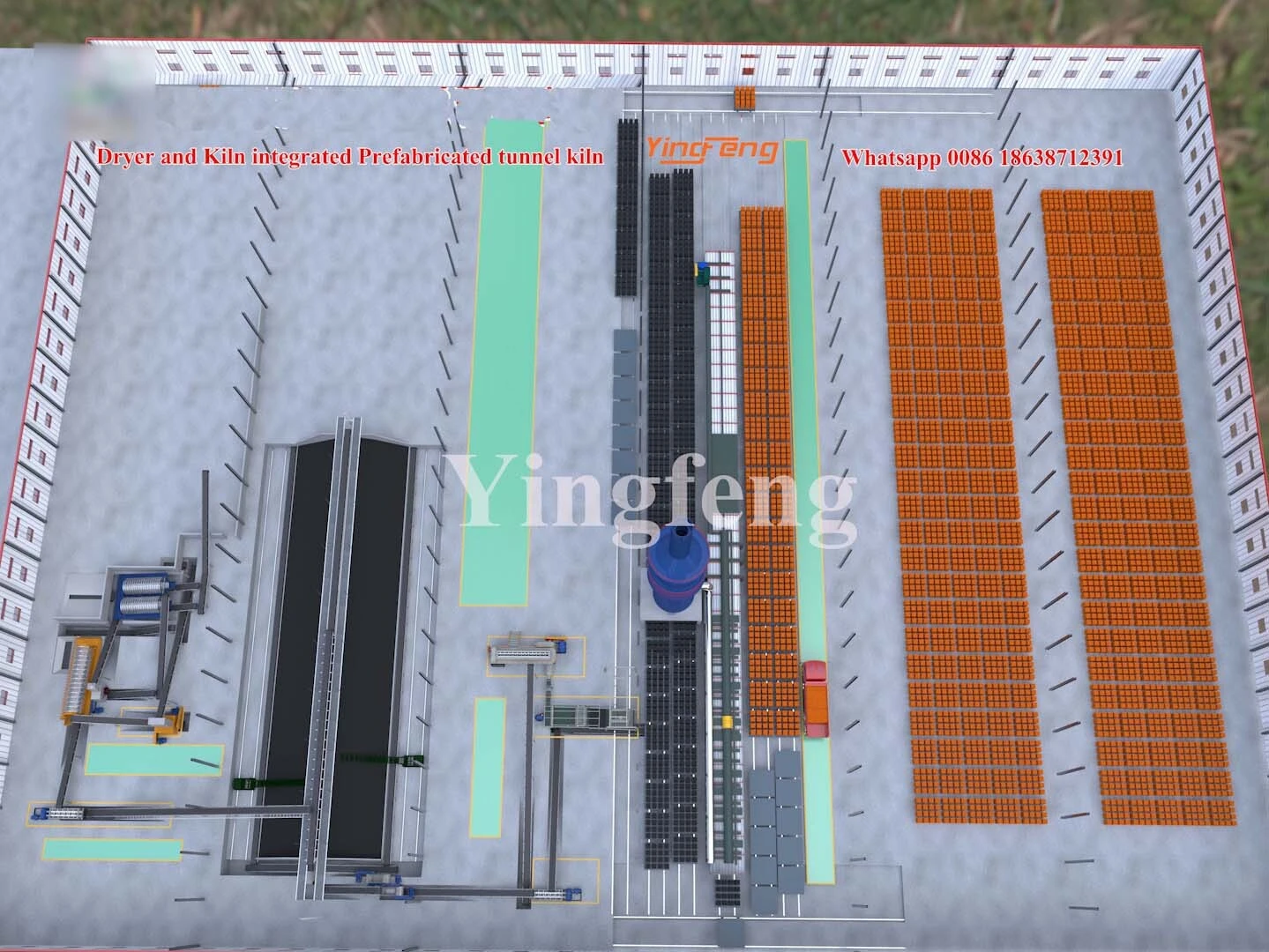
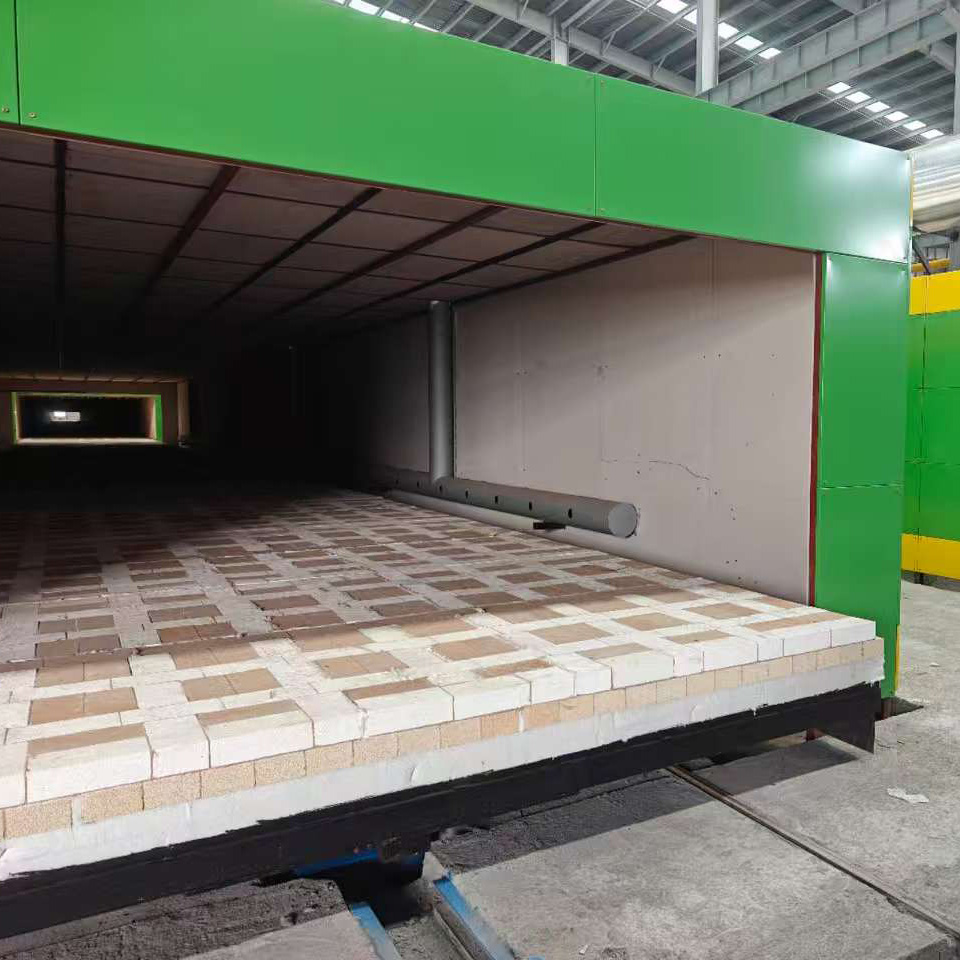
We supply all the high-end equipment related with bricks and tile production, engineered to meet the specific demands of the Vietnamese market and beyond:
As of today, we have obtained more than 100 patents for brick kiln technology. We continuously enhance our technical capabilities to strive to provide customers with efficient and high-output automated brick factories.
Ensuring customers' peace of mind through a comprehensive service ecosystem and advanced testing capabilities.
Technical ExcellenceOur company provides one-stop service, ensuring customers' peace of mind. Our company is equipped with a complete set of raw material testing and inspection equipment, as well as remote services. We provide comprehensive technical support to customers from factory design, brick machine equipment selection, brick plant construction, to the later operation of the brick plant.
From intelligent kilns to precision tooling — everything your Vietnam brick production line needs