
China Box Feeder for Clay Brick Making - Reliable Suppliers & Factory Equipment for Material Feeding
⭐ Advantages
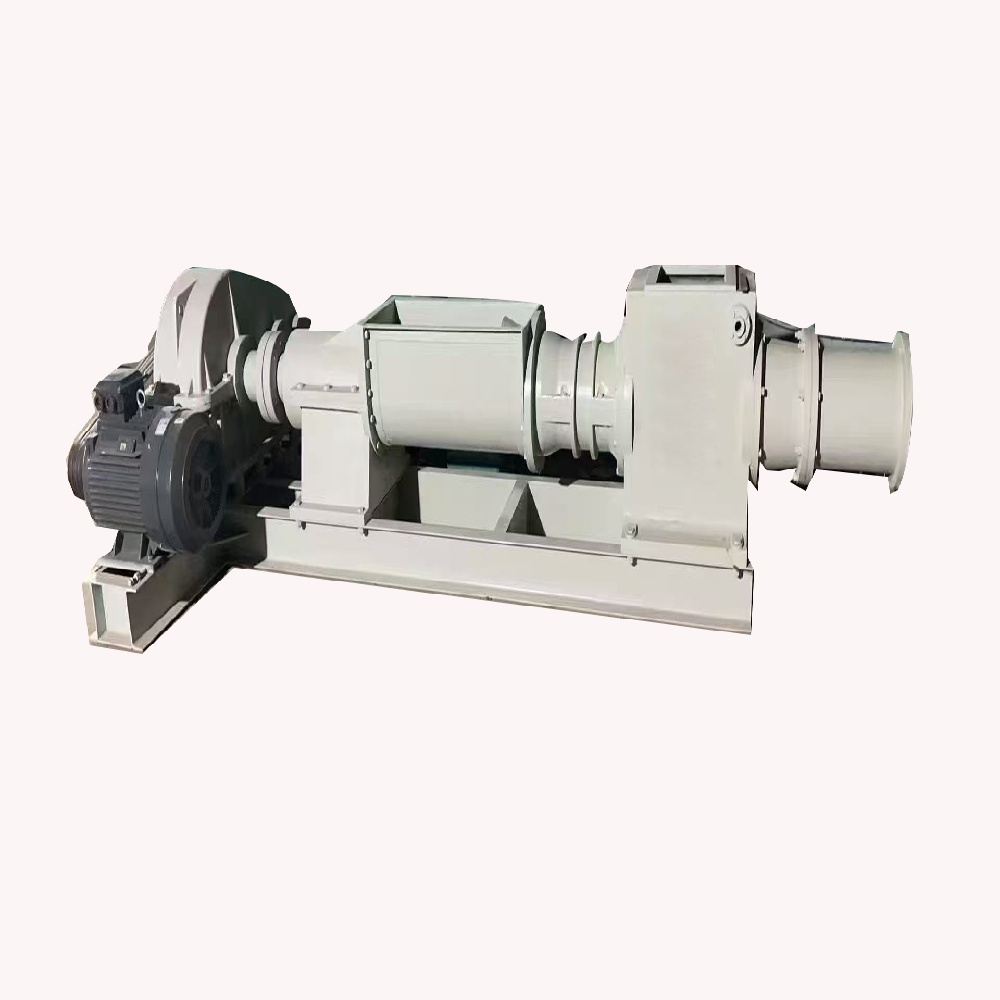
Simple structure, low cost, delivering a high (18%–24%) moisture content of raw materials — the most widely used box feeder.
Technical Parameters
| Type | Capacity (m³/h) | Power (KW) | Size | Moisture | Raw Material Input Size (mm) |
| GD50X250 | 10~25 | 4 | 2650×1600×1260 | ≤18%~24% | <250 |
| GD60X300 | 20~30 | 5.5 | 3670×1890×1470 | ≤18%~24% | <250 |
| GD80X400 | 20~50 | 7.5 | 4670×2050×1470 | ≤18%~24% | <250 |
| GD100X500 | 45~80 | 6~7.5 | 5560×2250×1470 | ≤18%~24% | <250 |
The key to choosing a clay feeder that meets the needs of the production line lies in matching material characteristics, production pace, and process flow. Here are systematic selection suggestions to help you accurately match equipment:
STEP 1 Clarify the Three Core Parameters
🧱 Material Status
- Wet clay (moisture content >20%): Box type chain plate feeder or shaftless screw conveyor is preferred for strong anti-clogging properties.
- Dry powder / small particle clay: Optional disc feeder or vibrating feeder for more uniform feeding.
- Impurity-containing raw materials: It is recommended to pair it with a sieve feeder, which has both crushing and homogenization functions.
⚙️ Capacity Requirement (ton/hour)
- Small production line (<50 t/h): Adopts variable frequency control box feeder, with flexible adjustment and low cost.
- Large production lines (above 300 t/h): A belt plate feeder is required — stable structure and strong continuous operation capability.
🔗 Process Connection Position
🏗️ Initial Coarse Feeding
- Vibrating feeder + jaw crusher combination
- Achieves uniform feeding and coarse crushing synchronization
🔄 Mid-Section Ingredient Mixing
- Circular sieve feeder improves raw material uniformity
- Superior to traditional mixers
📊 Final Quantitative Conveying
- Quantitative feeder (belt or weight-loss scale)
- Accuracy of ±0.25%
- Supports intelligent control system
❓ Frequently Asked Questions
Q1
What is a box feeder and how does it work in a clay brick production line?
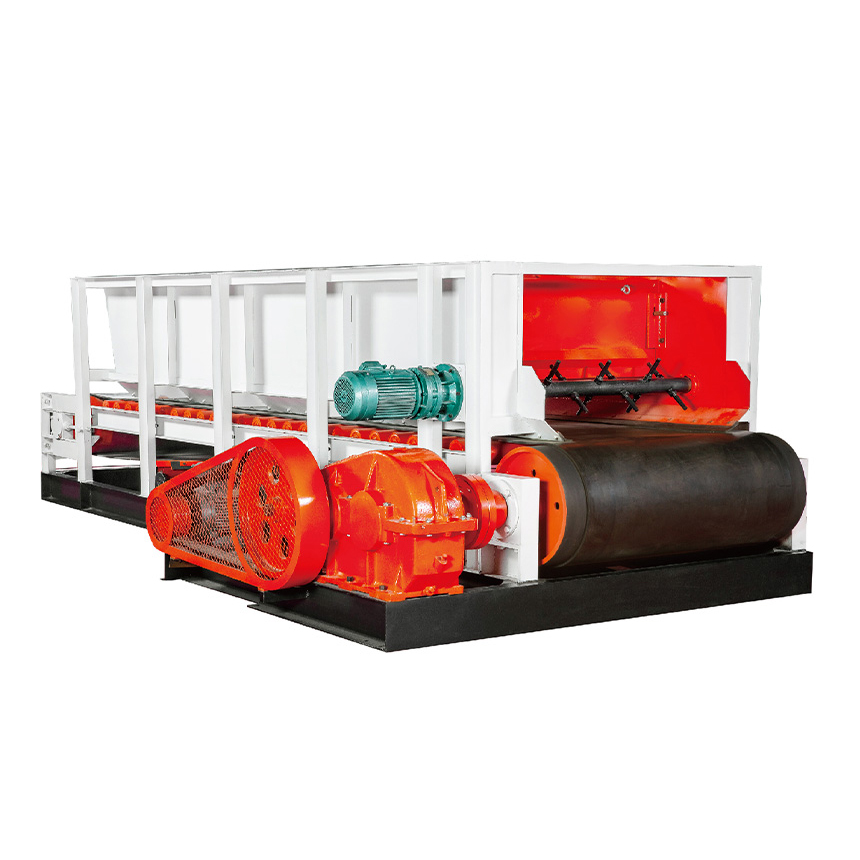
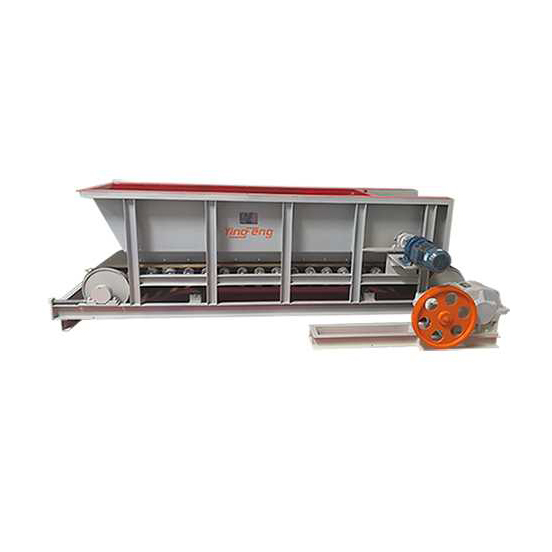
A box feeder (also called a box-type chain plate feeder) is a continuous feeding device designed to transport raw clay materials at a controlled rate into the brick-making process. It uses a driven chain plate mechanism to move materials from a hopper to downstream equipment, ensuring a stable and adjustable feed rate suited for high-moisture clay.
Q2
What moisture content can the box feeder handle?
The box feeder models listed (GD50X250 to GD100X500) are all designed to handle raw materials with a moisture content of up to 18%–24%. This makes them especially suitable for wet clay applications where clogging is a common concern with other feeder types.
Q3
How do I choose the right box feeder model for my production line?
Selection should be based on three core factors: (1) material status — moisture level and particle size; (2) required capacity in tons per hour; and (3) process position — whether the feeder is used for initial coarse feeding, mid-section blending, or final quantitative conveying. For small lines under 50 t/h, the GD50X250 or GD60X300 with variable frequency control is recommended. For larger outputs, consider GD100X500.
Q4
What is the maximum input size of raw material the box feeder can accept?
All four standard models (GD50X250 to GD100X500) accept raw material input sizes of less than 250mm. If your raw material contains larger chunks or hard impurities, it is advisable to pre-crush or screen the material before feeding it into the box feeder.
Q5
Can the box feeder be used with an intelligent control system?
Yes. Variable frequency drive (VFD) control can be integrated with the box feeder to allow real-time adjustment of feed speed. For final quantitative conveying stages, pairing the feeder with a belt scale or weight-loss scale enables an accuracy of ±0.25%, which is compatible with modern intelligent production management systems.
Q6
What are the differences between a box feeder and a vibrating feeder for clay applications?
A box feeder is better suited for wet, sticky, or high-moisture clay due to its anti-clogging chain plate design and robust structure. A vibrating feeder, on the other hand, is more appropriate for dry powder or small-particle clay where uniform dispersion is required. For production lines handling raw clay with impurities, a sieve feeder that combines crushing and homogenization is the preferred choice.