请留言
Precision-machined, CE-certified thermal units designed to meet Germany’s stringent DIN EN standards, TA-Luft environmental thresholds, and Industry 4.0 automated brickyard workflows.
How modern pyro-processing technologies are redefining building materials production, circular economy recycling, and mineral calcination across German manufacturing hubs.
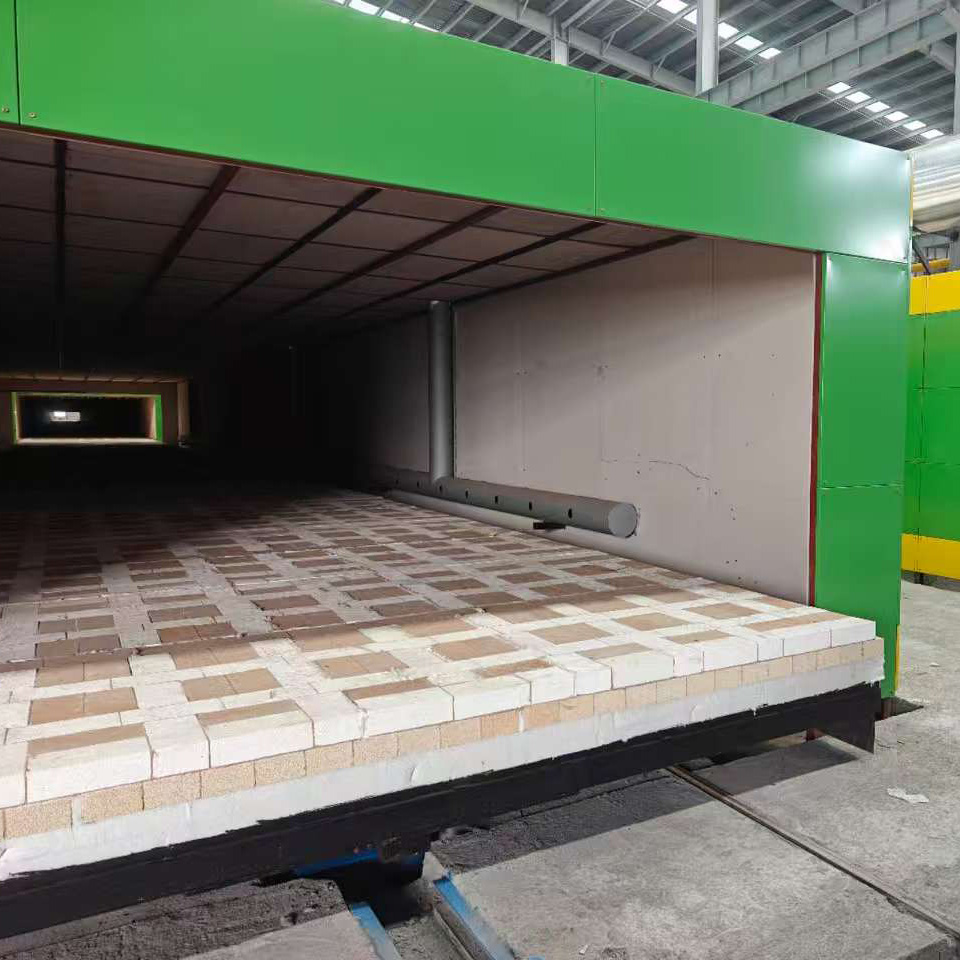
Germany's industrial manufacturing ecosystem—renowned for its rigorous standards, technical ingenuity, and commitment to the Energiewende (energy transition)—is currently undergoing a profound technological shift. As the European Union tightens its carbon emission trading schemes (EU ETS) and implements stringent energy management mandates under DIN EN ISO 50001, traditional thermal processing facilities across North Rhine-Westphalia, Bavaria, Baden-Württemberg, and Saxony are actively retrofitting legacy kilns. In this dynamic context, the demand for CE Certification Rotary Kiln factories and custom manufacturers has surged. Modern rotary kilns are no longer merely heavy mechanical cylinders; they represent high-precision, thermodynamically optimized thermal reactors integrated with automated SCADA systems and zero-leakage atmospheric seals.
The contemporary German market requires rotary kiln installations capable of handling complex and heterogeneous raw feedstocks. Beyond conventional red clay bricks, clinker calcination, and ceramic tile firing, German industrial plants are widely implementing rotary kilns for expanded clay aggregates (LECA), mineral recycling, calcined petroleum coke, lithium chemical refining, metallurgical slag valorization, and sewage sludge incineration. Fulfilling the technical requirements of the German Federal Emission Control Act (BImSchG) and the updated TA-Luft (Technische Anleitung zur Reinhaltung der Luft) mandates kiln equipment to deliver ultra-low NOx burner performance, automated flue gas desulfurization integration, and particulate emissions controlled well below 5 mg/Nm³.
Full alignment with the European CE Machinery Directive 2006/42/EC, Low Voltage Directive 2014/35/EU, and Pressure Equipment Directive (PED), ensuring full legal compliance for turnkey installations across all 16 German federal states.
Equipped with multi-channel external burners engineered for natural gas, heavy oil, pulverized biomass, internal coal blend firing, and adaptable retrofit capabilities for green hydrogen (H2) and bio-methane injection.
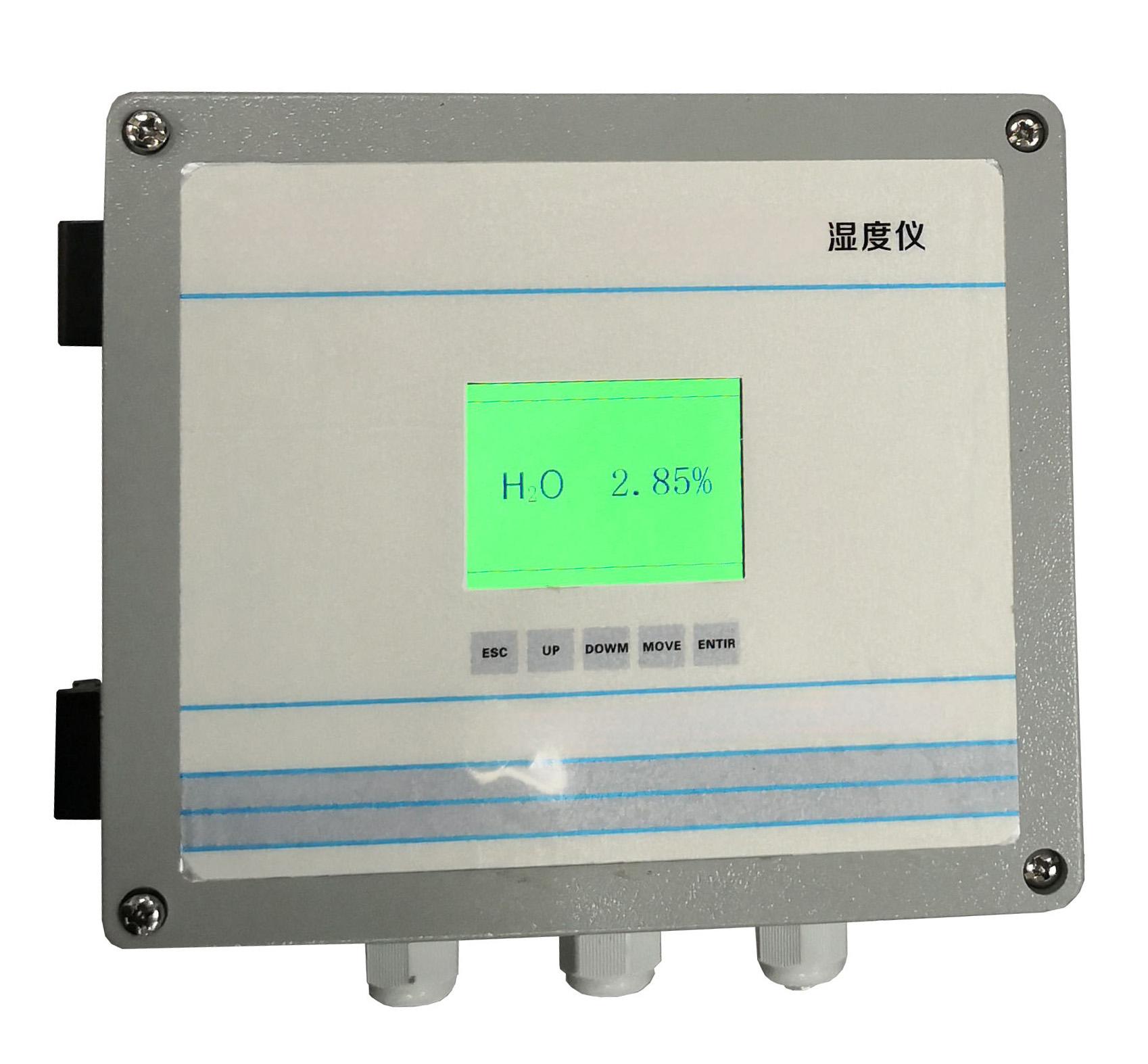
High-precision humidity and thermal distribution sensors integrated into Industry 4.0 PLC architectures, enabling predictive thermal control, minimizing fuel consumption by up to 28%, and eliminating cold spots during firing.
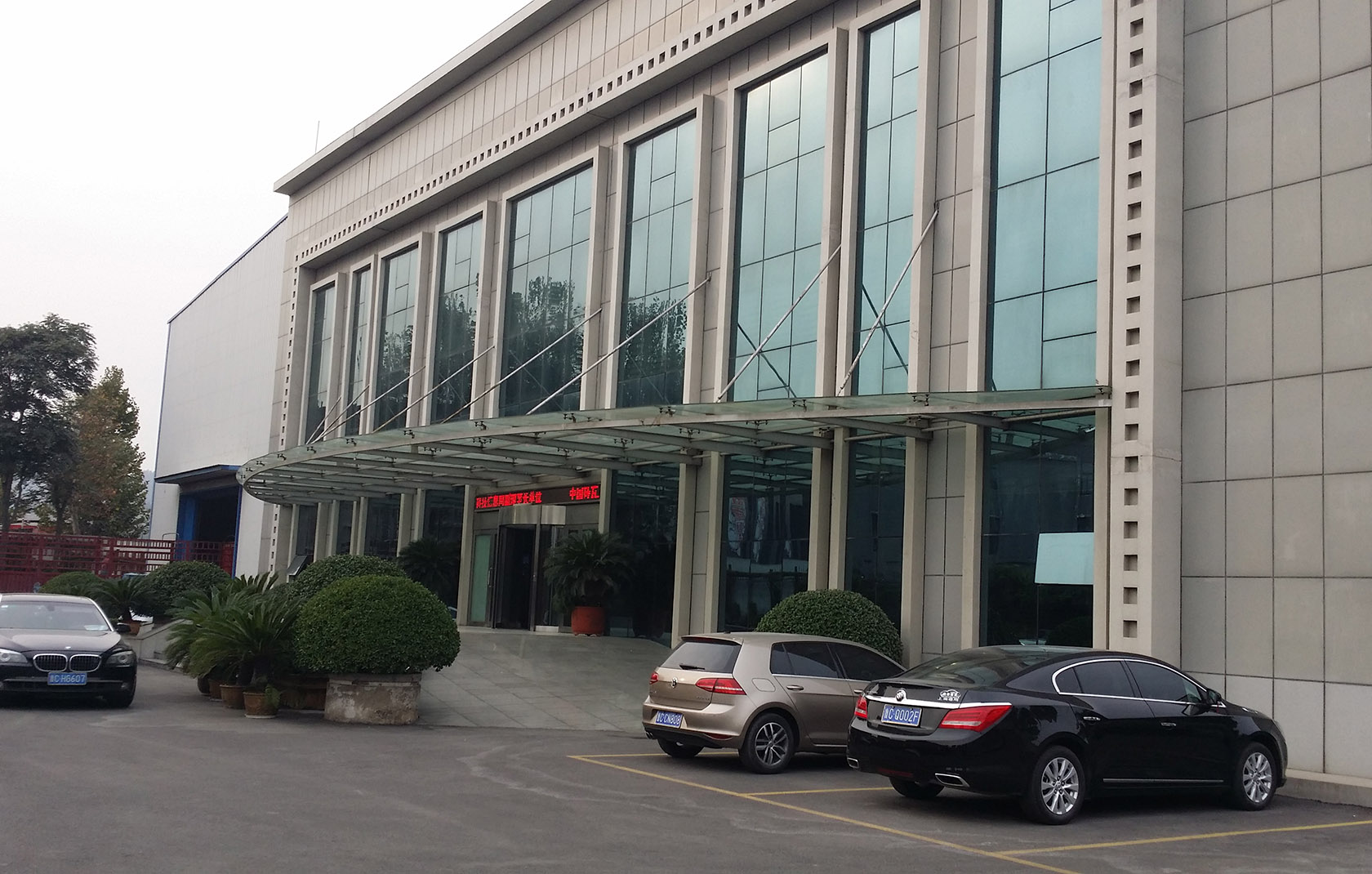
We, Henan Cadier Green Building Technology Co., Ltd., are dedicated to the overall solution of large-scale production lines of new energy-saving and environmentally friendly wall materials and the integration of high-end building resources since 2009.
Our company covers an area of 41,000 square meters, including 15,600 square meters for production workshops and 4,000 square meters for office, R&D centers, and supporting buildings. It currently has multiple senior engineers and more than 60 mid-to-senior technical personnel dedicated to thermal excellence, heavy mechanical precision, and advanced kiln automation.
Through continuous engineering innovation, we deliver customized rotary kiln plants, automated packaging lines, and environmentally compliant kiln setups tailored to the demanding productivity and energy standards required by European and German industrial operators.
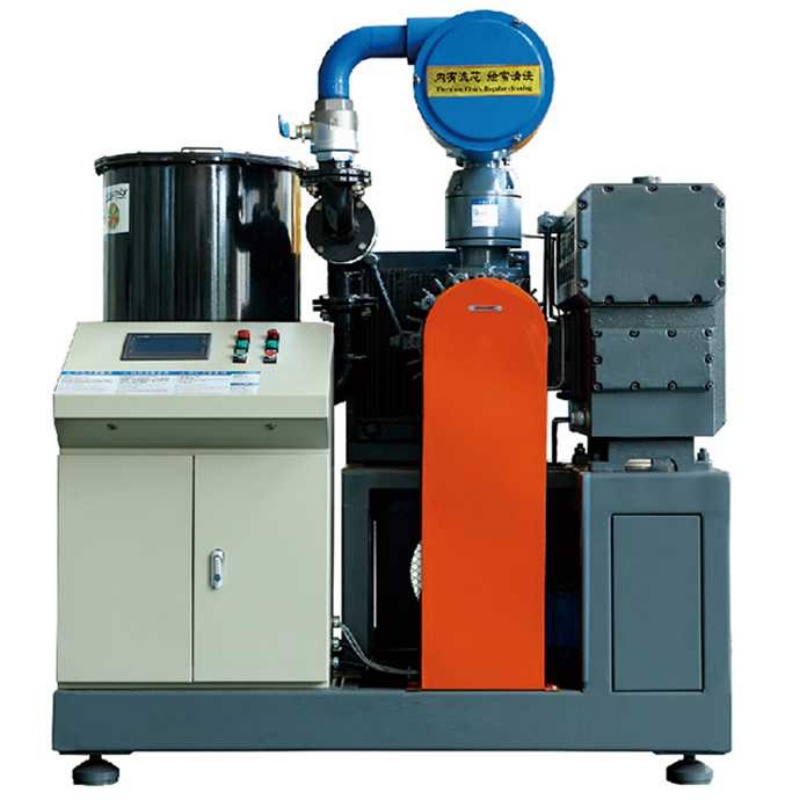
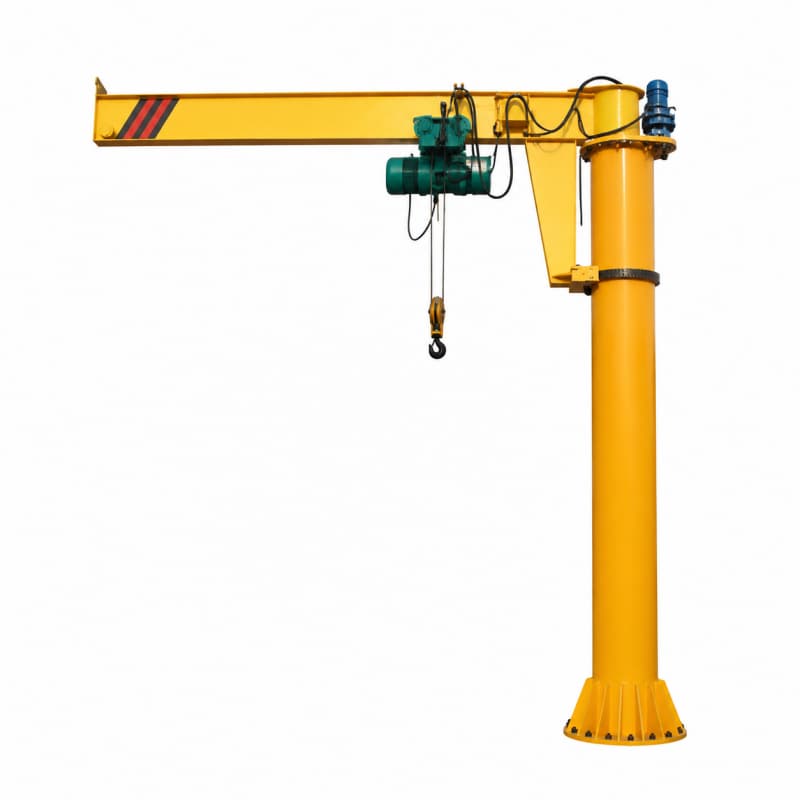
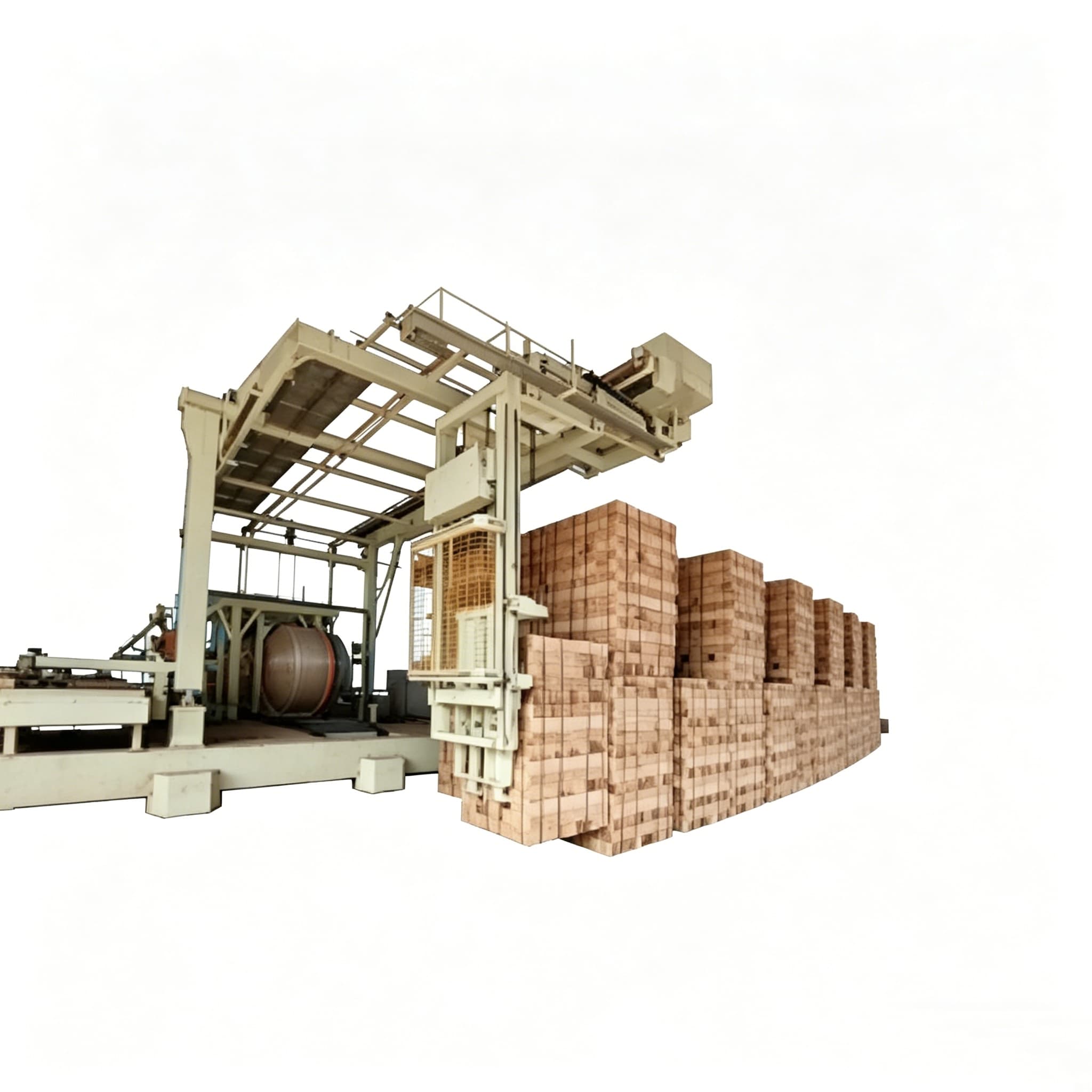
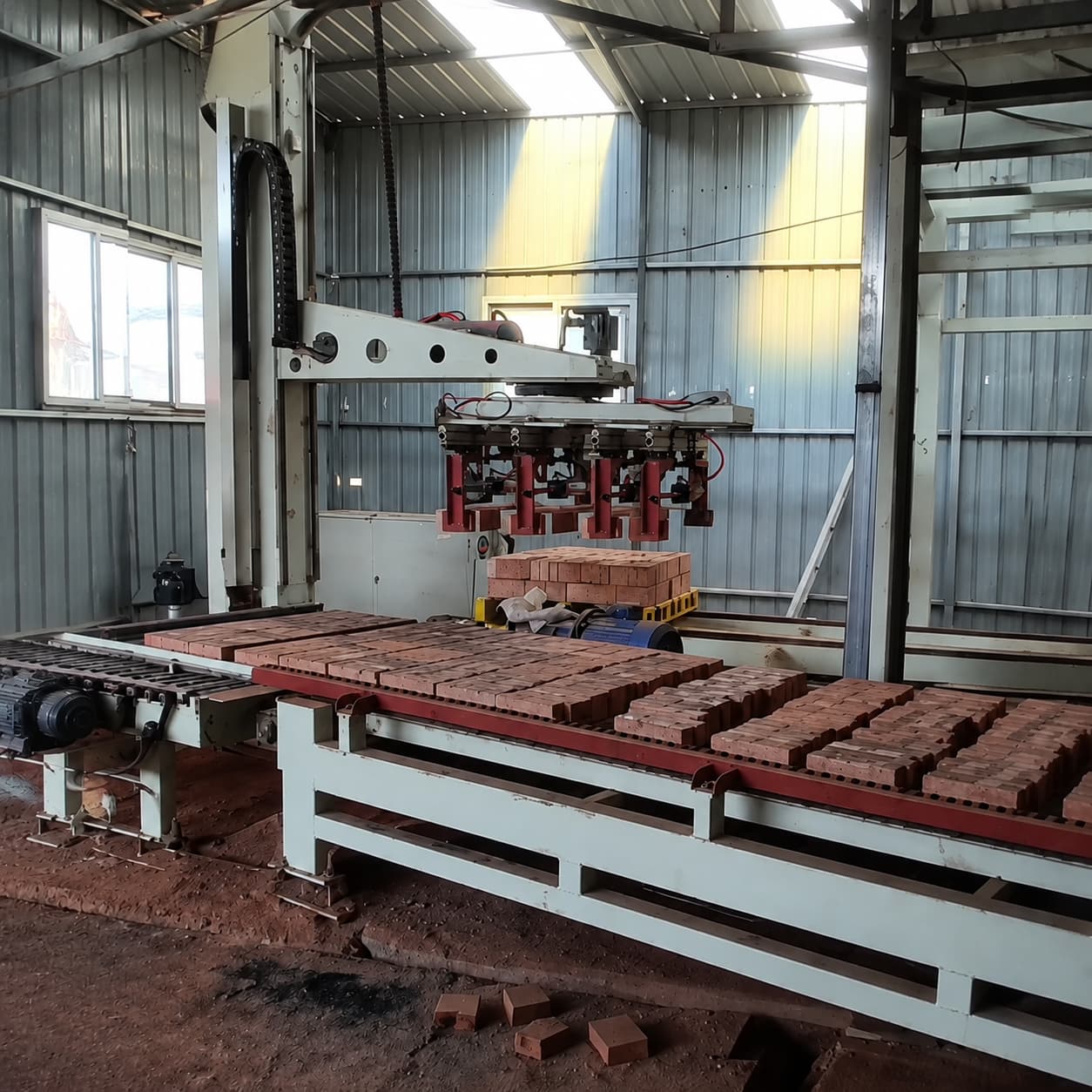
We supply all the high-end equipment related to brick, tile, and thermal mineral production. From raw material preparation to automated robotic palletizing, our equipment lineup is fabricated with extreme mechanical resilience, dynamic balance, and intelligent feedback loops:
As of today, we have obtained more than 100 patents for brick kiln technology. We continuously enhance our technical capabilities to strive to provide global and German customers with exceptionally efficient, low-loss, and high-output automated brick and mineral calcining factories.
From heavy clay building blocks to high-performance refractory materials and circular waste calcination, discover how our custom-manufactured rotary kiln solutions serve specific German business sectors.
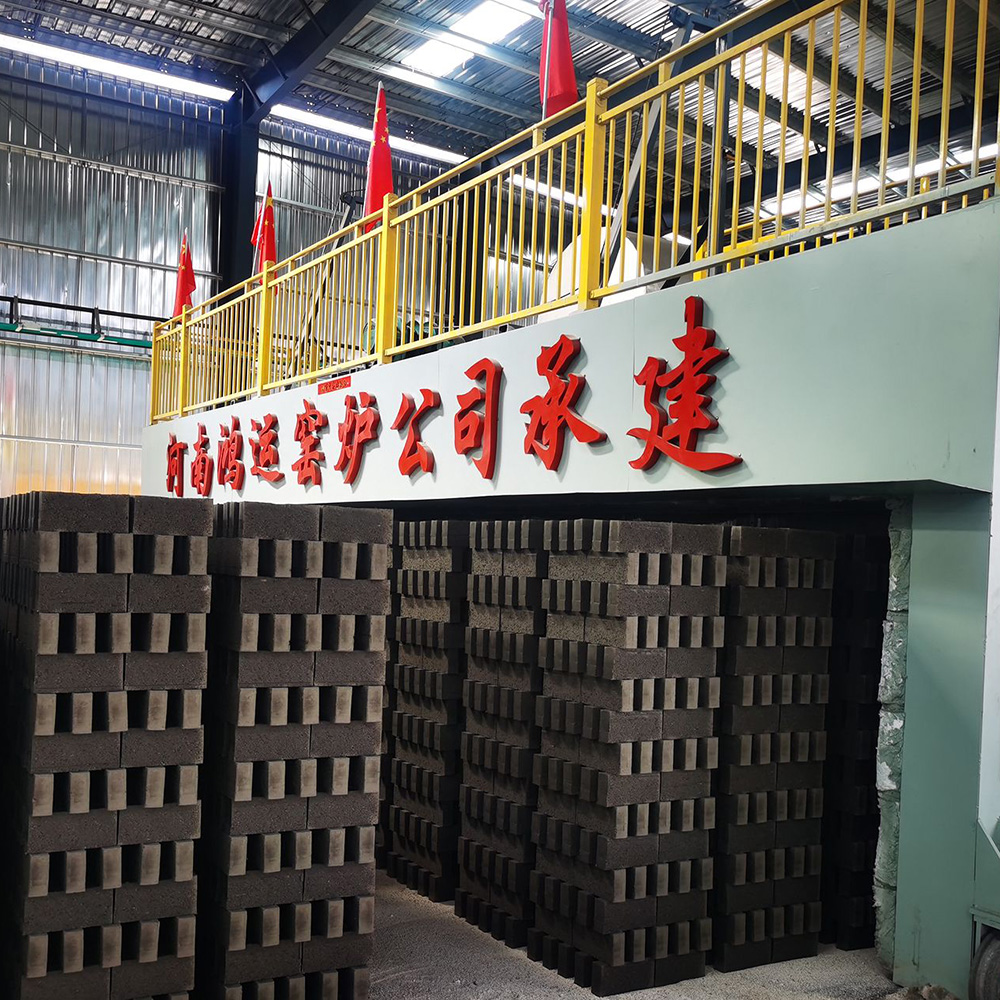
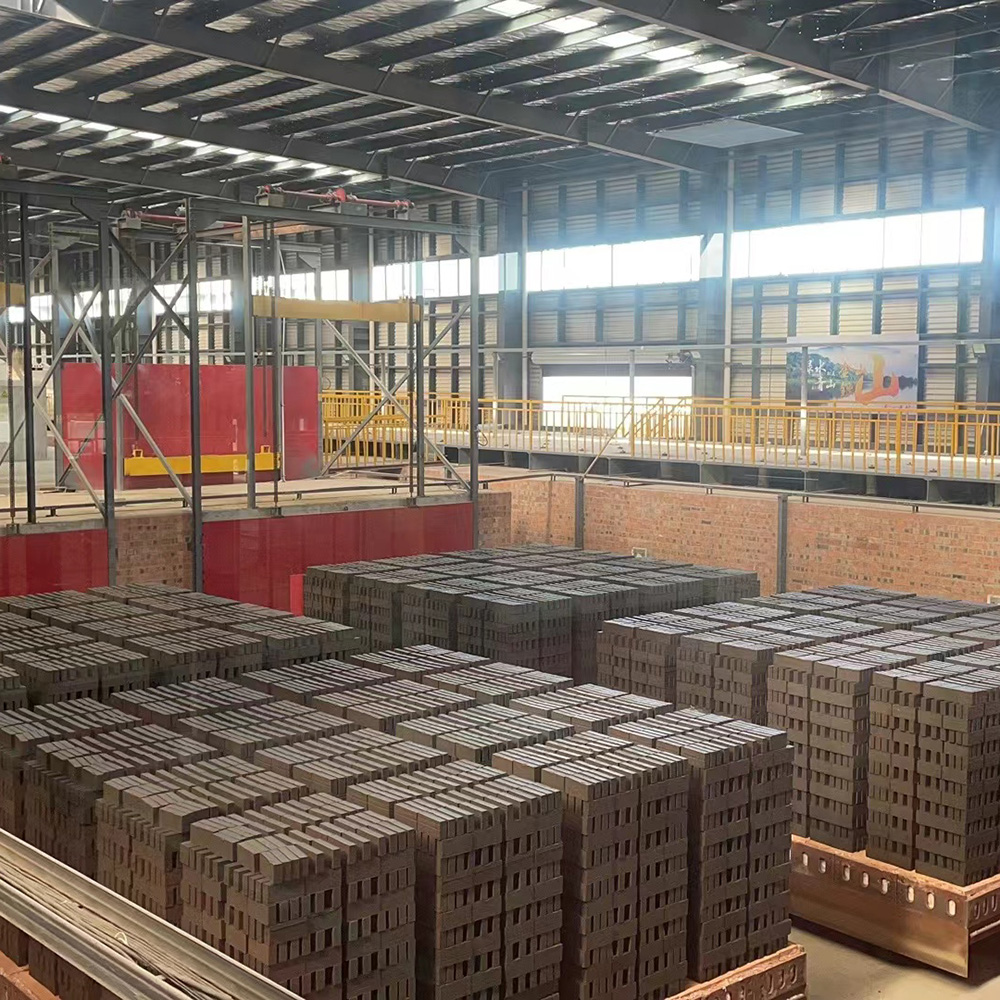
German architectural trends strongly favor natural, enduring brick facades (Klinkerfassaden). Our rotary and tunnel kiln combinations deliver homogeneous heat transfer, ensuring consistent compressive strength, precise water absorption values, and distinct natural coloration without chemical additives.
With stringent building insulation norms (EnEV/GEG - Gebäudeenergiegesetz), expanded clay granules produced in precision rotary kilns provide optimal thermal insulating matrices for precast concrete wall elements and green roof substrates throughout Central Europe.
German metallurgical plants in Duisburg, Saarland, and Salzgitter utilize custom-engineered rotary kilns to re-calcine industrial by-products, fly ash, and secondary raw materials, reintegrating valuable mineral phases into the circular construction supply chain.
Our company provides one-stop service, ensuring customers' complete peace of mind. We are equipped with raw material mineral testing, thermodynamic simulation, remote SCADA commissioning, and full CE documentation.
Geological clay analysis, thermal balance calculations, BIM 3D plant layout, burner sizing, and CE compliance alignment tailored to local German environmental regulations.
Heavy-duty mechanical fabrication with high-grade alloy steel, precision gear turning, refractory lining integration, and on-site assembly supervised by veteran project engineers.
Rigorous cold and hot trial operations, multi-point atmospheric sensor calibration, SCADA network integration, and remote encrypted cloud diagnostics for real-time plant analytics.
Lifecycle engineering assistance, rapid replacement parts supply (tyres, rollers, drive gears, vacuum pumps), burner maintenance, and plant capacity upgrading consultations.
Explore our complete range of CE-certified equipment built for maximum operating efficiency, robust duty cycles, and seamless integration into modern automated brick manufacturing plants.