
请留言
Fully compliant with European CE safety benchmarks and customized for local clay variations across Punjab, Sindh, and Khyber Pakhtunkhwa.
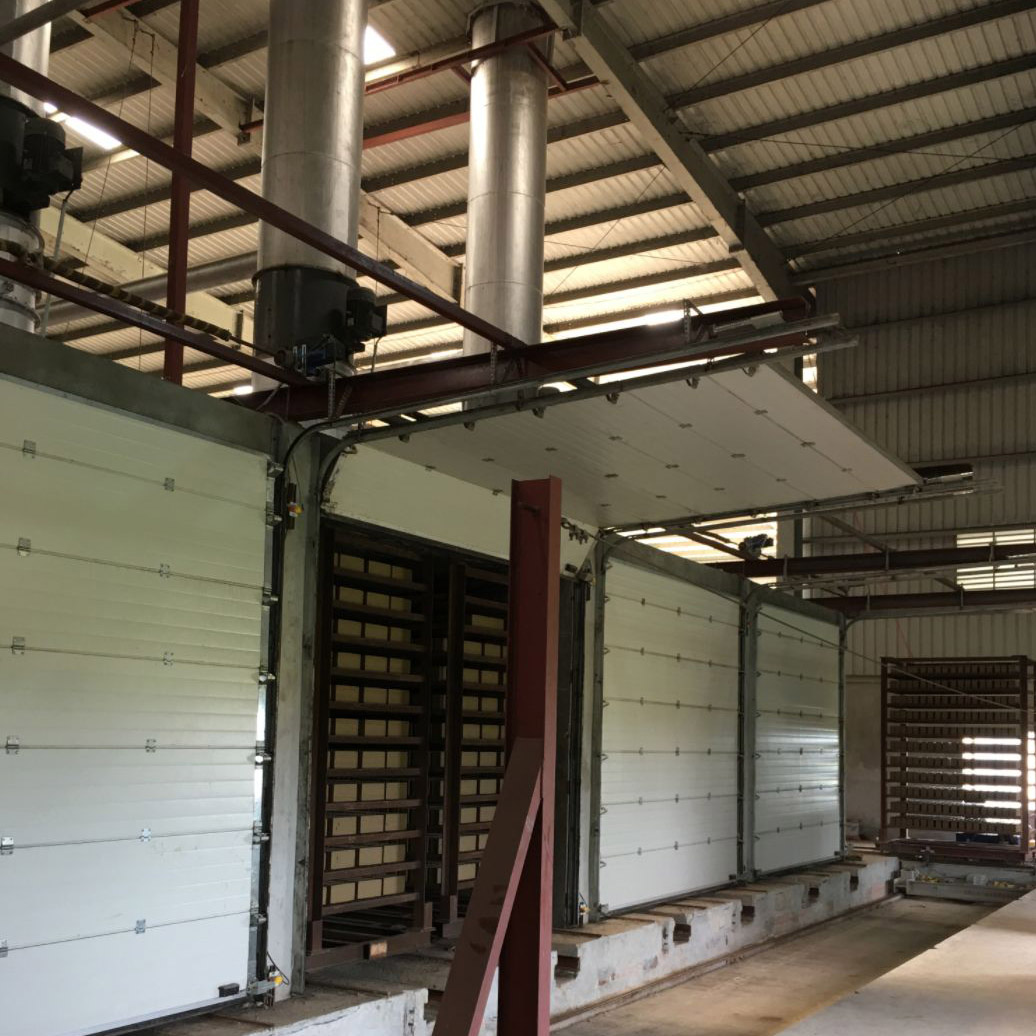
Continuous drying cycle that utilizes kiln residual heat, resolving monsoon wetness bottlenecks across Punjab brick operations.
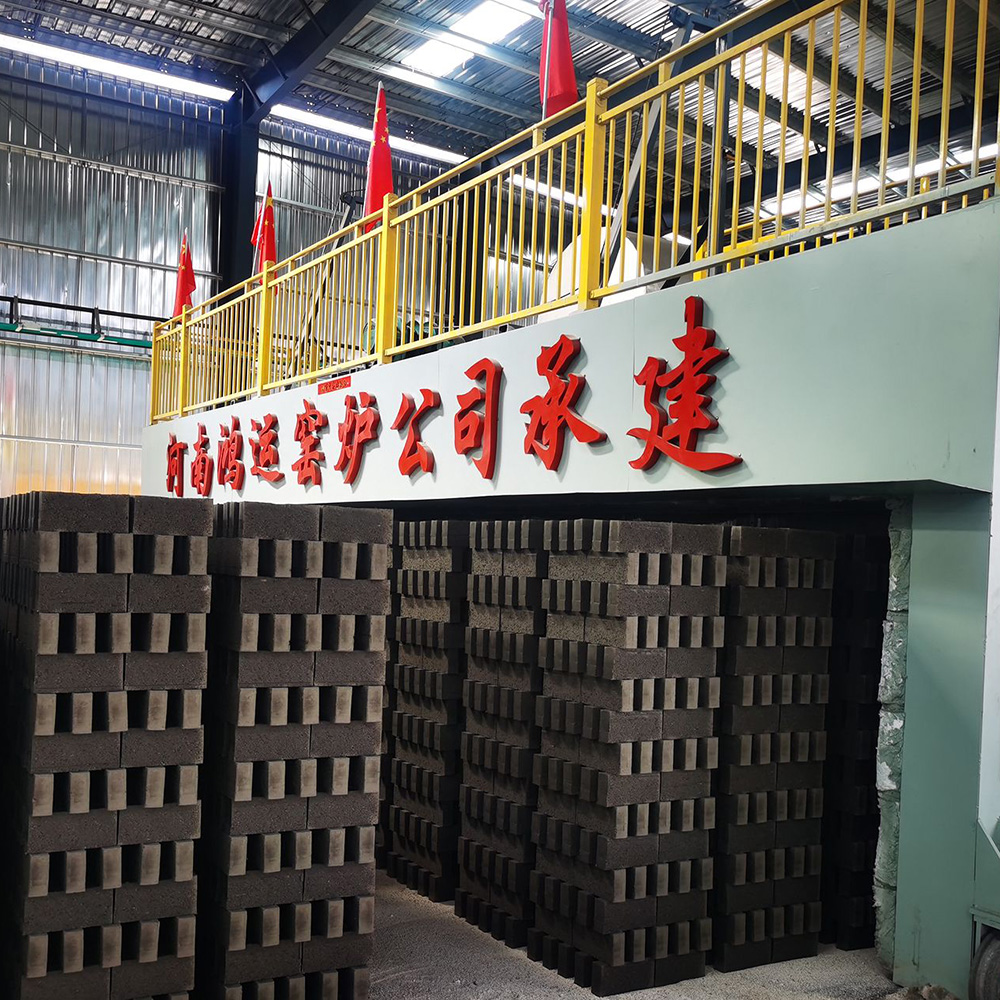
Revolutionary mobile circular firing architecture reducing coal usage by 45% and eliminating black smoke in compliance with Punjab EPD rules.
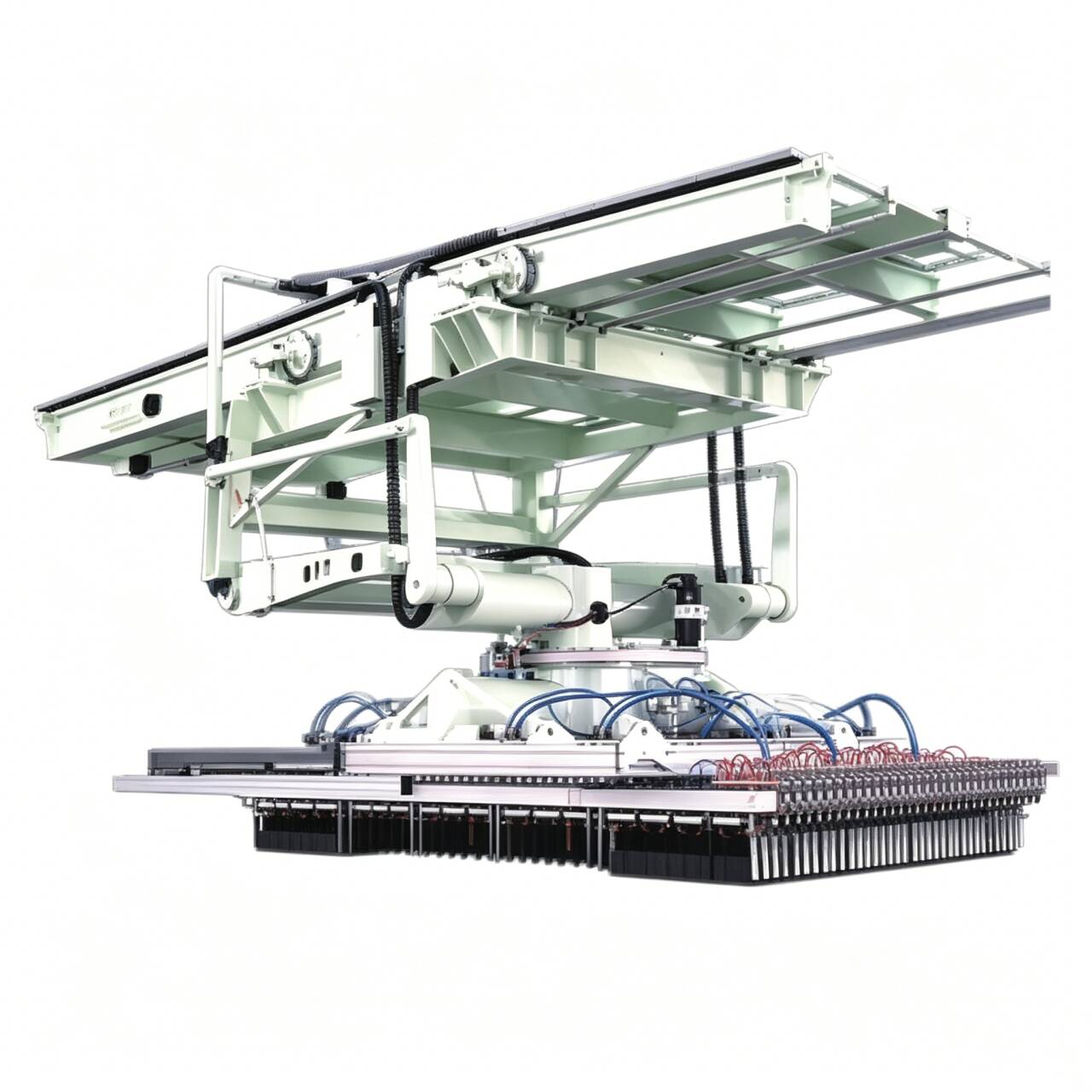
Advanced robotic servo setting machine handling up to 25,000 bricks/hr, replacing manual labor and safeguarding structural edges.
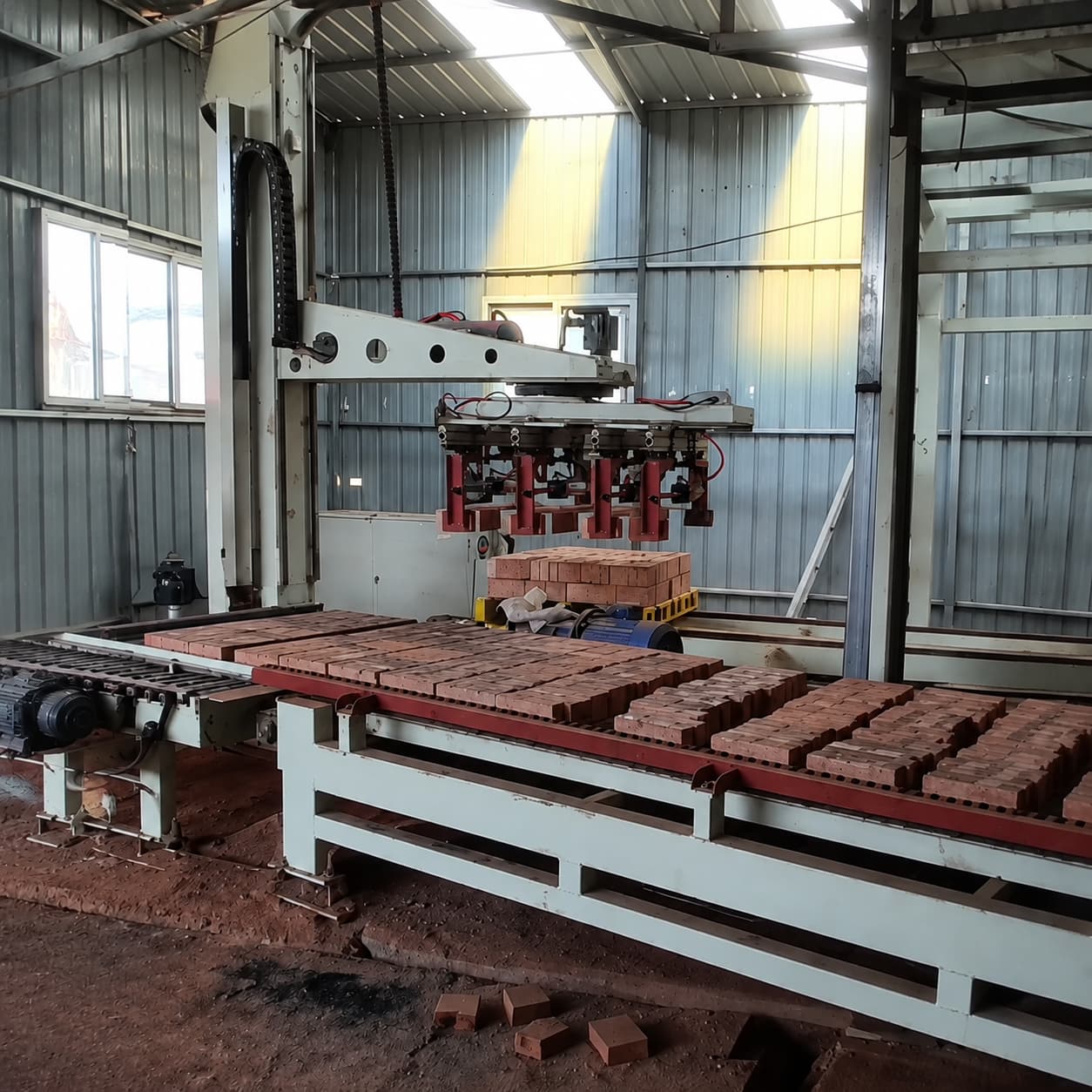
High-tension strapping system accelerating dispatch from kiln yards directly to urban construction hubs in Lahore, Karachi, and Islamabad.
The brick manufacturing sector in Pakistan represents one of the foundational pillars of the nation's domestic construction economy. Across the expanse of Punjab, Sindh, Khyber Pakhtunkhwa (KPK), and Balochistan, more than 18,000 traditional brick kilns have historically supplied billions of solid masonry units annually to meet unrelenting housing, road infrastructure, and commercial property demands. However, traditional production models—dominated for decades by coal-guzzling Fixed Chimney Bulls Trench Kilns (FCBTK)—face irreversible structural disruption.
In major metropolitan centers such as Lahore, Faisalabad, Multan, and Gujranwala, severe winter smog crises have forced regulatory agencies, including the Punjab Environmental Protection Department (EPD), to mandate rigorous environmental directives. Unabated particulate emissions, soot, and inefficient coal combustion are now subject to immediate operational shutdowns, seasonal bans, and strict emissions penalties. Forward-thinking Pakistani industrial entrepreneurs are rapidly discarding archaic manual moulding in favor of automated, eco-friendly earth and clay brick production lines that guarantee compliance, operational continuity, and dramatically lowered thermal overhead.
The accelerated rollout of the China-Pakistan Economic Corridor (CPEC), alongside national affordable housing schemes, has triggered unprecedented qualitative standards in brick manufacturing. Structural engineers and institutional developers across Karachi, Rawalpindi, and Gwadar no longer accept uneven, hand-moulded bricks characterized by fluctuating compressive strength, high water absorption, and rough dimensions. Today’s major commercial contracts demand uniform load-bearing earth bricks, hollow insulation blocks, and interlocking paving units.
Moreover, the volatile price of imported coal from South Africa and Afghanistan, combined with regional currency exchange fluctuations, has created an urgent economic imperative: Pakistani brick producers must cut their metric-ton coal consumption per 100,000 fired bricks. The transition to mechanized vacuum extrusion and closed-cycle tunnel kiln technology transforms what was once an unorganized cottage trade into an automated, highly profitable modern manufacturing enterprise.
Investing in heavy industrial machinery requires absolute mechanical integrity, operator safety, and resilience against aggressive field operating conditions.
Our earth brick production equipment fully satisfies European CE Machinery Directive (2006/42/EC) and Low Voltage Directive (2014/35/EU). Dual-channel safety interlocks, emergency stop loops, and enclosed high-torque gearboxes protect local operators from industrial workplace hazards.
Pakistani industrial grids frequently suffer from severe voltage sags and unexpected tripping. Our heavy-duty industrial oil-immersed transformers and Schneider/Siemens PLC control modules incorporate robust surge suppressors and wide-voltage tolerances to protect plant electronics from damage.
Alluvial soils along the Indus River Basin, Jhelum, and Chenab exhibit complex plasticity indexes, fine silt balances, and variable sand content. Our dual-shaft mixers and high-pressure vacuum extruders handle variable raw soil formulations, eliminating drying cracks and structural warping.
Brick manufacturing in Pakistan is uniquely influenced by harsh semi-arid climates, intense summer heat exceeding 45°C, and monsoon flash rains. Deploying modern earth brick machinery must therefore account for regional operating challenges across diverse geographic zones:
During the scorching summer months in interior Sindh (Jacobabad, Sukkur, Hyderabad) and southern Punjab (Bahawalpur, Rahim Yar Khan), traditional dense solid bricks absorb massive solar heat loads, driving indoor temperatures sky-high and burdening domestic electrical grids. By installing our multi-hole vacuum extrusion dies, Pakistani producers can manufacture lightweight, multi-cellular thermal insulating bricks. The internal static air chambers create an exceptional thermal barrier, reducing building cooling loads by up to 35% and positioning manufacturers as preferred suppliers for green-certified modern architectural projects.
Historically, Pakistani brick operations come to a complete standstill during the July–September monsoon season due to reliance on open-air ground drying. Rainwater dissolves unbaked green bricks, destroying weeks of labor and triggering market supply shortages. Our single-layer chamber tunnel dryer uses direct waste-heat ducting from the firing zone. Green bricks dry uniformly within 24 to 36 hours in a climate-controlled chamber, irrespective of torrential rainfall or ambient humidity, enabling 365-day continuous production.
With Pakistan actively utilizing domestic lignite deposits from the Thar Coalfield, brick producers require precise combustion monitoring. Low-grade coals possess volatile moisture levels and high ash percentages. By deploying our automated high-precision bomb calorimeters and moisture testing instrumentation, factory technicians can determine the precise calorific value (MJ/kg) of every fuel batch, blending local Thar coal with biomass agro-waste (such as rice husk, bagasse, and cotton stalk) to achieve stable firing temperatures between 950°C and 1050°C without wasted energy.
We, Henan Cadier Green Building Technology Co., Ltd., have been completely dedicated to delivering comprehensive turnkey solutions for large-scale production lines of energy-saving, environmentally friendly wall materials and the integration of high-end building resources since 2009.
Our heavy manufacturing campus covers an expansive area of 41,000 square meters, including 15,600 square meters of specialized production workshops and 4,000 square meters allocated to advanced administrative offices, R&D centers, and supporting testing facilities. Our engineering department boasts dozens of senior machinery specialists and over 60 mid-to-senior technical personnel committed to pioneering modern clay and earth brick automation.
For our Pakistani clientele, we bring world-class fabrication expertise, complete European CE certification compliance, custom kilns engineered for localized coal mixtures, and enduring technical support directly to your plant location.
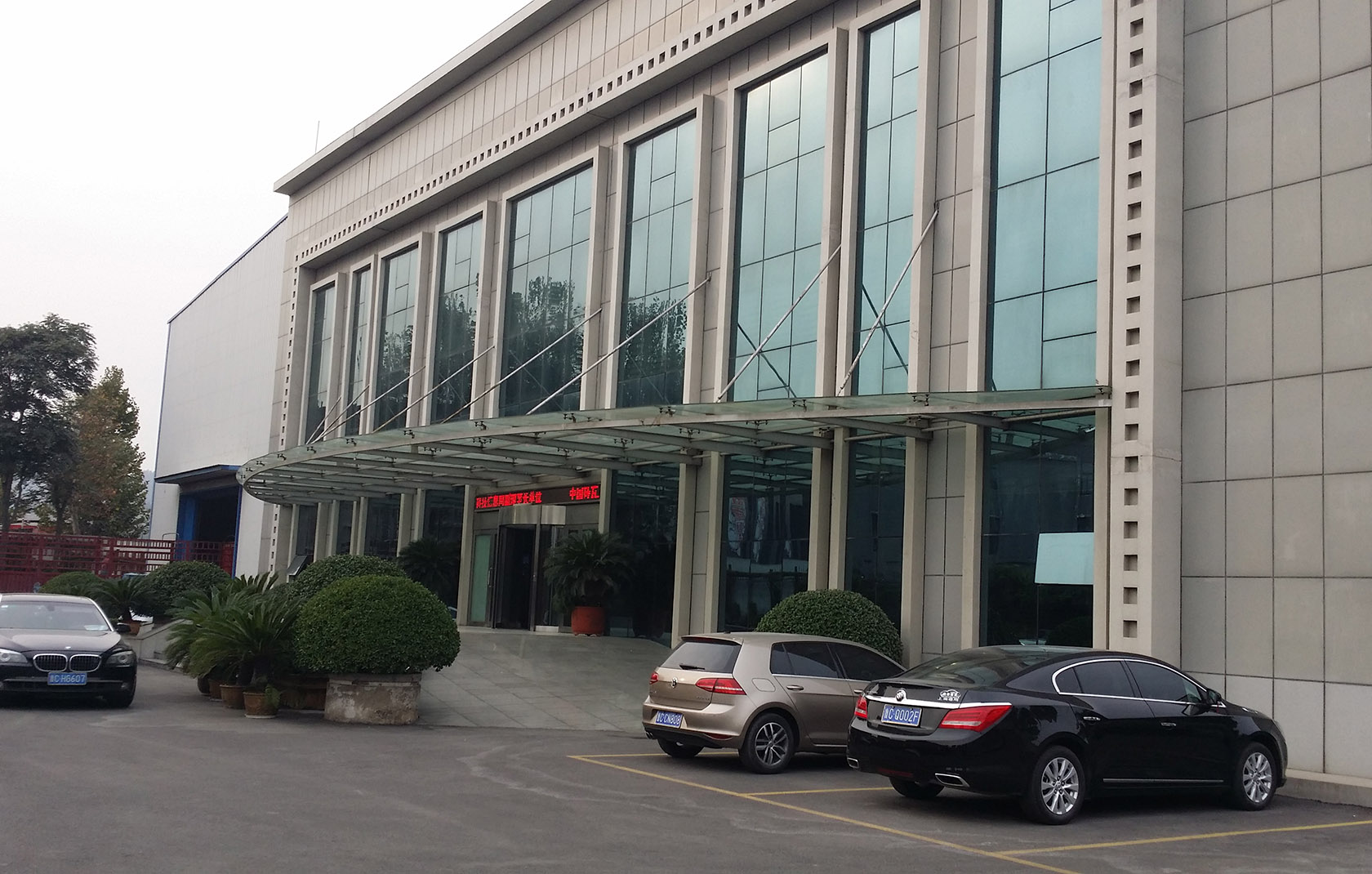
We supply complete, heavy-duty production lines covering every single stage of modern brick and tile manufacturing. From primary clay crushing and de-airing vacuum extrusion to computerized stackers and mobile firing structures, our systems are built for long operational lifespans and superior efficiency.
As of today, we have obtained more than 100 patents for brick kiln and thermal processing technology. We continuously enhance our manufacturing and digital control capabilities to empower customers with efficient, high-output, automated brick factories that dominate regional markets.
Ensuring complete peace of mind through laboratory testing, customized civil architectural engineering, on-site commissioning, and continuous remote telemetry support.
Topographical soil mapping, raw clay chemical analysis, daily output feasibility studies, and tailored 3D equipment layouts optimized for Pakistani land plots.
On-site Chinese dispatch engineers supervising steel fabrication, tunnel kiln masonry construction, electrical transformer hookup, and machine alignment.
Raw material moisture adjustment, trial extrusion runs, kiln heating curve calibration, and IoT-enabled remote diagnostic synchronization for immediate troubleshooting.
Comprehensive local workforce operational training in Urdu/English, fast spare parts logistics (augers, cutting wires, wear liners), and continuous kiln yield optimization.
Browse our complete lineup of CE-certified equipment engineered to modernize your brick plant in Pakistan from raw material processing to final strapping.
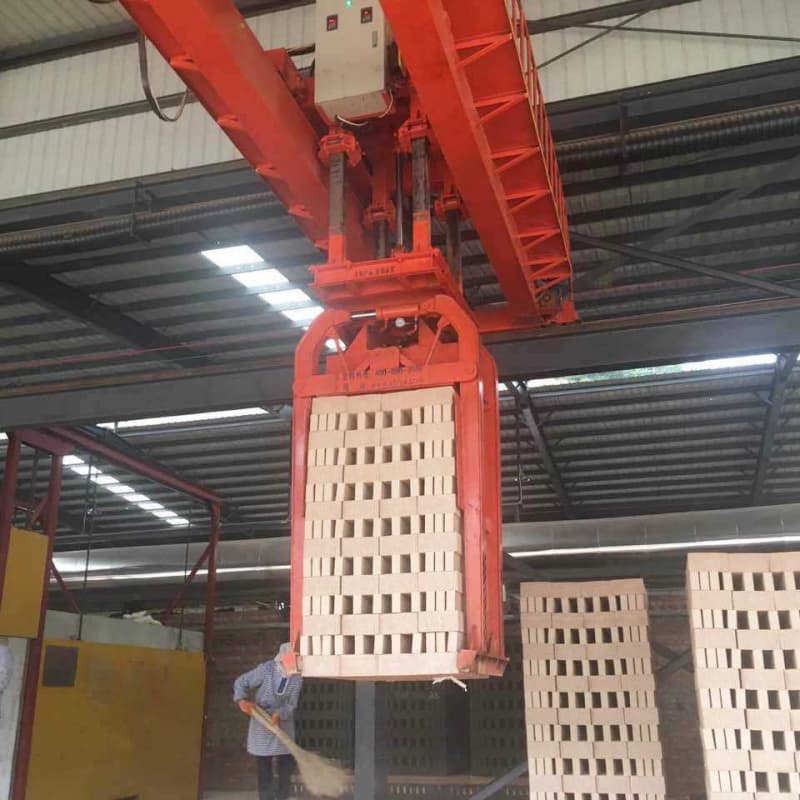
High-capacity automated de-hacking and unloading unit, safely discharging fired bricks from kiln cars directly onto packaging conveyors.
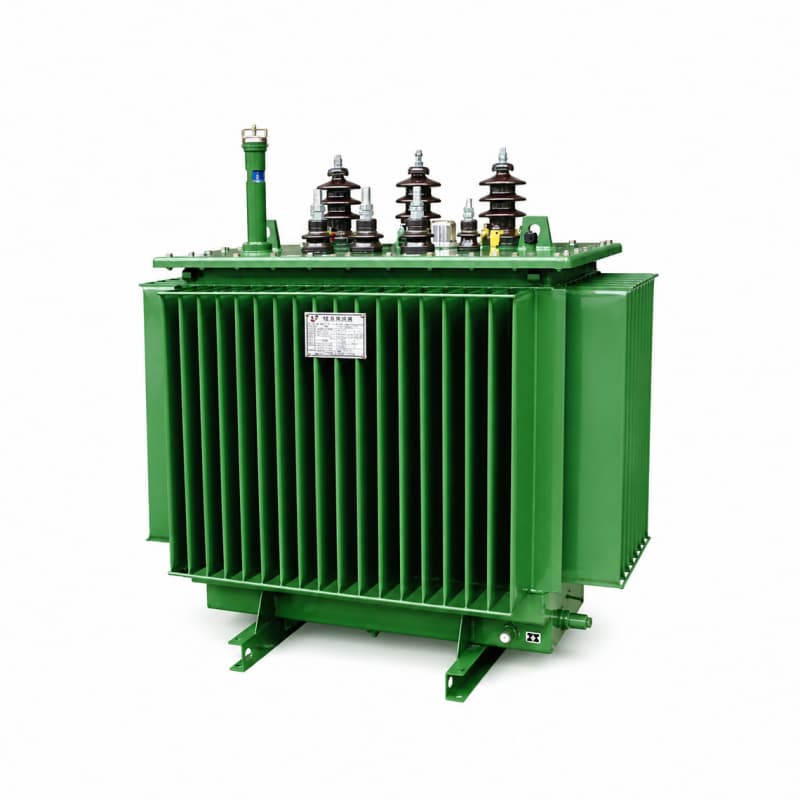
High-efficiency step-down transformer engineered specifically to withstand severe voltage fluctuations and ambient heat in Pakistani industrial parks.
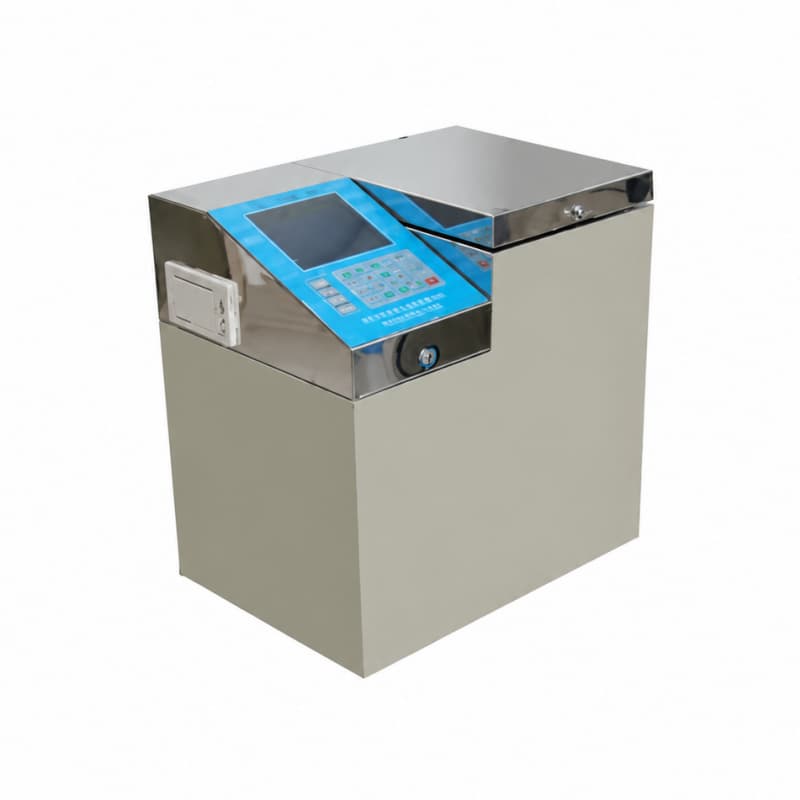
Essential lab testing equipment to accurately calculate calorific heat value for Thar coal, Afghan coal, and biomass fuel optimization.
Rapid moisture extraction tunnel preventing green brick collapse, ensuring year-round non-stop factory output regardless of rainfall.
Circular moving firing kiln body offering unmatched flexibility, low infrastructure civil investment, and superior fuel economy for commercial bricks.
High-precision clamping and stacking mechanism arranging wet extruded bricks onto kiln cars with uniform draft gaps for optimal firing.
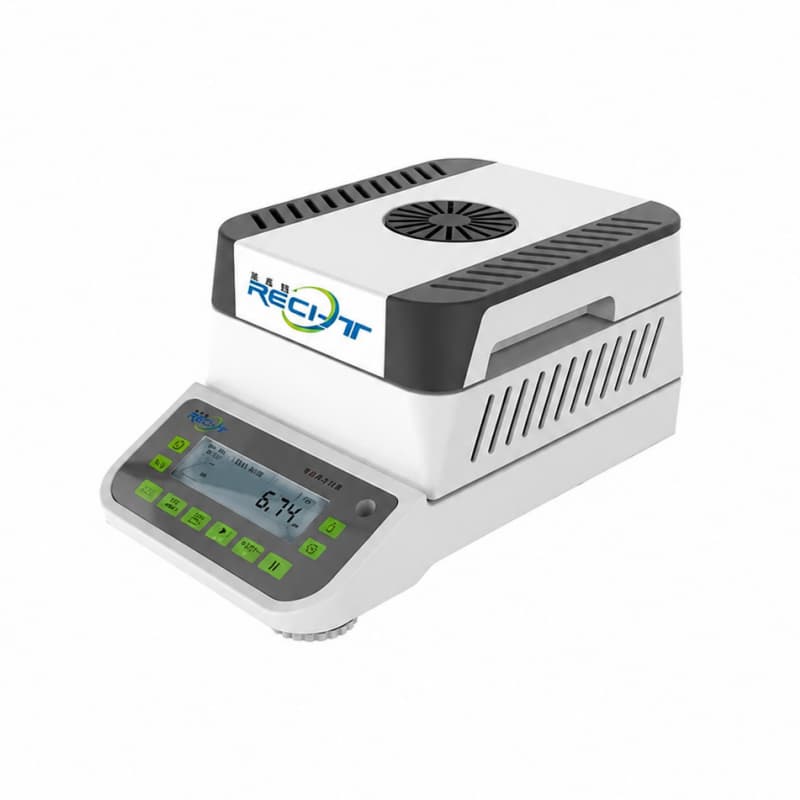
Fast digital moisture analysis equipment ensuring clay-to-water ratio conforms strictly to optimum vacuum extrusion plasticization criteria.
Requires only 2 operators; tightly bundles fired bricks for secure, damage-free flatbed truck transport to construction sites across Pakistan.
Crucial commercial, technical, and environmental insights for setting up high-yield brick operations across Pakistan.
CE marking confirms that equipment complies with rigorous European standards for mechanical safety, electrical insulation, and structural reliability. In Pakistan, where voltage surges, extreme dust, and high temperatures are prevalent, CE-certified components (such as ABB/Siemens motors and Schneider switchgear) prevent premature breakdowns and catastrophic motor burnout, drastically reducing unscheduled downtime.
Yes. Soils across Punjab and Sindh are rich in alluvial silt and clays with varying degrees of plastic index. Our multi-stage preparation plants utilize high-speed fine roller crushers, dual-shaft screen mixers, and high-vacuum extrusion de-airing chambers (up to -0.092 MPa) to homogenize heterogeneous soils, ensuring smooth column extrusion with zero delamination or micro-cracks.
Traditional Bulls Trench Kilns discharge massive plumes of unburnt hydrocarbons and particulate matter. Our Mobile Rotary Kilns and Tunnel Kilns employ pressurized draft controls, internal fuel firing, and integrated desulfurization scrubbing towers. This reduces carbon emissions and opacity to levels well within the National Environmental Quality Standards (NEQS) set by Pakistani environmental authorities.
Due to dramatic reductions in manual labor (saving 50–70 manual workers per site), massive coal energy savings of 40–50%, year-round continuous drying independent of monsoon seasons, and premium market prices for uniform CE-grade solid and hollow bricks, most plant owners recover their initial capital investment within 18 to 28 months of full commissioning.