The Infrastructure Surge: Fueling Demand for Resilient Masonry Materials
The Philippines is experiencing an unprecedented construction boom driven by nationwide public infrastructure initiatives under the "Build Better More" (BBM) program, coupled with extensive private residential and commercial developments across Metro Manila, Central Luzon, Calabarzon, Metro Cebu, and Davao. Rapid urban expansion has exposed a major supply bottleneck in the traditional building materials supply chain, necessitating a shift toward advanced, high-capacity, automated manufacturing facilities.
Historically, the Philippine masonry sector relied heavily on artisanal manual hollow blocks and low-pressure concrete blocks. However, structural performance demands, recurring typhoon seasons, and seismic activities along the Pacific Ring of Fire have driven a massive industrial transition toward high-density, load-bearing fired clay bricks, hollow interlocking blocks, and specialized split pavers. Commercial developers and engineering contractors are increasingly mandating wall materials with superior compressive strength, low water absorption, high thermal insulation, and fire resistance.
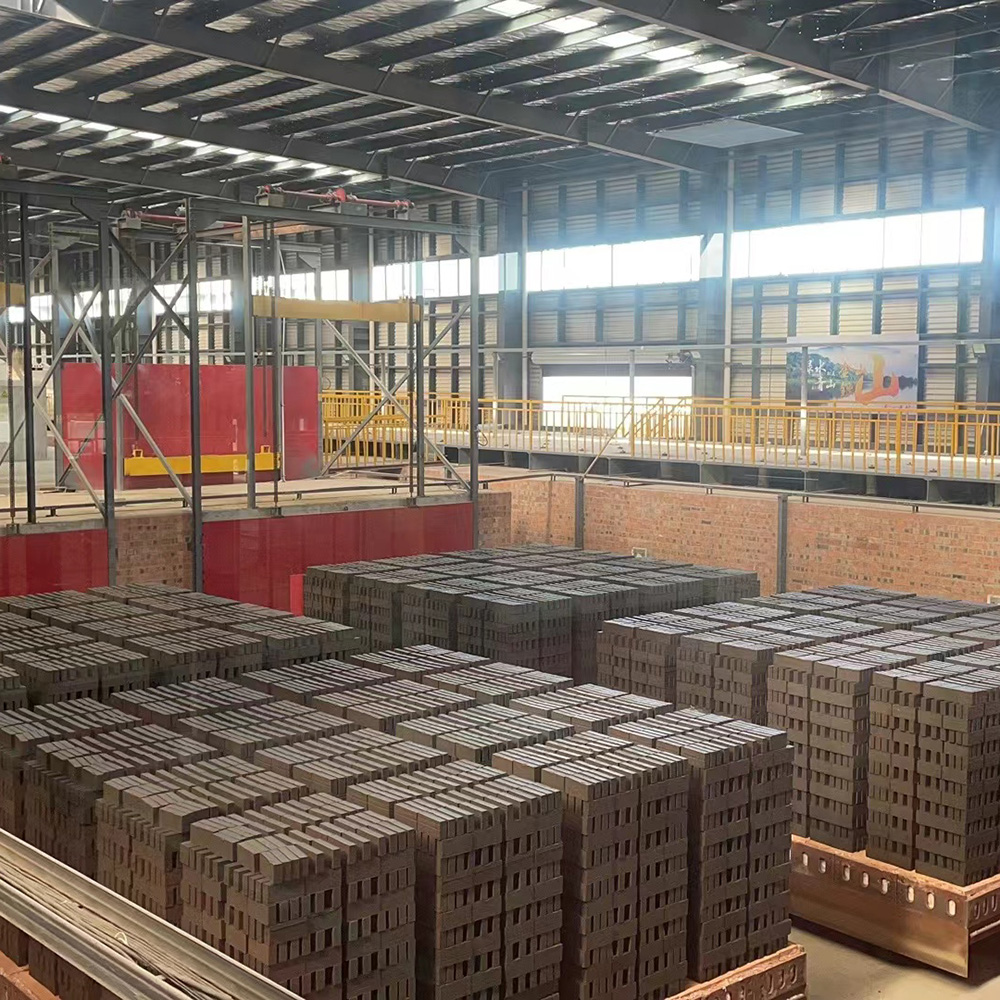
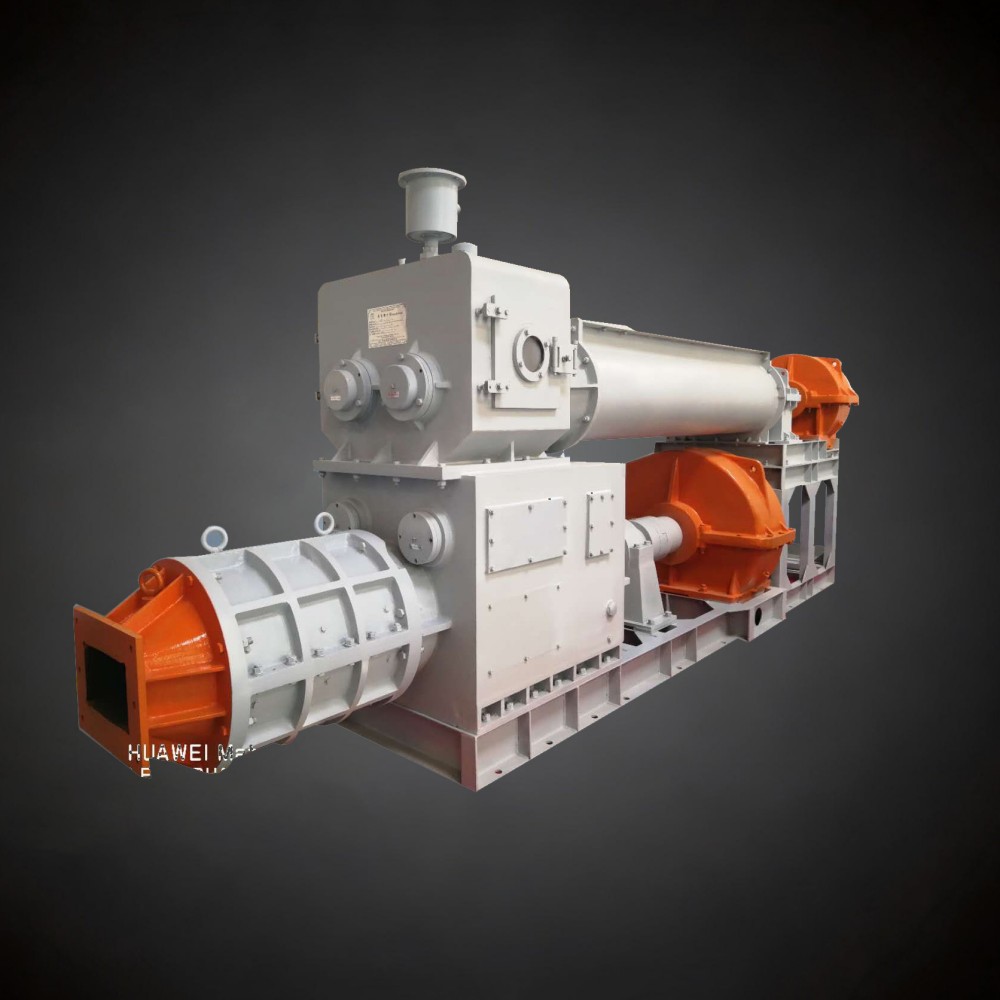
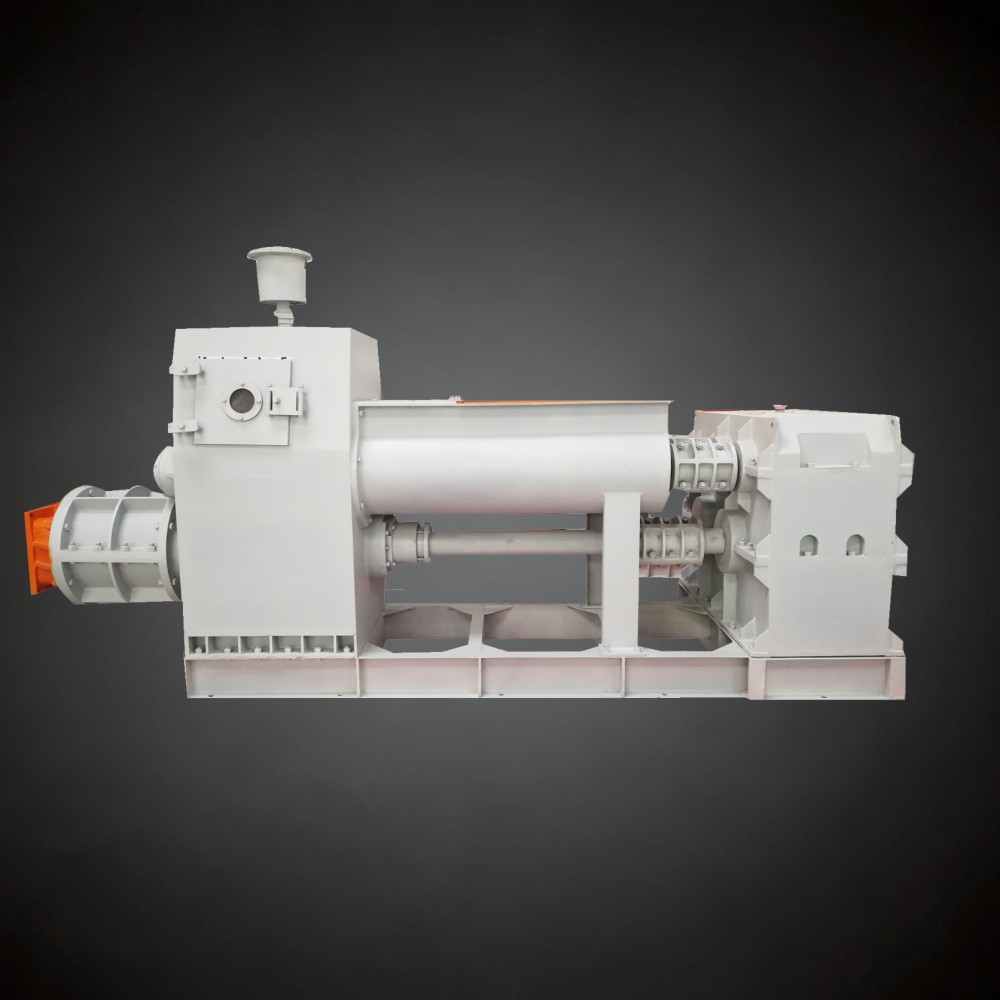
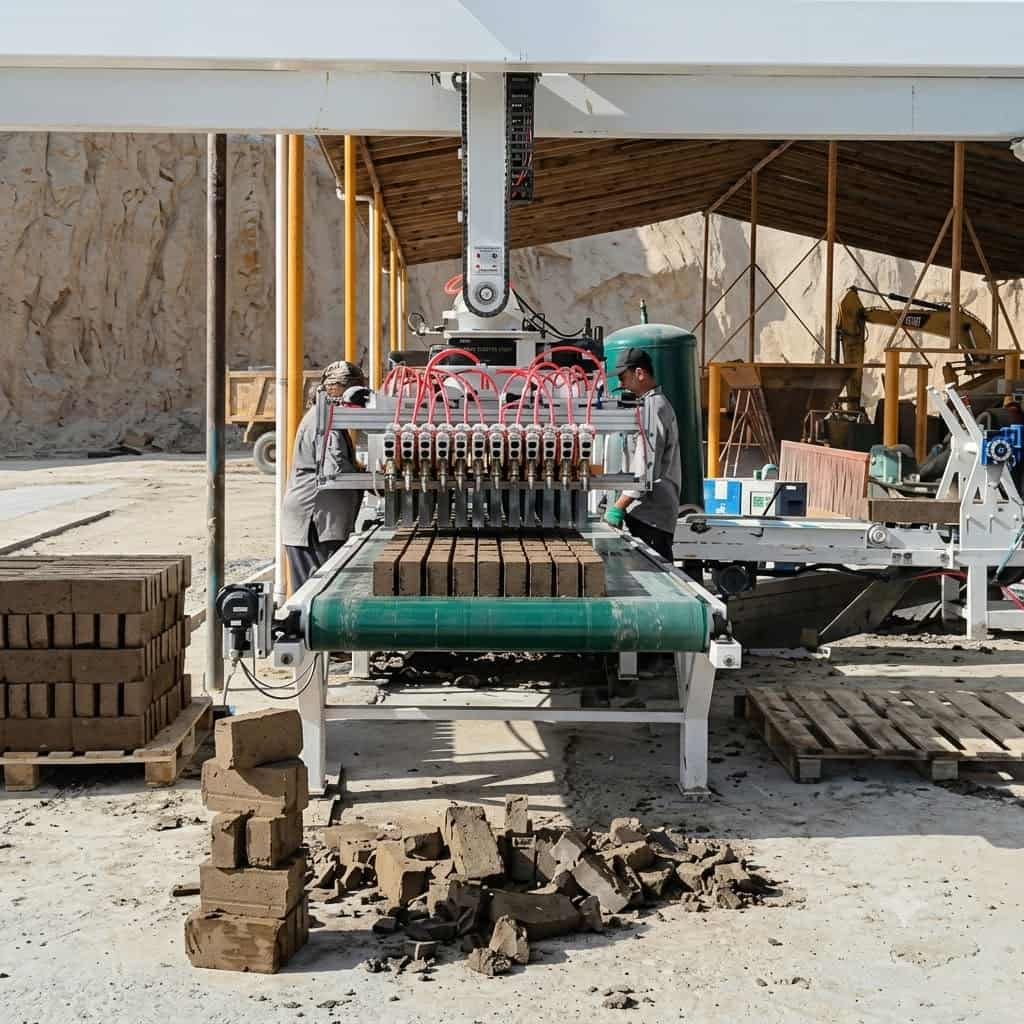
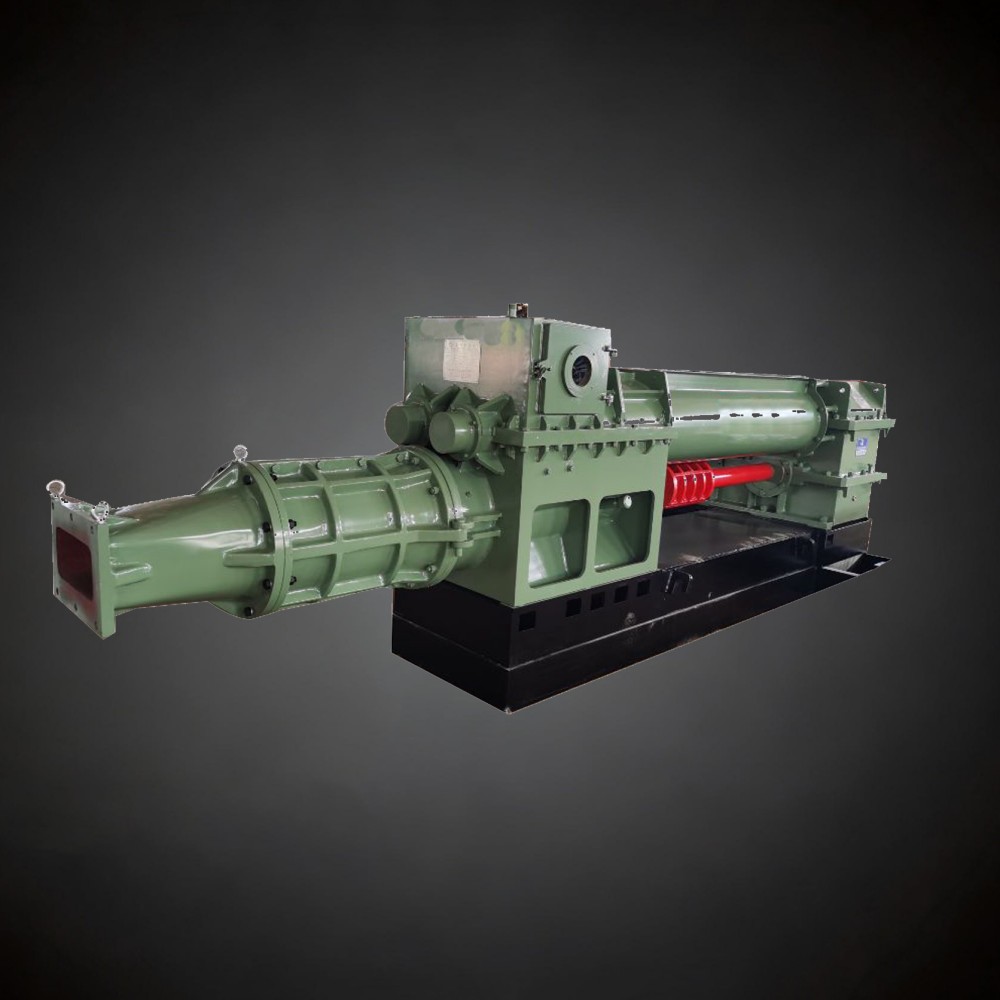
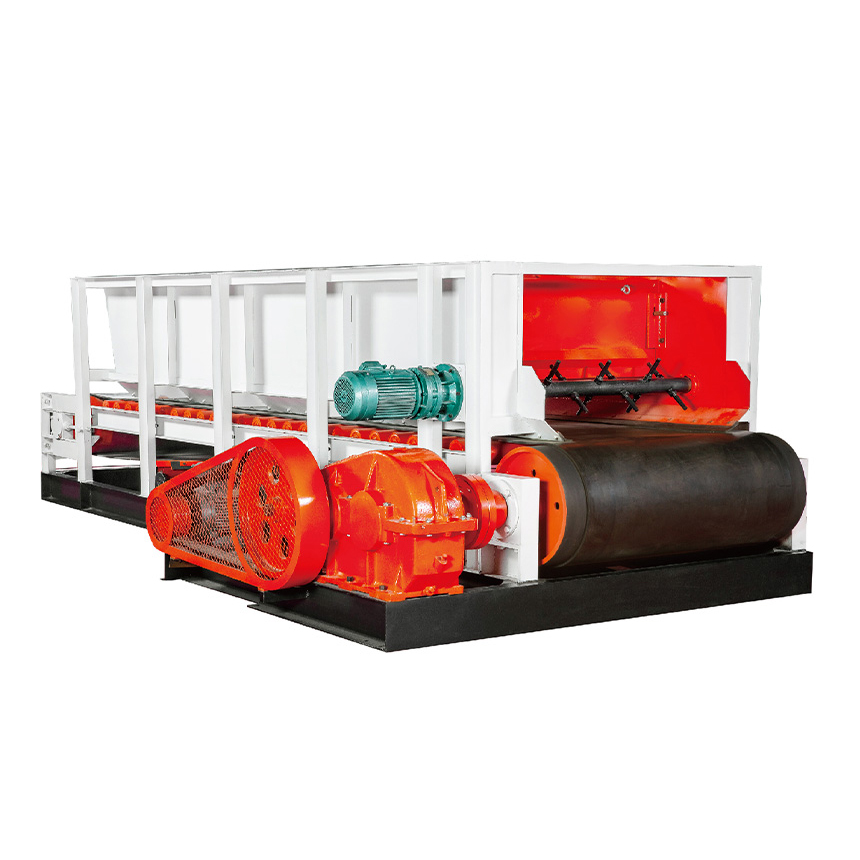
Modern automated brick machinery—specifically CE-certified two-stage vacuum extruders and energy-efficient tunnel kilns—empowers Philippine brick manufacturers to scale output from tens of thousands to hundreds of thousands of standard bricks daily, dramatically cutting unit production costs while adhering strictly to National Structural Code of the Philippines (NSCP) requirements.