请留言
Discover our highly efficient equipment tailored for local material utilization and rural infrastructure demands.
The global push for rural revitalization and decentralized infrastructure development has placed unprecedented demands on the construction materials sector. Historically, rural brick production relied heavily on manual labor, traditional clamp kilns, and highly inefficient, environmentally degrading practices. However, the contemporary industrial landscape for a Brickwork Machine for Rural Infrastructure Projects is undergoing a massive transformation driven by technological advancements, economic necessities, and stringent environmental policies.
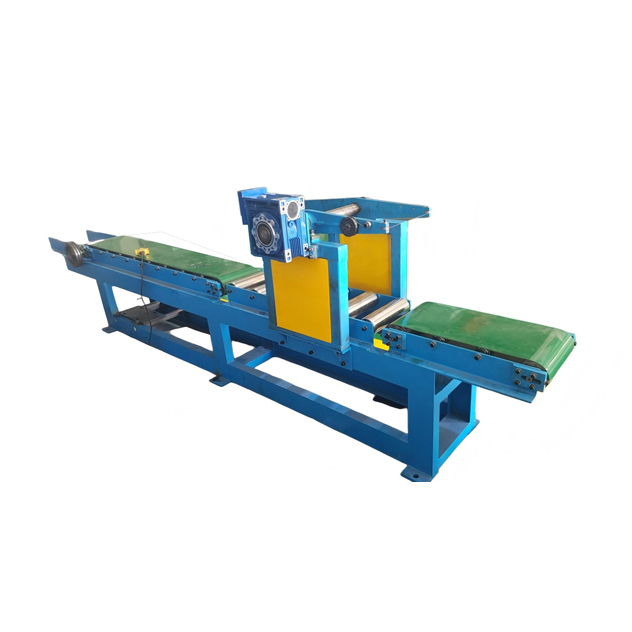
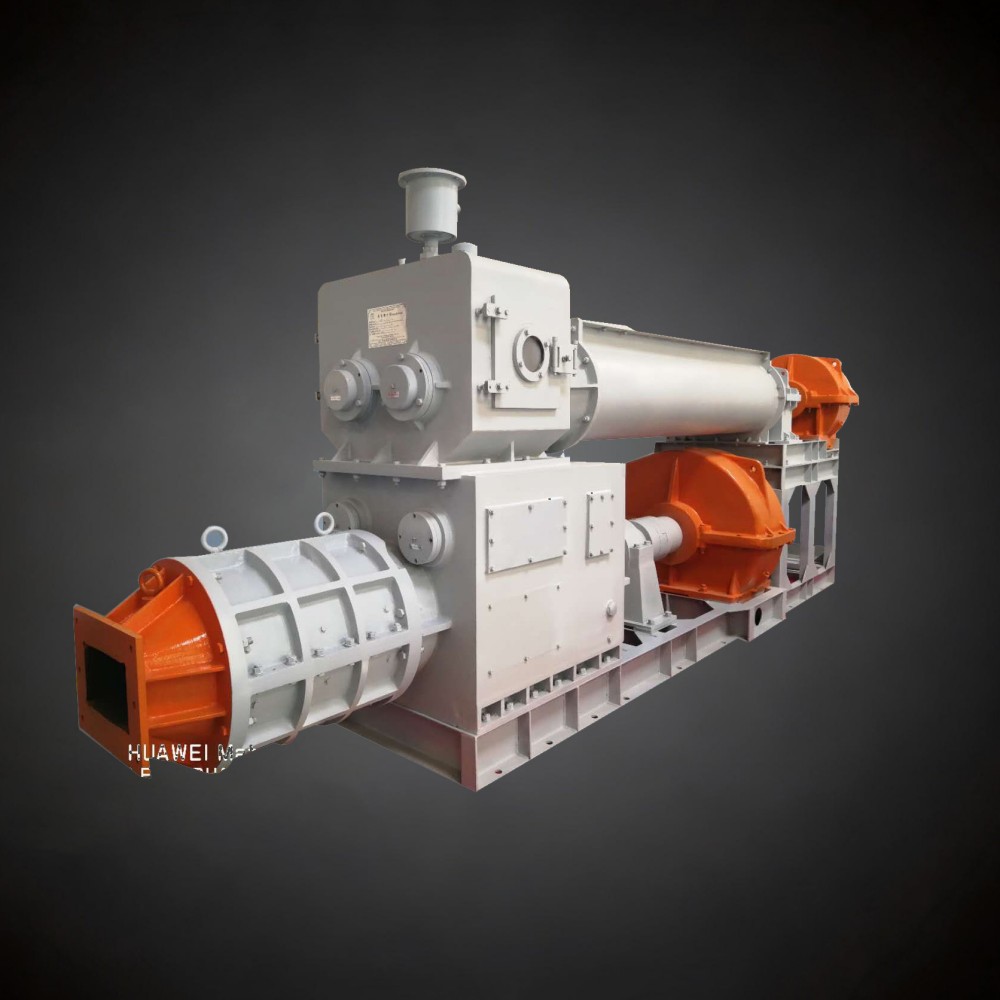
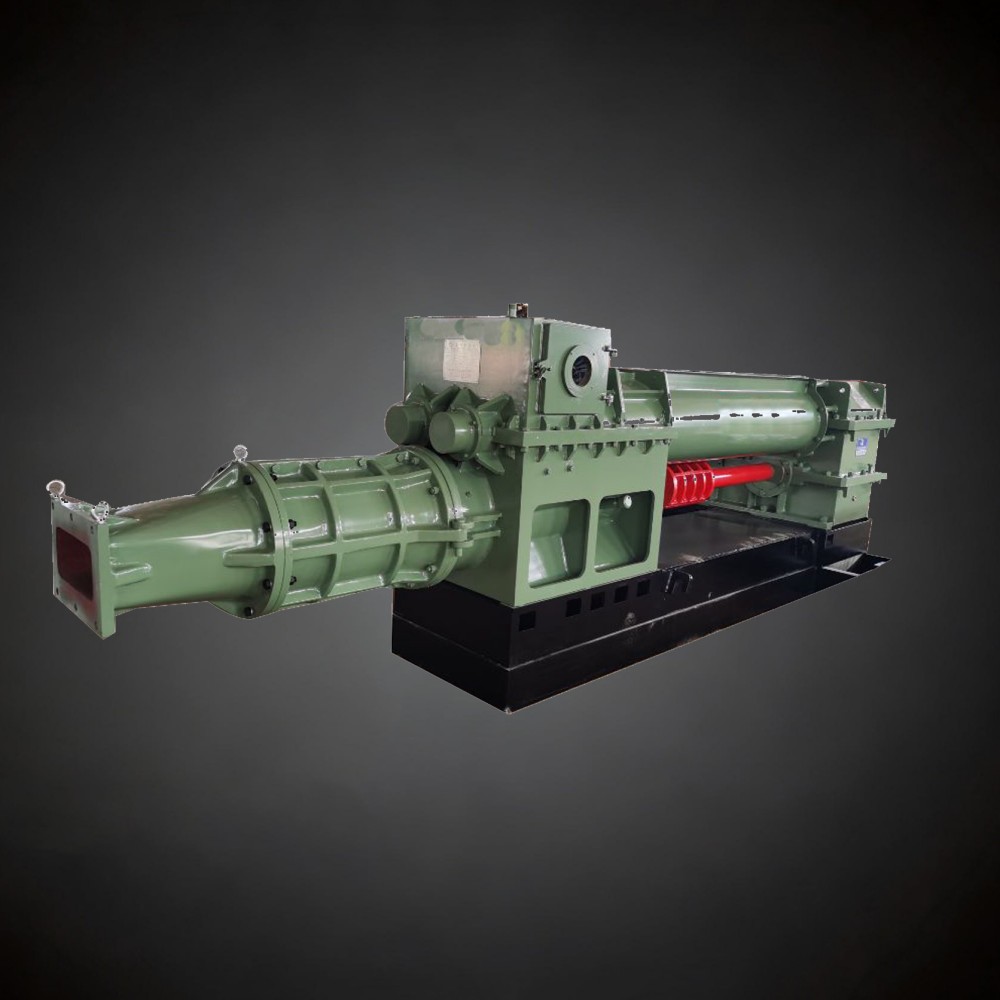
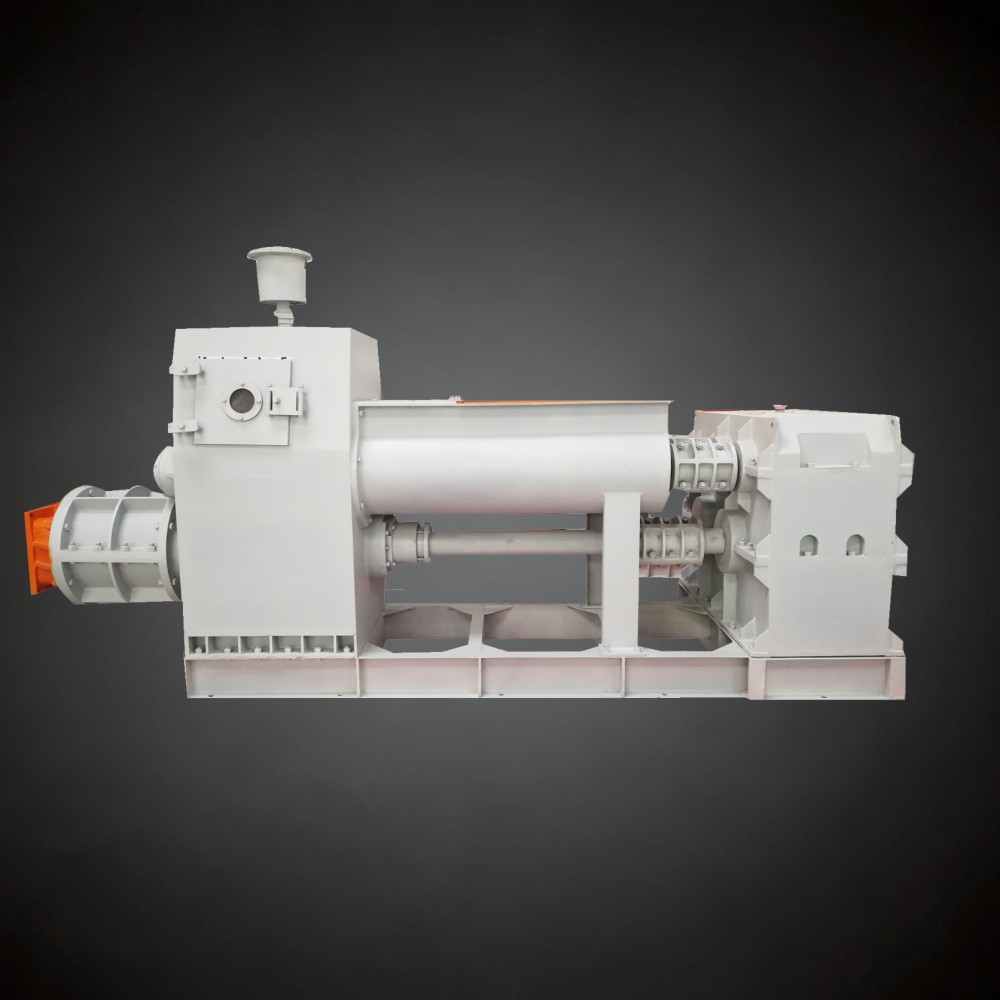
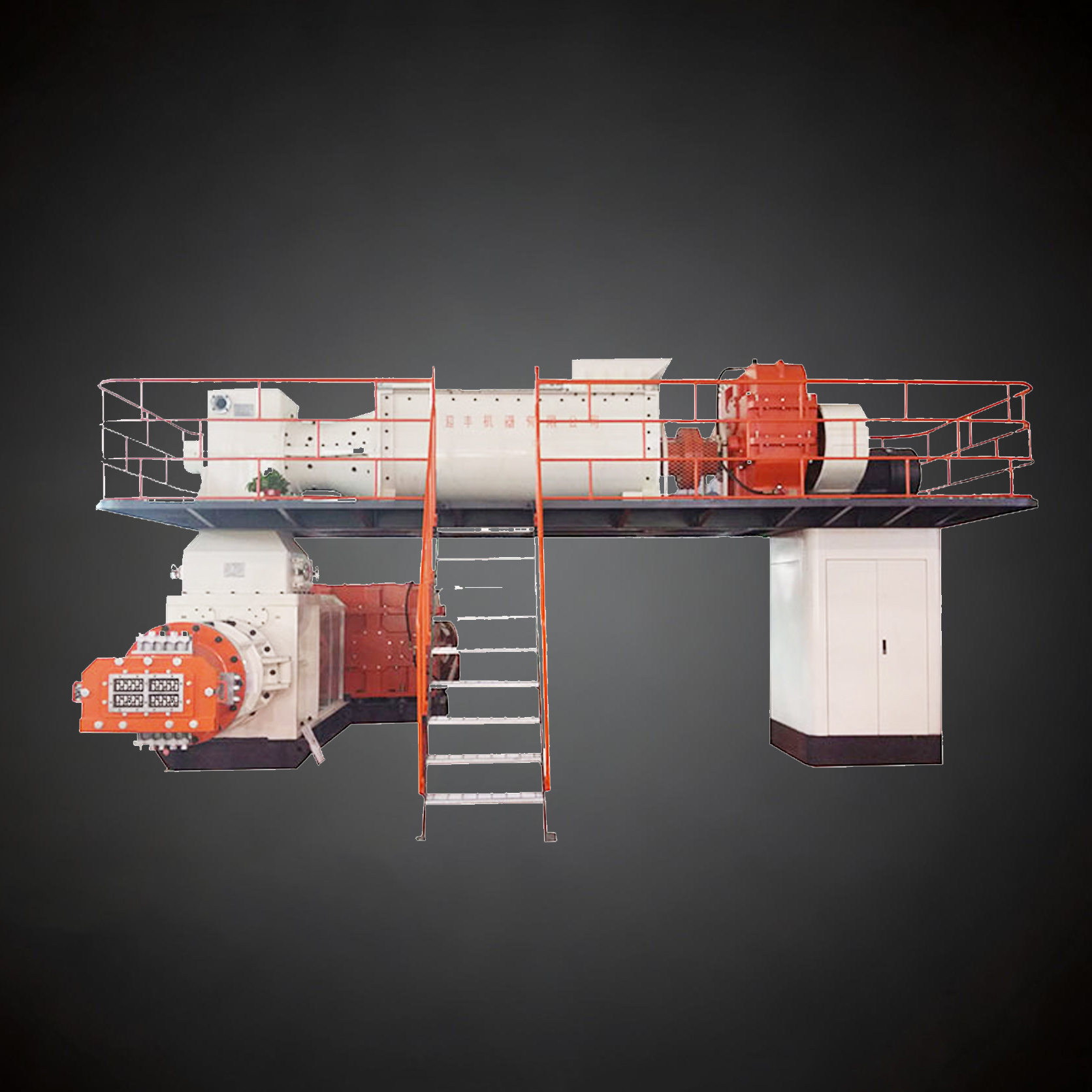
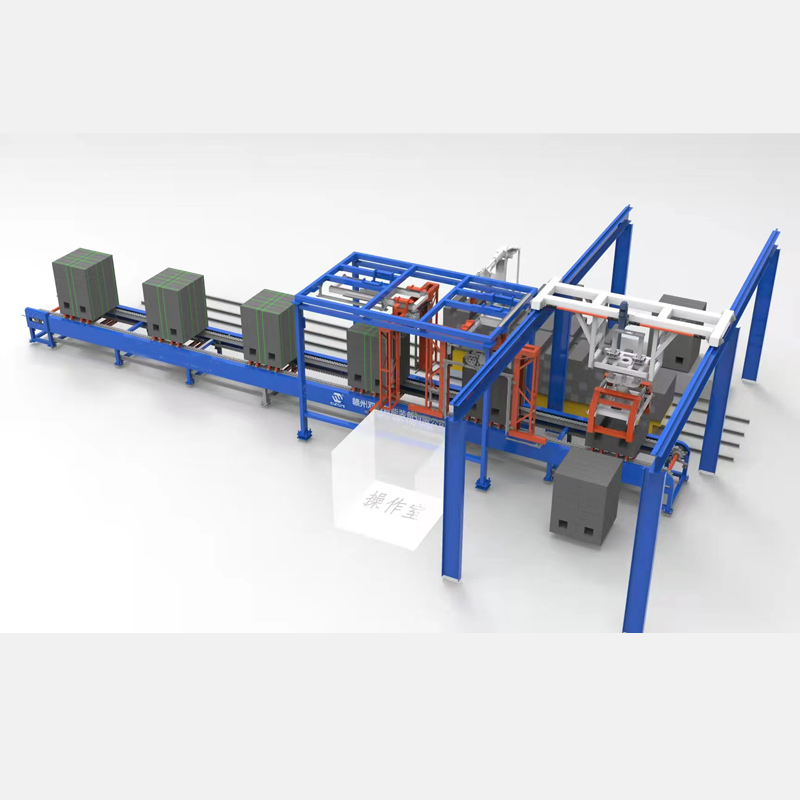
In recent years, the severe shortage of manual labor in rural areas—largely due to urbanization and demographic shifts—has catalyzed the adoption of automated brickwork machinery. Modern vacuum extruders, automated stacking machines, and servo-driven cutters are no longer exclusive to massive urban industrial parks. Equipment manufacturers are now designing scaled-down, highly robust machines specifically engineered for rural terrains and varying power supply conditions. This shift not only multiplies the daily output but drastically improves the structural consistency of the bricks, meeting the exact load-bearing requirements needed for modern rural infrastructure projects.
Deploying an advanced brickwork machine in a rural setting creates a micro-economy. Rather than importing expensive construction materials from urban centers—which incurs massive logistical costs and carbon footprints—rural municipalities can utilize local red soil, clay, and even agricultural by-products (like rice husk ash) to manufacture high-grade bricks on-site. This localized production model significantly reduces the overall budget for rural infrastructure projects. Furthermore, establishing a modern brick plant generates specialized local employment, transitioning workers from back-breaking manual labor to technical machine operation and plant management.
The commercial viability of these machines is further enhanced by their adaptability. A single, well-configured production line can seamlessly switch between producing solid structural bricks for housing, perforated bricks for thermal insulation, and heavy-duty pavers for rural roads, ensuring continuous commercial operation and a rapid return on investment for local entrepreneurs.
A high-quality Brickwork Machine for Rural Infrastructure Projects is the cornerstone of diverse developmental initiatives. The versatility of the bricks produced directly correlates to the resilience and longevity of rural civil engineering works. Below is a profound analysis of how these machines are applied across critical rural infrastructure domains.
One of the most vital applications is the creation of durable rural road networks. Unlike urban asphalt roads which require heavy machinery and high maintenance, brick-paved roads offer a sustainable, easily repairable alternative for village connections. High-pressure brick machines produce dense, wear-resistant pavers capable of withstanding the heavy axle loads of agricultural tractors and harvesters. Furthermore, these brick roads provide excellent traction during monsoon seasons, preventing the muddy isolation that plagues many developing rural regions.
Food security relies heavily on proper post-harvest storage. Bricks manufactured by modern vacuum extruding machines possess superior density and minimal water absorption rates. These characteristics are critical when constructing grain silos, cold storage facilities, and livestock enclosures. High-quality clay bricks provide excellent thermal mass, naturally regulating internal temperatures and humidity, thereby reducing spoilage of agricultural produce without the need for energy-intensive artificial climate control systems.
Rural housing projects demand materials that are both cost-effective and structurally sound. Brickwork machinery enables the mass production of standardized building blocks that comply with modern seismic and structural safety codes. By producing hollow or perforated bricks, these machines contribute to the construction of affordable housing that offers superior acoustic and thermal insulation. This is particularly crucial in rural areas experiencing extreme weather conditions, ensuring that community centers, rural schools, and healthcare clinics provide safe, comfortable environments year-round.
Effective water management is the lifeblood of rural agriculture. Specialized brickwork machines are utilized to produce curved or interlocking bricks specifically designed for lining irrigation canals, constructing retaining walls, and building robust drainage systems. By preventing soil erosion and minimizing water seepage in irrigation channels, locally manufactured bricks play a direct role in water conservation and agricultural efficiency.
As the intersection of heavy machinery and digital technology deepens, the next generation of brick manufacturing equipment is evolving rapidly. The future of the Brickwork Machine for Rural Infrastructure Projects is defined by intelligence, sustainability, and modularity.
The integration of Artificial Intelligence (AI) and Internet of Things (IoT) sensors is revolutionizing rural brick plants. Modern machines are equipped with smart sensors that monitor raw material moisture levels, extrusion pressure, and cutting precision in real-time. AI algorithms analyze this data to automatically adjust machine parameters, minimizing human error and reducing material waste. Predictive maintenance alerts notify operators of potential mechanical failures before they occur, ensuring uninterrupted production schedules crucial for time-sensitive infrastructure projects.
Environmental protection is a global mandate. The latest brickwork machines are engineered to process not just traditional clay, but a variety of solid wastes. Industrial fly ash, coal gangue, river sludge, and agricultural residues are now successfully blended into the brick matrix. This trend not only resolves local waste disposal issues but also produces eco-friendly bricks with lower firing temperatures, drastically reducing greenhouse gas emissions. The transition towards green energy kilns, utilizing biomass or natural gas instead of raw coal, further cements the industry's commitment to sustainable rural development.
Given the vast geographical spread of rural infrastructure projects, fixed-location mega-plants are often impractical. The industry is witnessing a surge in modular, skid-mounted, and semi-mobile brickwork machines. These compact production lines can be rapidly transported, assembled, and commissioned directly at the project site. Once the local infrastructure project is completed, the machinery can be easily relocated to the next village, drastically cutting down transportation costs and logistical bottlenecks.
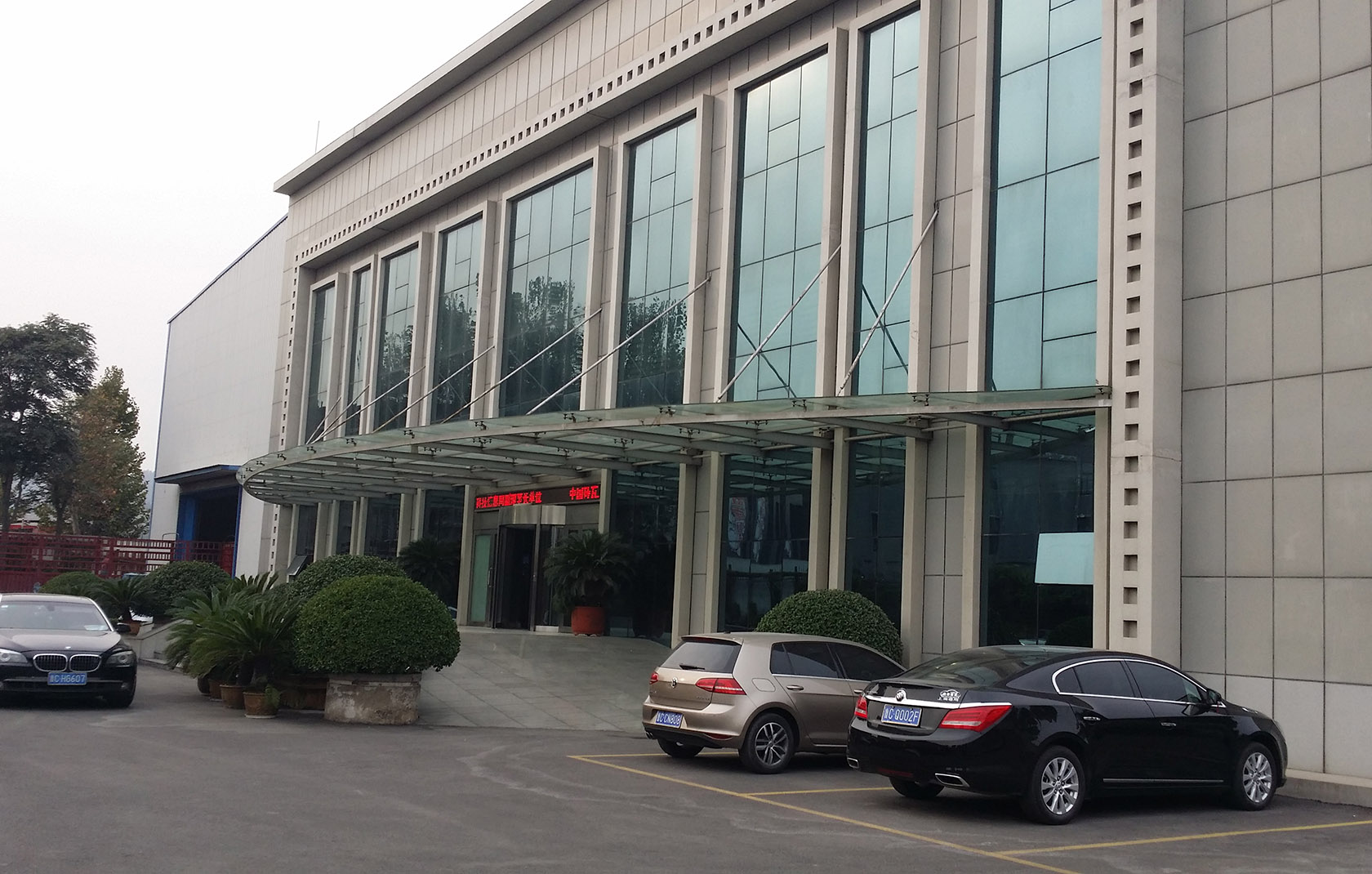
We Henan Cadier Green Building Technology Co.,Ltd are dedicated to the overall solution of large-scale production line of new energy-saving and environmentally friendly wall materials and the integration of high-end building resources since 2009.
Our company covers an area of 41,000 square meters, including 15,600 square meters for production workshops and 4,000 square meters for office, R&D centers and supporting buildings. It currently has multiple engineers and more than 60 mid-to-senior technical personnel.
While leaving the footprints of our times in the history of the world's bricks and tiles, Henan Cadier Green Building Technology Co., Ltd. insists on being "the spreader of brick and tile culture, and the protector of natural life."
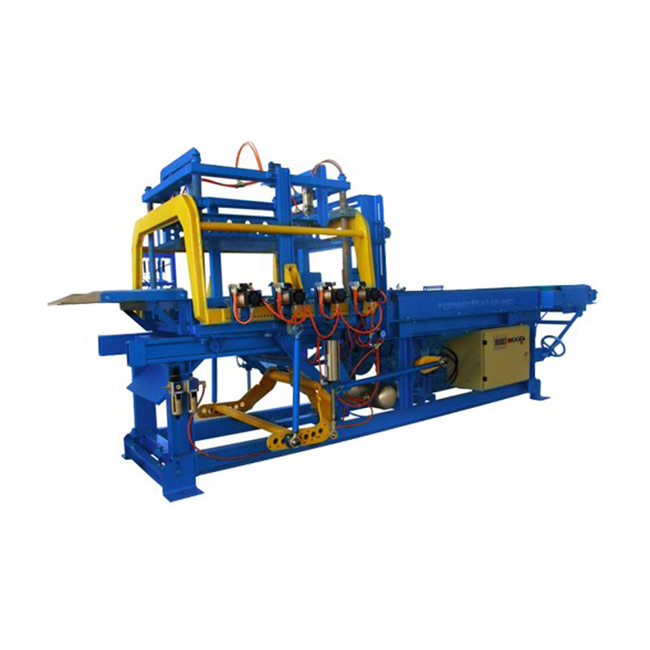
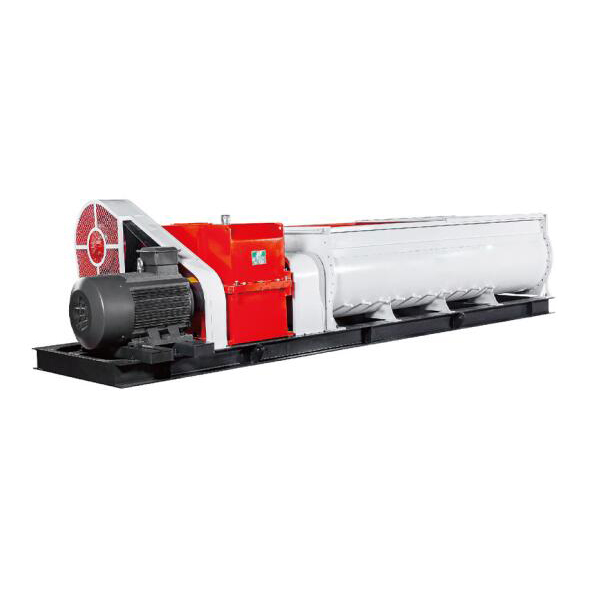
We supply all the high end equipment related with bricks and tile production, essential for powering rural infrastructure projects globally. Our core equipment includes:
As of today, we have obtained more than 100+ patents for brick kiln technology. We continuously enhance our technical capabilities to strive to provide customers with efficient and high-output automated brick factories.
Ensuring customers' peace of mind through a comprehensive service ecosystem and advanced testing capabilities.
Our company provides one-stop service, ensuring customers' peace of mind. Our company is equipped with a complete set of raw material testing and inspection equipment, as well as remote services. We provide comprehensive technical support to customers from factory design, brick machine equipment selection, brick plant construction, to the later operation of the brick plant.
Our company insists on taking the road of high-end brands and has won praise from customers all over the world. Since the establishment of the company, we have exported more than 300 production lines in more than 40+ countries.
Explore our full range of automated equipment designed to optimize every stage of brick production for rural infrastructure.