请留言
Engineered to withstand heavy-duty clay processing, optimize load-shedding resilience, and achieve ultra-low fuel consumption across regional South African soils.
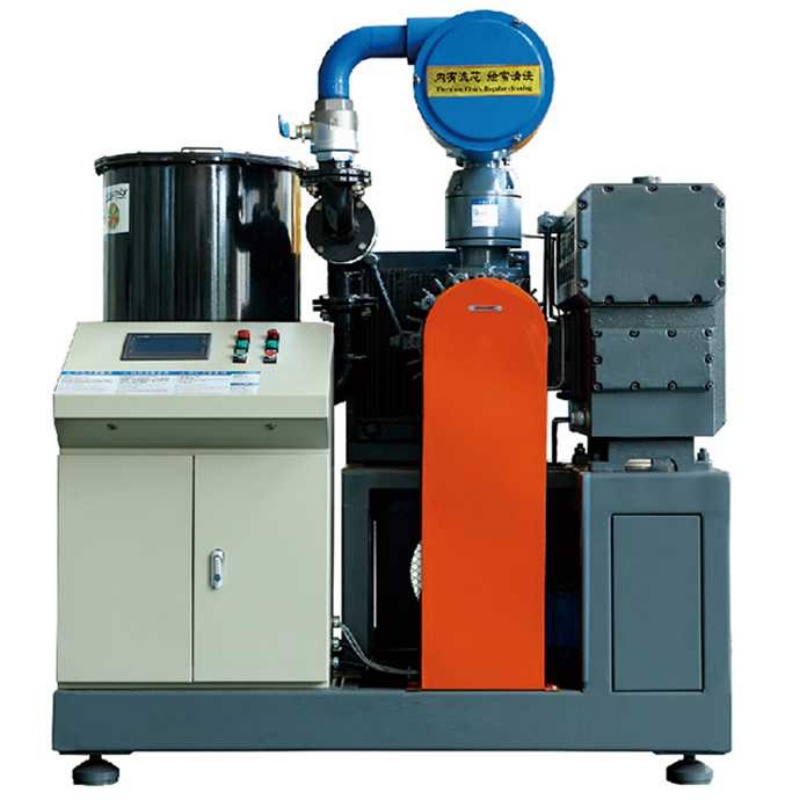
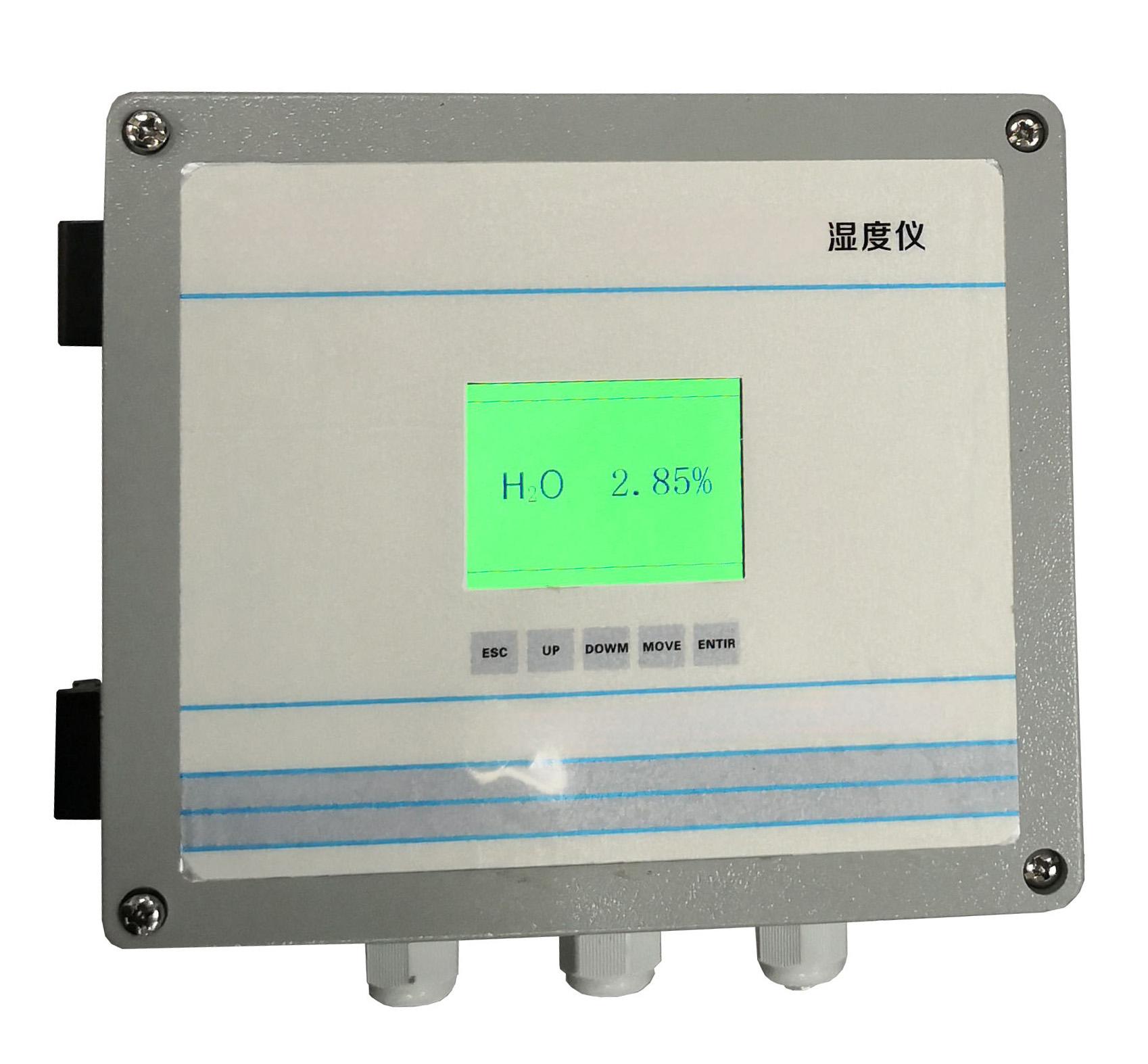
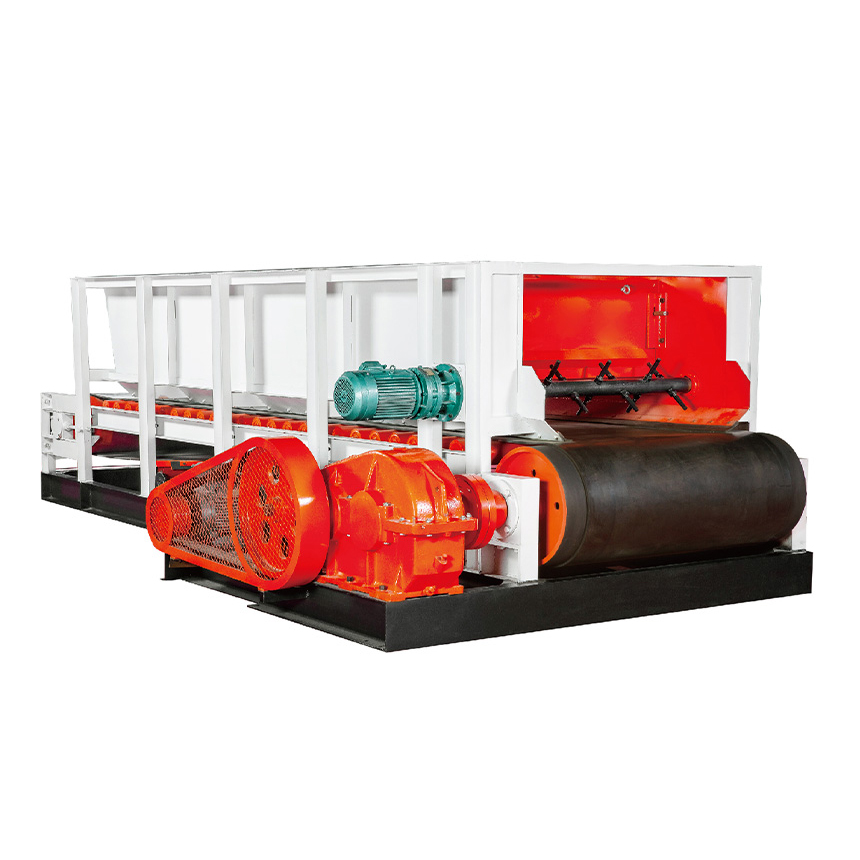
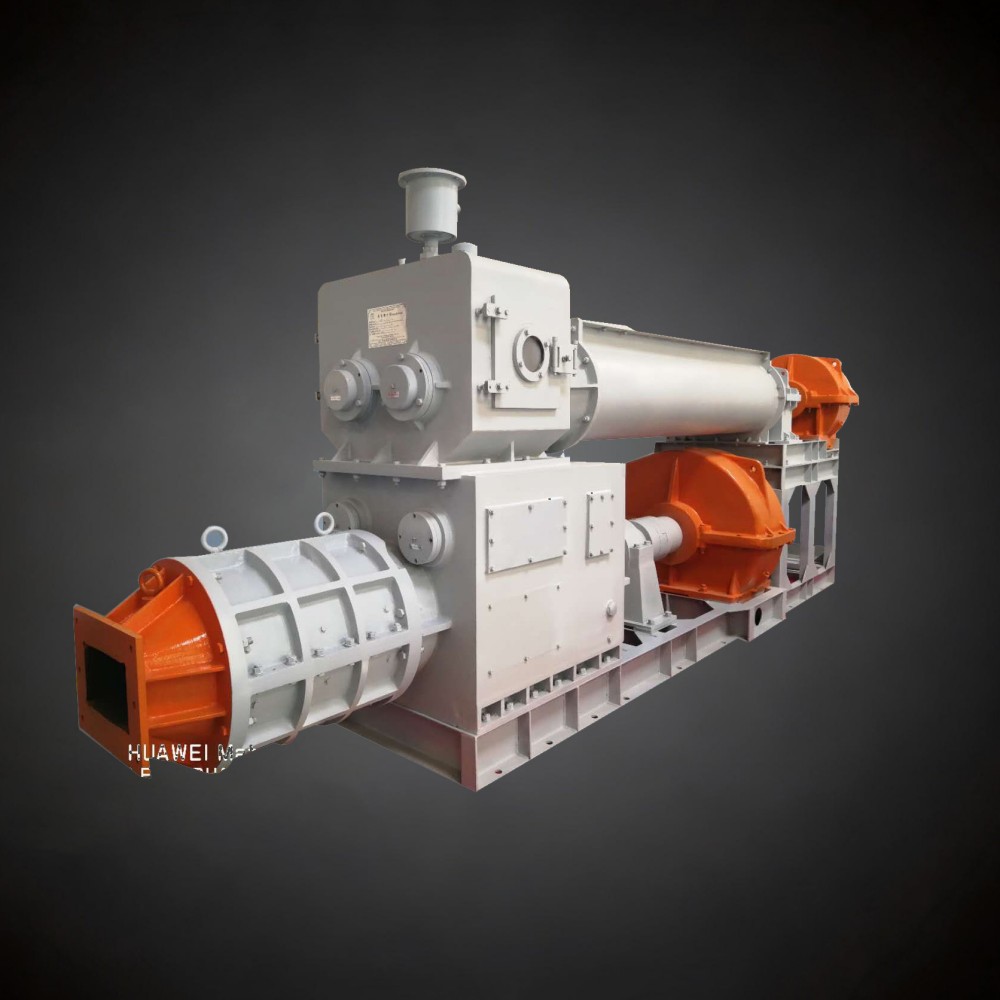
Navigating energy transformation, raw material diversity, and urban infrastructure demands with intelligent thermal kiln engineering.
The construction and masonry manufacturing sector in South Africa is undergoing a monumental transformation. As the most industrialised economy in Sub-Saharan Africa, South Africa demands massive volumes of high-durability clay face bricks, imperial plaster bricks, and heavy-duty engineering pavers to satisfy the requirements of national infrastructure initiatives, metropolitan residential projects across Gauteng and the Western Cape, and commercial logistics hubs surrounding Durban and Richards Bay. However, commercial brickmakers face significant operational headwinds: escalating electricity tariffs from Eskom, unpredictable load-shedding cycles, strict emission standards regulated by the National Environmental Management: Air Quality Act (NEMAQA), and high carbon tax levies.
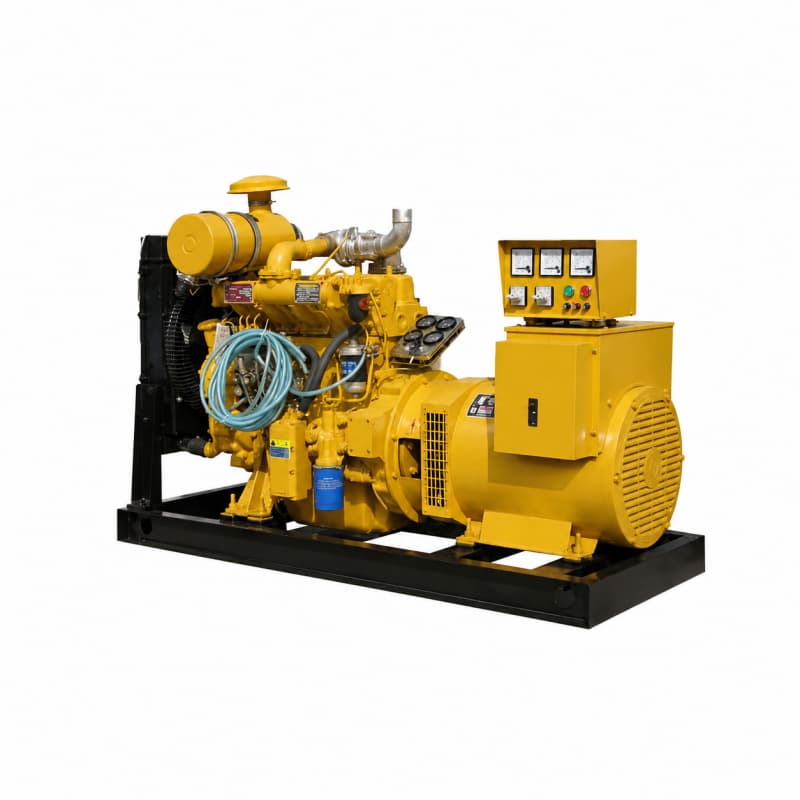
Integrated auxiliary 500kVA high-performance diesel generation systems and synchronized multi-zone automated draft dampers ensure uninterrupted kiln firing curves even during Stage 6 grid shedding.
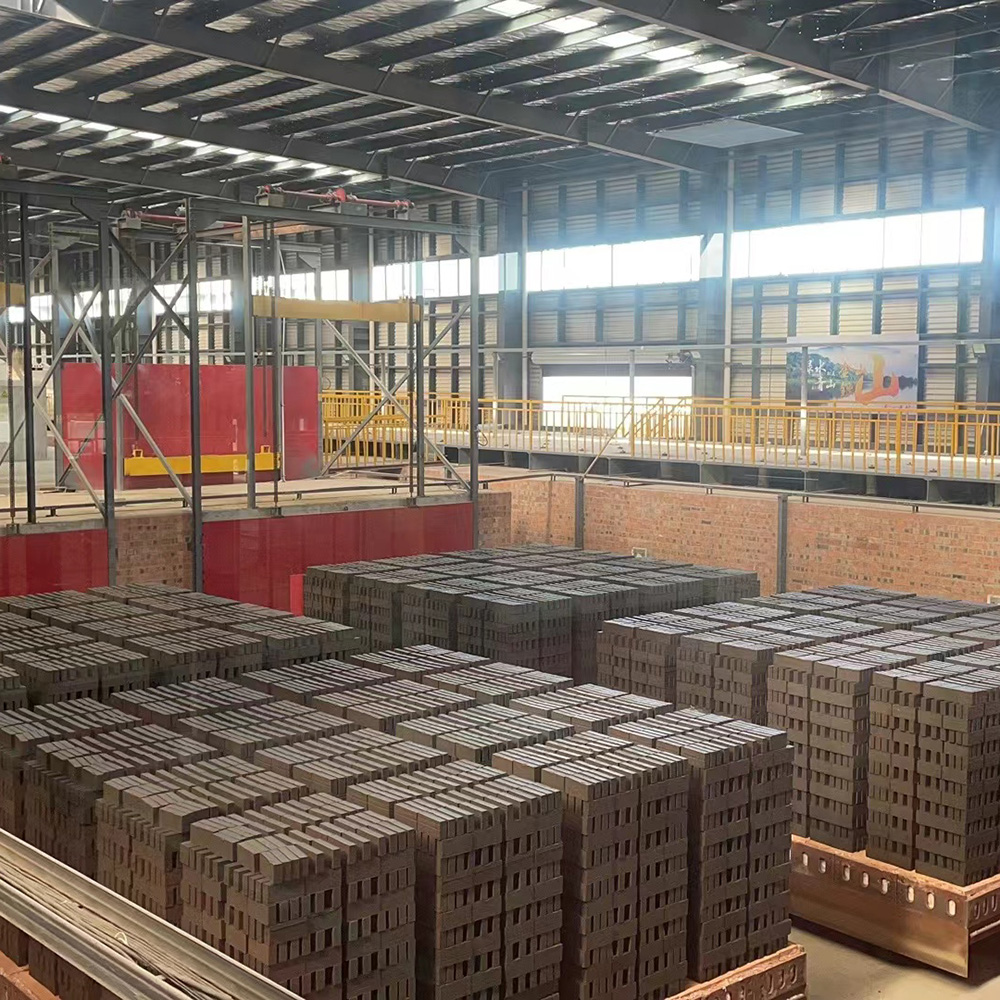
Our internal-firing assembly tunnel kilns leverage residual carbon content in South African discard coal, mine tailings, and fly ash to achieve self-sustaining calcination with minimal external fuel input.
Equipped with closed-circuit de-fluorination, dry desulfurization scrubbers, and intelligent baghouse particulate filtration systems meeting South African environmental limits effortlessly.
South African raw materials vary substantially from one geological formation to another. In the Gauteng and Mpumalanga Highveld, brickmakers rely predominantly on Ecca group carbonaceous shales and high-plasticity refractory clays. These materials feature high structural density but demand precise pre-heating and de-carbonization zones to prevent black-coring and structural cracking. In contrast, coastal brickyards across the Western Cape (Malmesbury shales) and KwaZulu-Natal encounter seasonal humidity fluctuations and plastic alluvial clays that require single-layer chamber tunnel dryers with continuous variable frequency microwave moisture detection.
Henan Cadier Green Building Technology Co., Ltd. customizes the thermal profile, kiln car refractory bedding, top and side combustion nozzles, and exhaust air recuperation channels based on precise laboratory testing of your local clay samples. Our automated internal firing tunnel kilns use the inherent calorific value of South African coal duff and pulverized fuel, lowering operational cost per thousand bricks to unprecedented industry lows.
Engineering high-capacity, low-carbon brick manufacturing machinery for international markets.
We Henan Cadier Green Building Technology Co., Ltd. are dedicated to the overall solution of large-scale production line of new energy-saving and environmentally friendly wall materials and the integration of high-end building resources since 2009.
Our company covers an area of 41,000 square meters, including 15,600 square meters for production workshops and 4,000 square meters for office, R&D centers and supporting buildings. It currently has multiple engineers and more than 60 mid-to-senior technical personnel.
With comprehensive engineering capabilities spanning heavy structural fabrication, precision robotics, automated drying, and thermal furnace thermodynamics, we empower brick manufacturing plants across South Africa to modernize from obsolete clamp kilns and traditional Hoffmann kilns to cutting-edge automated tunnel kiln plants.
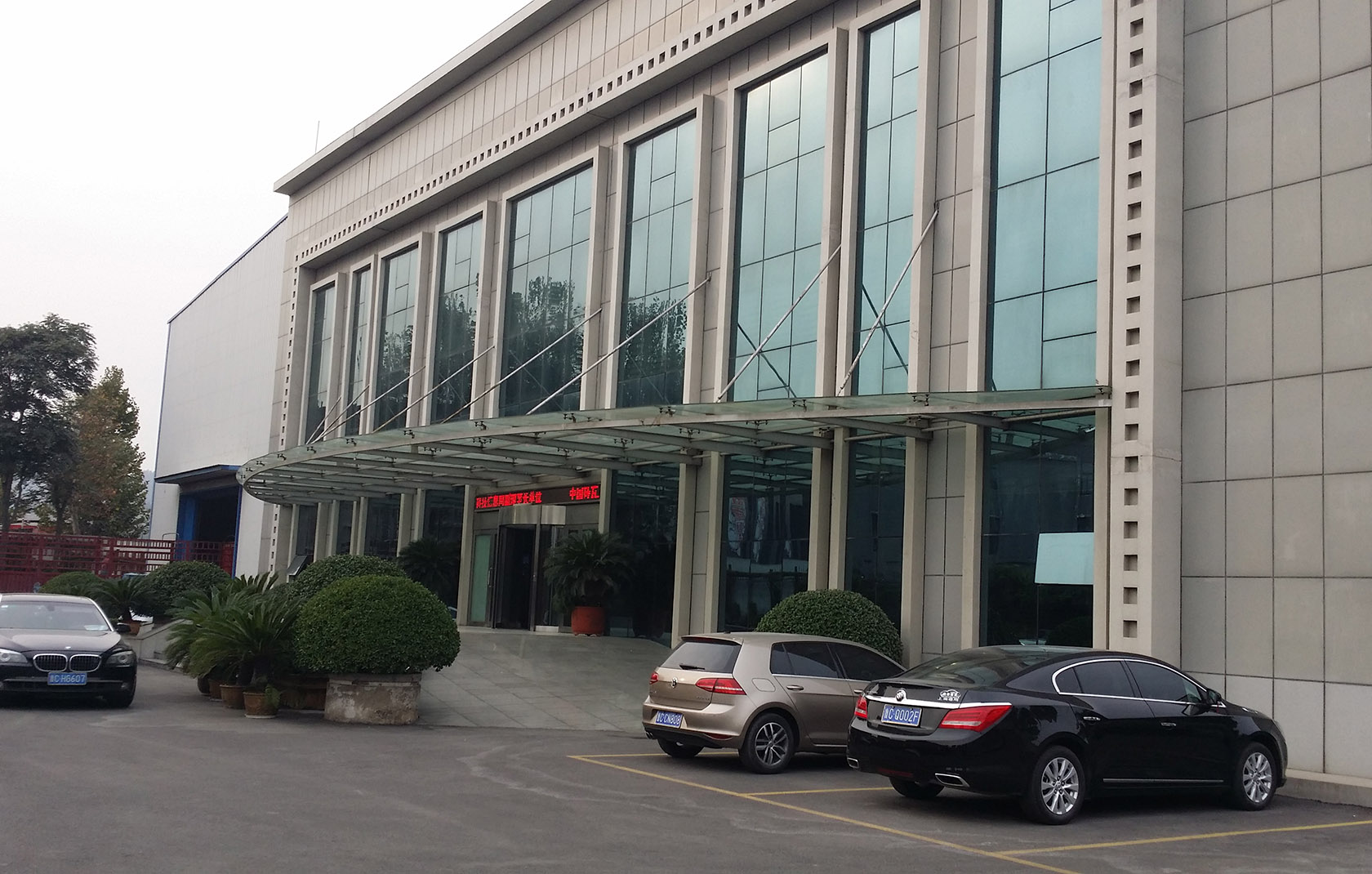
We supply all the high end equipment related with bricks and tile production, such as:
As of today, we have obtained more than 100 patents for brick kiln. We continuously enhance our technical capabilities to strive to provide customers with efficient and high-output automated brick factories.
From primary quarry crushing and fine grinding to high-pressure vacuum extrusion, rapid tunnel chamber drying, and automated robotic setting into our high-efficiency assembly tunnel kilns, every subsystem is engineered for heavy abrasive resistance and maximum thermal recovery.
Ensuring customers' peace of mind through a comprehensive service ecosystem, advanced raw material testing laboratories, and 24/7 remote IoT diagnostic capabilities.
Our company provides one-stop service, ensuring customers' peace of mind. Our company is equipped with a complete set of raw material testing and inspection equipment, as well as remote services. We provide comprehensive technical support to customers from factory design, brick machine equipment selection, brick plant construction, to the later operation of the brick plant.
Comprehensive geological clay chemical analysis, thermal dilatometry, 3D civil plant layout modeling, and customized machinery sizing matched to your quarry reserves.
On-site civil foundation supervision, prefabricated tunnel kiln steel assembly, refractory masonry lining, hydraulic pusher installation, and electrical PLC integration.
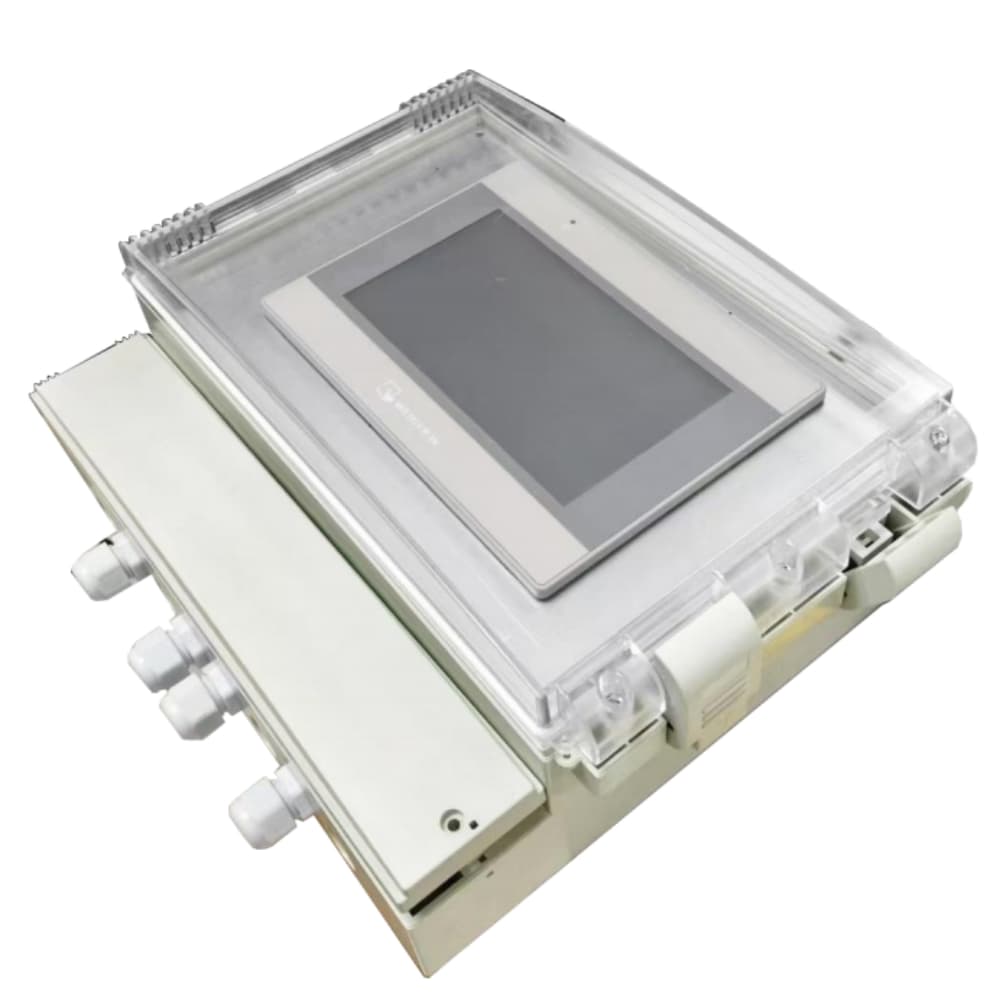
No-load dry runs, green brick moisture calibration, progressive kiln preheating, ignition commissioning, and 24/7 cloud-based IoT furnace performance monitoring.
Operator technical training in South Africa, rapid dispatch of local spare parts, periodic burner recalibration, and continuous thermal energy efficiency optimization.
A strategic comparison showing how automated tunnel kilns reduce manufacturing cost per thousand bricks across South Africa.
A substantial portion of masonry in South Africa is still produced in rudimentary clamp kilns or outdated transverse-arch Hoffmann kilns. While clamp kilns have low initial capital investment, they suffer from debilitating disadvantages: extreme fuel wastage (up to 90-120 kg of coal per 1,000 bricks), excessive scrap rates (15% to 25% under-burnt or over-vitrified rejects), unpredictable firing cycles that halt during winter rainstorms, and intense smoke pollution violating municipal bylaws.
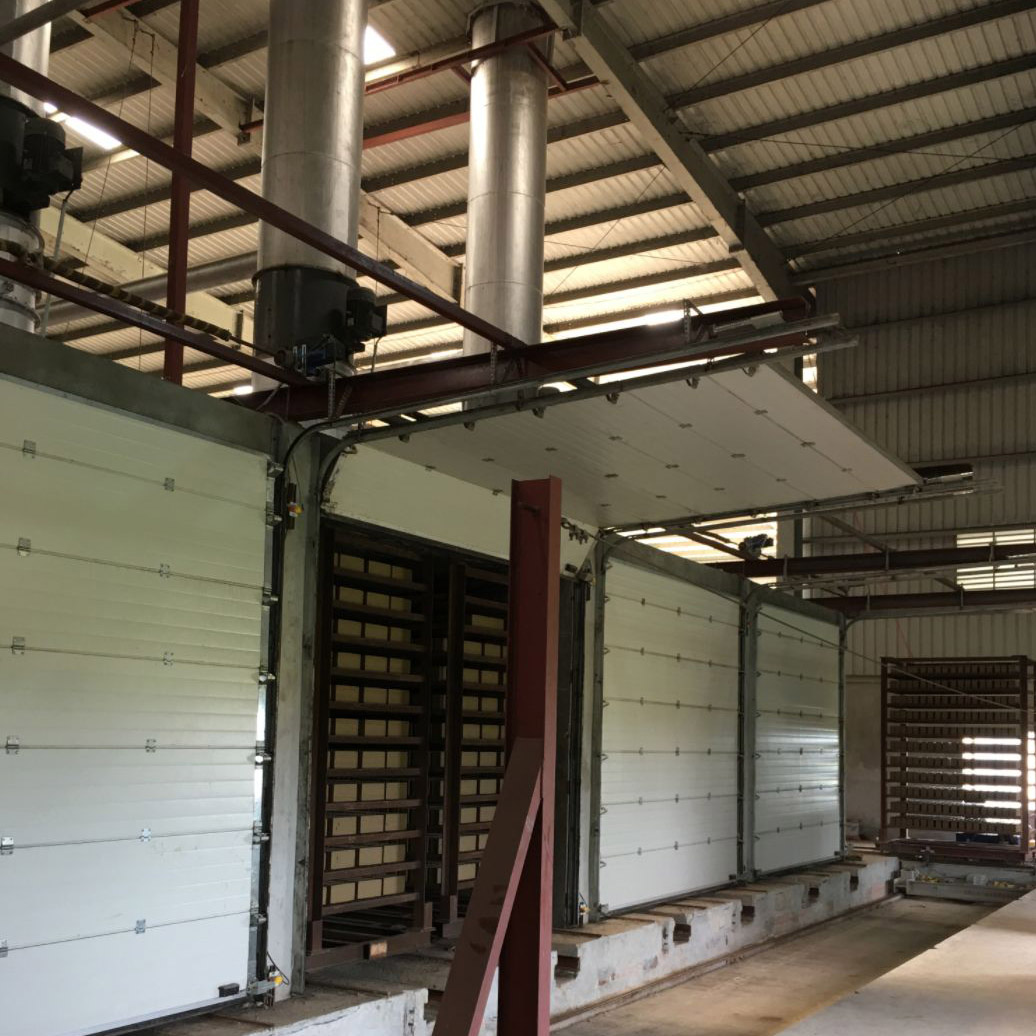
Henan Cadier's modern Internal & External Firing Assembly Tunnel Kilns revolutionize commercial brickmaking in South Africa:
A: Yes. Our internal firing systems are specifically calibrated to utilize low-grade discard coal, anthracite fines, or fly ash blended directly into the clay matrix during the box-feeder and double-shaft mixing stage, substantially slashing your energy bills.
A: We provide integrated heavy-duty 500kVA industrial diesel generators and uninterruptible power supply (UPS) systems for the PLC blowers and exhaust dampers, ensuring seamless continuous firing even during abrupt grid outages.
A: Standard pre-fabricated assembly tunnel kilns require approximately 4 to 6 months from civil groundwork completion to full commissioning, significantly faster than traditional cast-in-place brick structures.
A: Standard imperial bricks (222 x 106 x 73 mm), maxi bricks, hollow blocks, perforated acoustic bricks, interlocking pavers, and high-specification architectural clay face bricks.
Explore our full suite of premium brick making, automated drying, humidity control, and energy management equipment ready for South African delivery.