
0102030405
Wind Cracks in Sintered Bricks | Mechanism, Prevention and Control Strategies
2026-05-27
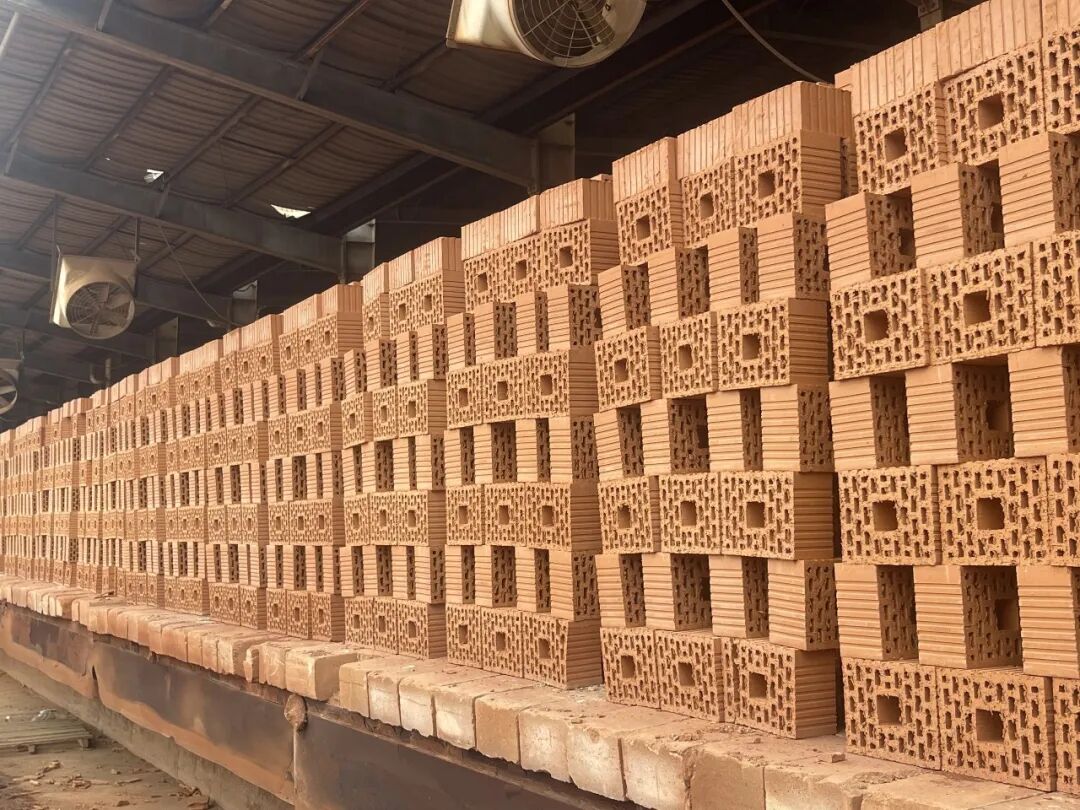
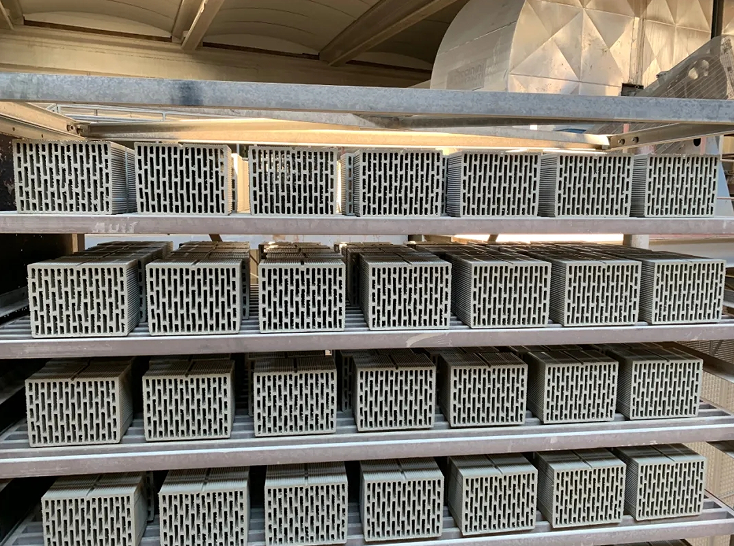
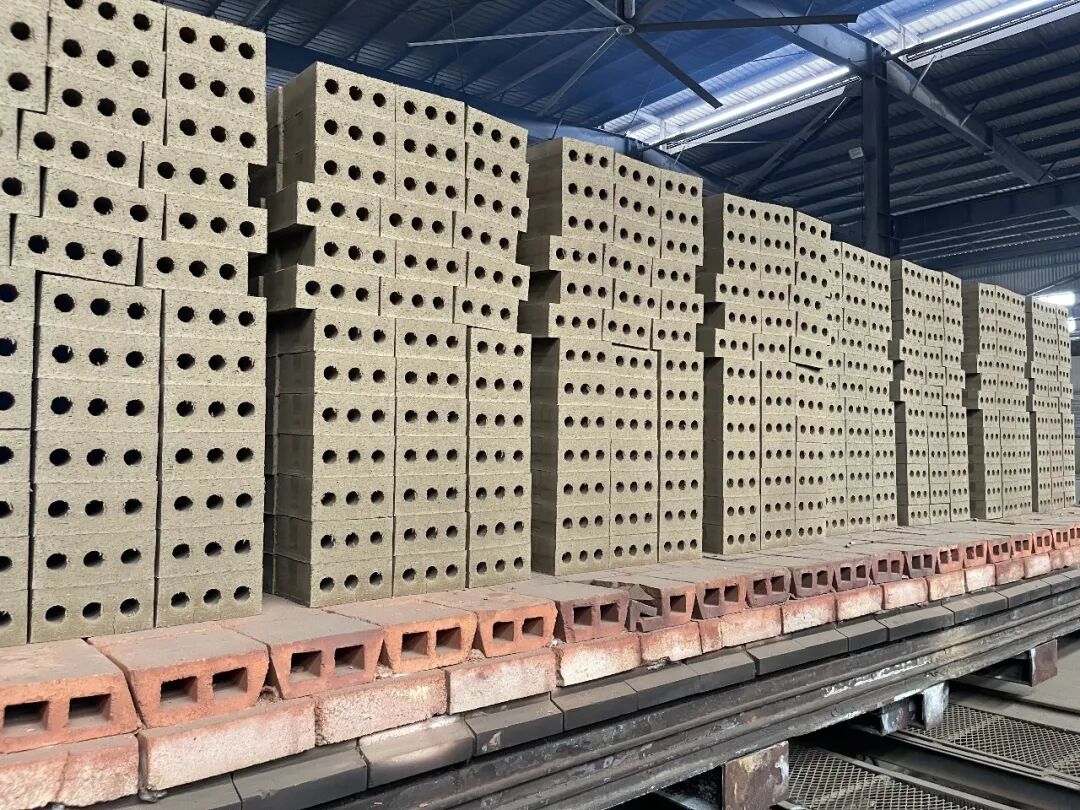
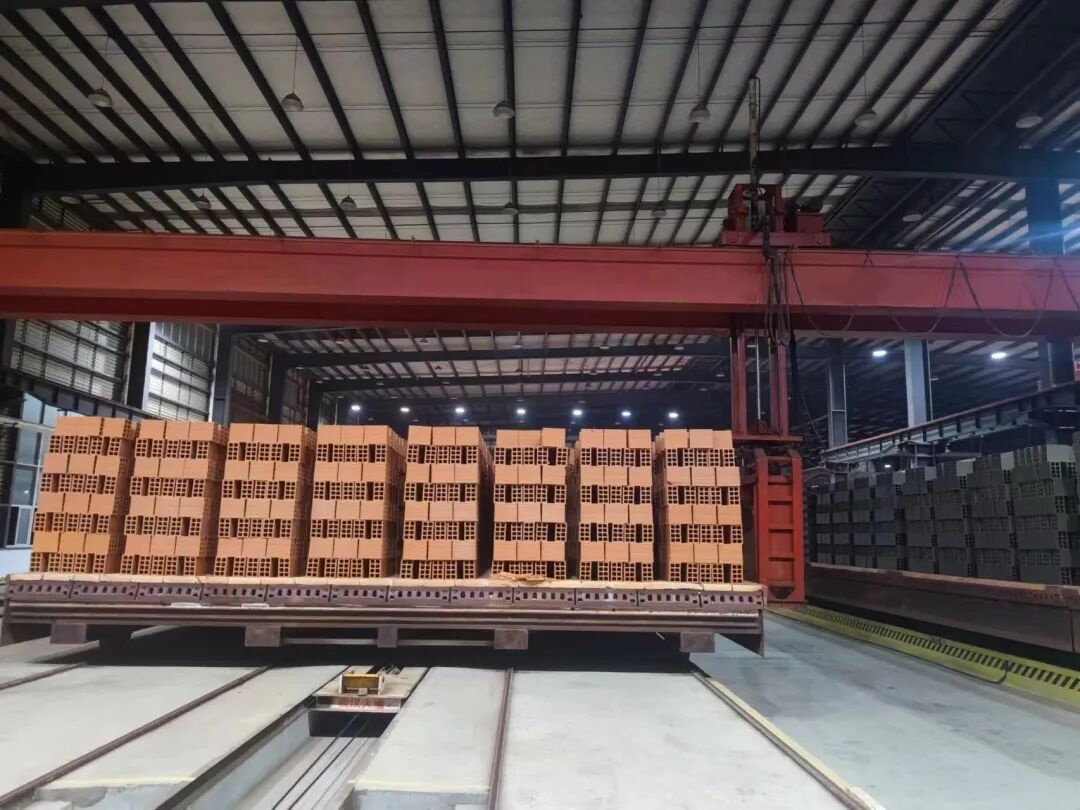
Wind crack is a unique surface defect of sintered brick green bodies, which mainly occurs in two stages: after brick molding (before entering the drying kiln) and in the drying process. The typical characteristics of wind cracks are transverse cracks on the edges of green brick strips, and crack distribution around the holes and on the hole walls of hollow bricks. In the drying kiln, wind cracks mostly appear on the windward side of upper-layer bricks and the edge of ventilation channels, which is caused by the high drying sensitivity of mud raw materials.
Mud with high drying sensitivity contains excessive plastic particles and unreasonable particle gradation. Although high-plasticity mud is easy to mold, it is extremely sensitive to dry, high-temperature and windy environments. Once exposed to strong wind or dry air after molding, the surface of green bricks will lose water rapidly and shrink, while the internal water loss is slow, resulting in inconsistent internal and external shrinkage and wind cracks.
The fundamental solution to wind cracks is raw material optimization. Producers can adjust the raw material ratio by adding low-plasticity materials such as coal gangue and hard shale, optimize mud particle gradation, and reduce the drying sensitivity of the mixture. Meanwhile, environmental control is essential for fresh green bricks. It is necessary to close the doors and windows of the molding workshop in time according to weather changes and adopt humidification and water spraying measures to maintain a stable and humid production environment. For advanced production lines, installing permanent or temporary drying static lines can help high-sensitivity green bricks pass the fragile drying stage stably.
Wind cracks occurring immediately after green bricks enter the drying kiln are mainly caused by low humidity and excessive airflow velocity in the kiln. Properly reducing the exhaust air volume and exhaust temperature can increase the internal humidity of the drying kiln, slow down the surface water loss speed of green bricks, and avoid rapid drying cracking.
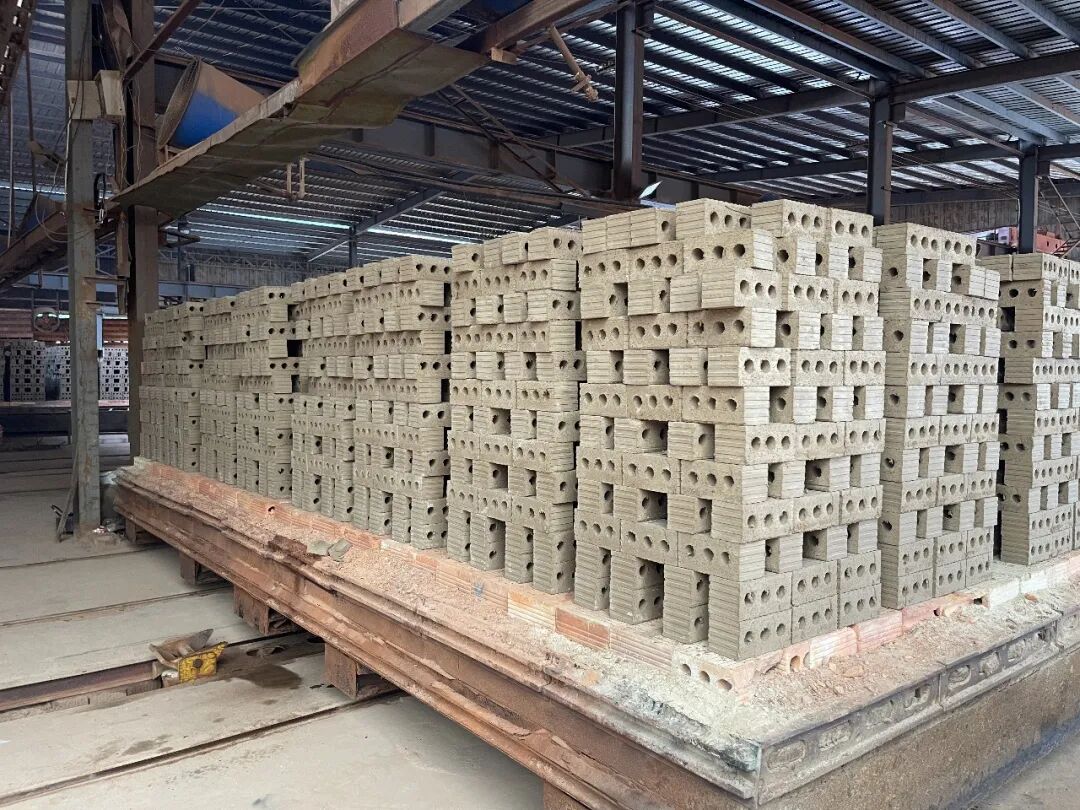
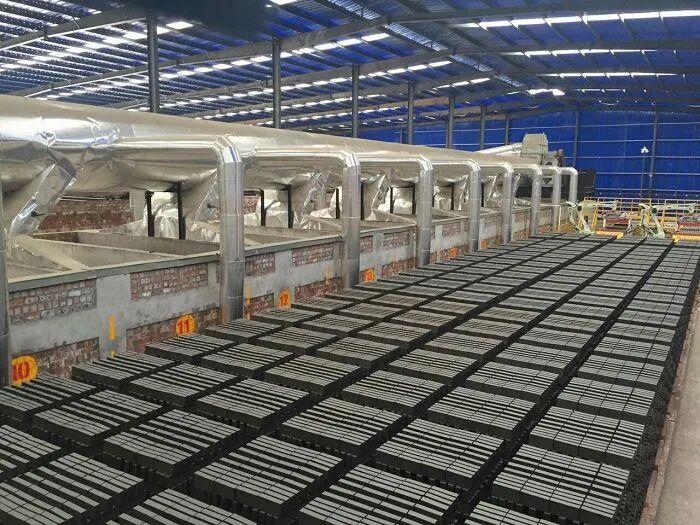
Excessive gap between the upper green brick stack and the top of the drying kiln will lead to concentrated hot airflow at the top, resulting in ultra-high wind speed and temperature in the upper space. This is a key reason for the centralized cracking of upper-layer green bricks. The effective improvement methods include vertical stacking of top-layer bricks, single-layer heightening, or installing wind baffles such as felt and concrete plates at the top of the stack to reduce upper airflow velocity and flow rate and balance the drying environment in the kiln.
Poor sealing performance of the drying kiln is also a common cause of wind cracks. Cold air intrusion from poorly sealed kiln doors, sand seals and kiln car joints will disrupt the constant temperature and humidity environment in the kiln, causing local rapid dehydration of green bricks. Production management needs to regularly check all sealing parts of the drying kiln, avoid long-term opening of kiln doors, and close and seal the kiln immediately after feeding to ensure a stable drying atmosphere.
Unstable kiln feeding speed will also induce wind cracks. Long-term suspension of feeding will lead to high temperature and low humidity in the drying kiln, causing excessive rapid water loss of green bricks. Adopting uniform and regular feeding operation, avoiding sudden increase or decrease of feeding volume, can maintain the stability of the internal thermal and humidity environment of the kiln and fundamentally prevent wind crack defects.