
Vertical Double‑Helix Vacuum Extruder: Why It Delivers Consistent ECP Fiber‑Reinforced Cement Board Output
ECP (Extruded Cement Panel) fiber‑reinforced cement boards keep gaining market traction across Southeast Asia, Africa, Central Asia and the Middle East for exterior cladding, interior partition walls, fire‑rated panels and noise‑barrier systems. However, many plant operators run into recurring production pain points: internal lamination, surface blistering, unstable extrusion pressure, uneven board thickness and high scrap rates. Quite often these defects stem from under‑specified extruder hardware, especially when buyers repurpose modified fired‑brick extruders for cement‑fiber composite forming.
Cadier’s Automatic ECP Vacuum Extrusion Equipment is purpose‑built for fiber‑reinforced cement board manufacturing, adopting vertical double‑helix vacuum extrusion architecture derived from European industrial standards. This blog breaks down its core engineering advantages, full‑process workflow, raw‑material adaptability and practical operational value for ECP plant investors and production managers.
1. Why Ordinary Retrofit Extruders Fail for ECP Board Production
Clay brick extruders are optimized for plastic clay mass, not semi‑rigid cement‑fiber mixtures. When repurposed for ECP production, several inherent weaknesses emerge:
- Insufficient extrusion pressure to compact cement‑fiber blends, creating void‑prone green boards.
- Poor vacuum sealing design fails to fully remove entrapped air, triggering blisters and inter‑layer separation after autoclave curing.
- Screw geometry designed for clay cannot handle abrasive silica‑rich cement‑fiber raw mixes, leading to fast wear and gradual output drifting.
- Limited pressure stability, generating periodic thickness fluctuation across board width.
These flaws lead to continuous quality losses, even with well‑tuned raw‑material formulas. Purpose‑engineered vertical double‑helix vacuum extruders solve these bottlenecks at the hardware level.
2. Core Technical Advantages of Cadier Vertical Double‑Helix Vacuum Extruder
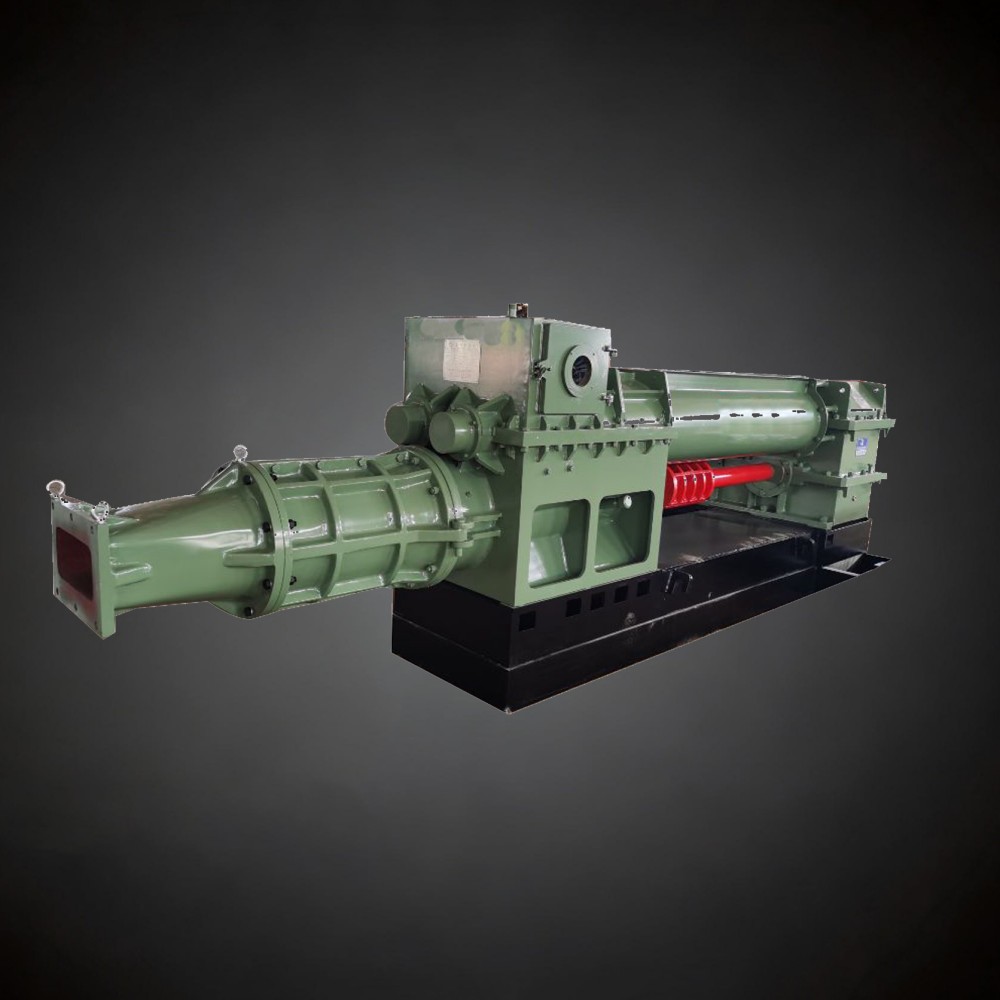
Cadier’s vertical double‑helix vacuum extruder forms the heart of the complete ECP fiber‑cement board turn‑key line, with these differentiating technical highlights:
2.1 Double‑Helix High‑Pressure Extrusion Structure
Compared to conventional single‑helix units, the double‑helix design boosts extrusion pressure by 30%, delivering stable high compression force for semi‑rigid cement‑fiber compositescadierbric.... This enables reliable processing of challenging feedstock including cement, cellulose fiber, quartz silica, shale, coal gangue and multiple mineral additives. Higher forming pressure improves green‑board density baseline, which directly lifts finished‑panel mechanical strength and dimensional stability.
2.2 Stable‑Performance Multi‑Stage Vacuum Degassing System
Vacuum performance defines ECP board compactness. The integrated staged vacuum chamber sustains stable high vacuum degree, effectively removing trapped air inside cement‑fiber compound. Minimized internal porosity eliminates most surface blistering and inter‑lamination defects, a top‑complaint issue for many ECP factories. Special attention is paid to whole‑path sealing from feeding throat to extruder barrel to avoid air leakage, a common failure point on low‑cost equipment.
2.3 Wear‑Resistant Hardened Screw & Barrel Assembly
Cement‑fiber mixes containing quartz and mineral aggregates are highly abrasive. Cadier applies wear‑resistant alloy hardening treatment on screw flights and replaceable barrel liners. Core screw components reach 8,000‑10,000 working‑hour service life, lowering frequency of downtime for component replacement and preventing performance drift caused by rapid wearzh-ct.cadi...
2.4 Wide Specification Flexibility
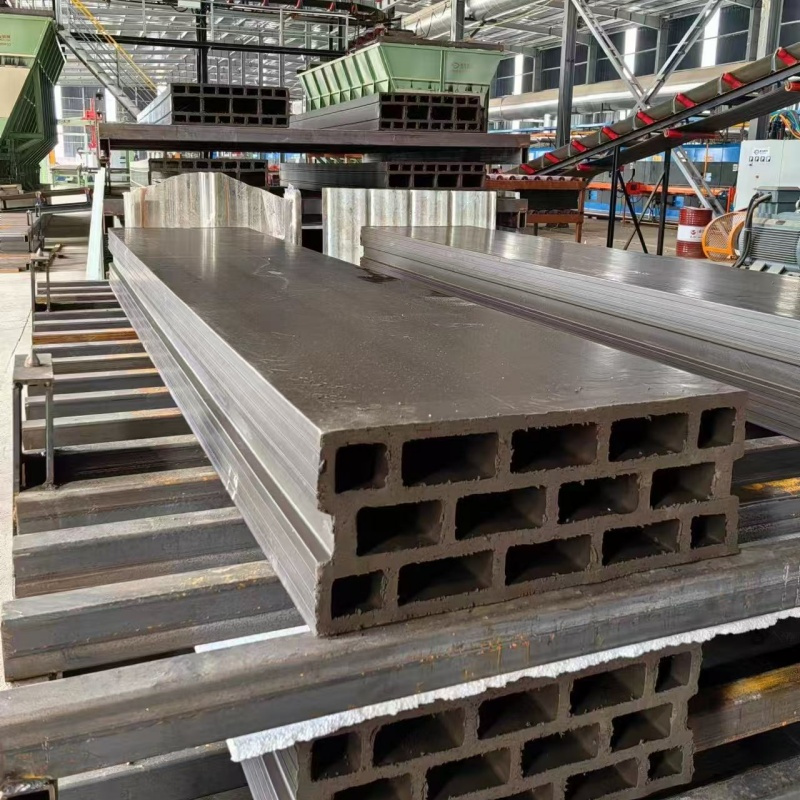
This extrusion equipment supports maximum forming width up to 1.5 m, adjustable finished‑board thickness ranging from 8 mm to 200 mm, covering solid and hollow ECP panel requirements for both standard building boards and custom‑dimension projects.
2.5 High‑Degree Automated Control System
PLC‑based closed‑loop monitoring tracks key running parameters: die‑head extrusion pressure, real‑time vacuum value, main‑motor torque and line speed. Operators monitor status via localized human‑machine interface. Alarm functions trigger for vacuum loss, pressure surge or overload conditions, reducing dependence on highly‑skilled on‑site technicians. High automation cuts manual labor requirement by over 60 % versus traditional semi‑manual extrusion workflowszh-ct.cadi...
3. Full‑Line Production Workflow Matching Cadier ECP Vacuum Extrusion Equipment
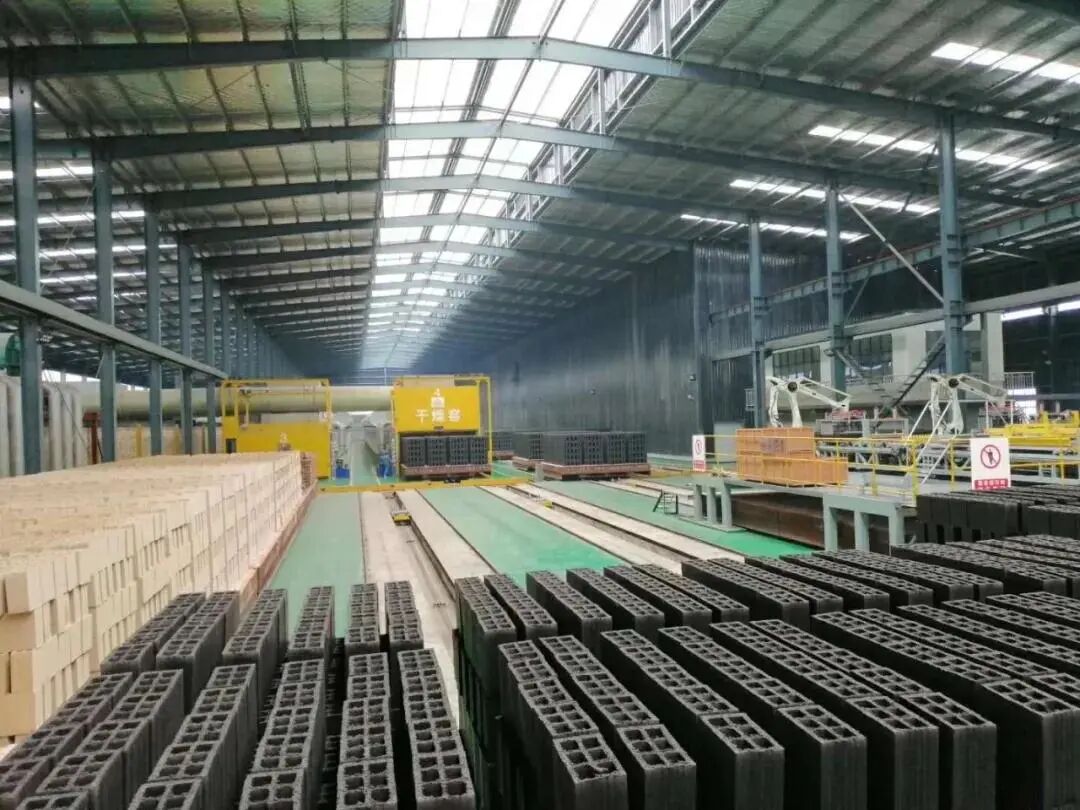
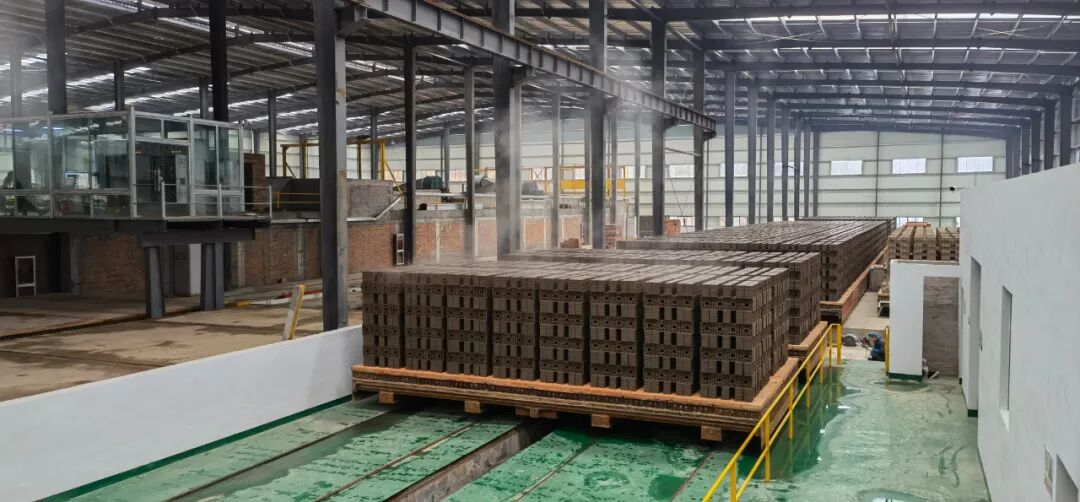
A stable ECP output cannot rely only on the extruder itself. The complete process chain must be well‑matched with the core extruder unit, as below:
- Raw‑material storage, transportation & gravimetric measuring system: Precise gravimetric batching for cement, fiber, mineral fillers and additives, avoiding proportion drifting caused by volumetric feeding.
- High‑speed agitation & twin‑shaft kneading system: Achieve homogeneous fiber dispersion and stable mixture rheology.
- Feeding‑kneading buffer silo: Provide fixed material ageing residence time before entering extruder.
- Vertical double‑helix vacuum extruder: Core forming station for continuous green‑board extrusion.
- Synchronous servo‑driven cutting & conveying system: Speed‑locked traction and flying cutting to avoid stretching or compressing soft green blanks.
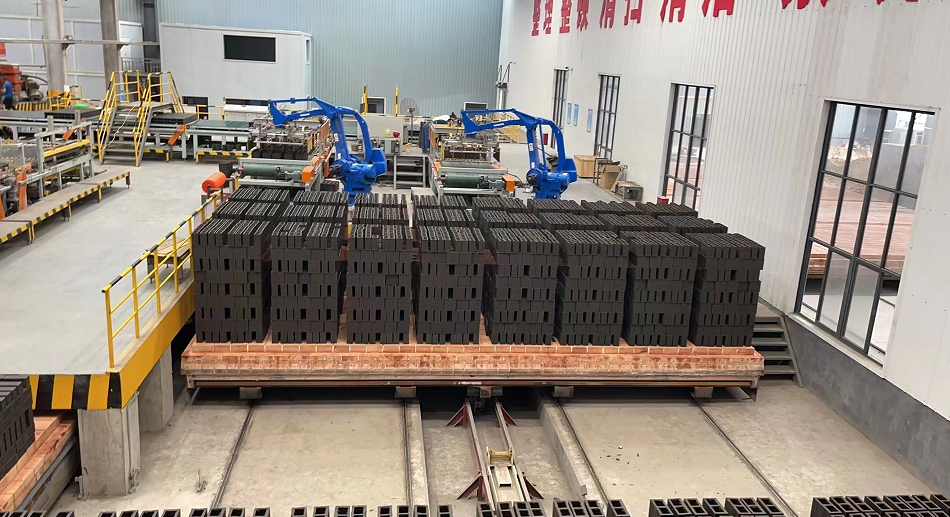
- Gantry gripping & stacking system: Automatic stacking of cut fresh boards.
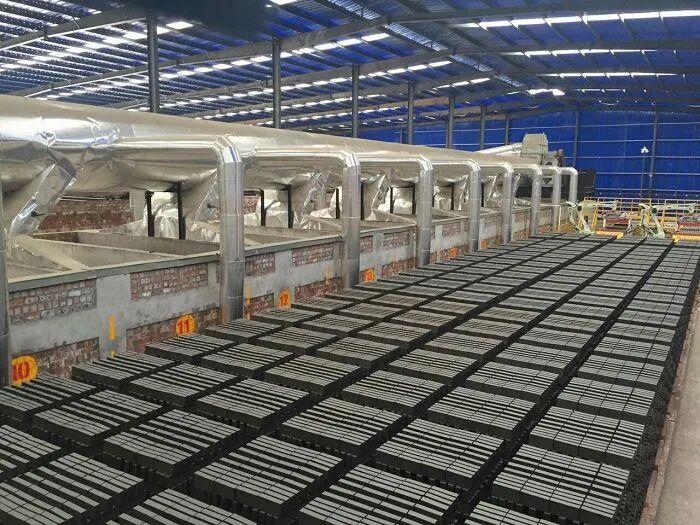
- Primary pre‑maintenance chamber: Controlled temperature‑humidity pre‑curing before autoclave processing.
- Fine‑grinding finishing & autoclave curing: Final dimensional calibration and high‑pressure steam curing to achieve target physical properties.
Every upstream and downstream segment must synchronize extruder capacity; mismatched auxiliary equipment will become the real bottleneck limiting stable production capacity.
4. Finished‑Board Performance & Typical Application Scenarios
ECP fiber‑reinforced cement panels manufactured by Cadier vacuum extrusion equipment obtain Class‑A fire resistance, good moisture resistance, low shrinkage‑swell ratio, high impact strength and long service life. Major application markets include:
- Exterior facade cladding for residential and commercial buildings
- Interior non‑load‑bearing partition walls and ceiling panels
- Fire‑resistant & sound‑insulating building boards
- Industrial insulation panels and prefabricated enclosure components
The equipment accepts diverse local raw‑material resources, making it suitable for factories utilizing locally‑available mineral materials or industrial solid waste, helping plant owners control raw‑material procurement costs.
5. Practical Advice When Evaluating ECP Extrusion Equipment Suppliers
Many project investors focus only on nominal output figures while ignoring core hardware architecture and process service capability. When comparing potential suppliers, add these practical evaluation points to your checklist:
- Confirm whether the extruder is purpose‑built for cement‑fiber ECP forming, or simply modified brick‑making machinery.
- Request real‑project running pressure‑vacuum curve records from existing ECP reference plants with similar raw‑material and climate conditions.
- Verify whether raw‑material sample testing service is included before equipment shipment. Local mineral composition heavily impacts final extrusion performance.
- Clarify wear‑spare‑part lifecycle, delivery lead‑time and scope of commissioning, operator training and process tuning within turn‑key contracts.
- Check automation configuration and remote‑support capacity for overseas projects located in remote regions of Africa, Central Asia or Latin America.
Low‑priced retrofitted equipment often leads to sustained high scrap ratios and unplanned downtime, which erodes profit far more than the initial equipment saving.
Conclusion
Consistent high‑quality ECP fiber‑reinforced cement‑board production starts at the extruder level. Cadier vertical double‑helix vacuum extrusion equipment addresses multiple well‑known ECP manufacturing pain‑points: insufficient compaction power, unstable vacuum degassing, rapid component wear and narrow raw‑material adaptability.
Remember that reliable ECP manufacturing is a system‑level solution rather than a single machine purchase. Matching batching‑mixing, extruder performance, post‑extrusion handling and curing procedures together determines final factory profitability.
If you are planning a new ECP fiber‑cement panel plant or troubleshooting quality instability on your existing production line, contact Cadier for raw‑material testing, plant‑layout consulting and customized turn‑key ECP vacuum extrusion line proposals.
FAQ
Q1: Can I use traditional fired‑brick vacuum extruder to produce ECP fiber cement panels?
A: It is technically possible yet strongly discouraged. Clay‑oriented screw geometry, pressure rating and vacuum sealing cannot satisfy cement‑fiber composite requirements. Most retrofitted brick extruders suffer chronic lamination, blisters and thickness variation.
Q2: What causes surface blisters and internal voids in ECP green boards?
A: The primary root cause is insufficient vacuum degassing performance: inadequate vacuum degree, air leakage along feeding‑extruder flow path or poorly‑designed material‑spreading vacuum chamber. Optimizing curing parameters alone will not resolve these forming‑stage defects.
Q3: What maximum board width can Cadier automatic ECP vacuum extrusion equipment achieve?
A: The standard model supports forming width up to 1.5 meters, thickness adjustable 8 mm‑200 mm for both hollow and solid ECP panels.
Q4: Does this double‑helix extruder suit tropical high‑humidity production environments?
A: Yes. Nevertheless, the full production line still needs matched raw‑material pre‑drying, on‑line moisture monitoring and material‑ageing buffer silo to counter fast cement hydration under high‑temperature tropical climate.