
Vacuum Extrusion in Clay Brick Manufacturing: Process Variables That Affect Brick Quality
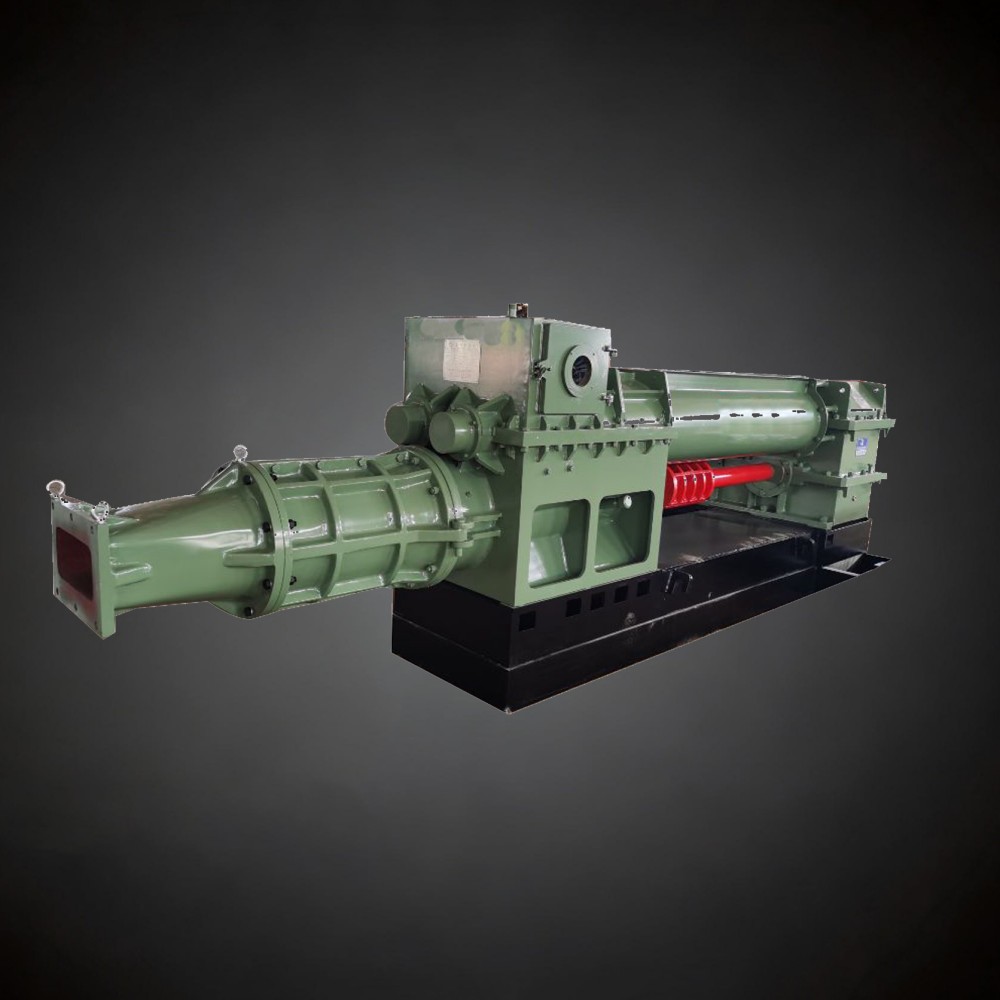
Vacuum extrusion is widely used to form continuous clay columns for wire-cut bricks. The process combines raw material preparation, moisture adjustment, mixing, de-airing and extrusion. Each step affects the condition of the green brick and can influence cutting, handling, drying and firing.
A vacuum extruder cannot compensate for every upstream inconsistency. To improve product quality, manufacturers should evaluate the complete forming process rather than adjusting only the vacuum pump or extrusion pressure.
1. Prepare the clay before extrusion
Clay should be crushed, screened and mixed to suit the target product. Oversized particles or poorly dispersed material can create defects in the extruded column, while inconsistent feed may cause fluctuations in extrusion pressure and shape.
A preparation review should consider:
- Particle size distribution
- Removal of stones and hard inclusions
- Mixing consistency between clay sources
- Moisture uniformity throughout the batch
- Storage and aging conditions, where used
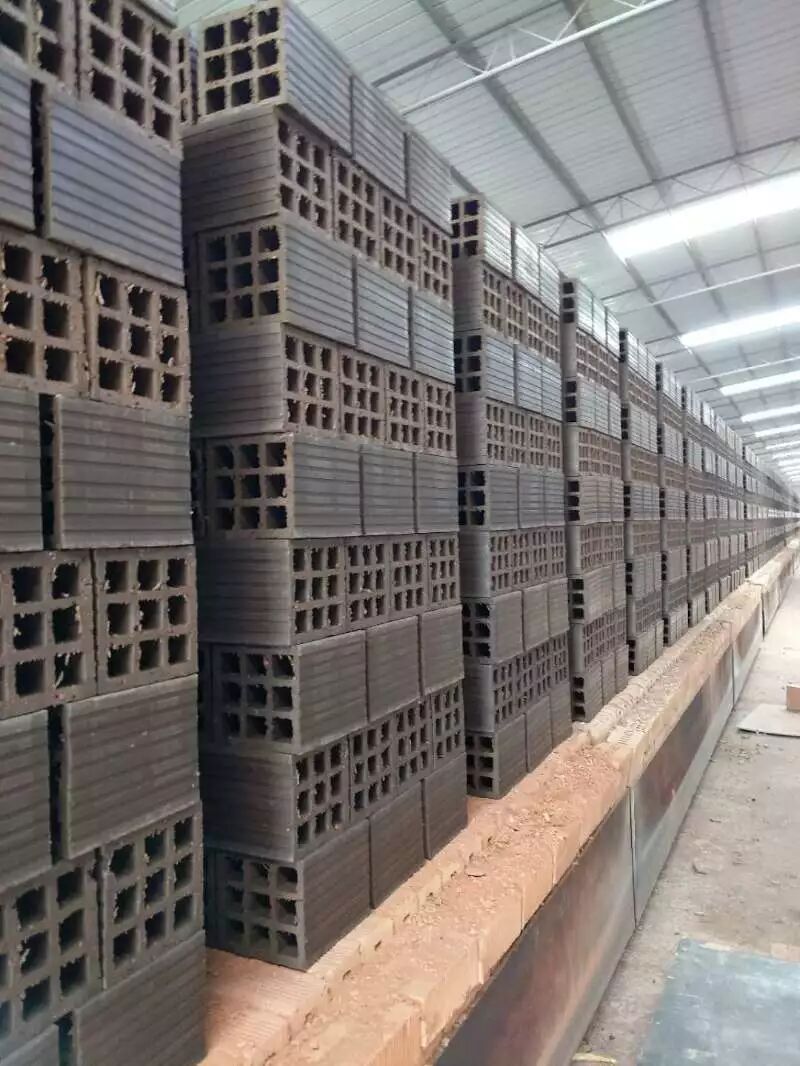
The required preparation depends on the deposit and product. A clay body for hollow blocks may need a different formulation and forming window from one used for solid facing bricks.
2. Control moisture and plasticity
Moisture affects clay plasticity, extrusion load and the strength of the green column. If moisture is too low, the column may show poor cohesion or surface defects. If moisture is too high, it may become difficult to maintain shape and may require longer drying.
The target should be determined through trials with the actual clay and product. Useful observations include:
- Extrusion pressure and motor load
- Column surface condition
- Shape retention after leaving the die
- Cutting quality
- Green brick handling strength
- Drying shrinkage and cracking
If moisture varies between batches, the same machine settings may produce different results. Stable feeding and mixing are therefore part of extrusion quality control.
3. Use vacuum de-airing effectively
Air trapped in the clay can contribute to lamination, internal weakness or defects revealed during cutting and firing. Vacuum de-airing removes much of the entrained air before the clay passes through the die.
For effective de-airing, operators should pay attention to:
- Vacuum chamber sealing
- Vacuum pump condition and capacity
- Clay feed rate
- Moisture and plasticity
- Material flow through the chamber
- Wear on the auger, barrel and die
Vacuum level alone does not guarantee good results. If the clay is poorly prepared or feed is unstable, the extruded column may still vary in density and strength.
4. Check the die and extrusion flow
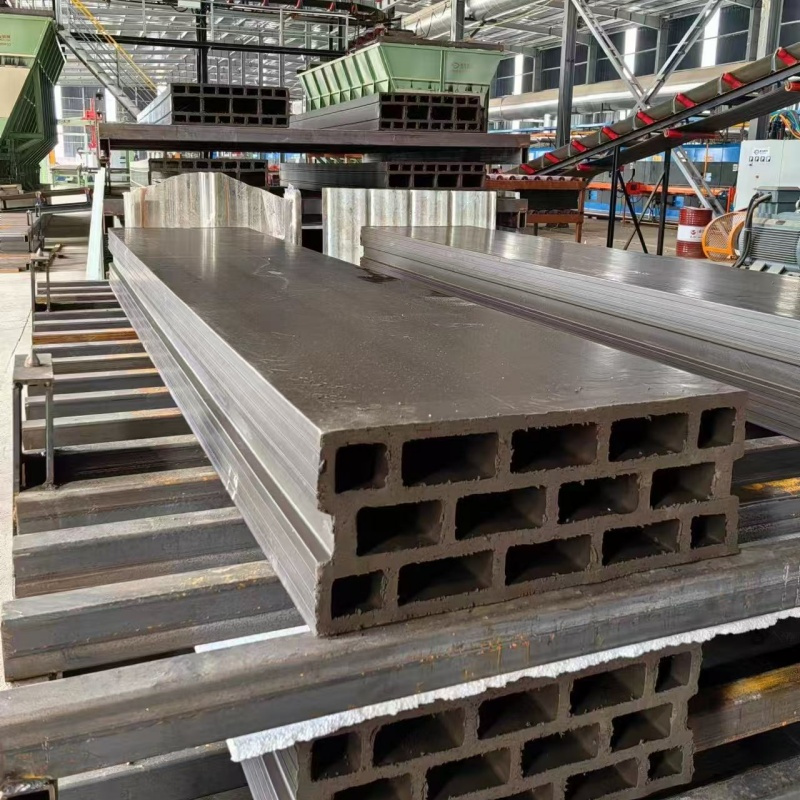
The die shapes the clay column and strongly affects wall thickness, dimensions and surface finish. Uneven flow through the die can create dimensional variation or different densities across the product.
When quality changes, inspect:
- Die wear and alignment
- Clay flow across the die opening
- Extrusion speed
- Column dimensions and squareness
- Surface tearing or drag marks
- Consistency between the center and edges of the column
For hollow products, core position and wall thickness are particularly important. Changes to die design should be evaluated with downstream cutting and drying in mind.
5. Match cutting and handling to the green column
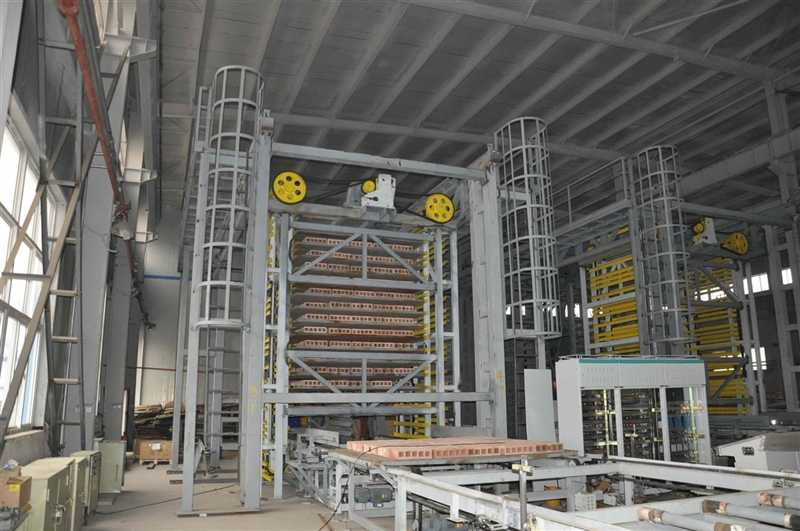
After extrusion, the column is cut into individual bricks. Cutting equipment, wire condition, timing and transfer speed all affect the shape and edge quality of the green product.
Operators should check whether:
- Cut lengths remain consistent
- Wires are clean, correctly tensioned and aligned
- The column is supported during cutting
- Transfer equipment avoids impact or vibration
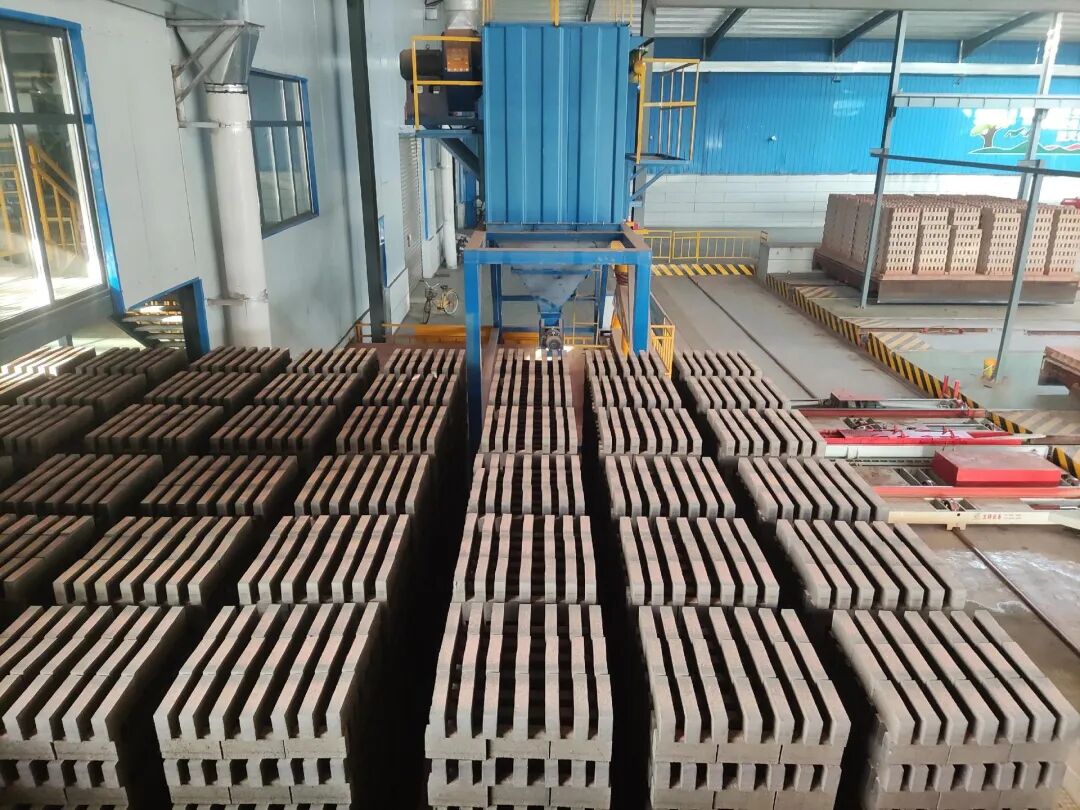
- Green bricks remain stable during stacking
Weak green bricks may break during handling even when the extrusion surface appears acceptable. It is useful to track defects before and after cutting separately.
6. Treat drying as part of forming quality
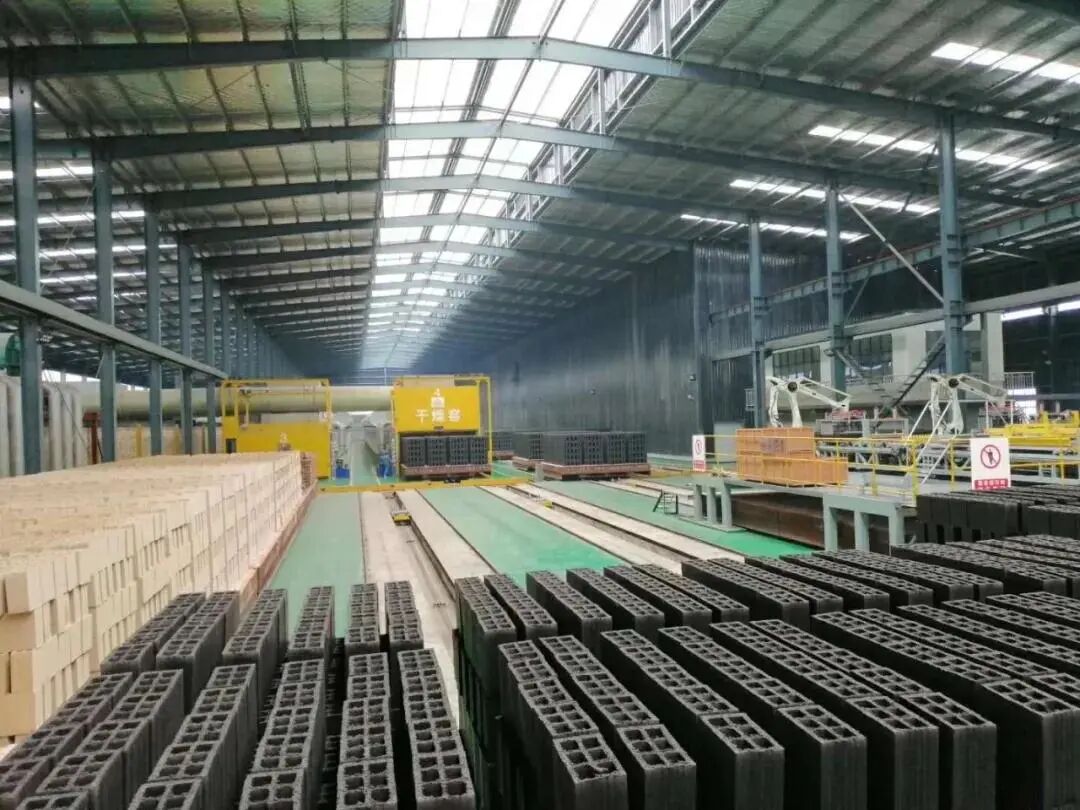
The moisture and density profile created during extrusion affects how the brick dries. If moisture is uneven within the column, the product may shrink differently across its section. This can lead to cracks, warping or size variation.
When drying defects appear, review the full chain:
- Raw material moisture and mixing
- Extrusion stability and vacuum operation
- Brick dimensions and wall thickness
- Cutting and stacking
- Dryer temperature, humidity and airflow
This helps prevent unnecessary machine adjustments when the root cause lies elsewhere in the process.
7. Build a useful process record
A practical production record can connect machine settings with product quality. For each production run, record:
- Clay source and batch
- Moisture before and after mixing
- Extrusion pressure or motor load
- Vacuum operating condition
- Die configuration
- Product dimensions
- Cutting and handling defects
- Drying and firing results
Over time, these records help the factory establish a stable operating window for each product and identify changes that require corrective action.
Conclusion
Consistent vacuum extrusion depends on the relationship between clay preparation, moisture control, de-airing, die condition and downstream handling. A stable green column supports more reliable cutting and can make drying easier to control.
When defects occur, trace them through the complete process. Reviewing the clay, extruder, cutting line and dryer together gives manufacturers a more reliable way to improve brick quality and production stability.