
0102030405
Tunnel Kiln Stable Operation: Temperature Regulation Principles and Brick Stack Collapse Troubleshooting
2026-06-10
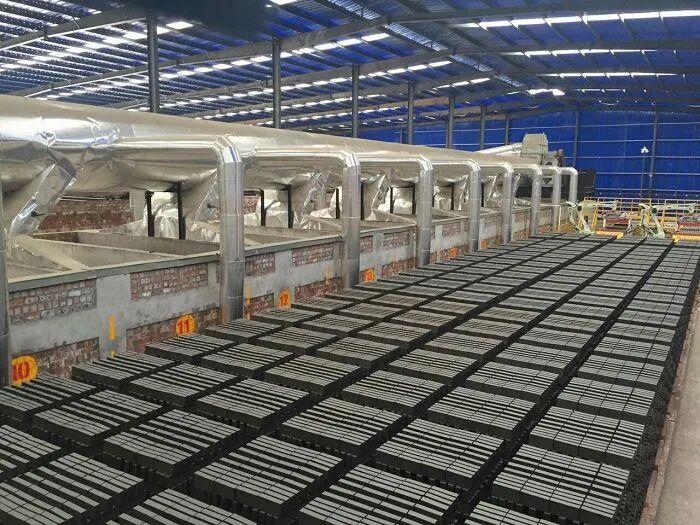
The stable operation of tunnel kilns depends on scientific thermal system regulation and standardized on-site operation management. Thermal system adjustment refers to the targeted adjustment of kiln operating parameters according to the firing process requirements of different products, so that the temperature of each section inside the kiln meets the firing standards. In actual industrial production, the main operating methods for tunnel kiln temperature control include adjusting the operating frequency of smoke exhaust, heat removal and kiln door fans, changing the opening of ventilation and exhaust pipelines, controlling the advancing speed of kiln cars, and cooperating with quantitative coal feeding at the kiln top to realize overall temperature balance control.
Four basic prerequisites are required for normal and efficient operation of tunnel kilns. First, the internal combustion heat value of brick blanks must be uniform and stable to provide balanced heat support for product firing. Second, the temperature of the preheating zone, firing zone and cooling zone must be stably controlled within the allowable error range to ensure consistent firing quality of each batch of products. Third, the feeding system must be fixed, with unchanged product types and heat ratio parameters, stable kiln car entry cycle, and constant heat absorption of brick blanks in the key firing sections. Fourth, the physical and chemical indicators of brick raw materials and semi-finished blanks are stable, avoiding firing quality fluctuations caused by raw material changes.
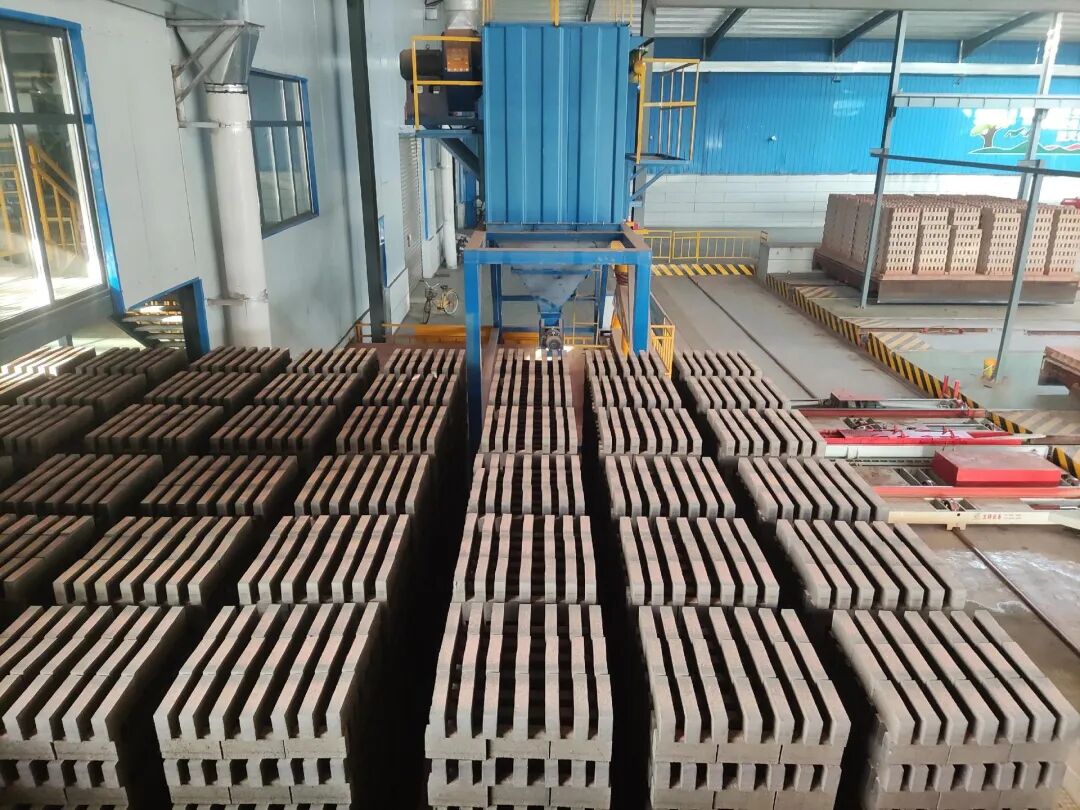
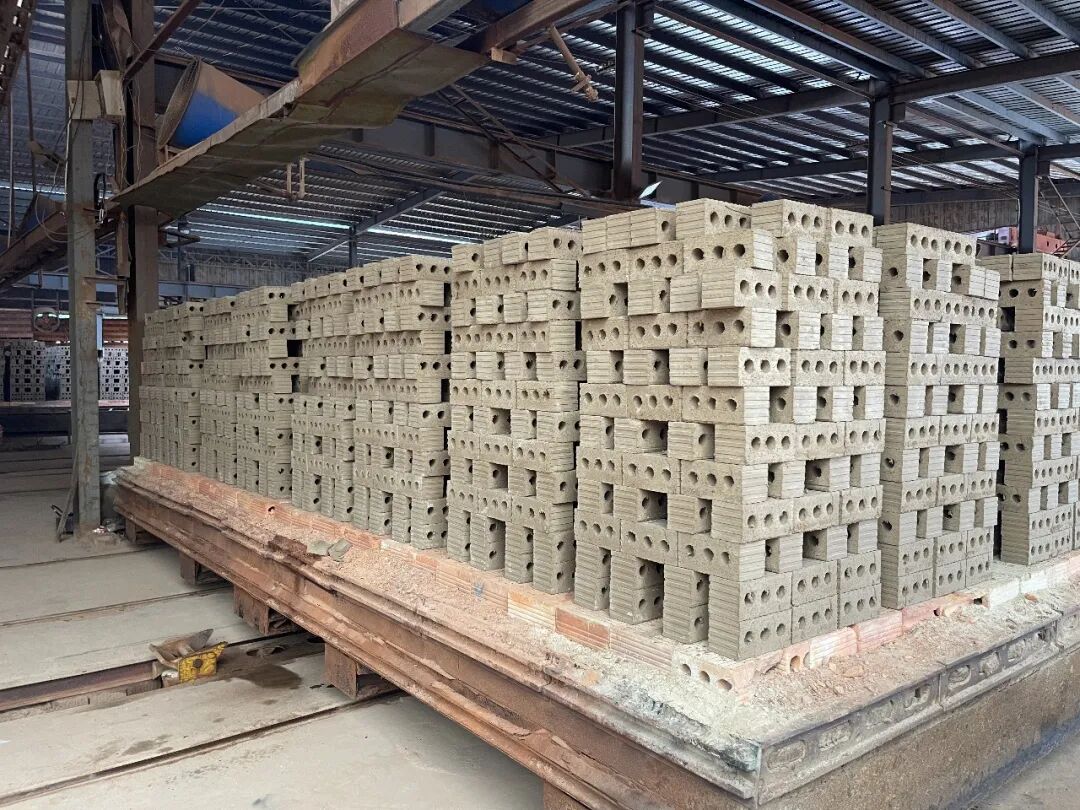
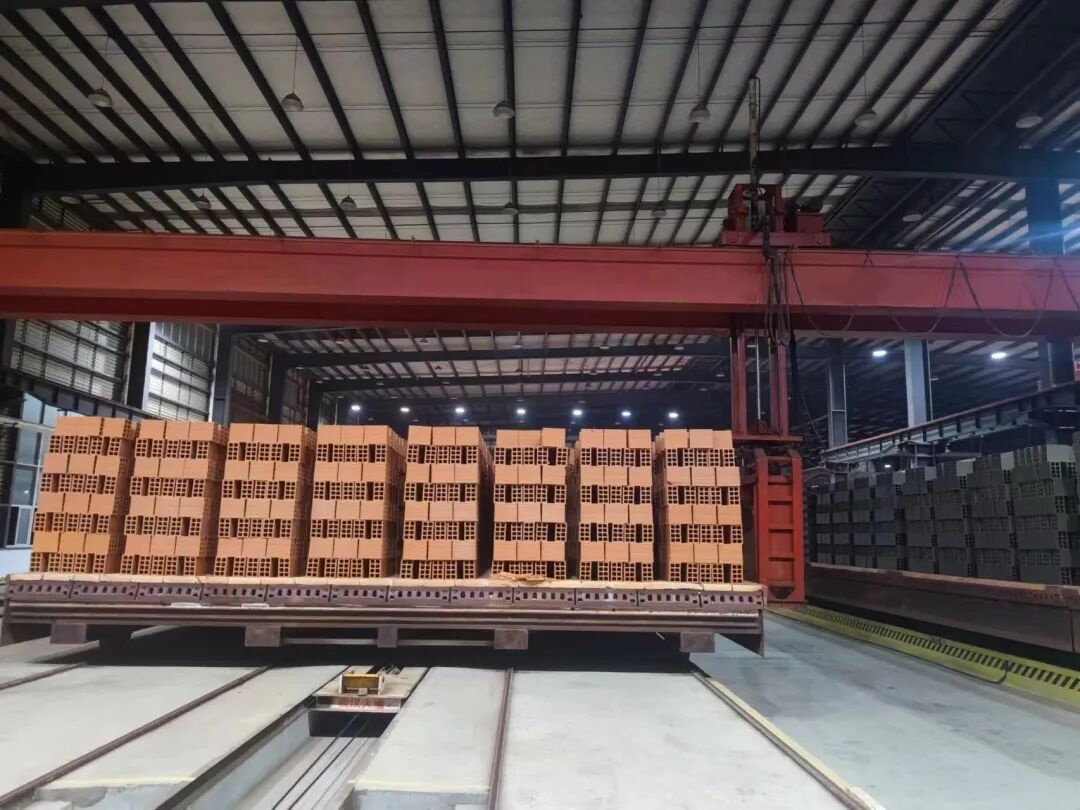
Brick stack collapse is a frequent serious fault in tunnel kiln production, which will cause kiln shutdown, delay production cycles and bring high safety risks to maintenance work. Field analysis shows that the fault is mainly caused by four factors: unqualified stacking quality leading to loose and collapsed stacks during kiln operation; insufficient drying of brick blanks and excessive water content before kiln entry; uneven settlement and deformation of kiln tracks resulting in tilting kiln cars and stack collision and collapse with kiln walls; falling refractory bricks on kiln walls and roofs jamming the gap between stacks and kiln bodies and damaging the stack structure. Timely operation suspension and fault diagnosis are required once abnormal feeding conditions occur.
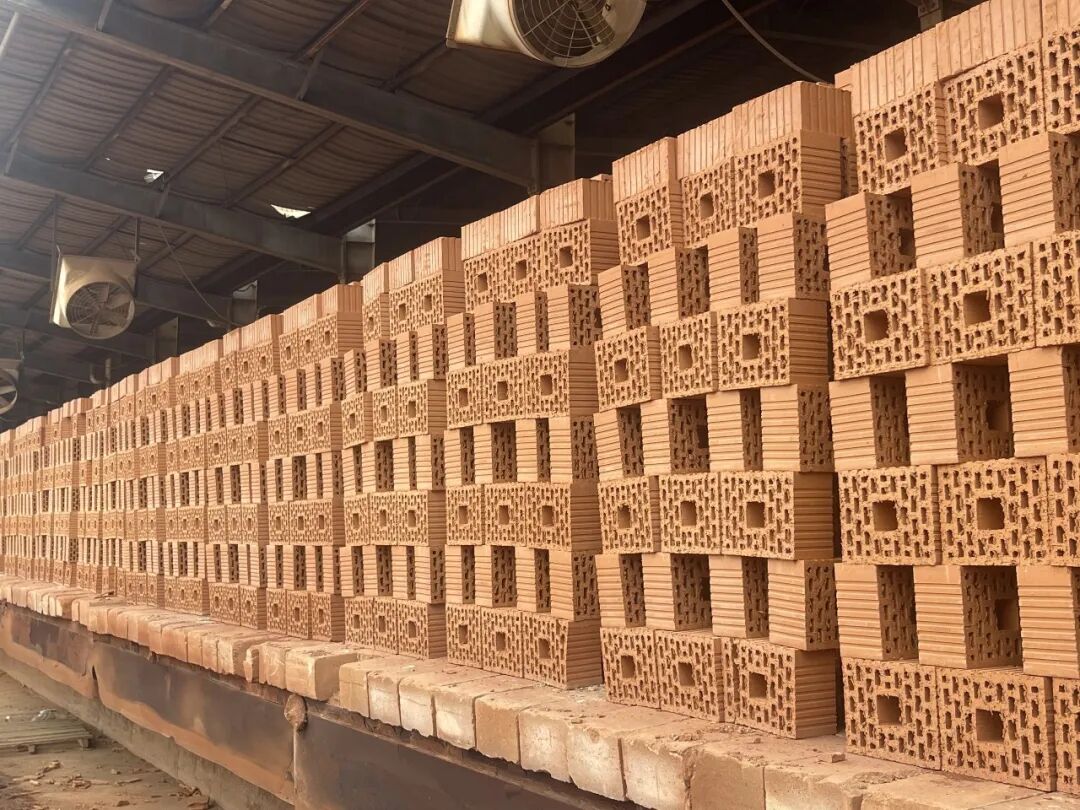
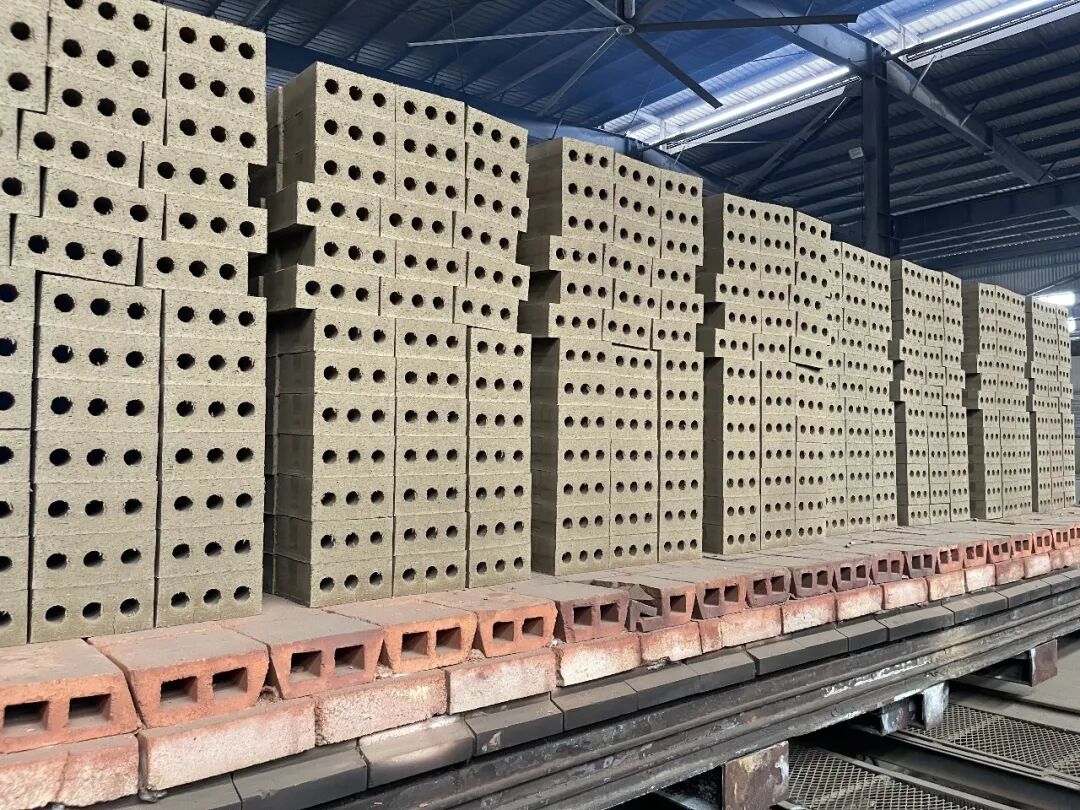
To effectively prevent and solve brick stack collapse faults and ensure long-term stable operation of tunnel kilns, three core improvement measures are adopted in production. First, optimize the brick blank drying process, strictly implement moisture content detection standards, and ensure all blanks enter the kiln with qualified moisture indicators. Second, strictly standardize stacking construction, take flatness, straightness and stability as the core assessment standards for stacking quality, and eliminate hidden dangers of loose stacks from the source. Third, carry out daily inspection and maintenance of kiln auxiliary facilities, regularly check the operation status of kiln tracks and the integrity of kiln refractory structures, and timely repair and rectify all abnormal equipment conditions to ensure safe and stable kiln operation.