
Tunnel Kiln Hydraulic Ferry Car Operation Guide
Hydraulic ferry cars are core transportation equipment for tunnel kiln production in brick factories, responsible for the seamless transfer of green brick carts and finished brick carts between drying kilns and firing kilns. Standardized operation is the key to ensuring continuous production, avoiding equipment failures, and preventing brick damage. This article systematically outlines the complete standard operating procedures for hydraulic ferry cars in brick factory tunnel kilns to guide on-site personnel in standardized operations.
1. Basic Startup and Preparation
The basic startup and preparation procedure for the hydraulic ferry car is uniform across all operational scenarios. Operators must first start the oil pump motor to completely retract the hydraulic positioning rod, eliminating any positioning obstacles for subsequent vehicle movement. After completing the hydraulic reset, the traveling motor is started to drive the ferry car precisely to the designated working position. Before a kiln cart boards the ferry car, the corresponding car stoppers must be strictly adjusted and fastened according to the specific working area to prevent the kiln cart from over-positioning or derailing during transportation.
2. Scenario-Based Operation Standards
The operational modes for ferry cars at the drying kiln outlet and the firing kiln outlet differ and must be executed in strict accordance with scenario-specific standards.
-
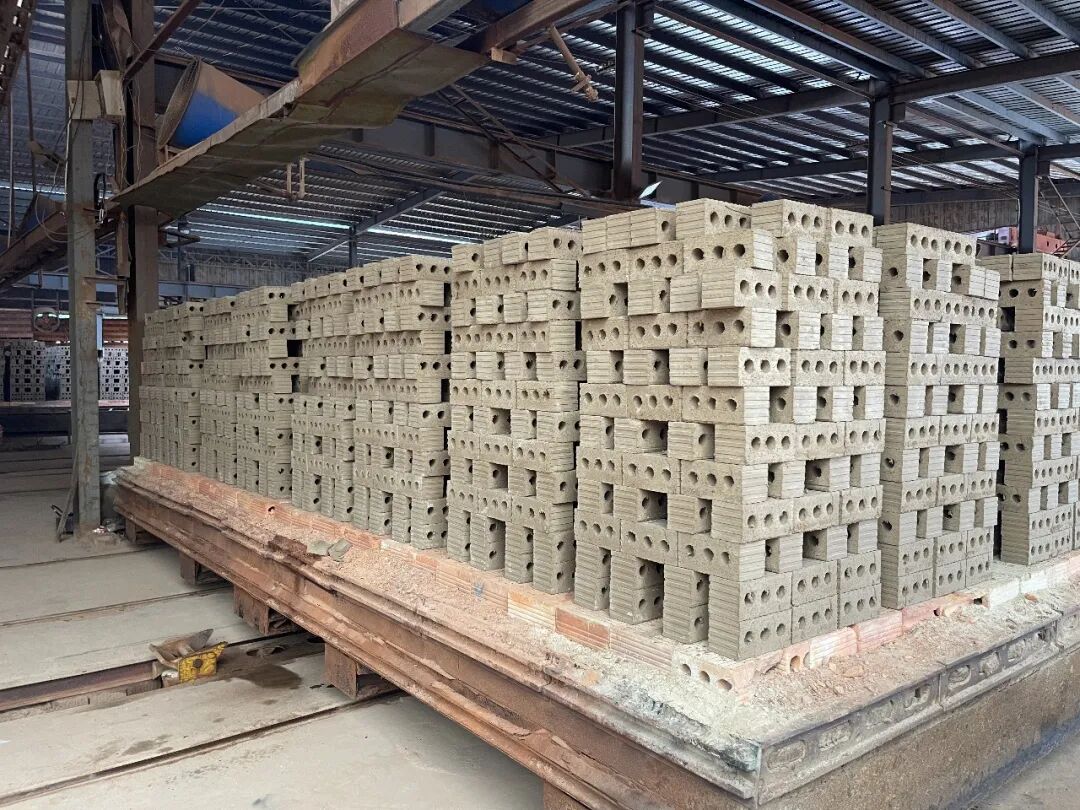
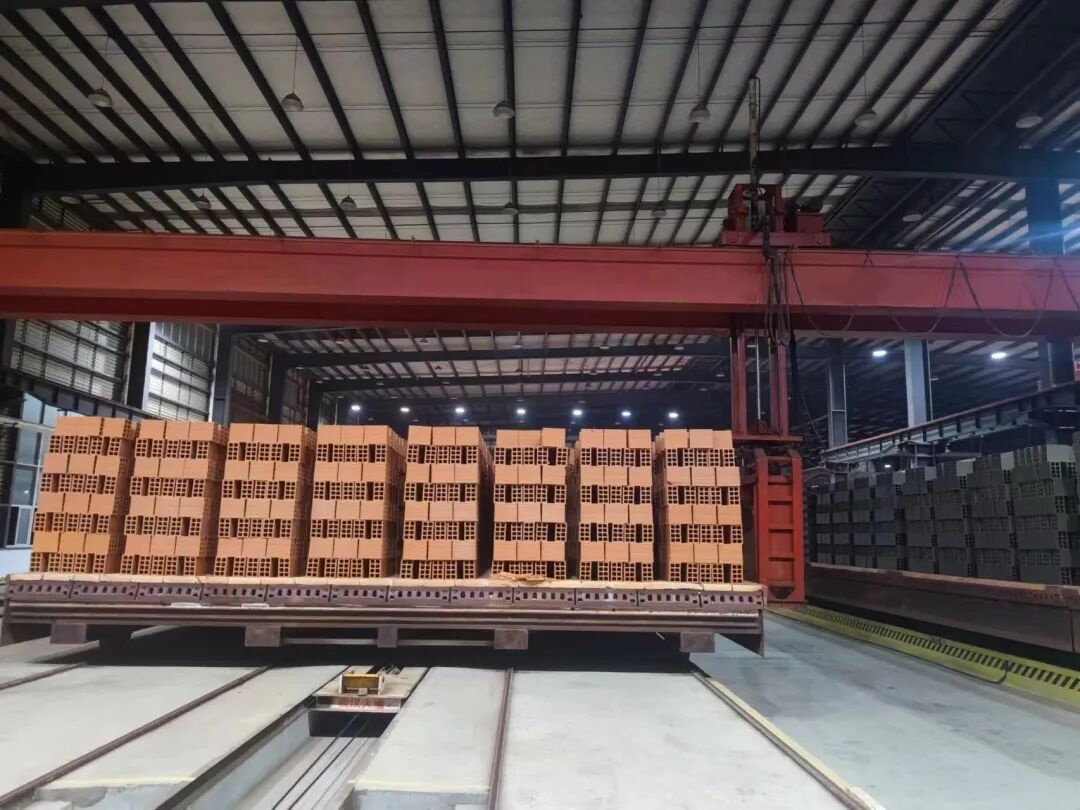
Drying Kiln Outlet Ferry Car: Under normal working conditions, the empty ferry car must be parked at the designated positioning point. The north car stopper is kept closed by default and is only opened when vehicles need to be transferred to the maintenance line. Once a green brick cart exiting the drying kiln completely drives onto the ferry car, the south car stopper must be closed immediately to lock the cart in place. Next, start the oil pump motor to retract the positioning rod. Turn off the oil pump motor once the reset is complete, and start the traveling motor to transport the ferry car to the firing kiln inlet. After precise alignment at the inlet, start the oil pump for positioning, open the south car stopper, and complete the cart-feeding operation into the firing kiln.
-
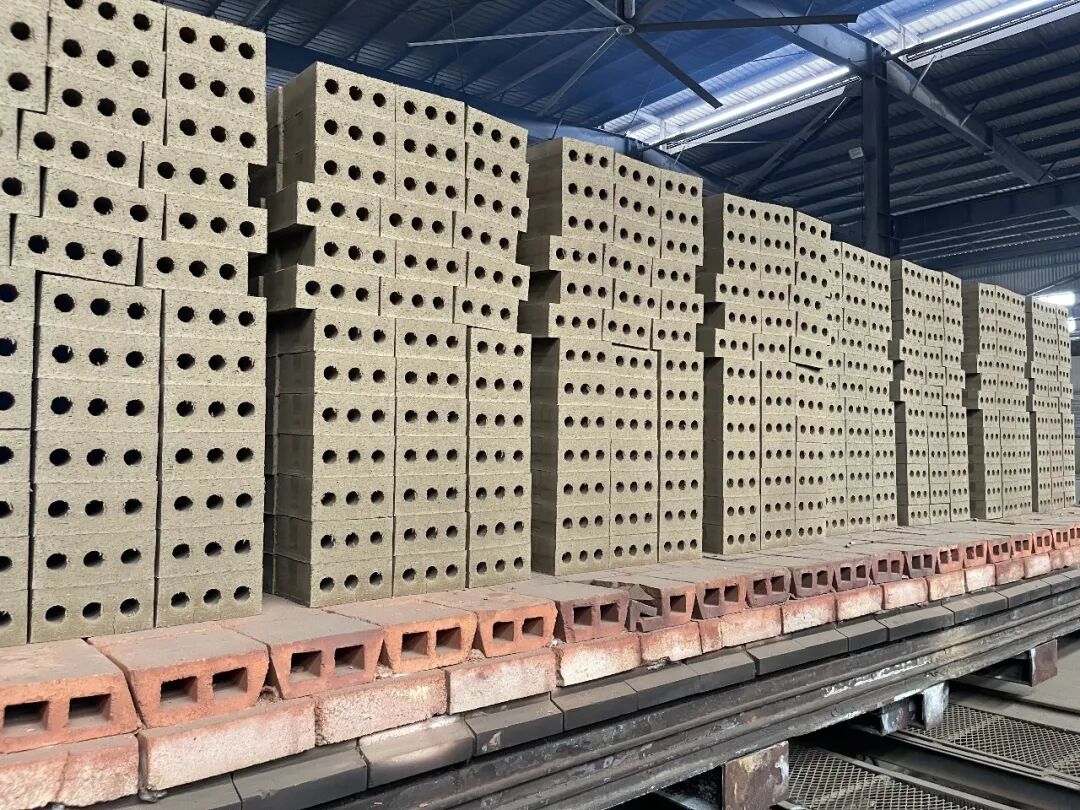
Firing Kiln Outlet Ferry Car: In daily standby mode, the empty ferry car must be parked at the firing kiln outlet with the south car stopper closed. When a finished brick cart completely boards the ferry car, close the north car stopper to secure the cart. Follow the standard process to retract the hydraulic positioning rod, then drive the ferry car to the designated unloading line for positioning. Finally, open the car stopper and transfer the finished brick cart to the unloading line. The return transportation of empty kiln carts to the return line follows this same operational process.
Critical Speed Regulation: The traveling motor of the firing kiln outlet ferry car is a speed-regulating motor. Heavy-load transportation of brick carts utilizes low-speed operation, whereas empty ferry cars and empty kiln cart transportation utilize high-speed operation. This effectively prevents the brick piles from tilting or getting damaged.
Standardizing the entire process of hydraulic ferry car operations not only ensures a stable brick production rhythm and reduces product defect rates, but also effectively minimizes equipment operational risks, providing a fundamental guarantee for the safe and efficient operation of tunnel kiln production lines.