
0102030405
Tunnel Kiln Bottom Air Duct, Sand Seal and Pressure Balance Control Technology for Zero Defect Brick Firing
2026-08-04
Common tunnel kiln firing defects including bottom unburned bricks and burned kiln cars are mainly caused by unbalanced car bottom air pressure and failed bottom sealing structures. Modern tunnel kilns adopt a complete set of bottom protection systems composed of kiln car bottom air ducts, sand seal devices and intelligent pressure balance control equipment. This mature automatic control technology effectively eliminates bottom firing quality defects, stabilizes full-kiln temperature uniformity, and guarantees safe and long-term operation of tunnel kiln production lines.
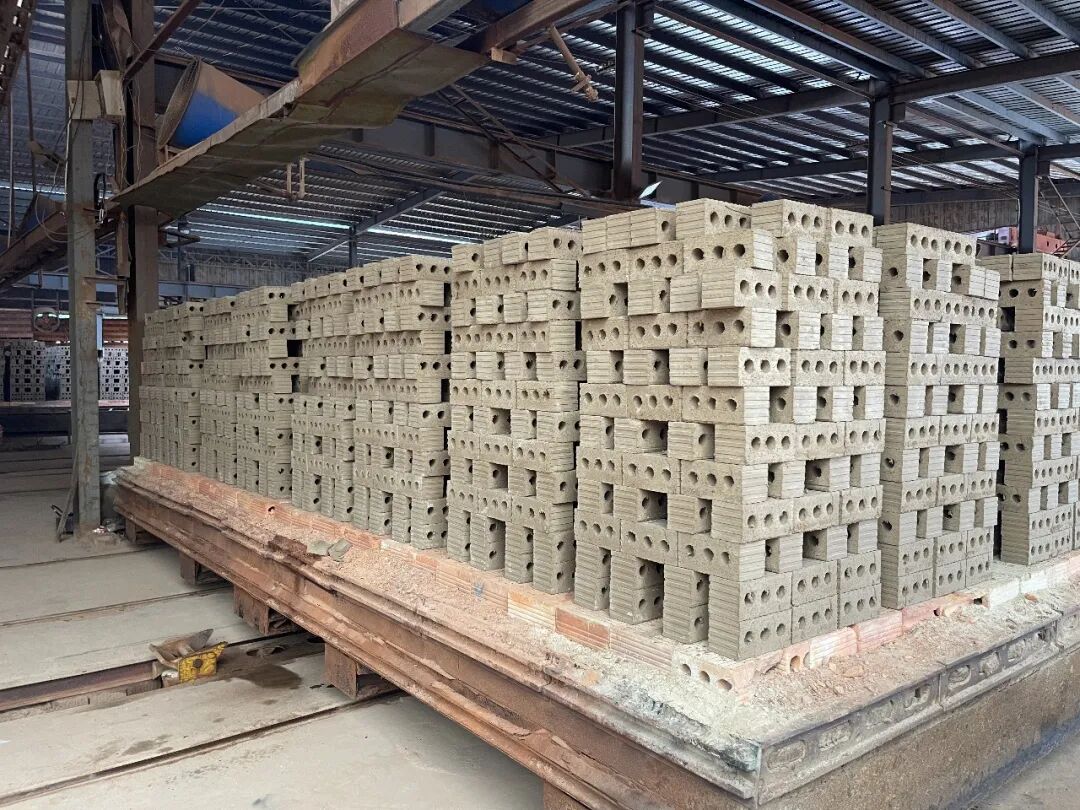
The kiln car bottom of the tunnel firing kiln adopts a through-type air duct structural design. Equipped with wind baffles and sand seal grooves on both sides of the kiln car, the bottom air duct is completely isolated from the tunnel kiln internal firing space. The core automatic control logic is to maintain dynamic pressure balance between the kiln car bottom and the kiln interior. When the two pressures are balanced, cold air from the car bottom cannot penetrate into the kiln chamber, fundamentally avoiding bottom unburned bricks caused by cold air invasion. Meanwhile, high-temperature flue gas inside the tunnel kiln cannot leak downward to the car bottom, effectively preventing high-temperature ablation and burning damage to the kiln car. In standardized production management, the kiln car bottom temperature must be strictly controlled within 70℃ to 100℃ to ensure stable and safe equipment operation.
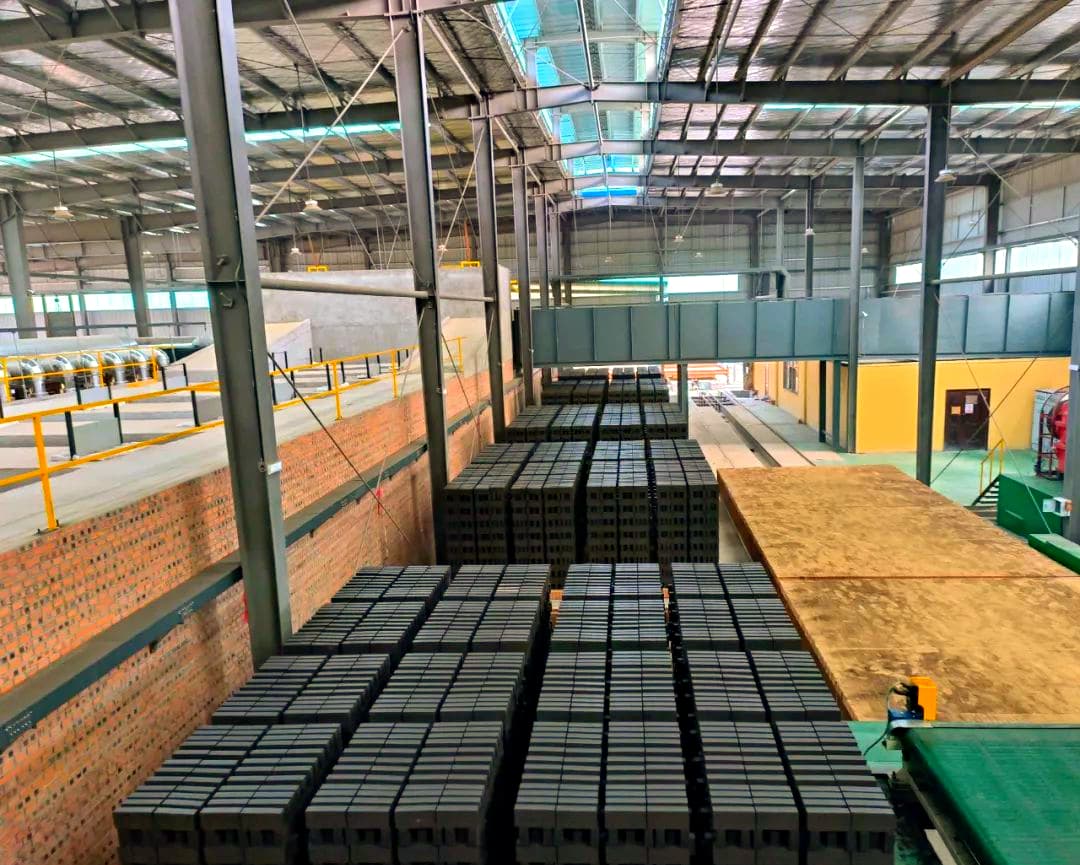
The sand seal device is a key sealing component of the tunnel kiln bottom isolation system and an important guarantee for pressure balance control. Operators fill mung bean-sized coarse sand through the professional sand filling port. Coarse sand particles avoid the problem of fine sand being blown away by circulating airflow, which prevents sealing failure. As the kiln car moves forward steadily, the coarse sand is evenly paved in the entire sand seal groove through the car baffle, forming a continuous, dense and stable sealing layer. This structure thoroughly isolates the car bottom air duct from the tunnel kiln internal space, solves the common production problems of bottom cold air leakage and high-temperature gas leakage, and significantly reduces the unburned brick rate and kiln car damage rate.
To realize real-time dynamic balance of car bottom pressure and kiln internal pressure, industrial tunnel kilns are equipped with professional car bottom balance fans and high-precision pressure detection automatic control systems. The pressure regulation mode is intelligently adjusted according to the kiln’s cooling structure and oxygen supply mode. For tunnel kilns without independent cooling fans, the entire kiln adopts negative pressure firing technology, and all car bottom balance fans operate in air exhaust mode. For closed tunnel kilns with kiln door sealing and cooling fan blast oxygen supply, the preheating zone presents negative pressure while the cooling zone presents positive pressure. Correspondingly, two sets of balance fans are configured to perform air exhaust and air blast respectively to adapt to different pressure environments.
The system is fitted with two pairs of high-sensitivity pressure detection sensors, which feed back data in real time and adjust the fan air volume through frequency conversion technology. This ensures that the car bottom pressure of the preheating zone and cooling zone is completely balanced with the corresponding kiln internal pressure. In contrast, the traditional car bottom balance brake has prominent technical limitations. It can only simulate the negative pressure balance effect of balance fans, cannot achieve automatic and precise pressure balance control, and is unable to adapt to the positive pressure section of the tunnel kiln. Therefore, intelligent frequency conversion balance fan systems have completely replaced traditional balance brakes in modern integrated brick and tile production lines.