
0102030405
Troubleshooting Brick Stack Collapse and Professional Temperature Control for Tunnel Kilns
2026-08-31
Precise Thermal parameter adjustment of industrial tunnel kilns is the core and key process for high-end and high-efficiency brick and tile manufacturing. Different types of brick and tile products have differentiated firing process standards, and professional and refined thermal system adjustment can effectively optimize the kiln internal temperature field, realize uniform and full firing of green bricks, and significantly improve the finished product yield and product competitiveness of finished bricks in large-scale brick factory production.
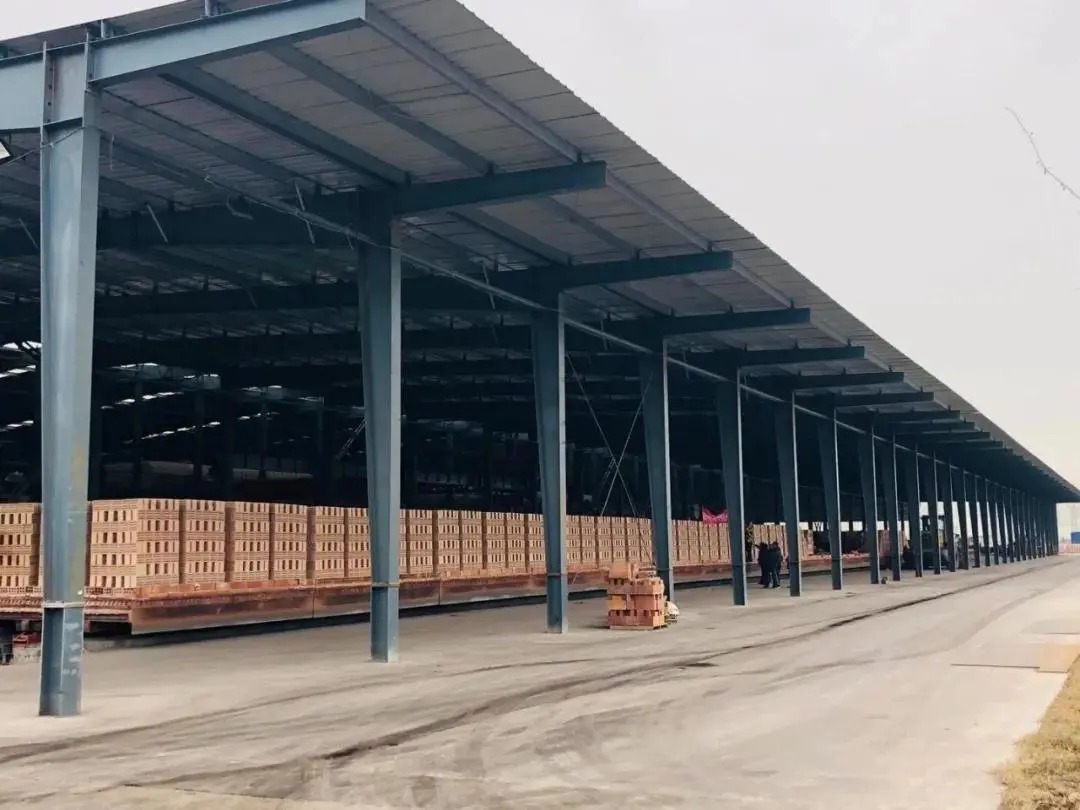
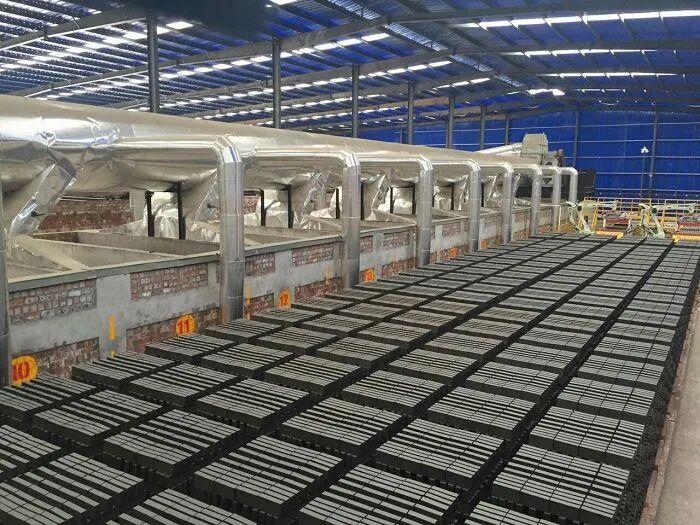
In actual tunnel kiln operation and daily management, factory professional technicians realize high-precision tunnel kiln thermal control through multi-dimensional adjustable parameters. The core adjustment methods include optimizing the operating frequency of integrated smoke and heat exhaust systems and kiln door fans, flexibly adjusting the opening of heat dissipation and exhaust pipelines, scientifically controlling the advancing speed of kiln cars, and matching reasonable quantitative top kiln coal feeding volume. Multi-angle refined adjustments ensure that the kiln thermal system always maintains the optimal operating state, stabilizing the overall effect of brick firing processing.
To guarantee the long-term safe and stable operation of tunnel kilns in large-scale mass brick production, four core operating conditions must be strictly met. Firstly, the internal combustion heat generated by green bricks is uniform and stable, providing continuous and balanced heat source for the whole firing process. Secondly, the temperature of the preheating, firing and cooling zones is strictly controlled within the specified fluctuation range to avoid product quality defects caused by temperature deviation and heat imbalance. Thirdly, maintain a stable standardized kiln car feeding system; keep consistent product types and internal heat proportioning, fixed kiln entry interval, and stable heat absorption of green bricks in core firing zones. Fourthly, ensure stable physical and chemical quality of finished products to perfectly match the optimized thermal system parameters.
Sudden brick stack collapse is a common dangerous equipment fault in large-scale tunnel kiln production. This sudden fault will force the kiln to stop firing immediately, interrupt the continuous production cycle, and bring direct economic losses to brick and tile manufacturers. In addition, the high-temperature kiln operating environment makes manual maintenance and troubleshooting extremely risky, which is one of the key safety and efficiency bottlenecks restricting safe, continuous and high-efficiency production in the brick and tile industry.
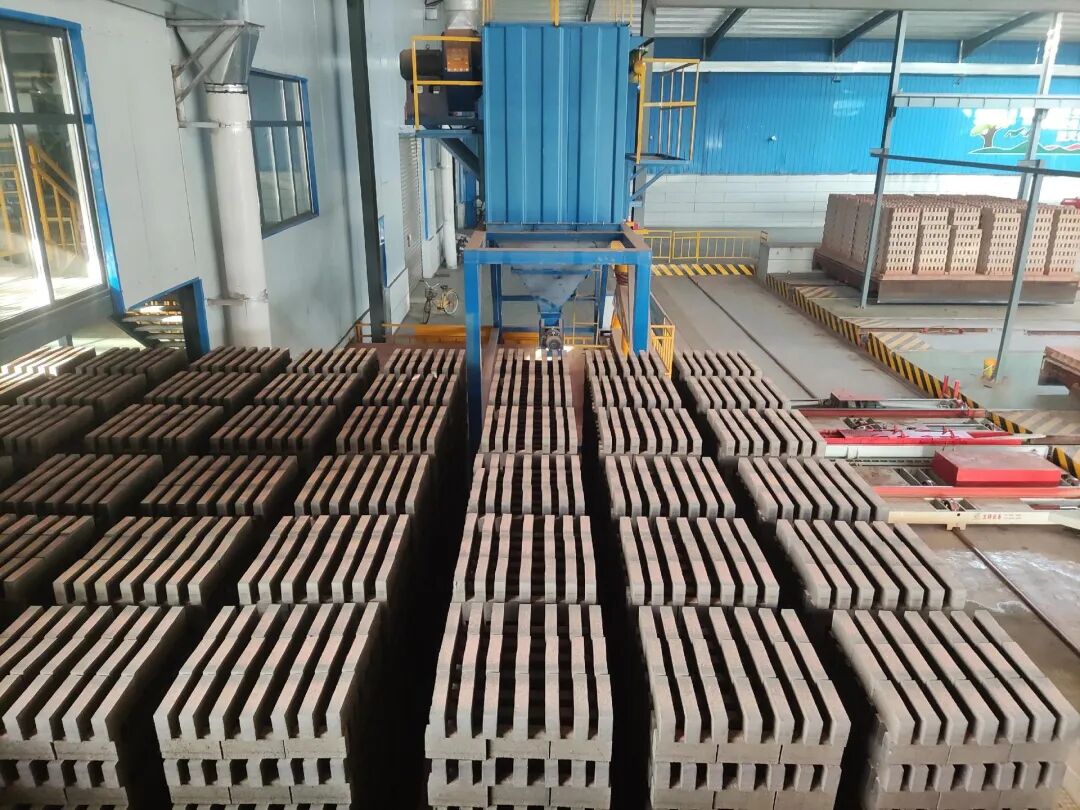
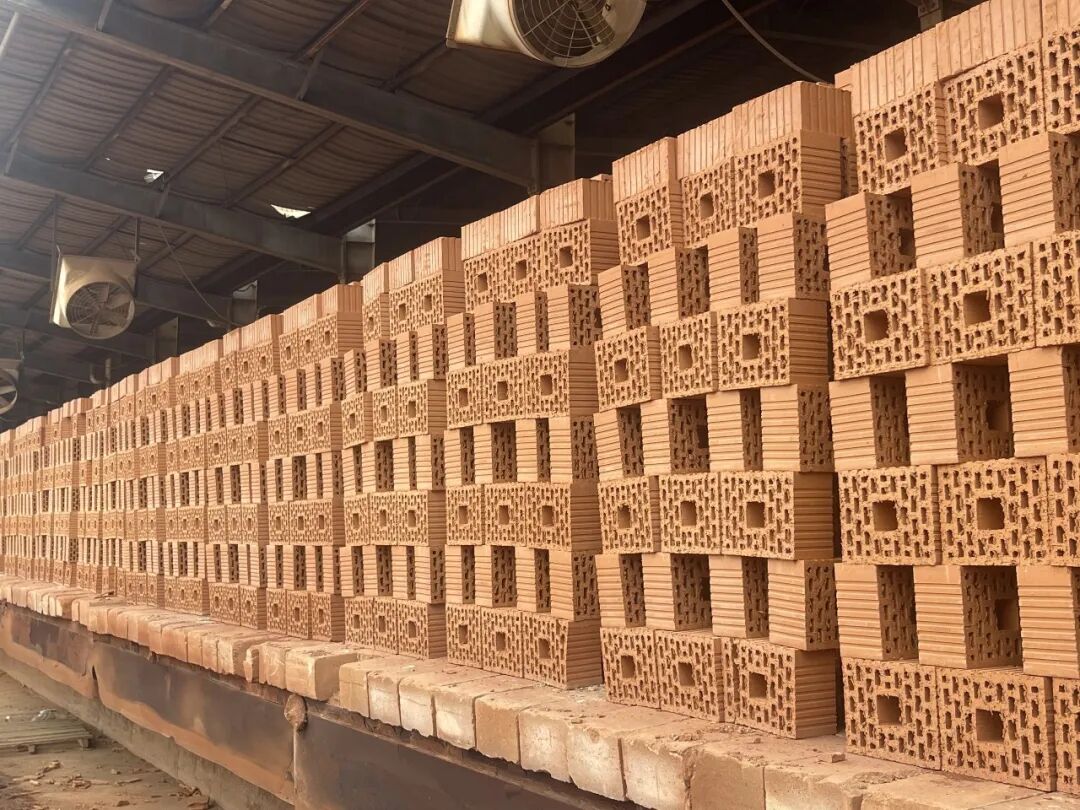
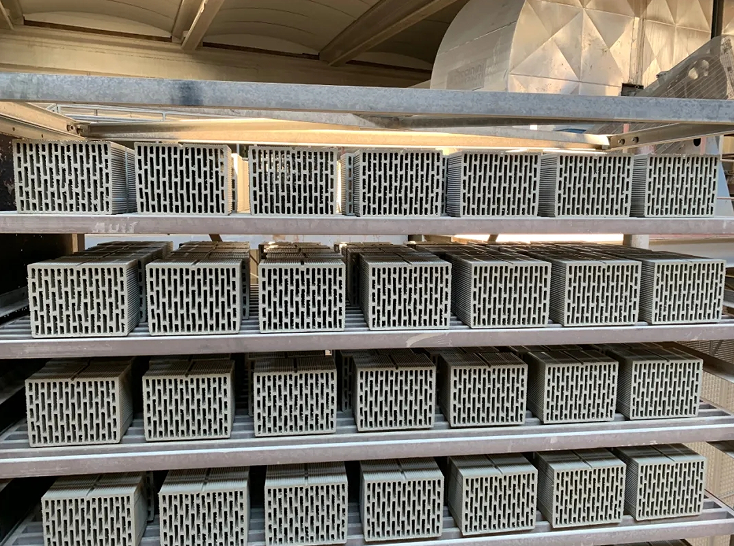
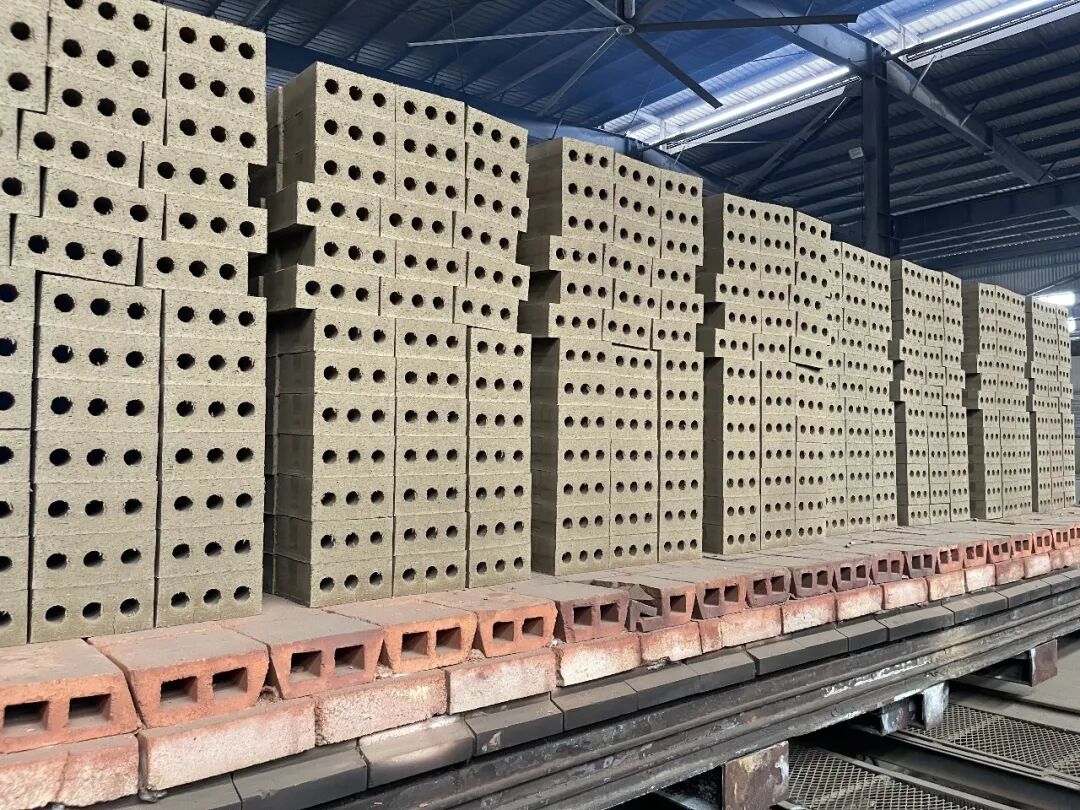
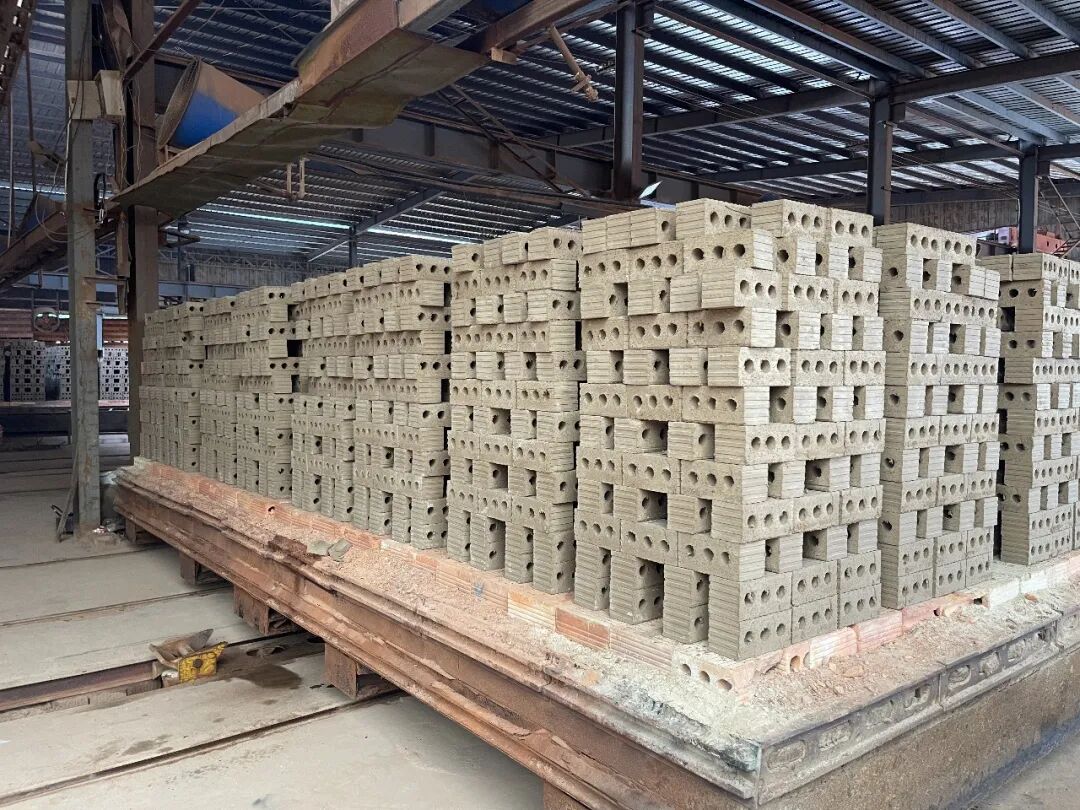
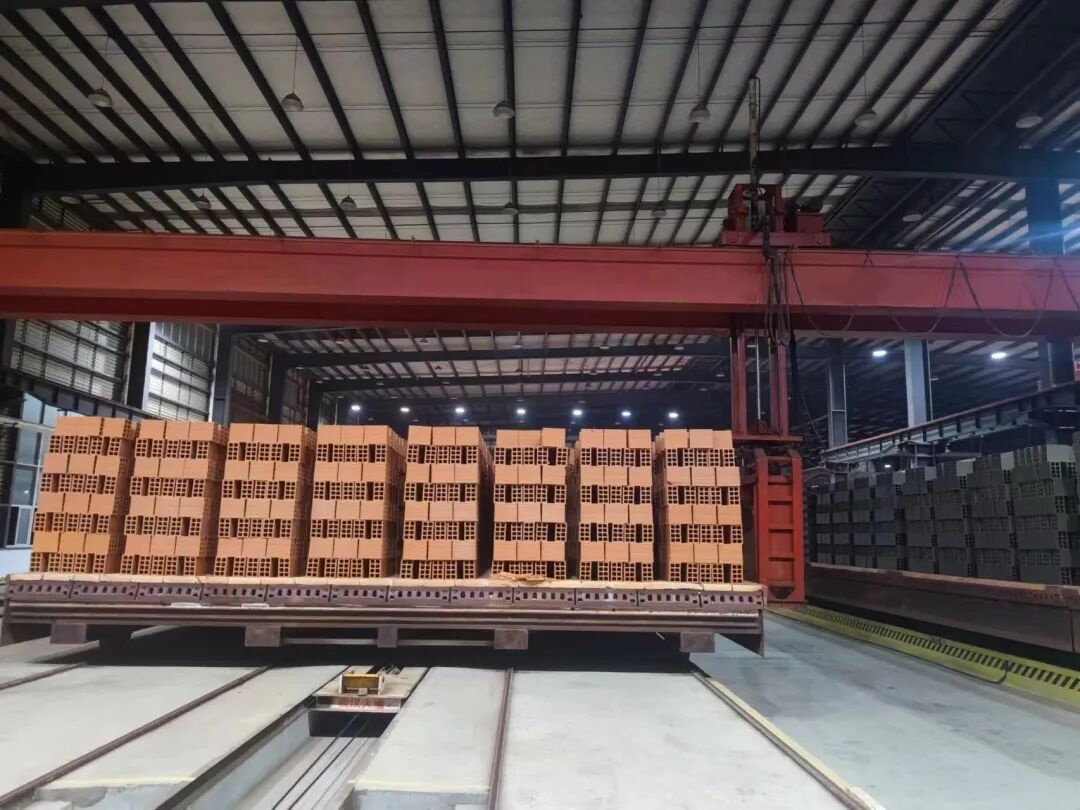
In-depth industry technical analysis shows that tunnel kiln brick stack collapse is mainly caused by four key factors. Substandard brick stacking craftsmanship results in loose stack structures, and the vibration and displacement of kiln cars during operation will trigger sudden stack collapse. Incomplete green brick drying leads to excessive residual moisture, reducing the compression resistance, firmness and overall stability of brick stacks. Uneven settlement and structural deformation of kiln rails cause kiln car tilting, making brick stacks bear lateral stress and collide with kiln walls to collapse. Falling kiln refractory bricks on kiln walls and tops occupy the moving space of brick stacks, leading to structural damage and integral collapse. Once abnormal operating conditions are detected, operators must stop kiln feeding immediately, analyze root causes and implement targeted solutions.
A complete set of systematic optimization solutions is formulated to thoroughly solve brick stack collapse faults and stabilize tunnel kiln temperature control. Firstly, strengthen full-process green brick drying management, adopt standardized drying processes to strictly control residual moisture, and eliminate production hidden dangers caused by excessive water content. Secondly, standardize the whole stacking construction process, strictly implement flat, straight and stable operation specifications to ensure firm, neat and qualified brick stacks. Thirdly, establish a daily inspection and regular maintenance mechanism for kiln infrastructure, regularly check the flatness of kiln rails and the integrity of kiln wall and top refractory bricks, and repair and replace damaged parts in a timely manner to ensure long-term safe and stable tunnel kiln production.
FAQ
Q1: What are the core adjustable parameters for tunnel kiln thermal system optimization?
A: The core adjustable parameters include fan operating frequency, pipeline gate opening, kiln car feeding speed and top kiln coal feeding volume, which jointly determine the kiln thermal balance.
Q2: Why is stable kiln feeding system important for tunnel kiln production?
A: A stable kiln feeding system ensures consistent heat absorption of green bricks, avoids internal kiln temperature fluctuation, and guarantees uniform and stable quality of finished bricks.
Q3: What are the safety hazards of tunnel kiln brick stack collapse?
A: Brick stack collapse causes production shutdown and economic losses; high-temperature manual troubleshooting and maintenance also bring great personal safety risks to workers.
Q4: How to realize long-term stable operation of tunnel kilns?
A: Realize long-term stable operation by stabilizing green brick quality and feeding system, optimizing thermal regulation parameters, and implementing daily inspection and maintenance of kiln infrastructure.