
0102030405
Top Fire Advanced and Bottom Fire Poor Defect in Brick Kilns – Professional Troubleshooting Guide
2026-07-31
Fire imbalance fault featuring advanced top fire and lagging bottom fire is a typical ventilation and temperature uniformity problem in continuous ring kilns and tunnel kilns for brick manufacturing. In actual production, the high-temperature fire zone on the kiln top is often 5 to more than ten rows ahead of the bottom fire, causing uneven heating of brick blanks. This unbalanced firing status directly triggers inconsistent brick hardness, color difference, partial underfiring and overfiring problems, seriously reducing finished brick qualification rate. Professional parameter adjustment and process optimization are required instead of blind temperature increase.
The industrial standard emergency adjustment scheme for top-bottom fire imbalance is highly operable for kiln maintenance workers. To accelerate bottom fire propagation and balance the overall kiln temperature field, operators should raise the far-end kiln damper to enhance bottom ventilation traction, appropriately lower other auxiliary dampers to reduce top air flow, and strengthen bottom firing compensation to raise bottom temperature. This scientific adjustment can realize synchronous advancement of top and bottom fire and eliminate temperature stratification.
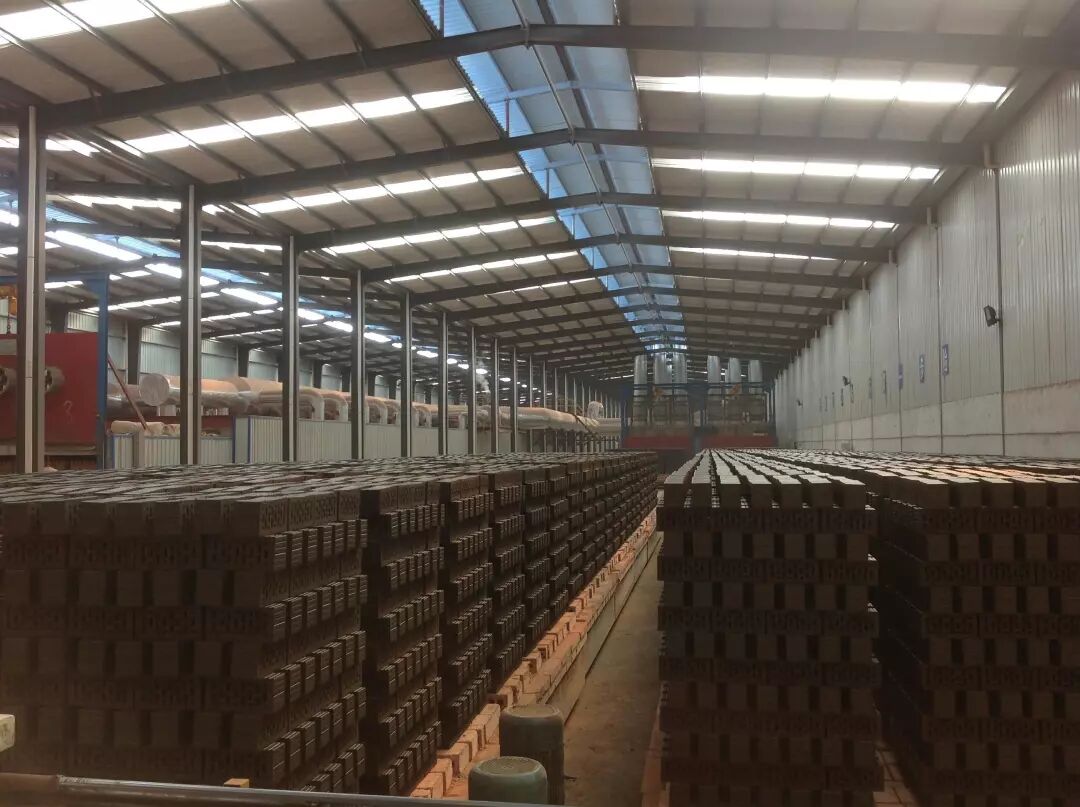
We conclude five core causes and targeted prevention solutions for bottom fire lagging based on years of brick kiln operation experience.
Firstly, long-term dampness of the kiln bottom is the key environmental factor.
Accumulated moisture and unsmooth drainage at the kiln base hinder the temperature rise of bottom brick stacks. Brick factories need to strengthen kiln bottom moisture-proof treatment and optimize kiln peripheral drainage systems to keep the kiln base dry all year round.
Secondly, non-standard brick stacking structure destroys normal fire propagation rules.
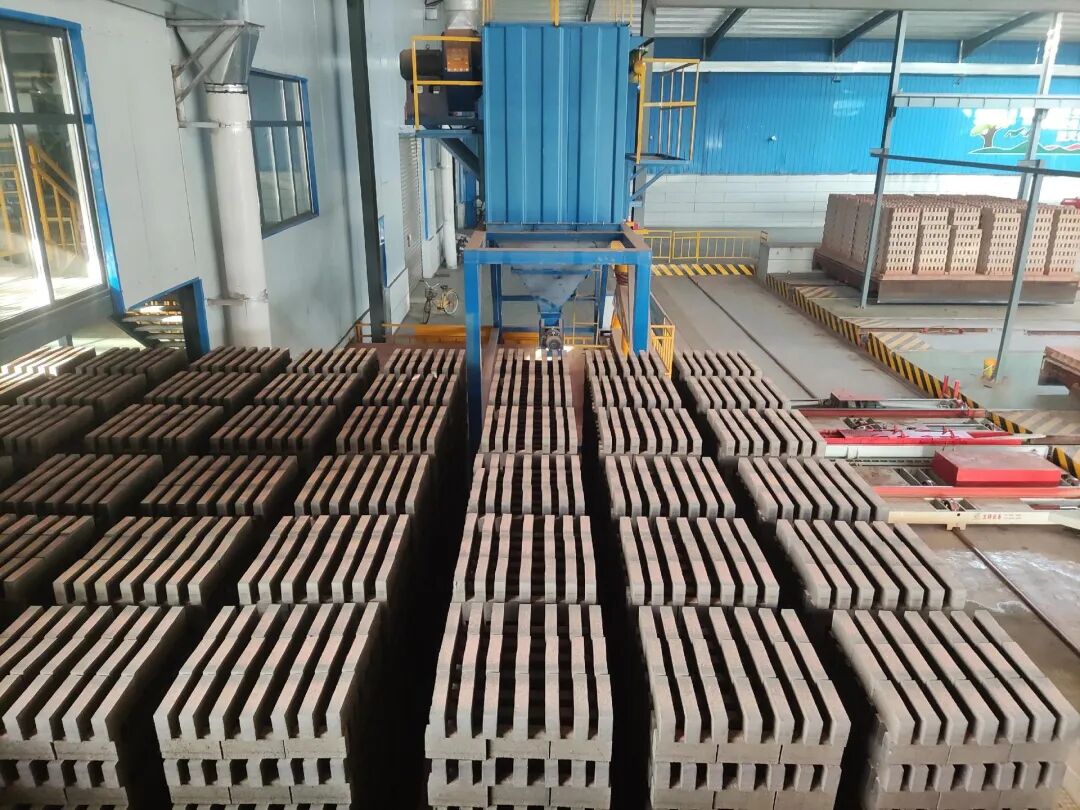
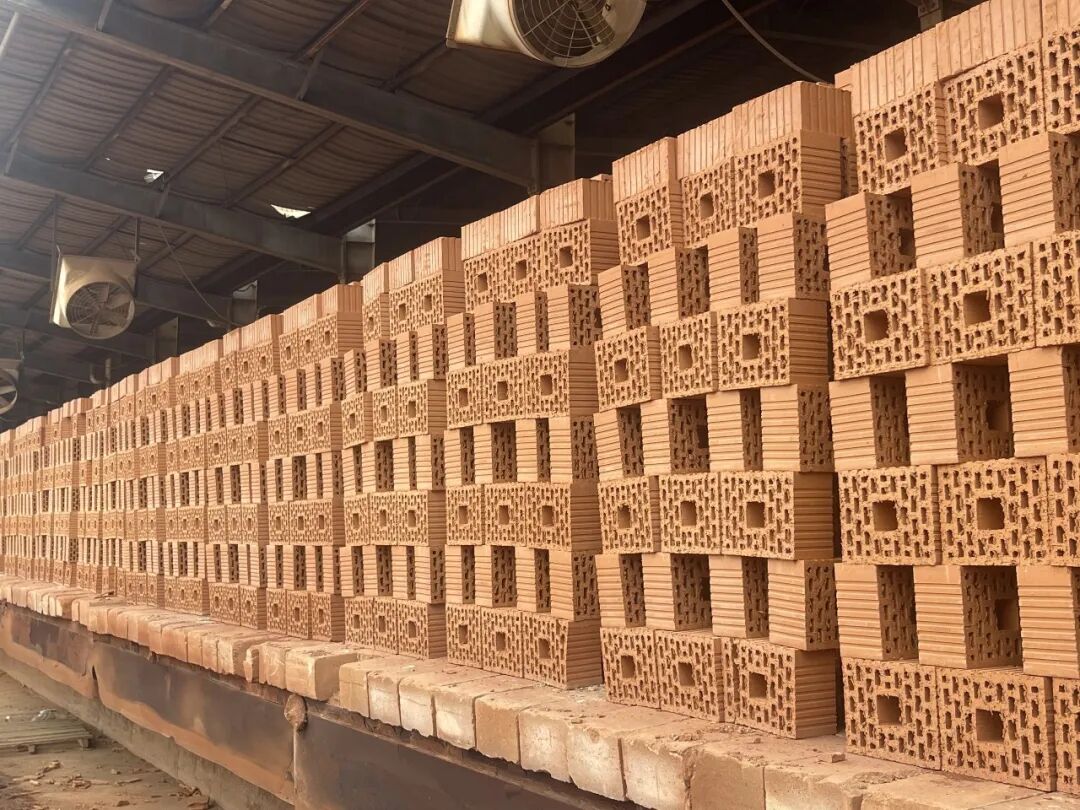
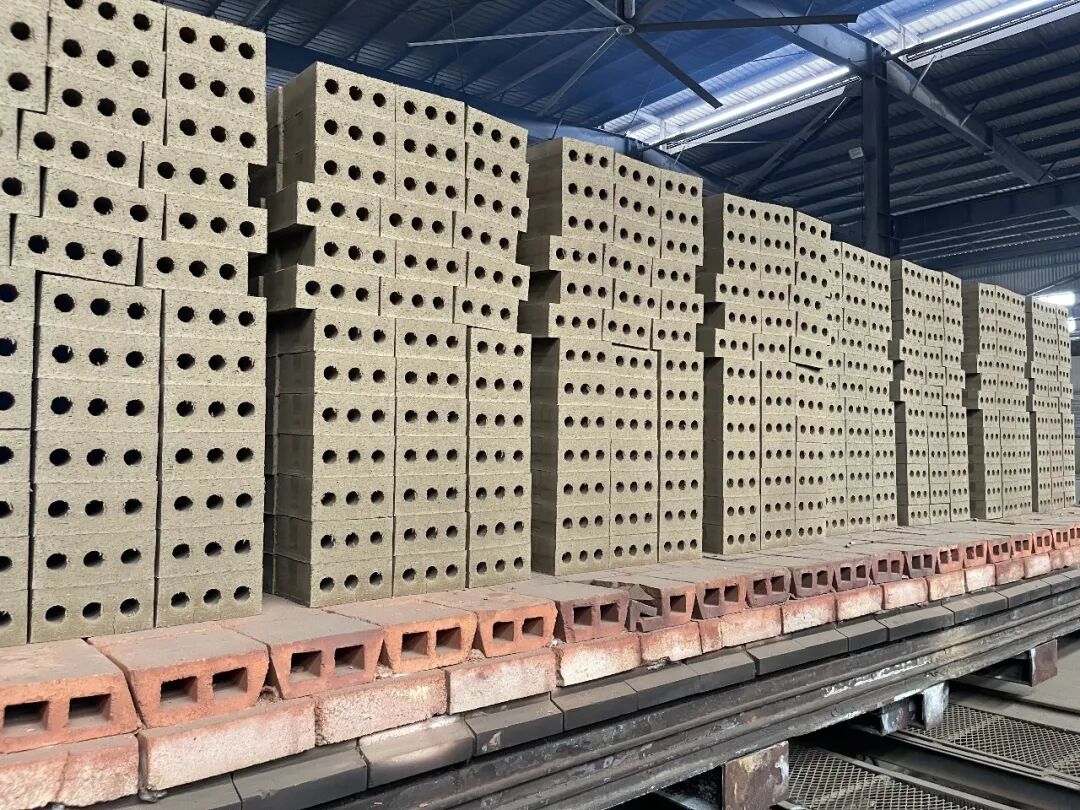
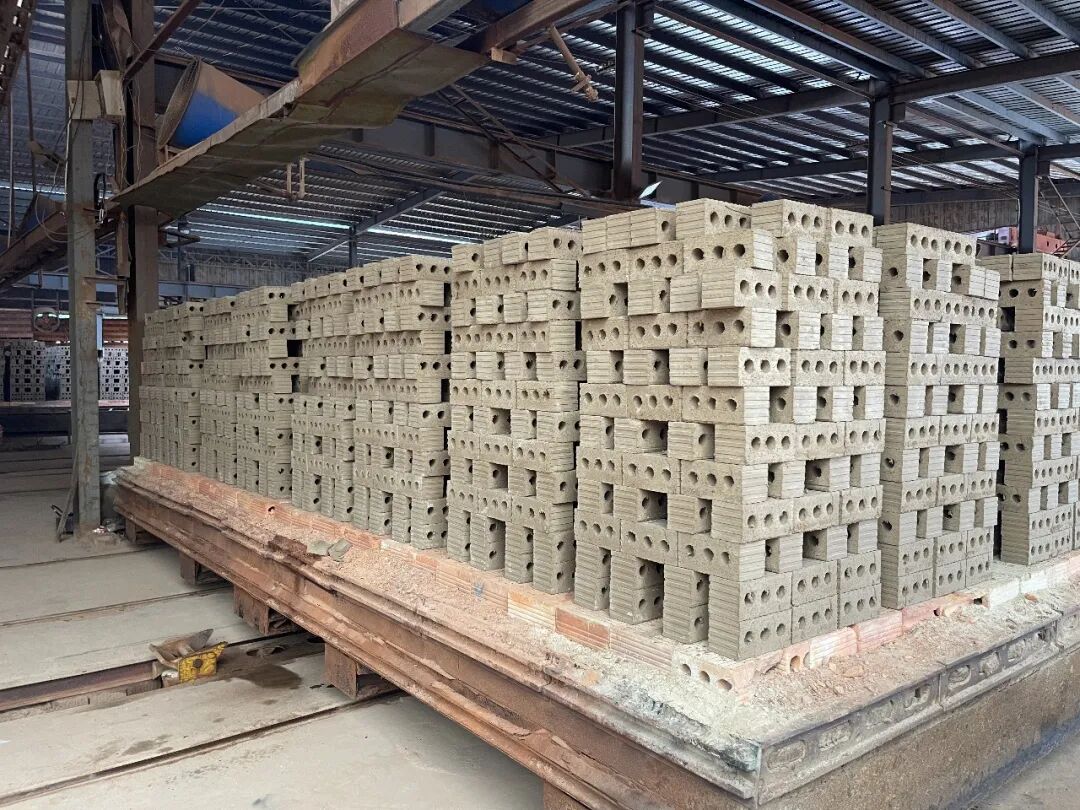
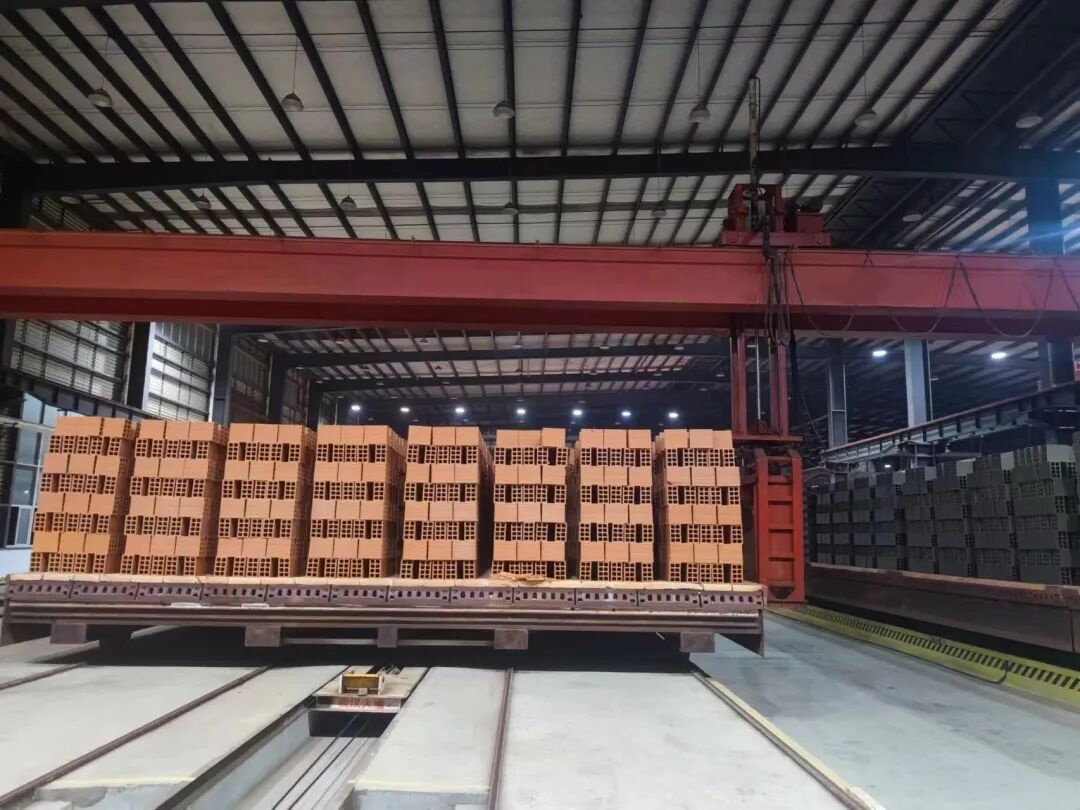
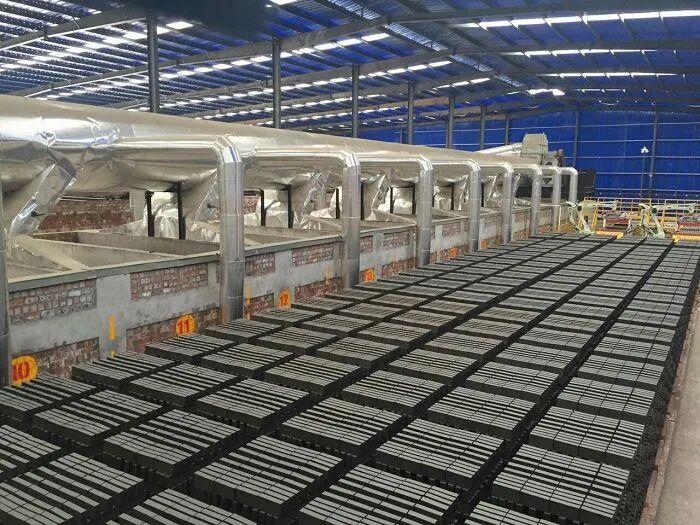
Many production sites fail to follow the professional stacking principle of "dense top and sparse bottom", resulting in low ventilation resistance at the brick stack top and excessive resistance at the bottom. This irrational structure blocks bottom fire movement and forms severe top fire advance phenomenon. Optimizing kiln stacking technology is the fundamental solution to this defect.
Third, mismatched kiln bed structure and damper parameters for internal and external combustion processes cause abnormal bottom air volume.
For internal combustion bricks, overly high and sparse kiln beds plus overly high and close manual dampers and short kiln door spacing lead to excessive bottom air volume and scattered bottom fire. For external combustion bricks, overly dense and short kiln beds, together with high-ash fuel that blocks ventilation channels, result in poor bottom air circulation. Precise parameter matching based on firing processes is mandatory for balanced firing.
Fourth, insufficient overall kiln ventilation induces severe reverse fire faults.
Low damper height, over-dense brick stacks with excessive ventilation resistance, or blocked flue ducts will weaken overall kiln air circulation, hinder bottom fire advancement and cause reverse fire. Regular equipment inspection, parameter calibration and flue cleaning are essential for stable ventilation systems.
Fifth, irregular fire hole stacking leads to uneven fuel distribution and insufficient bottom combustion heat.
Fire hole hollowing and bridging phenomena prevent coal fuel from falling evenly to the kiln bottom, resulting in incomplete bottom firing. Standardizing fire hole stacking operation can ensure uniform fuel falling and full combustion of bottom brick blanks.