Tile Factory Investment Analysis: ROI and Application Value of Automatic Hydraulic Clay Roof Tile Press Machine
Driven by global residential renovation, luxury villa construction and heritage‑building restoration projects across Europe, Latin America, Southeast Asia and Africa, demand for high‑quality fired clay roof tiles keeps steady year‑on‑year growth. Unlike commodity building materials trapped in fierce price competition, custom‑profiled clay tiles, special fitting tiles and premium terracotta roofing components carry healthy profit margins. These products are widely specified for high‑end private villas, resort hotels, local heritage building rehabilitation and boutique commercial projects, representing a profitable niche for brick‑and‑tile manufacturers and new investors worldwide.
Traditional brick‑and‑tile business models heavily rely on mass‑produced standard tiles to generate revenue. As market competition intensifies, profit margins for plain standard roof tiles continue to shrink. Low product differentiation, saturated markets and unstable bulk orders have become common bottlenecks for many tile producers. Meanwhile, regional projects constantly require non‑standard profiles: curved interlocking tiles, ridge tiles, eave fittings, corner pieces and special shapes for local architectural styles. Very few local factories can flexibly produce these mixed‑batch custom components, creating obvious market gaps and product premiums. This custom‑tile segment has become one of the main transformation directions for tile factories in recent years.
For new investors planning to launch a tile plant, as well as existing plant owners considering capacity upgrading, equipment selection directly determines investment risk and long‑term market competitiveness. Many buyers face a typical dilemma. If they purchase a large full‑automatic extrusion tile line, they need very high upfront capital, large workshop space, complete supporting utilities and experienced technical operators. When market orders fluctuate, large‑scale production equipment may sit idle, bringing substantial financial pressure. On the other hand, buying low‑cost semi‑mechanical presses leads to inconsistent tile quality, limited shape options, and inability to bid for high‑margin custom projects, leaving profit potential untapped.
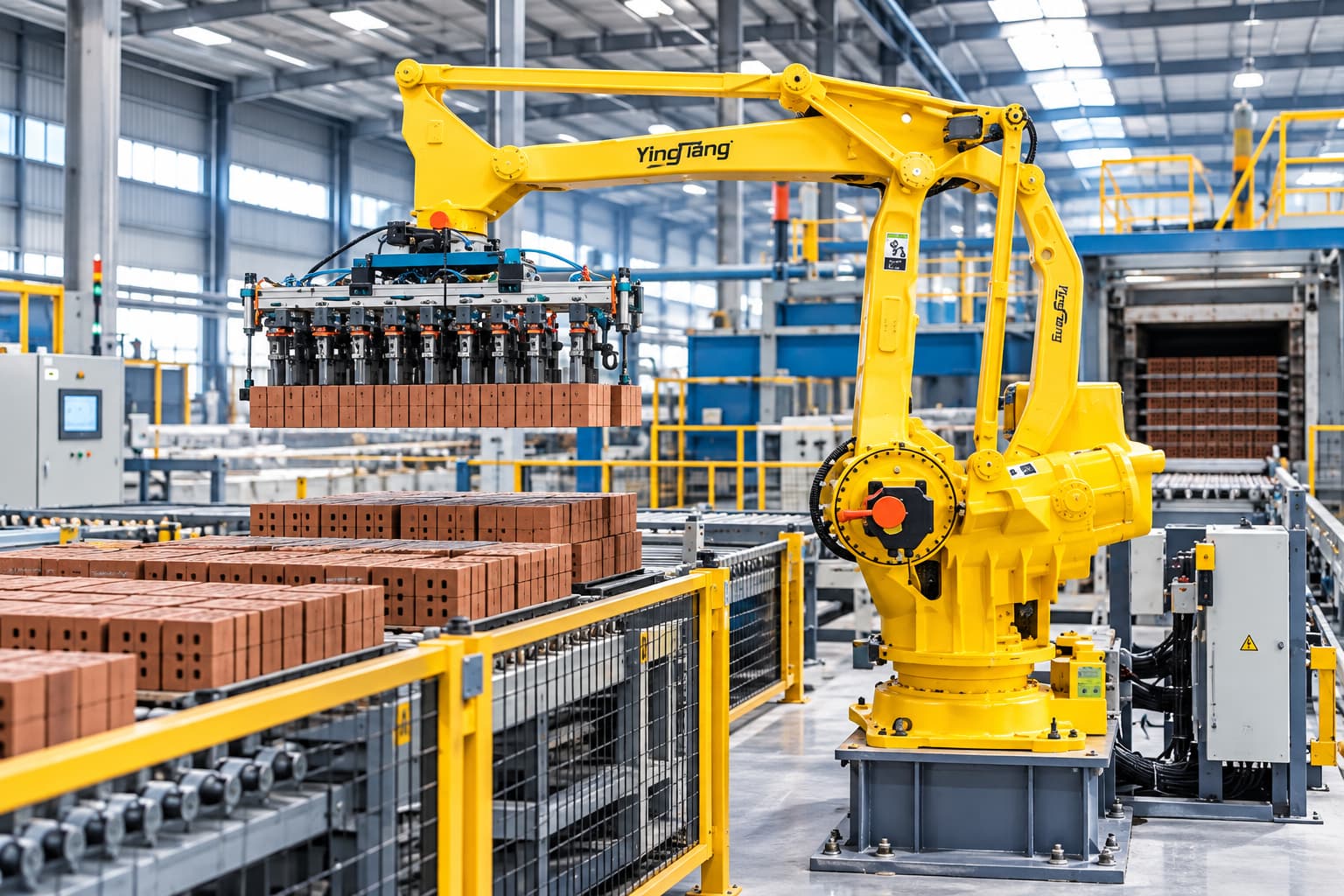
Under such market conditions, the Automatic Hydraulic Clay Roof Tile Press Machine stands out as a cost‑effective investment solution for small‑to‑mid size tile producers. Optimized for mixed‑batch, high‑margin custom tile production, it addresses two major pain points: excessive investment risk of large extrusion lines and low profitability of basic mechanical equipment. It helps factories build a stable, flexible production model targeting niche roofing‑material markets.
In terms of capital‑expenditure control, this hydraulic clay roof tile press machine features a comparatively low entry threshold. Compared with complete extrusion‑based tile production lines, it cuts initial equipment investment by more than 70 %. It does not demand huge plant areas, and its requirements for water, power and auxiliary facilities are moderate. The machine occupies limited floor space and can be commissioned inside compact workshops, well‑suited for green‑field projects and existing‑plant retrofits. Furthermore, its automated workflow lowers recurring labour expenditure. The hydraulic structure delivers reliable performance with straightforward routine maintenance, effectively reducing long‑term operating‑and‑maintenance costs.
From profit and return‑on‑investment perspective, its core strength lies in supporting diversified small‑batch custom manufacturing. Plant operators can quickly respond to project orders for villas, resort complexes, heritage rehabilitation and premium commercial buildings. Custom‑shaped fitting tiles commonly achieve unit profit 2‑3 times higher than mass‑produced standard tiles, with relatively less competitive pressure. Even operating with moderate daily output, manufacturers can obtain solid economic returns. Thanks to fast‑change mold design, one host machine can roll out multiple tile profiles. Factories can continuously expand their product portfolio according to local market preferences and build differentiated advantages instead of competing purely on price for generic standard tiles.
Regarding system compatibility and expandability, the automatic hydraulic tile press offers excellent general adaptability. Green tile bodies pressed by this machine are fully compatible with conventional dryers and tunnel kilns widely adopted in the brick‑and‑tile sector. There is no requirement to replace existing thermal‑processing equipment, which greatly lowers retrofitting costs for old plants. For new investors, production capacity can be expanded step‑by‑step as incoming orders grow. Phased investment avoids the risk of over‑spending on full‑scale equipment at the very beginning.
Target customer groups include building‑material entrepreneurs, traditional brick plants expanding roof‑tile product ranges, roofing‑material traders shifting toward in‑house manufacturing, and component suppliers focusing on villa, resort and heritage‑renovation supplies. It serves as a low‑risk, high‑return multi‑purpose core equipment for small‑and‑medium tile factories to break profit bottlenecks.
FAQ
Q1: Is an automatic hydraulic clay tile press worth investing for small tile factories?
A: Definitely yes. It features low initial investment, small footprint, low running cost and high profit potential for custom‑profile tiles. It solves the pain point of narrow product portfolios and thin margins for small‑scale producers, with moderate investment risk and reasonable pay‑back timeline.
Q2: Can hydraulic tile presses work with existing dryers and tunnel kilns from brick plants?
A: Fully compatible. Green tiles pressed by the hydraulic clay roof tile press machine can go directly into conventional drying rooms and tunnel kilns. No major modification or replacement of thermal equipment is required.
Q3: What profit advantages come with small‑batch custom clay roof tiles?
A: Custom‑shaped roof tiles and fitting components face limited local competition and carry higher added value. Unit profit is significantly above mass‑produced standard tiles, bringing stable revenue for manufacturers.
Q4: What is the typical pay‑back period for investing in this hydraulic tile press?
A: Based on real‑world industry operation data, with stable incoming orders, most operators can recover equipment investment within 1‑2 years, with low risk and sustained long‑term earnings.
Q5: Can this machine help tile factories build differentiated market competitiveness?
A: Yes. By enabling multi‑profile custom tile production, factories can escape brutal price wars on generic standard tiles and capture high‑value custom‑roofing‑material market segments to establish unique competitive edges.