0102030405
The Secret to High Output and Quality in Sintered Brick Drying
2026-06-01
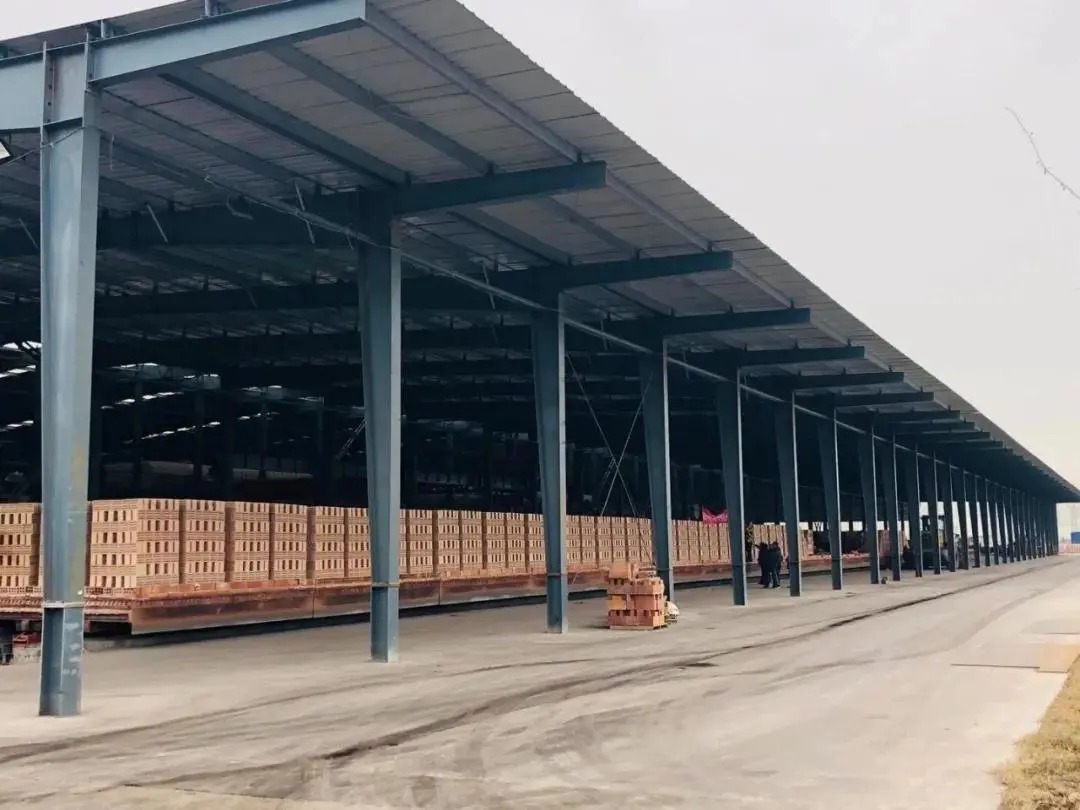
In the industrial production of sintered bricks, most manufacturers focus on upgrading firing systems to raise productivity. However, field production proves that sintered brick drying is the primary bottleneck restricting production capacity and product quality, far more critical than the firing process. No matter small factories using natural drying and annular kilns, or modern production lines equipped with secondary brick setting and one-time brick setting tunnel kilns, the drying of wet brick green bodies always determines the overall economic benefits of the plant.
To achieve stable and efficient sintered brick drying, it is essential to fully understand moisture sources and existing forms inside brick green bodies. The moisture in green bodies is classified into three categories: free water, adsorbed water and chemically bound water. Free water, also called mechanical water or free moisture, stays between raw material particles and capillaries. It has weak binding force and is the main moisture removed during the drying process. The loss of free water will cause volume shrinkage of green bodies, which directly affects drying quality.
Adsorbed water adheres to the surface of raw material particles. Its content changes reversibly with ambient temperature and humidity, and it will not lead to green body deformation after evaporation. Chemically bound water is integrated into mineral molecular structures with strong binding force. It cannot be removed in conventional drying chambers, and can only be discharged at 430℃ to 750℃ in the preheating zone of the firing kiln. Besides, the content of chemically bound water in raw materials is relatively low.
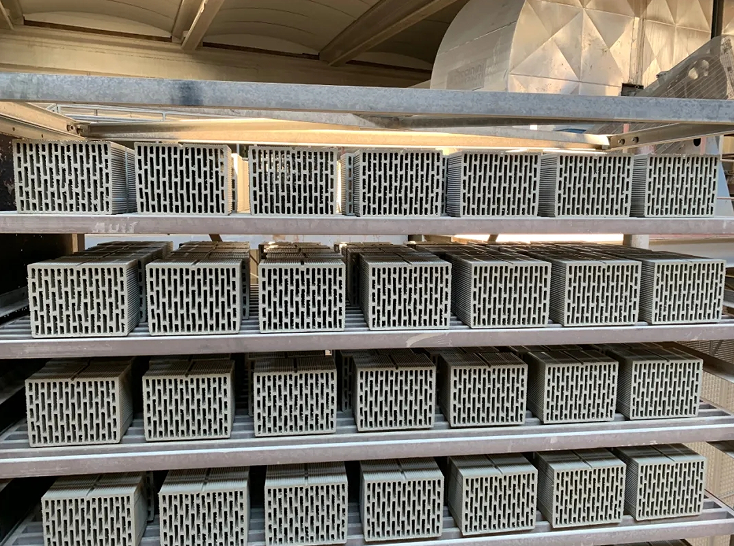
From a technical perspective, moisture in brick green bodies mainly comes from raw material inherent moisture and process water added during mixing and extrusion. Water addition in primary stirring, secondary stirring and extruder molding directly decides the initial moisture content of wet green bodies. Many factories blindly pursue higher output by reducing extrusion pressure, which lowers green body strength and increases moisture content, bringing huge challenges to sintered brick drying.
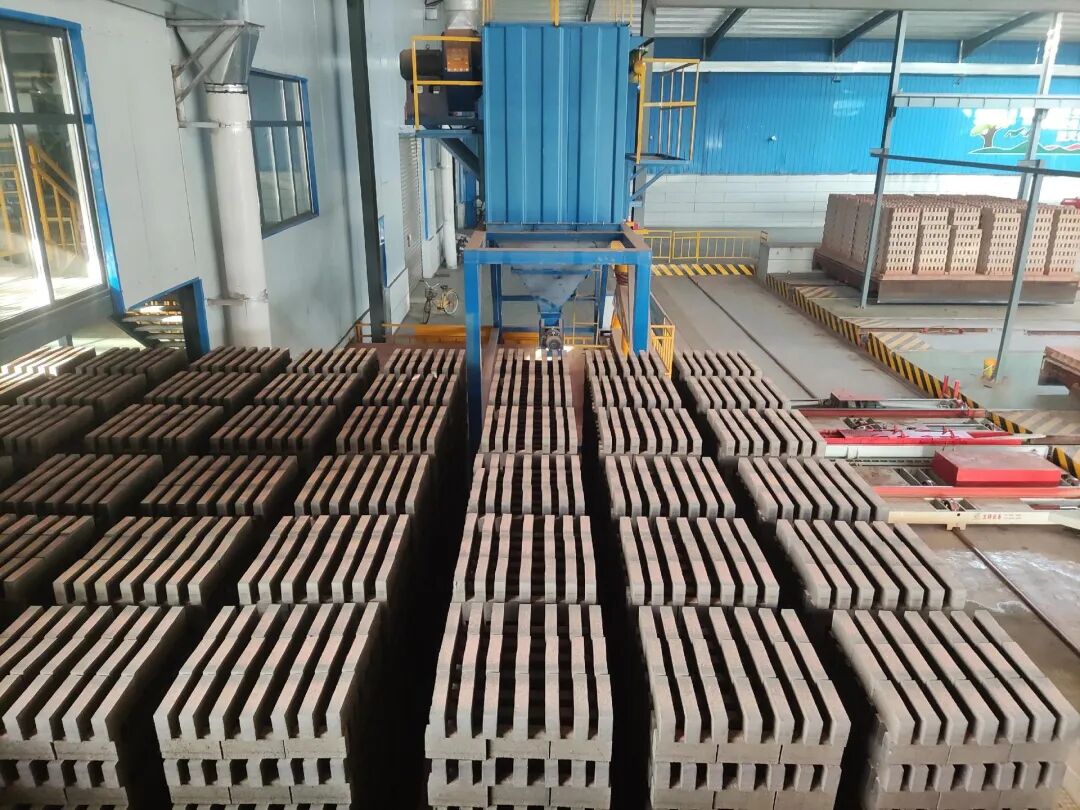
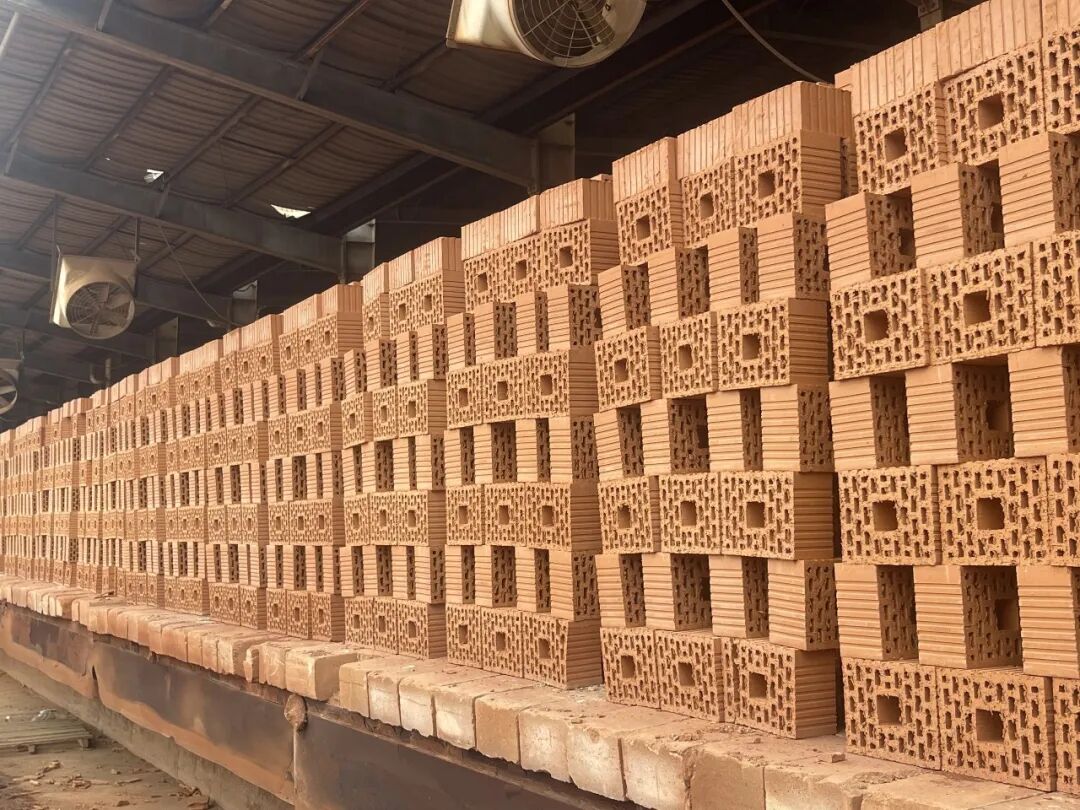
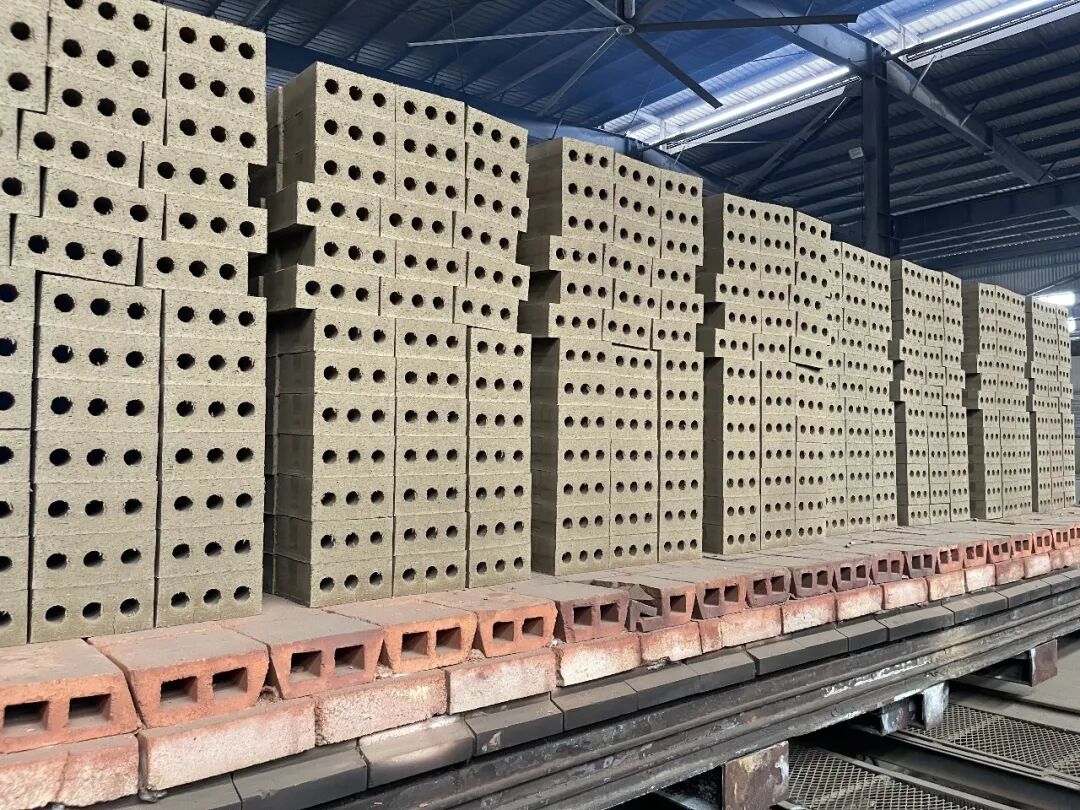
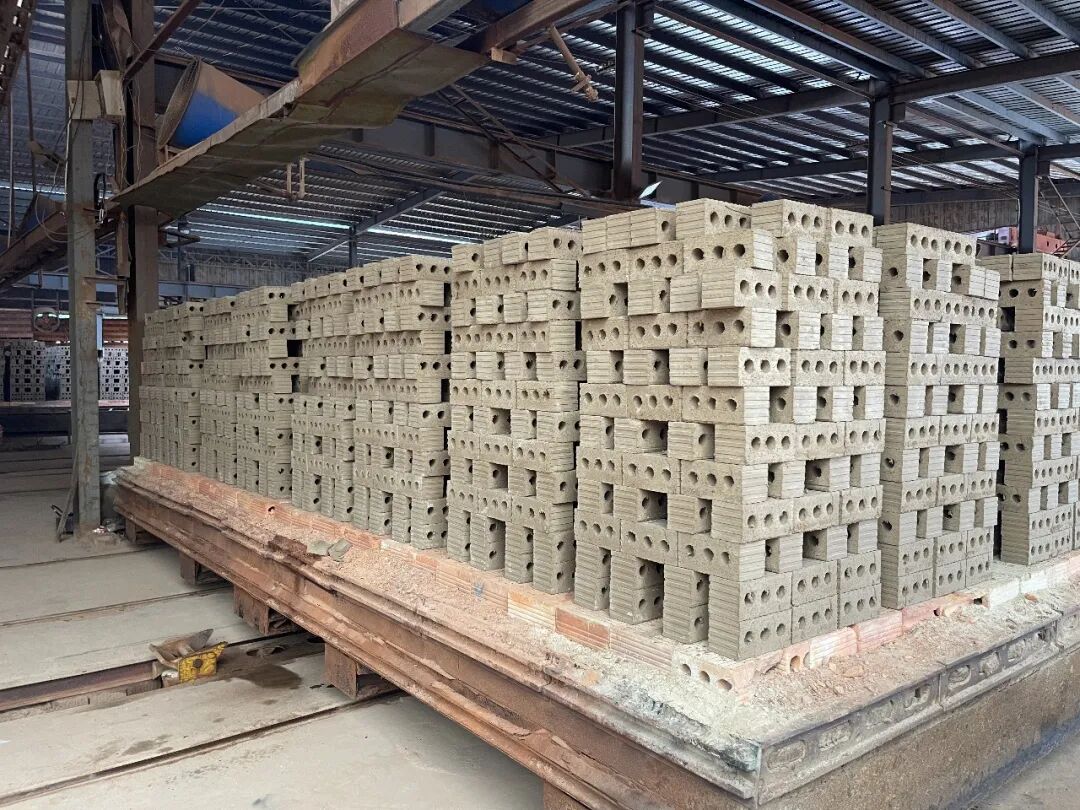
Unreasonable green body stacking is another common problem. Over-height stacking exceeds the bearing capacity of bottom bricks, triggering deformation and cracking during drying and firing, and greatly reducing the finished product rate. For this reason, professional sintered brick manufacturers adopt low-moisture molding technology on the premise of keeping green bodies stable. Controlling free moisture within a reasonable range is the core to improve drying efficiency, stabilize product quality and maximize production profits.