Technical Handbook: Turning Low‑Grade Coal Gangue into Durable Fired Bricks for Building Construction
Coal gangue is massive solid waste discharged during coal mining operations. Converting low‑grade coal gangue into durable fired brick is a practical circular‑economy solution for mining zones. Nevertheless, low‑grade coal gangue normally features unstable calorific value, poor plasticity and harmful trace minerals. Without standardized technical handling, manufacturers will face forming difficulty, cracking, black core, lime bursting and efflorescence. This article delivers field‑proven operational know‑how covering raw‑material testing, internal‑combustion firing control, vacuum extruder forming optimization, drying‑firing configuration and typical defect troubleshooting for your custom brick‑making solution.
Before you invest in brick‑making production, coal gangue samples must go through comprehensive physical‑chemical inspection and sintering thermal test. Test items cover chemical composition, calorific value, plasticity index, drying sensitivity coefficient, particle‑size distribution, hardness, drying linear shrinkage, firing linear shrinkage, firing‑temperature range, water‑absorption rate after sintering, lime bursting test and efflorescence test. Mineral composition test shall be supplemented when necessary.
Test outputs determine whether coal gangue is suitable for brick‑making, which brick varieties (solid bricks, hollow bricks, hollow blocks) can be manufactured, and define specifications for raw material preparation system, forming equipment and tunnel kiln. Never start construction without lab‑supported data.
Special operation tip for plasticity‑index measurement: crush all test specimens below 1 mm and apply liquid‑plastic limit combined tester. Particle size imposes huge influence on plasticity index measurement. For example, shale crushed below 1 mm gets plasticity index 7.2, yet plasticity index rises to 11.2 when crushed below 0.5 mm. Laboratory 1 mm upper‑limit particle size is close to practical production target 2 mm. Coarse particles will jam the test cone and produce unreliable test results.
No dedicated national testing standard exists for coal‑gangue calorific‑value. The industry universally applies GB/T 213‑2003 Test Method for Calorific Value of Coal. Empirical industrial calculation formulas cannot be adopted for coal gangue feedstock.
Coal gangue fired brick production relies on internal‑combustion firing process. Calorific‑value acts as the core technical parameter. When calorific‑value reaches around 450 × 4.17 kJ/kg, pure coal‑gangue feedstock can realize full internal‑combustion brick‑making with zero extra fuel addition. The maximum permissible calorific‑value for 100 % coal‑gangue feedstock is 600 × 4.17 kJ/kg.
If over‑internal‑combustion occurs, extend firing time and deploy customized lengthened tunnel kiln. Install double kiln gates at kiln inlet and outlet. Equip auxiliary systems: waste‑heat recovery unit, flue‑gas reburning device, flue‑gas damper regulation system, circulating‑air system, rapid‑cooling combustion‑supporting system, kiln‑outside forced‑air blowing system, kiln‑bottom balanced cooling system and surplus‑heat exhausting system. These installations ensure slow combustion of excess combustibles inside green brick green body, delivering finished bricks achieving MU20 strength grade or higher.
If coal gangue calorific‑value is insufficient, mix proper raw coal or middling coal. External kiln fuel feeding is not encouraged, as it increases particulate‑matter concentration in flue gas. If calorific‑value is too high, blend non‑calorific brick‑making materials such as shale, clay or burnt coal gangue. When blending materials are unavailable, carry out screening, air separation, flotation or low‑temperature decarbonization treatment, and adjust comprehensive feedstock calorific‑value near 450 × 4.17 kJ/kg.
Most low‑grade coal gangue is massive rock with low plasticity index (except materials containing montmorillonite), which creates obstacles for wet plastic extrusion forming. Five practical field‑proven solutions can address low‑plastic‑material forming problems:
- Upgrade crushing fineness: crush raw‑material particles below 2 mm for ordinary bricks; crush below 1 mm for thin‑wall high‑hole‑rate products. Re‑grind over‑size particles to 0.5 mm and remix to optimize particle gradation and improve plasticity of mixed feedstock.
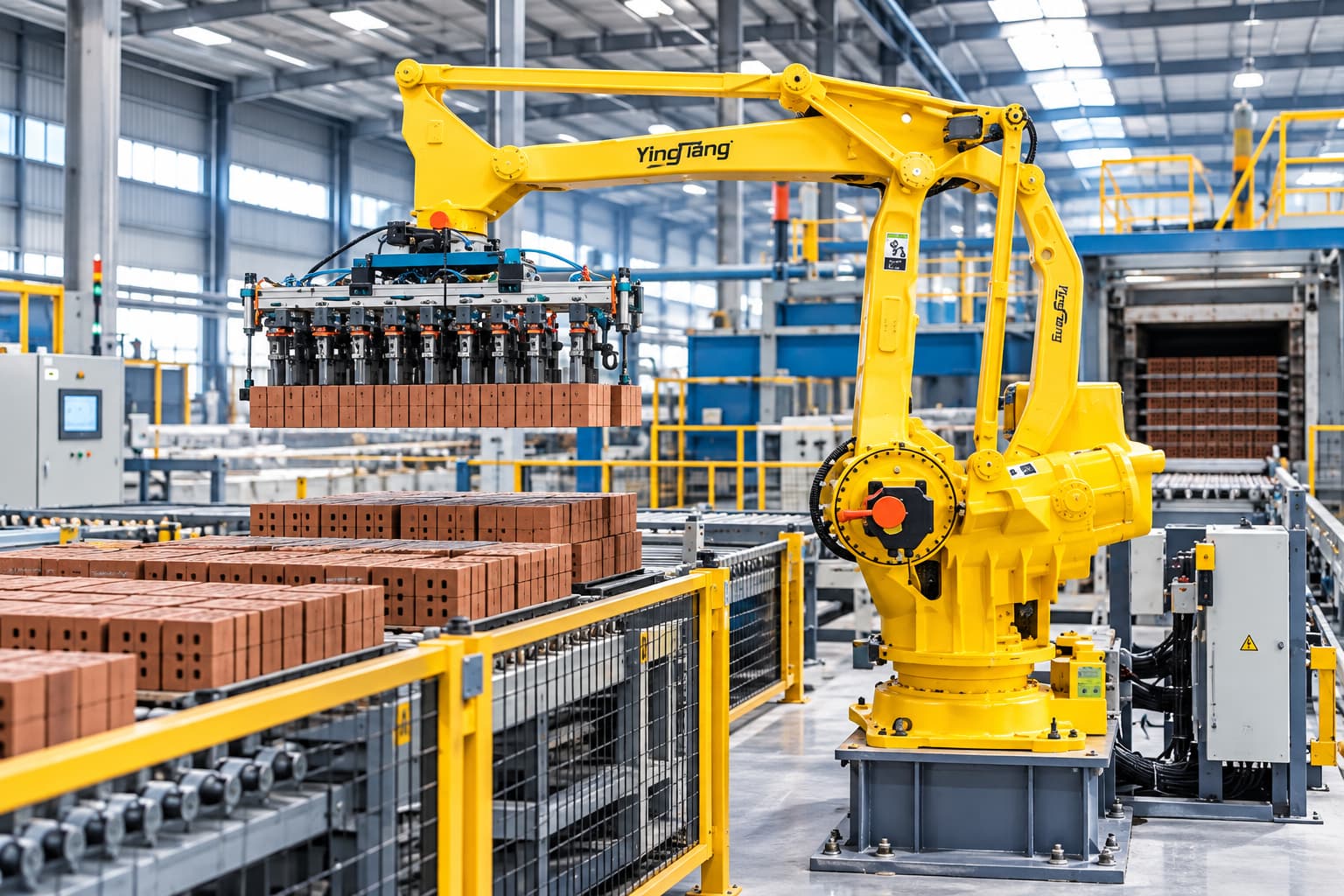
- Deploy heavy‑duty hard‑extrusion vacuum extruder. Modern brick‑making vacuum extruder achieves extrusion pressure above 4.0 MPa, forming‑moisture can drop to 13 %. It can produce high‑quality green bodies for raw materials with plasticity index as low as 5.
- Mix high‑plastic‑performance raw materials including silt, shale and clay. Maintain accurate proportioning and thorough mixing. For raw‑material combinations with large density difference, use wheel roller mill and disc‑screw kneader for intensive kneading besides conventional mixing machines.
- Install steam‑heating unit on mud mixer before vacuum extrusion. Steam can be sourced from waste‑heat boiler matched with tunnel kiln. Steam‑heated mud presents better plasticity, reduces extruder operating load and shortens drying time for wet green bodies.
- Adopt two‑stage vacuum mud refining workflow. Mud material goes through vacuum pug mill for primary vacuum kneading before entering main brick‑making extruder. Multiple vacuum‑kneading steps enhance mud plasticity, raise green‑body density, improve wet‑brick strength and surface appearance.
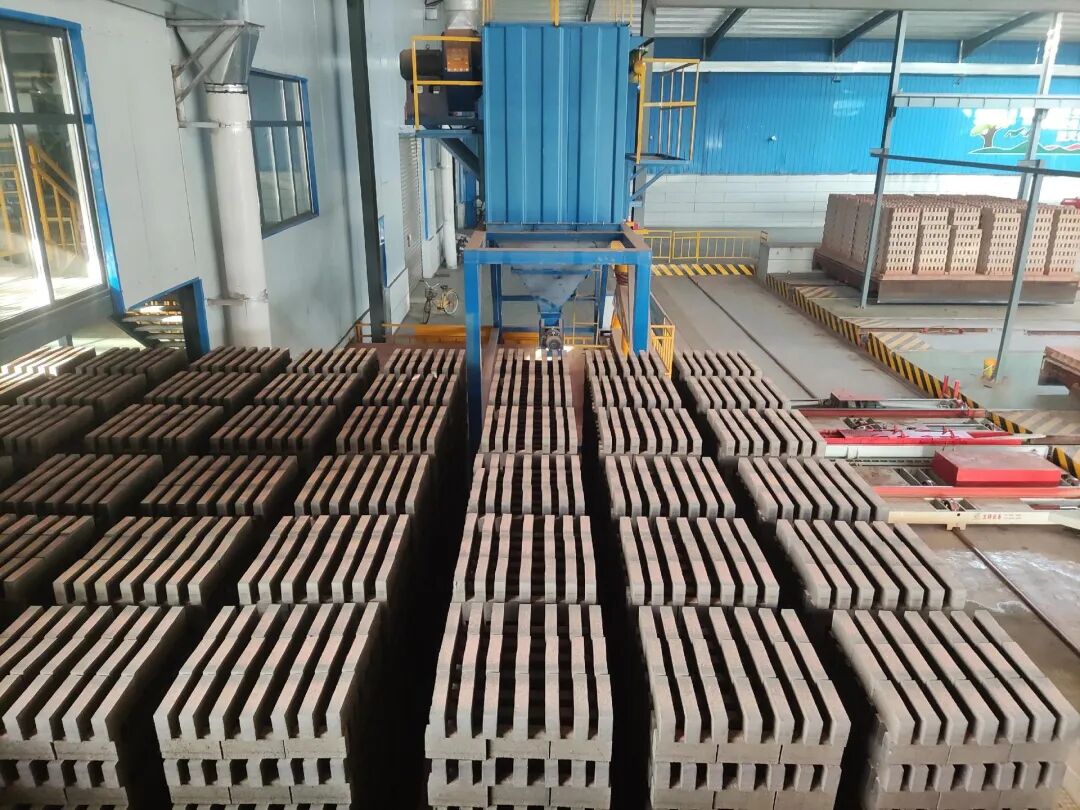
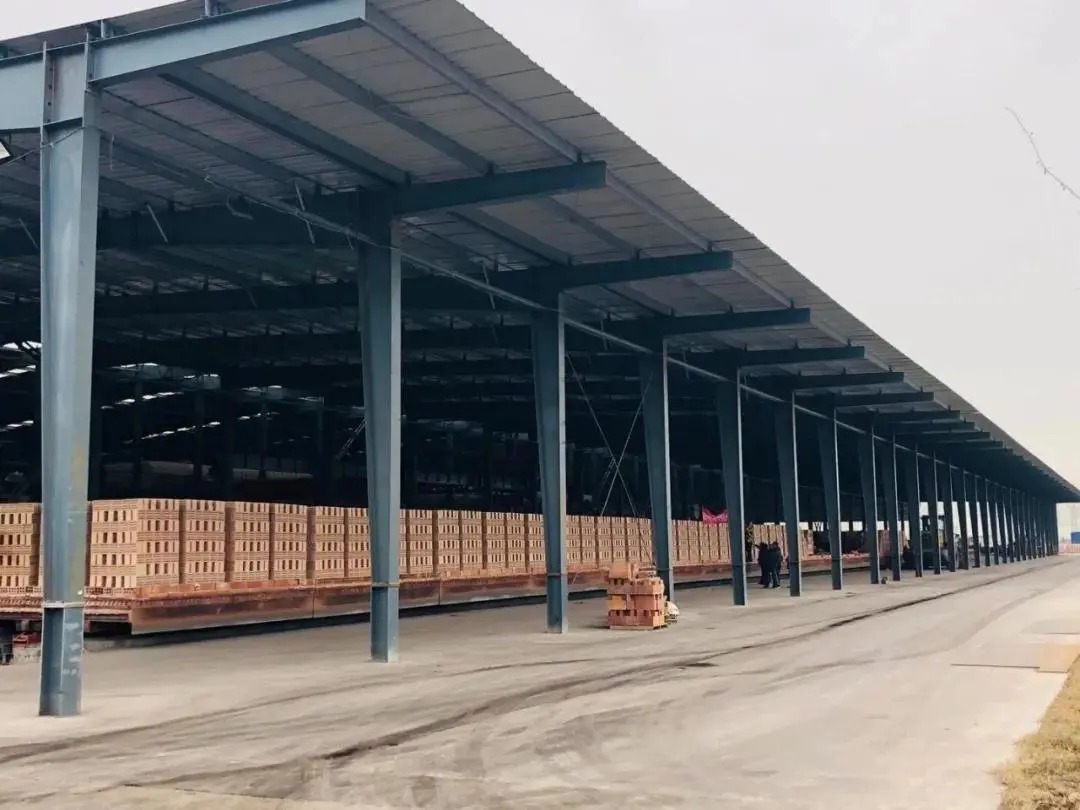
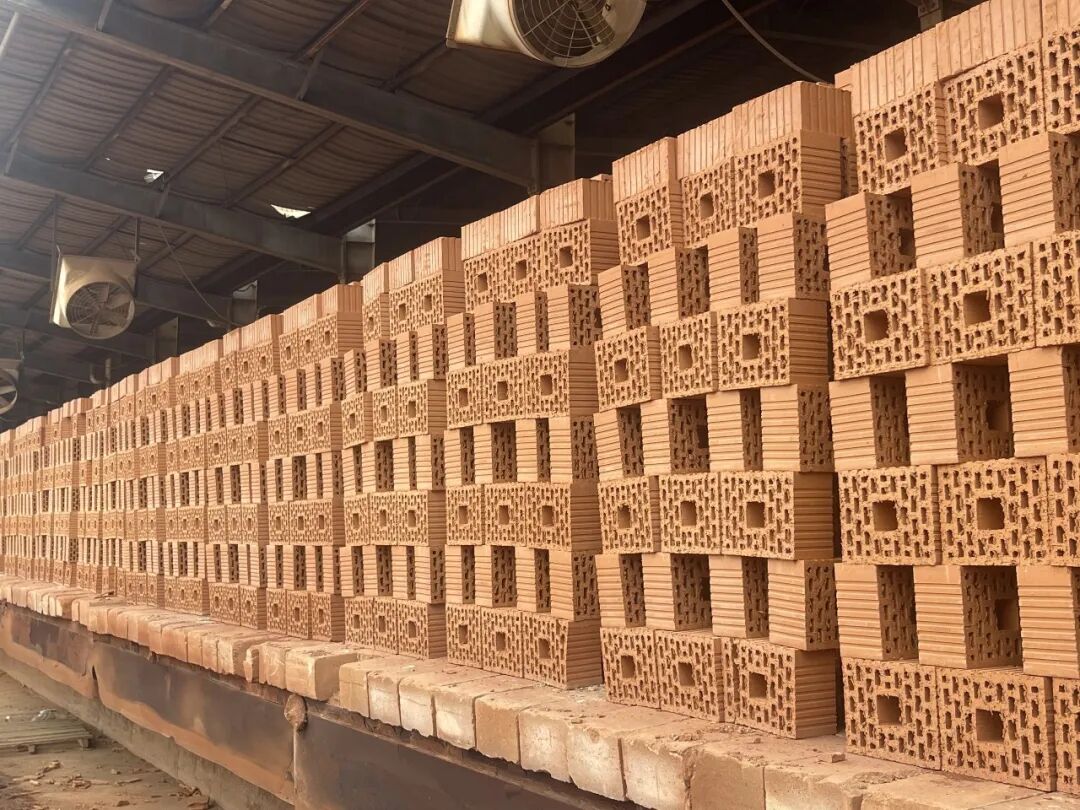
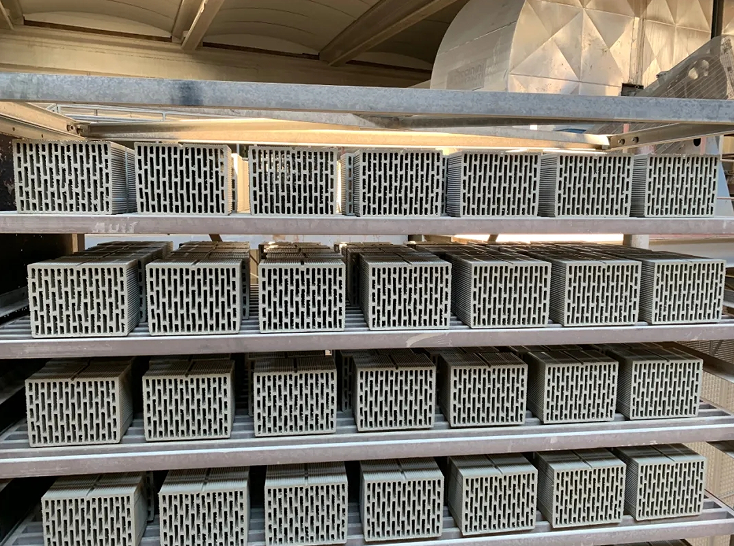
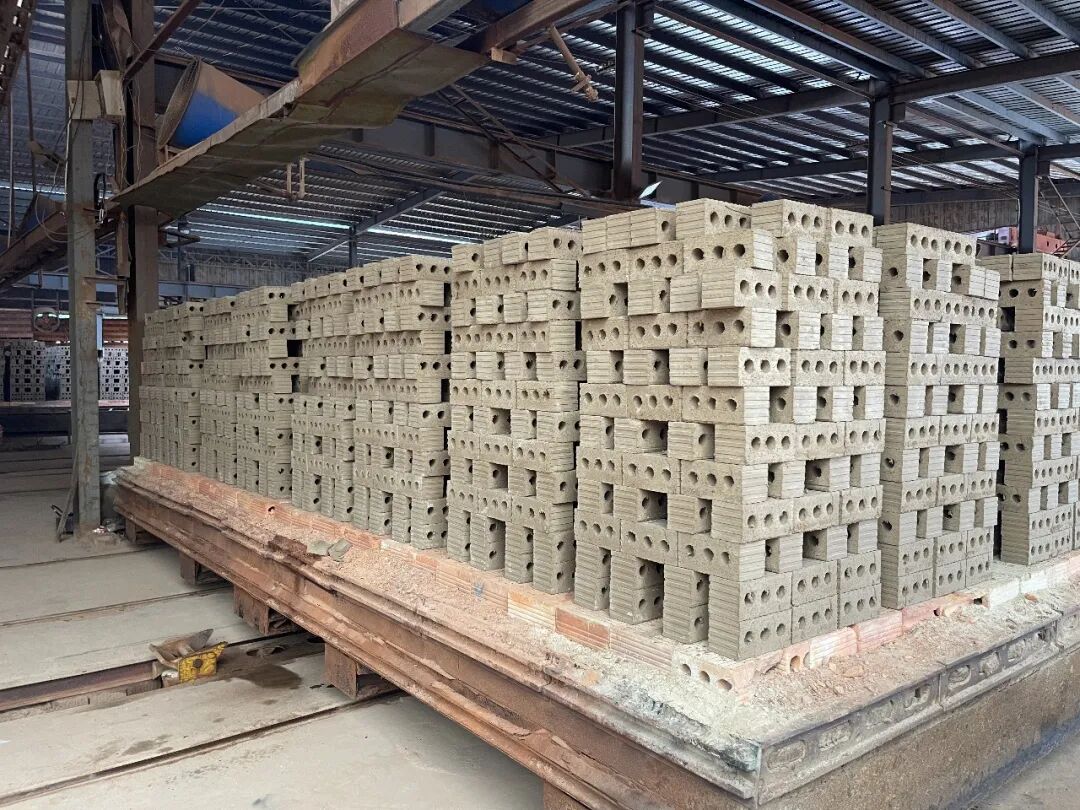
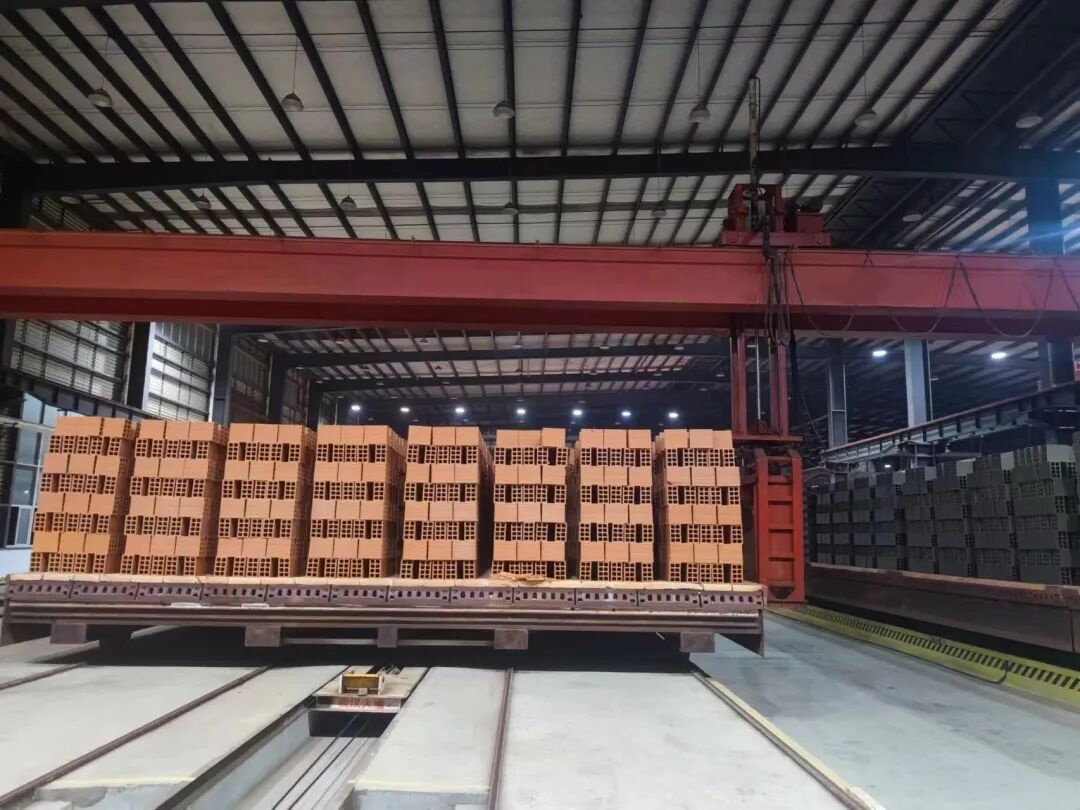
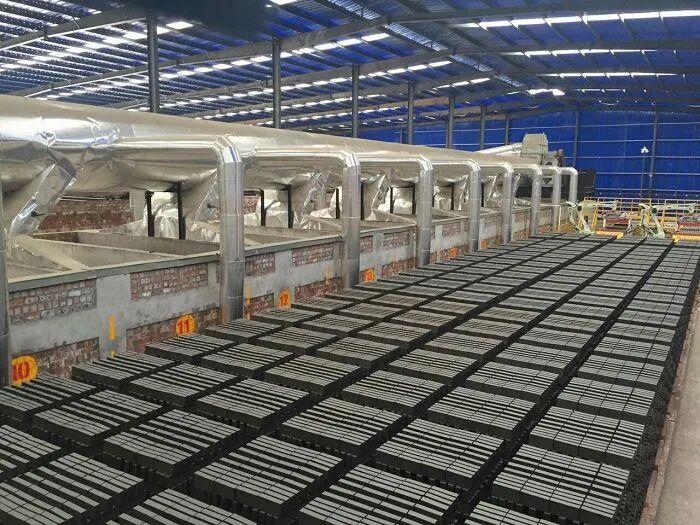
For high‑quality full coal‑gangue fired brick, select one‑time stacking‑firing process. Implement smoke‑heat‑separation technical solution with independent tunnel drying chamber and tunnel firing kiln. Separate drying and firing chambers support independent parameter adjustment, prevent brick cracking defects and facilitate flue‑gas treatment to satisfy environmental‑protection emission requirements.
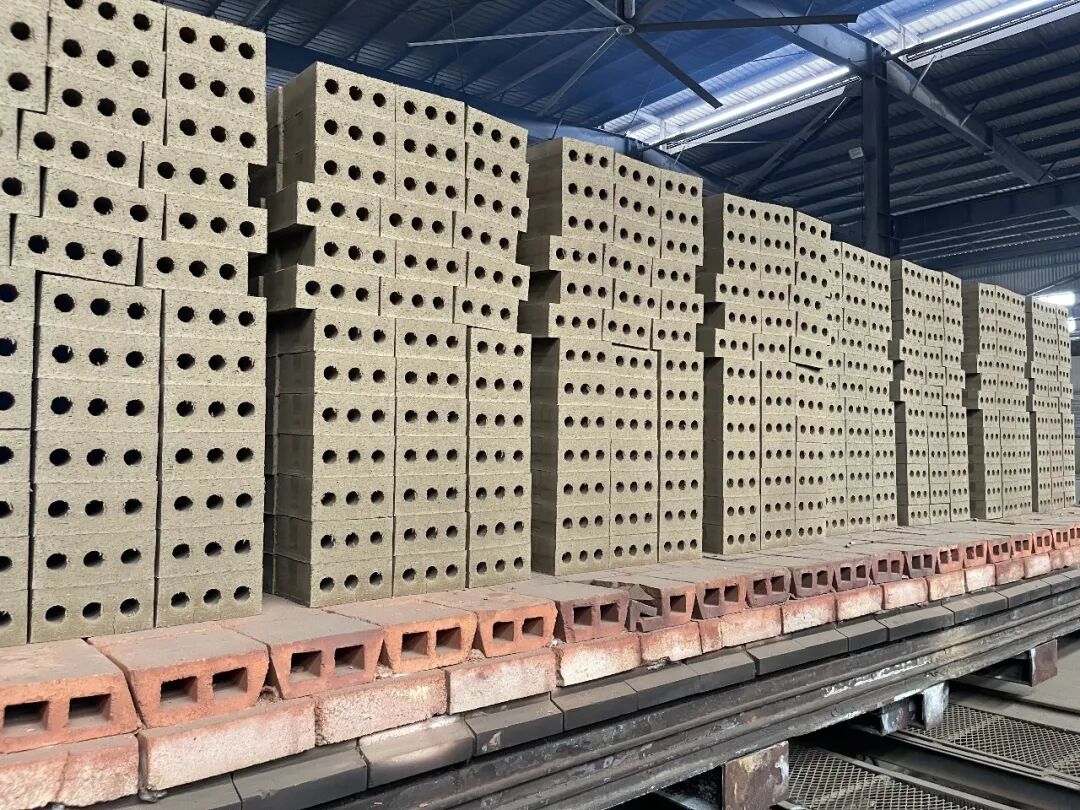
One‑time stacking‑firing requires multi‑layer stacking of green brick green body on kiln cars. Stacking contact surfaces easily produce black‑spot pressing marks and spoil appearance. Apart from low‑temperature slow‑firing technology, spread thin sand layer on top of wet bricks to increase inter‑layer air circulation. Or change stacking pattern from upright‑setting to flat‑laying, so pressing marks appear on cutting surfaces and do not damage visible brick faces.
Low‑grade coal gangue contains harmful mineral ingredients, which cause lime bursting and efflorescence defects.
- Lime bursting: calcite and limestone impurities turn into quicklime CaO in high‑temperature firing. After kiln discharge, quicklime absorbs moisture and turns into slaked lime with sharp volume expansion, breaking brick structure. Crushing raw‑material particle size below 2 mm and soaking hot‑out‑of‑kiln bricks with saturated water can effectively avoid lime bursting damage.
- Efflorescence: soluble salts such as magnesium sulfate and sodium sulfate are generated during firing. Salts migrate with water inside bricks and precipitate white crystalline powder after water evaporation. Improve raw‑material fineness and extend firing & heat‑preservation duration, converting soluble salts into water‑insoluble silicates to mitigate or eliminate efflorescence.
Black‑core cross‑section frequently appears on internal‑combustion coal‑gangue bricks. Two root causes: inadequate firing temperature & holding time leading to incomplete internal combustion; rapid temperature rise causes early surface sintering and oxygen‑deficient reduction inside brick green bodies. Optimize heating‑up rate and extend low‑temperature firing section, guarantee sufficient oxygen penetration inside green bodies, reduce over‑fired black‑core bricks and eliminate under‑fired black‑core defects.
For special low‑grade coal gangue with distinctive chemical, physical and mineral‑composition features, adopt targeted technical measures to produce high‑quality fired brick products.
FAQ
Q1: What is the significance of sintering thermal test for coal gangue brick‑making projects?
A: Sintering thermal test validates firing‑temperature window, shrinkage performance and defect risk; it supports equipment and tunnel kiln parameter design.
Q2: How to adjust calorific‑value for coal gangue raw‑material in internal‑combustion brick‑making?
A: Target calorific‑value around 450 × 4.17 kJ/kg. Adjust via blending high/low‑calorific materials or decarbonization pretreatment. Upper limit 600 × 4.17 kJ/kg.
Q3: What key improvements help low‑plastic coal gangue realize stable extrusion forming?
A: Fine crushing, high‑pressure vacuum extruder, high‑plastic‑material blending, mud steam heating and two‑stage vacuum mud refining.
Q4: What benefits does smoke‑heat‑separation one‑time stacking‑firing bring for coal gangue brick plant?
A: Separate control for drying and firing; reduce cracking defects; simplify flue‑gas treatment; improve finished‑brick yield rate.
Q5: How do you solve black‑spot pressing‑mark defects in one‑time stacking‑firing coal gangue bricks?
A: Low‑temperature slow‑firing; spread thin sand between layers; change brick stacking posture from upright‑setting to flat‑laying.
Q6: What are common quality defects of coal‑gangue fired bricks and corresponding countermeasures?
A: Lime bursting: fine crushing + hot‑brick soaking; efflorescence: finer crushing + extended firing holding time; black‑core: slow heating‑up + prolonged low‑temperature firing.