
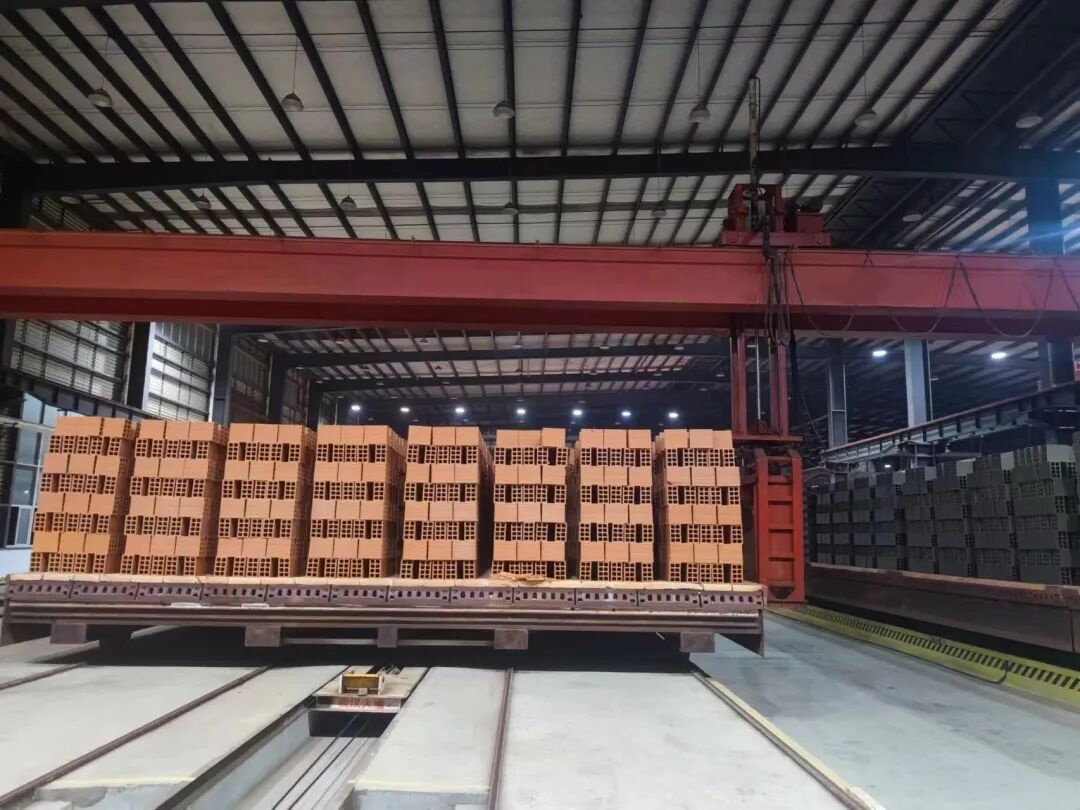
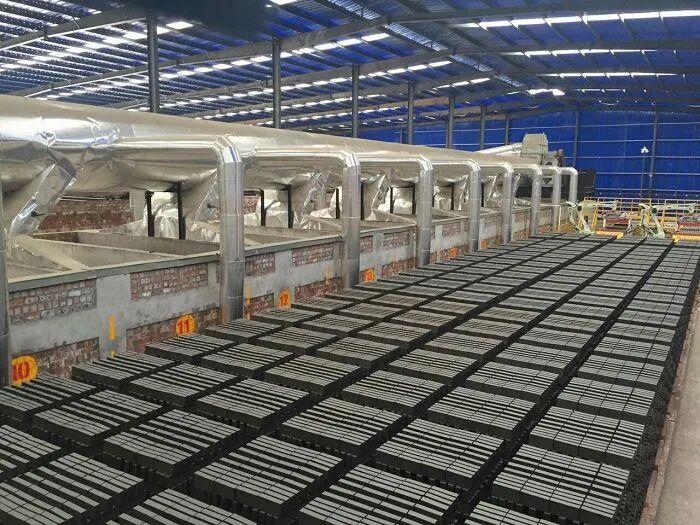
Sustainable Thermodynamics: Industrial Tunnel Kiln Energy Recycling for Higher Brick Yields
For modern brick manufacturing facilities, converting tunnel kiln waste heat into the vital heat source for the brick drying chamber is the single best way to cut daily fuel costs. However, poorly designed engineering setups generate severe technical side effects, destroying product quality and attacking the surrounding industrial environment. As market standards trend toward high-precision "two-step setting" (twice-firing) lines for high-insulation block manufacturing, deploying a balanced, zero-harm thermal recovery loop is a critical commercial necessity.
1. Debunking the Pitfalls of Direct Firing-Zone Extraction
Many plants attempt to save energy by drawing mid-temperature waste heat from the kiln tail and blending it with high-temperature flue gases sucked directly from the firing zone. This operational shortcut brings five major manufacturing disasters:
-
Disrupted Combustion Stability: Pulling thermal energy directly from the baking area triggers an unstable air pressure balance. The firing front drifts erratically, making predictable tunnel kiln management impossible.
-
Saturated Air and Wet Bricks: Because combustion flue gas contains massive moisture, transferring it into the brick drying chamber spikes the relative humidity. Evaporation drops to zero once the vapor partial pressure equalizes, trapping residual moisture far above the optimum 2% threshold.
-
Wasted Heat and High Operating Costs: This layout misses out on high-temperature sensible heat recovery. Finished bricks leave the exit gate at an average of 150°C, throwing away huge amounts of energy. Factories are forced to burn 30% more auxiliary fuel in the brick dryer to compensate.
-
Micro-Fracturing (Cooling Shock): Sucking heat recklessly alters the cooling zone temperature curve, shocking the structural clay bodies and inducing heavy breakage rates in the mid-temperature phase.
-
Severe Hardware Corrosion: Acid compounds within the flue gas quickly combine with water vapor to create a highly corrosive environment, destroying drying cars, metallic trays, automated fans, and the factory steel buildings.
2. Mastering the 3-Stage Cooling Zone Architecture
To safeguard product integrity, engineers must install an automated rapid-cooling air curtain between the soaking and cooling zones. This aerodynamic barrier prevents cold air from ruining the baking zone while maximizing the structural durability and color texture of the brick stacks.
The thermodynamics of this zone rely on three strict cooling velocities:
-
The Elastic Rapid Stage: Drops temperatures from peak calcination down to roughly 800°C (or 700°C for alternative minerals). In this hot zone, clay undergoes elastic deformation without any plastic tearing, eliminating cooling cracks.
-
The Sensitive Quartz Inversion Stage: At exactly 573°C, the free silica ($SiO_2$) within the material transitions from alpha-quartz to beta-quartz, triggering a sudden 0.82% volumetric shrinkage. Because there is no molten liquid phase left to cushion this structural shift, all active cooling or forced airflow must be shut off between 500°C and 800°C. Bricks must crawl through this section slowly using an optimized number of kiln cars.
-
The Forced Tail-Cooling Stage: From 500°C down to the final 50°C discharge mark, a powerful back-pressure fan blows cold ambient air from the kiln tail to speed up cooling. This lengthy section must be engineered with extensive track length to generate maximum clean hot air for the drying chamber.
3. De-Coupled Waste Heat Distribution Models
The advanced model utilizes a counter-current layout to isolate high-temperature air from the rapid-cooling curtain. Regulated by cold-air mixing valves, the intake gas into the recovery fan is carefully limited to 300°C. Meanwhile, the secondary low-temperature air from the roof is captured at 150°C. Both streams flow into a unified mixing plenum chamber to blend with ambient air, achieving a fully automated, independent thermal feed that decouples the kiln from the dryer.
Complementary heat-harvesting channels include:
-
Roof Insulation Cavity: Channels clean ambient air warmed to approx. 50°C above the suspended ceiling to cool the support hangers.
-
Under-Car Pressure Ventilation: Diverts the clean hot air moving toward the kiln tail into the primary drying supply line.
-
Exhaust Gas Note: Sucking flue gas out at 350°C destroys preheating efficiency. Instead, keep it inside the kiln until it drops to 100–150°C, then vent it safely through environmental filters.
Engineering Conclusions:
-
Isolating your kiln zones via rapid-cooling curtains delivers 100% clean, moisture-free hot air to your dryer.
-
Cooling zone heat recycling supplies 35% to 45% of the total kiln heat consumption, meeting the dryer's physical requirements and bringing thermal supply and demand into a near-perfect balance.
-
The setup is ideal for internal-combustion bricks with a coal-to-clay ratio below 80%.
-
For advanced automated production lines, never blow acidic flue gas into the dryer. Protecting your automation capital assets and meeting emissions standards must be your top priority.