Solving Rough Brick Surface: Improving Yield with ≤2mm Fine Crushing Technology
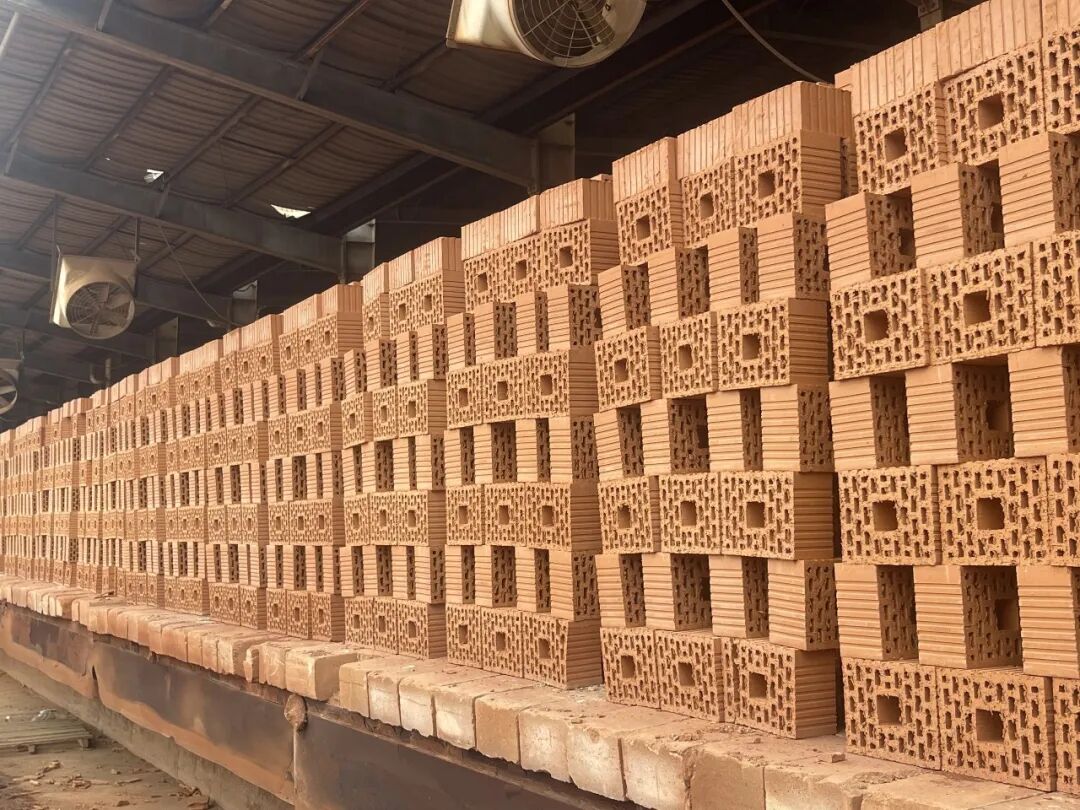
In the premium building materials market, the surface quality of a brick is not just an aesthetic concern but a direct reflection of its internal structural density.Many B2B brick plants struggle with rough surfaces, pitting, and fragile edges, leading to product downgrading and shrinking profit margins. Research indicates that 90% of surface defects originate from failed particle size control during the raw material preparation stage. By precisely crushing materials to ≤ 2mm, we not only optimize the brick's appearance but also fundamentally enhance the overall production efficiency.
1. The Science of Surface Roughness: Impact of Particle Grading
When coarse particles exceeding 3mm (especially hard shale or coal gangue) exist in the raw material, they trigger negative reactions:
-
Extrusion Tearing: Under high pressure in a vacuum extruder, large particles disrupt the flow continuity of the clay, tearing the surrounding fine material at the die exit and creating visible burrs.
-
Uneven Moisture Distribution: The core of coarse particles is often hard to penetrate with water. During drying, the massive difference in shrinkage rates between the interior and exterior causes micro-cracks.
-
Sintering Obstacles: Large particles have a smaller specific surface area, requiring more time to reach the glass phase reaction in the kiln, resulting in an uneven surface texture.
2. Technical Advantages of $\le 2mm$ Fine Crushing
By using our High Speed Fine Double Roller Crusher, raw materials are transformed into fine powder meeting high-standard requirements:
-
Micron-level Consistency: Forced extrusion ensures over 95% of the discharged material is within 2mm. This uniform grading fills gaps between particles, making the brick surface as smooth as ceramic.
-
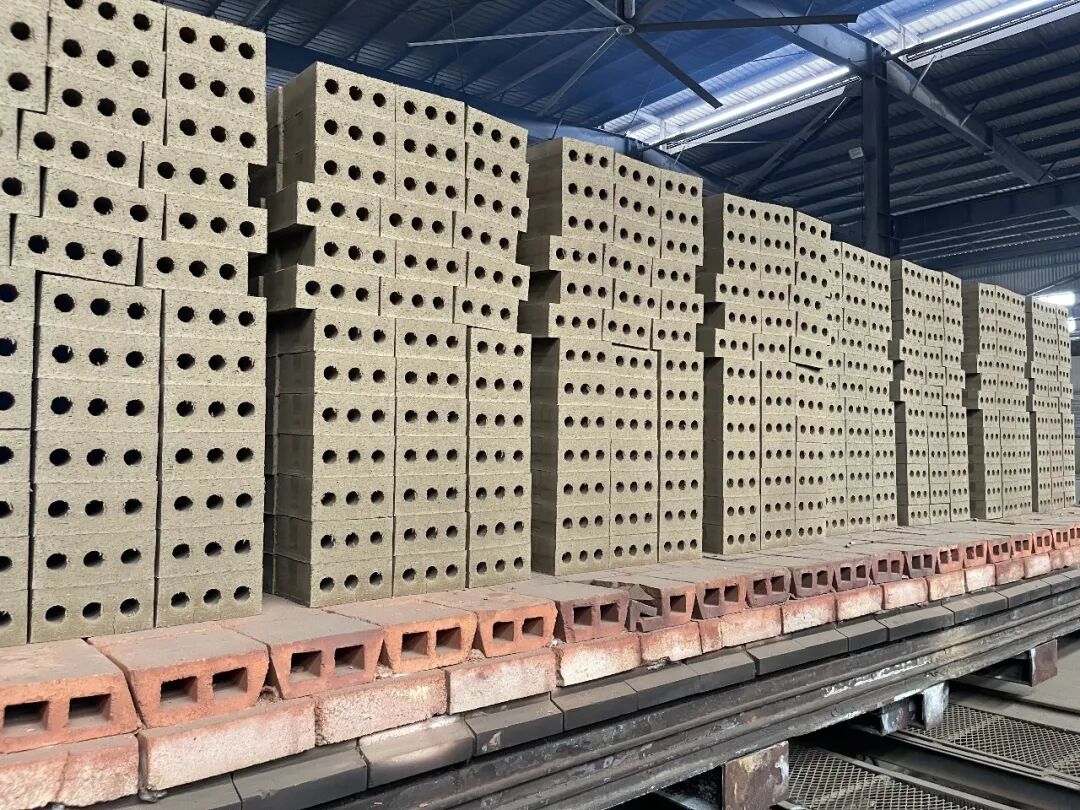
Enhanced Plasticity: Fine crushing increases the activity for bonding with water molecules, making the clay more ductile during molding, easily handling complex designs like hollow blocks or roofing tiles.
3. Why Our Equipment is the Top Choice?
To meet the stringent stability requirements of B2B customers, we prove our excellence through parametric evidence:
-
Core Material: HRC 60-62 Manganese Steel Rollers: Standard crushers often see output drift from 2mm to 5mm due to wear. We use medium-manganese nodular cast iron, maintaining a hardness of HRC 60-62 to ensure precise gaps even after processing hundreds of thousands of tons.
-
Wide Operating Range: 15-130t/h Capacity: Regardless of factory scale, our models provide a stable input-to-output ratio.
-
Anti-blockage Design: For clay with high moisture (16%-18%), built-in augers effectively cut through sticky lumps, preventing production downtime caused by material build-up.
4.Selection & Maintenance: Ensuring Long-term High Yield
To maintain $\le 2mm$ excellence, correct selection and maintenance are vital:
-
Match Hardness Specs: Always verify if roller hardness reaches HRC 60+, the first line of defense for surface smoothness.
-
Safety Mechanisms: Ensure the machine has built-in safety protection blocks. If non-crushable objects (like metal scrap) enter, the blocks disengage to protect the rollers.
-
Regular Gap Calibration: We recommend checking the roll gap every 500 hours and using our adjustment screws to quickly restore the optimal crushing state.
5. Lowering Total Costs via Technical Upgrades
Rough surfaces are not an insurmountable problem but a signal of aging equipment or outdated processes. By introducing our High Speed Fine Double Roller Crusher, you solve the aesthetic pain points and achieve cost reduction by lowering scrap rates.
Facing poor surface quality or rapid equipment wear? Contact our engineers today. We offer customized crushing solutions based on raw material sampling and analysis.