Smart Air Management in Tunnel Kilns: The Key Technology for Energy-Efficient and Automated Brick Production
With the continuous development of the global construction materials industry, modern brick factories are facing increasing demands for:
- Higher production efficiency
- Lower energy consumption
- Better product quality
- tricter environmental standards
For a modern automatic brick production line, the tunnel kiln is not only a firing unit but also the core energy management system of the entire brick factory.
Among all factors affecting kiln performance, air management in tunnel kilns plays a critical role.
Many brick manufacturers focus on upgrading machinery, increasing production capacity, or improving automation systems, while ignoring the importance of airflow balance.
In reality, efficient brick production depends on three key principles:
- Eliminating incorrect air
- Reducing useless air
- Achieving reasonable air supply
By applying scientific tunnel kiln air management technology, brick factories can reduce exhaust oxygen content, improve combustion efficiency, and build more sustainable energy-saving brick production systems.
1. Air Management: A Key Factor in Modern Brick Factory Performance
A tunnel kiln is a complex thermal system where air, fuel, temperature, and brick arrangement work together.
During firing, oxygen is required for fuel combustion. However, excessive air entering the kiln does not improve production performance.
Instead, excessive airflow may cause:
- Increased exhaust oxygen content
- Higher heat loss
- Unnecessary energy consumption
- Unstable firing conditions
- Increased environmental pressure
Therefore, controlling airflow has become an essential technology for modern brick manufacturing equipment solutions.
2. Three Principles of Efficient Tunnel Kiln Air Management
Principle 1: Eliminate Incorrect Air
Incorrect air refers to uncontrolled air entering the kiln through:
- Kiln structure gaps
- Damaged sealing areas
- Equipment connections
- Ventilation system leakage
Although these leakage points may appear insignificant, they can seriously affect kiln operation.
Common leakage locations include:
Kiln Walls
Possible problems:
- Cracks caused by thermal expansion
- Poor construction quality
- Improper pipeline design
- Observation hole leakage
Kiln Roof
Common issues:
- Gaps between roof panels
- Damaged insulation sealing materials
- Loose suspended roof structures
Kiln Cars
The kiln car is one of the most challenging sealing areas.
Because kiln cars:
- Move continuously
- Carry heavy brick stacks
- Experience repeated temperature changes
they are easily affected by:
- Mechanical damage
- Structural deformation
- Poor sealing between cars
Improving kiln car sealing is an important step for tunnel kiln efficiency improvement.
Principle 2: Reduce Useless Airflow
Besides leakage air, unnecessary airflow inside the kiln is another major issue.
A tunnel kiln requires certain gaps between:
- Kiln cars
- Brick stacks
- Kiln walls
These spaces allow movement during production.
However, excessive gaps create airflow channels where air passes through without contributing to firing.
This useless airflow may result in:
- Poor heat transfer
- Uneven temperature distribution
- Higher exhaust oxygen content
- Increased fuel consumption
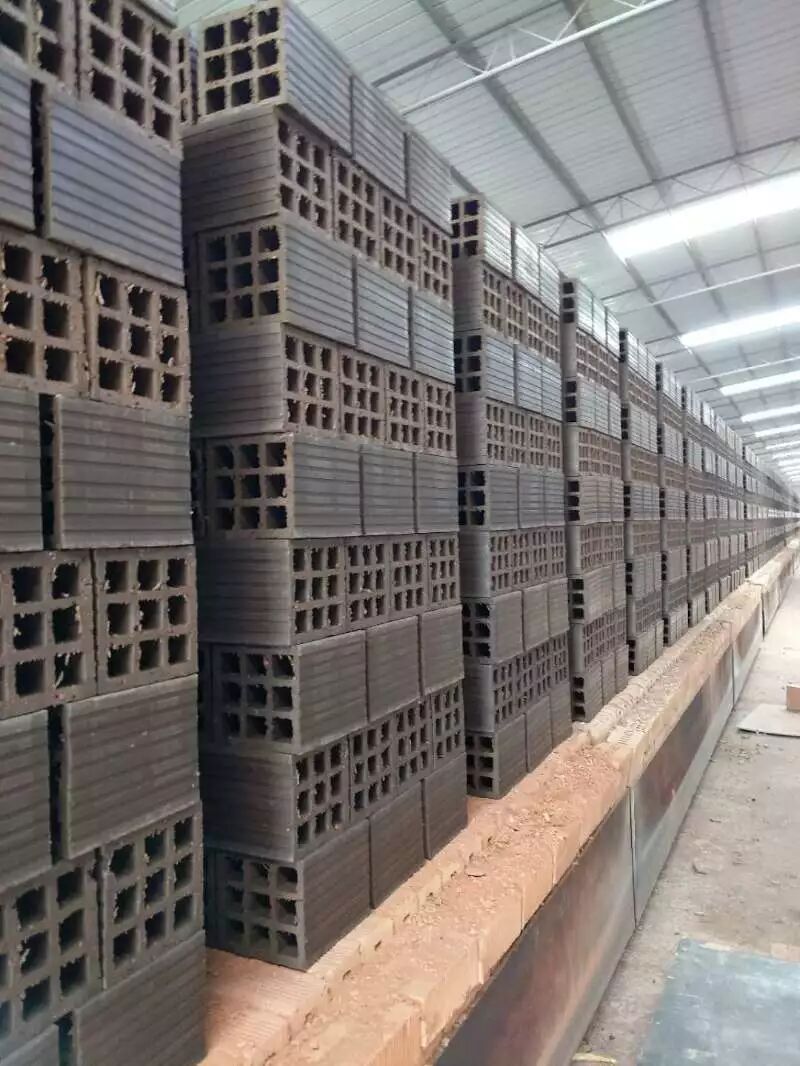
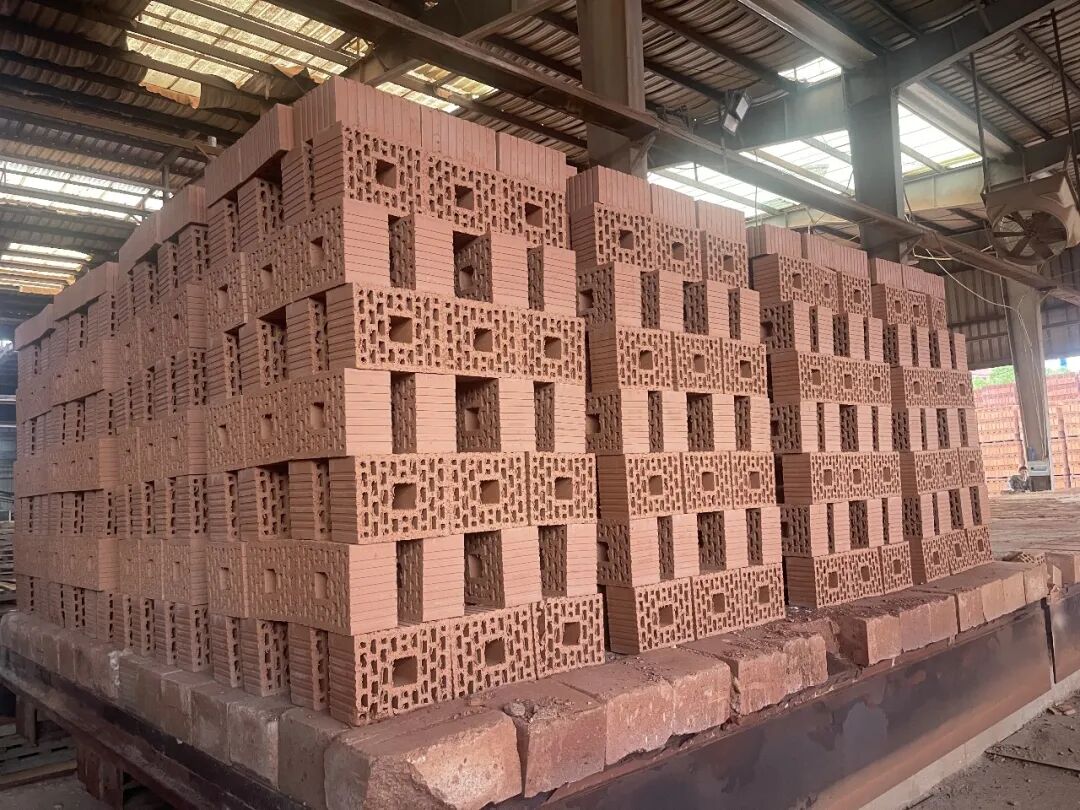
The Importance of Scientific Brick Setting Design
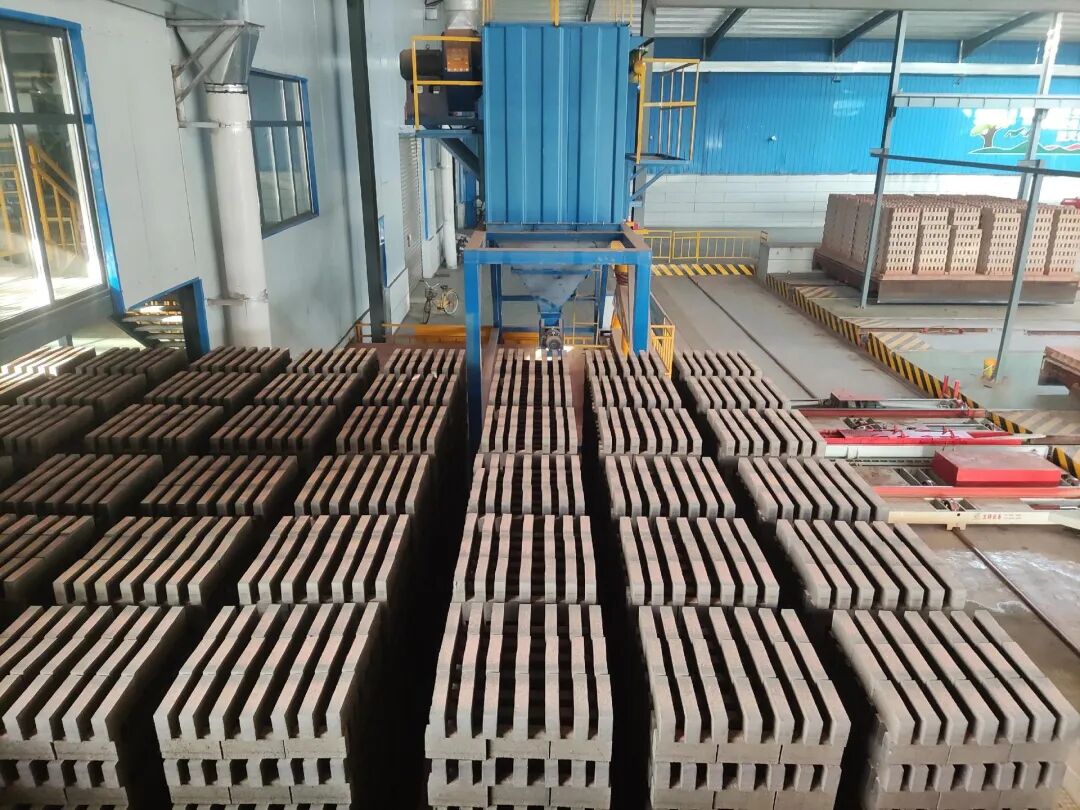
For modern automated brick factories, brick stacking design has a direct influence on airflow distribution.
Incorrect brick setting methods may cause:
- Internal black core defects
- Over-burning
- Under-burning
- Uneven drying
- Poor product consistency
A scientifically designed brick setting pattern helps:
- Improve heat circulation
- Optimize oxygen distribution
- Increase firing stability
- Reduce energy waste
Therefore, brick setting design should be considered together with tunnel kiln airflow optimization.
Principle 3: Achieve Reasonable Air Supply
The goal of air management is not simply reducing airflow.
The real objective is achieving the correct balance between:
- Oxygen supply
- Fuel combustion
- Heat transfer
- Exhaust control
Reasonable air usage depends on many production factors:
- Raw material properties
- Fuel characteristics
- Particle size distribution
- Crushing quality
- Forming moisture
- Brick stacking method
- Kiln pressure control
Therefore, a high-performance turnkey brick plant solution requires cooperation between production technology and kiln design.
3. Practical Methods for Optimizing Tunnel Kiln Combustion
Even without advanced monitoring equipment, experienced brick manufacturers can evaluate airflow conditions through practical methods.
Exhaust Temperature Monitoring
Exhaust temperature can provide important information.
When airflow is excessive:
- Exhaust temperature increases
- More heat is lost
- Oxygen content rises
When airflow is insufficient:
- Fuel cannot burn completely
- Combustion efficiency decreases
Flame Condition Observation
Operators can judge airflow by observing the combustion zone.
Excessive air:
- Clear flame area
- Strong airflow visibility
Insufficient air:
- Dark combustion atmosphere
- Weak burning condition
This practical method helps operators adjust kiln operation.
Fuel Burning Test
A simple field method is observing fuel combustion.
By placing a small piece of wood into the fuel feeding opening and checking the burning condition after a short period, operators can judge whether the area has sufficient oxygen.
These traditional operating experiences remain valuable for modern kiln management.
4. Building a Smart and Sustainable Brick Factory
Future brick factories are moving toward:
- Automation
- Digital monitoring
- Energy-saving operation
- Environmental protection
A complete smart brick factory solution should integrate:
Advanced Equipment
Including:
- Automatic brick making machines
- Raw material processing systems
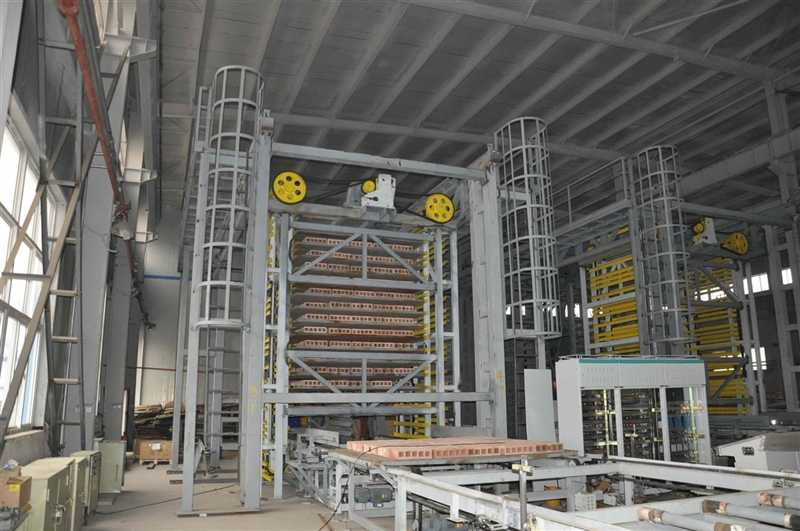
- Brick stacking systems
- Tunnel kiln systems
Optimized Production Technology
Including:
- Scientific airflow management
- Proper brick setting design
- Efficient combustion control
Complete Project Engineering
Including:
- Process design
- Equipment manufacturing
- Installation
- Commissioning
- Technical support
Only through complete system optimization can a brick factory achieve long-term stable operation.
Conclusion
In modern clay brick manufacturing, airflow management has become a core technology affecting production efficiency, energy consumption, and environmental performance.
Reducing exhaust oxygen content requires more than adjusting fans or controlling air pressure.
It requires:
- Eliminating incorrect air
- Reducing useless airflow
- Achieving reasonable air supply
Through comprehensive tunnel kiln optimization technology, brick factories can achieve:
- Lower fuel consumption
- Higher production stability
- Better brick quality
- More sustainable operation
For companies planning a new turnkey brick production line, scientific air management should be considered as a fundamental part of factory design.