0102030405
Root Causes and Permanent Fixes for Tunnel Kiln Car Burnout and Kiln Body Collapse
2026-06-22
1. Failure Mechanism and Solutions of Tunnel Kiln Car Burnout
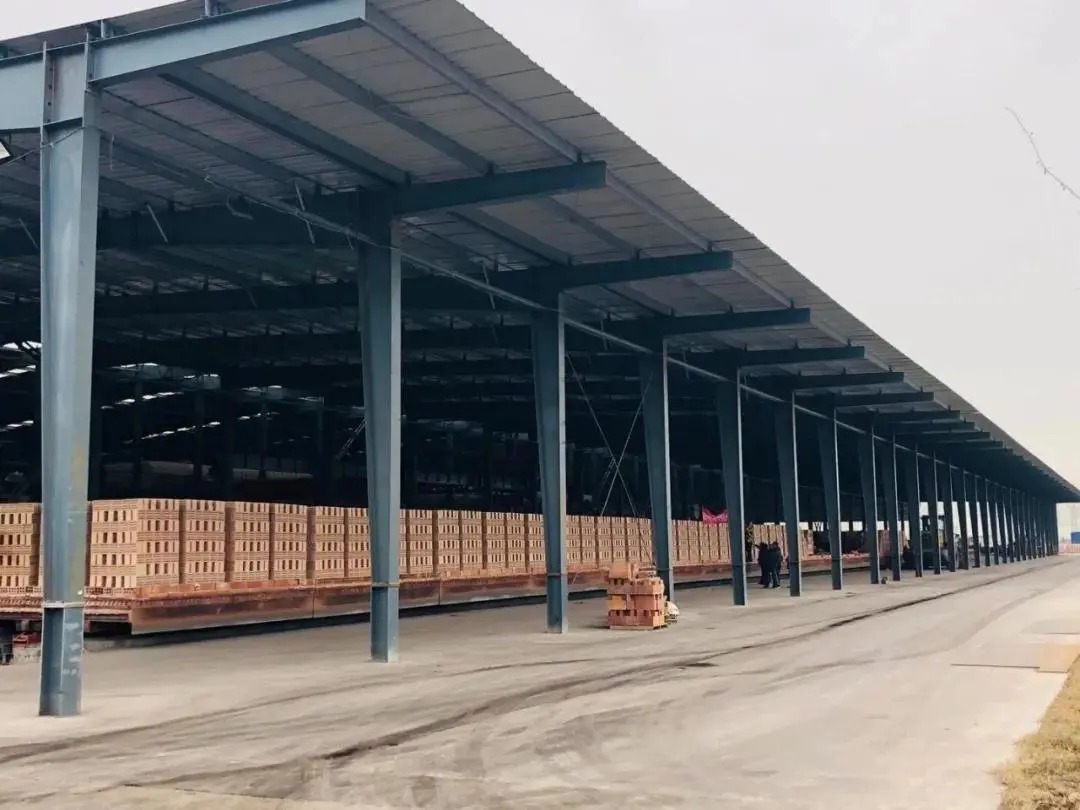
Kiln car burnout mainly occurs in the firing zone and cooling zone of tunnel kilns, triggered by excessive temperature at the lower part of kiln cars. In mild cases, high heat will bake and carbonize the lubricating grease inside kiln car bearings, leading to bearing jamming and inflexible walking. In severe cases, high ambient heat deforms the car skirt plates and sand sealing plates, destroying the car running track and forcing frequent offline maintenance.
The fundamental inducement of overheating under kiln cars is unbalanced internal kiln pressure and poor upper-lower sealing performance. Specifically, the air pressure above the kiln car is far higher than the pressure under the car, pushing high-temperature flue gas to penetrate downward through sealing gaps; incomplete sand sealing also accelerates high-temperature gas leakage to the car bottom area.
Standardized solving measures for kiln car burnout:
-
Install forced air cooling devices under kiln cars to reduce bottom operating temperature persistently;
-
Adjust air supply parameters to raise air pressure under kiln cars, realizing upper and lower kiln pressure balance;
-
Implement shift-based quantitative sand filling for sand sealing grooves to keep intact sealing isolation;
-
Repair and straighten deformed skirt plates and sand sealing plates timely to avoid aggravated air leakage and secondary burnout damage.
2. Classification Causes and On-site Disposal of Kiln Green Body Collapse
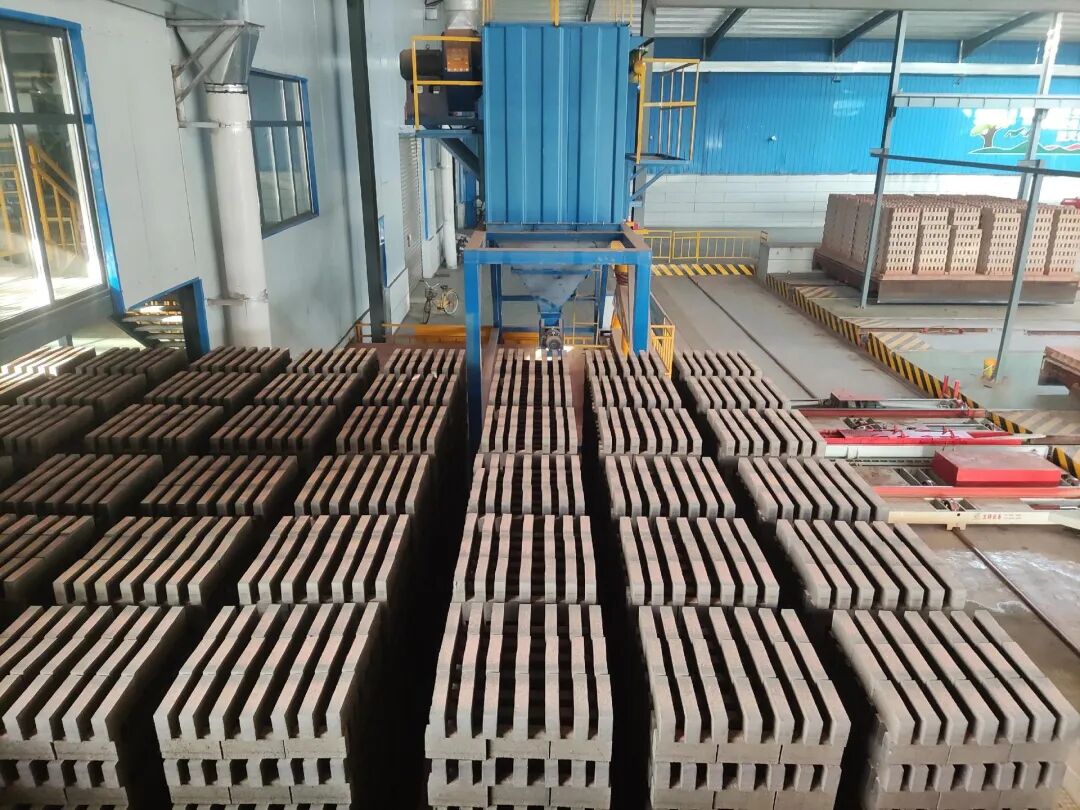
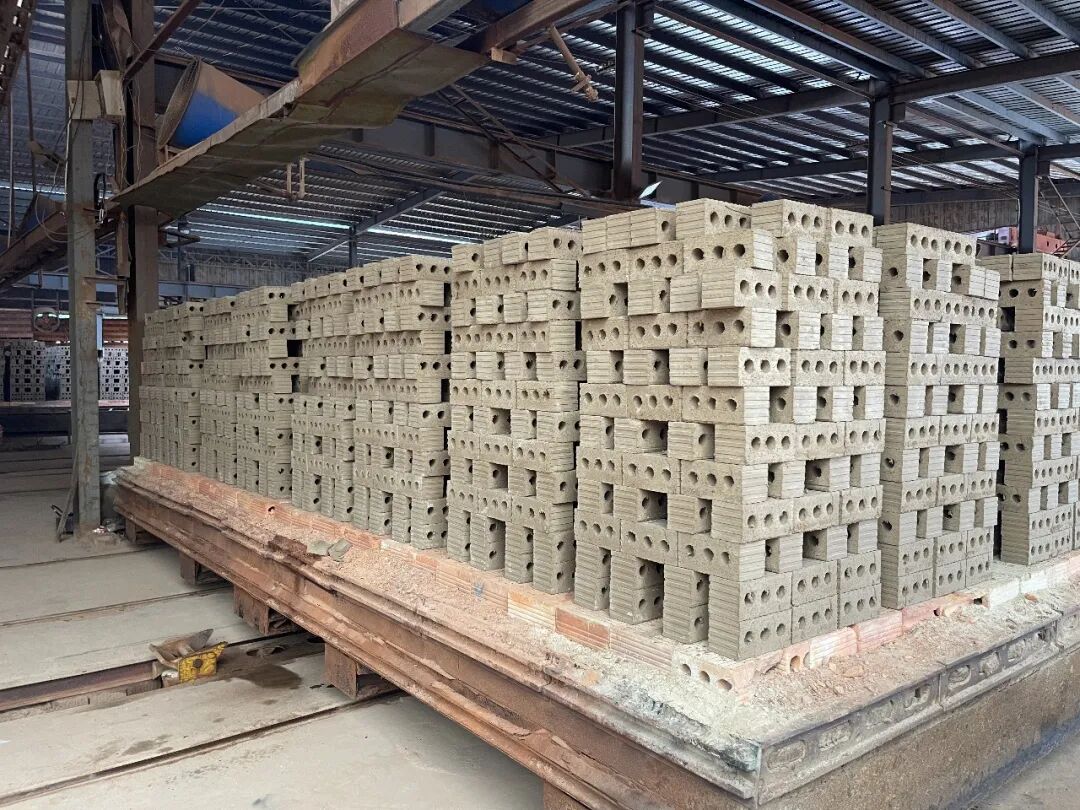
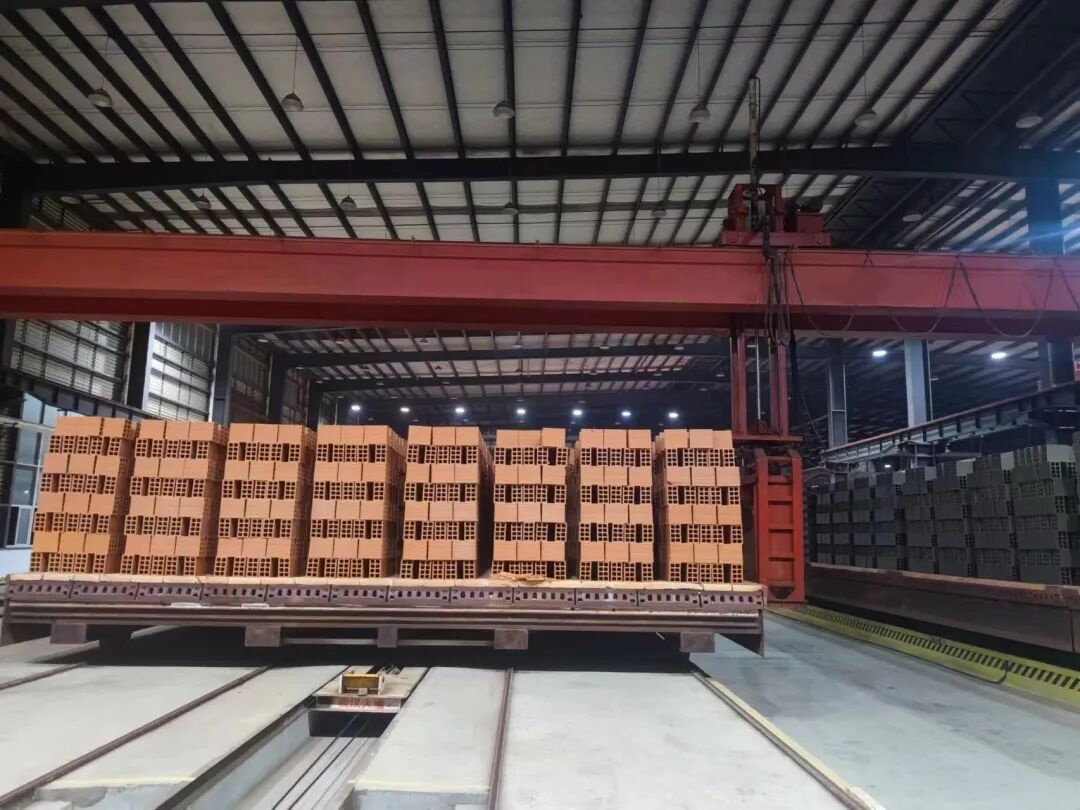
Green body collapse, named "car reversing" in kiln industry, is one of the most frequent tunnel kiln faults. It refers to the collapse of stacked ceramic or brick green bodies loaded on moving kiln cars, which blocks kiln channels and hinders normal car propulsion.
Seven mainstream causes for car reversing:
-
Non-standard loading operation, unstable green body stacking and loose base cushion bricks;
-
Excessive moisture of incoming green bodies, ultra-high temperature at preheating zone kiln head, large vertical temperature difference in preheating zone, resulting in green body cracking; broken green bodies jam the gap between kiln cars and kiln walls, increasing propulsion resistance and triggering stacking collapse;
-
Excessive firing temperature or prolonged heat preservation time leads to over-fired and deformed finished products, tilting the whole green body stack;
-
Unreasonable overall kiln temperature distribution, low high-temperature strength or poor thermal shock resistance of kiln shed frames, causing shed frame fracture and stacking collapse;
-
Green body stacks collide with kiln wall protrusions during car moving;
-
Kiln car derailment or unbalanced traveling posture;
-
Comprehensive superposition of multiple above faults.
On-site disposal principles for car reversing faults: Staff shall monitor kiln internal conditions during intermittent car feeding, and track hydraulic propulsion pressure during continuous feeding to discover collapse risks early. For slight collapse in cooling zone, faulty kiln cars can be directly pushed out without kiln shutdown. For collapse in front preheating zone, stop combustion of corresponding combustion chambers, open kiln doors, and drag out faulty cars via hydraulic propellers or car return machines. For collapse near firing zone, adopt reserved fault access holes for on-site disposal. If faulty cars pass cooling zone access holes with severe collapse, stop kiln heating and cooling air supply, open tail kiln doors to drag out all cars gradually.
Key reminder during fault disposal: Control kiln cooling rate strictly, forbid massive cold air entering the kiln to prevent kiln refractory structure damage and cracking of qualified green bodies on normal kiln cars.
3. Long-term Preventive Management Suggestions
Enterprises shall inspect stacking quality of every kiln car before entering the kiln, control incoming green body moisture within standard range, stabilize kiln thermal system, and standardize firing parameter adjustment to cut down fault occurrence fundamentally.