Reduce Energy Consumption in Brick Kilns: Key Principles for Green Brick Firing
Energy saving is a permanent topic for fired brick manufacturers. To achieve reliable brick firing energy saving, enterprises need to master four core principles: complete fuel combustion, optimized kiln heat exchange, scientific brick stacking, and standardized kiln operation. Every link interacts closely and affects the final energy consumption of tunnel kiln.
1. Ensure Complete Fuel Combustion
Fuel combustion is an oxidation reaction generating heat. Full combustion requires adequate oxygen supply from combustion air. When fully burned, flue gas contains no combustible substances such as carbon monoxide, hydrogen and methane. Solid fuel leaves no combustible residue.
If incomplete combustion occurs, fuel heat cannot be fully released:
- Gas incomplete combustion: oxygen supply insufficient, partial fuel remains unoxidized in flue gas.
- Solid incomplete combustion: enough air volume, poor contact between fuel and air, local oxygen shortage.
Only full combustion can convert fuel chemical energy into thermal energy for heating green brick.
2. Optimize Heat Transfer and Gas Circulation Inside Kiln
Green brick firing is a continuous heat exchange process. Hot gas from fuel combustion transfers heat to green brick, triggering chemical reactions and forming solid bricks.
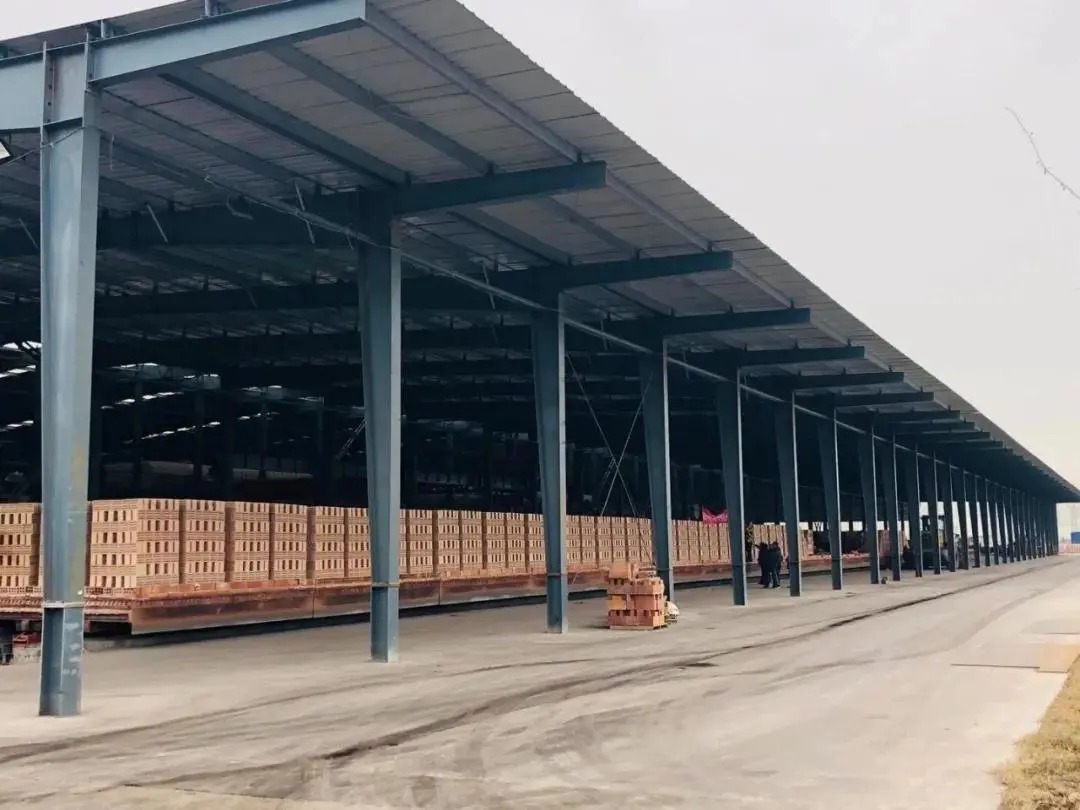
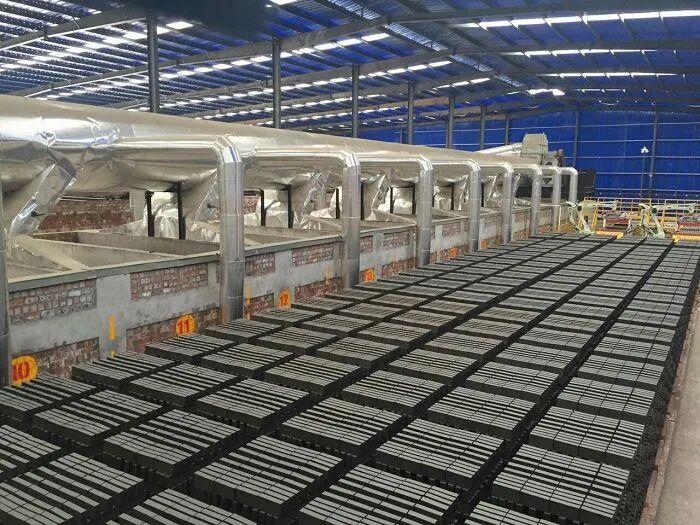
Air flow runs through all kiln sections: preheating zone, firing zone and cooling zone. Preheated air from cooling zone enters firing zone to support combustion. Hot flue gas flows forward to dry wet green brick and preheat the brick body. Cold air flows into kiln to cool finished bricks after firing. Heat transfer cannot work without continuous gas movement inside the kiln.
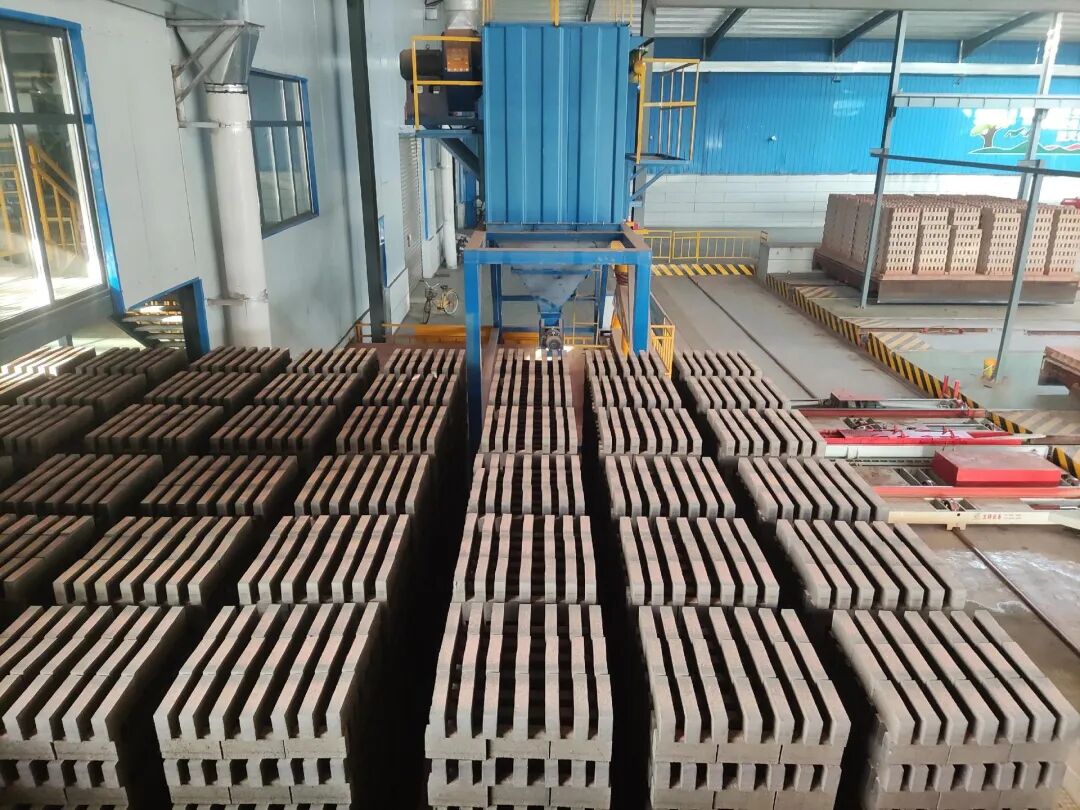
3. Adopt Scientific Brick Stacking Strategy
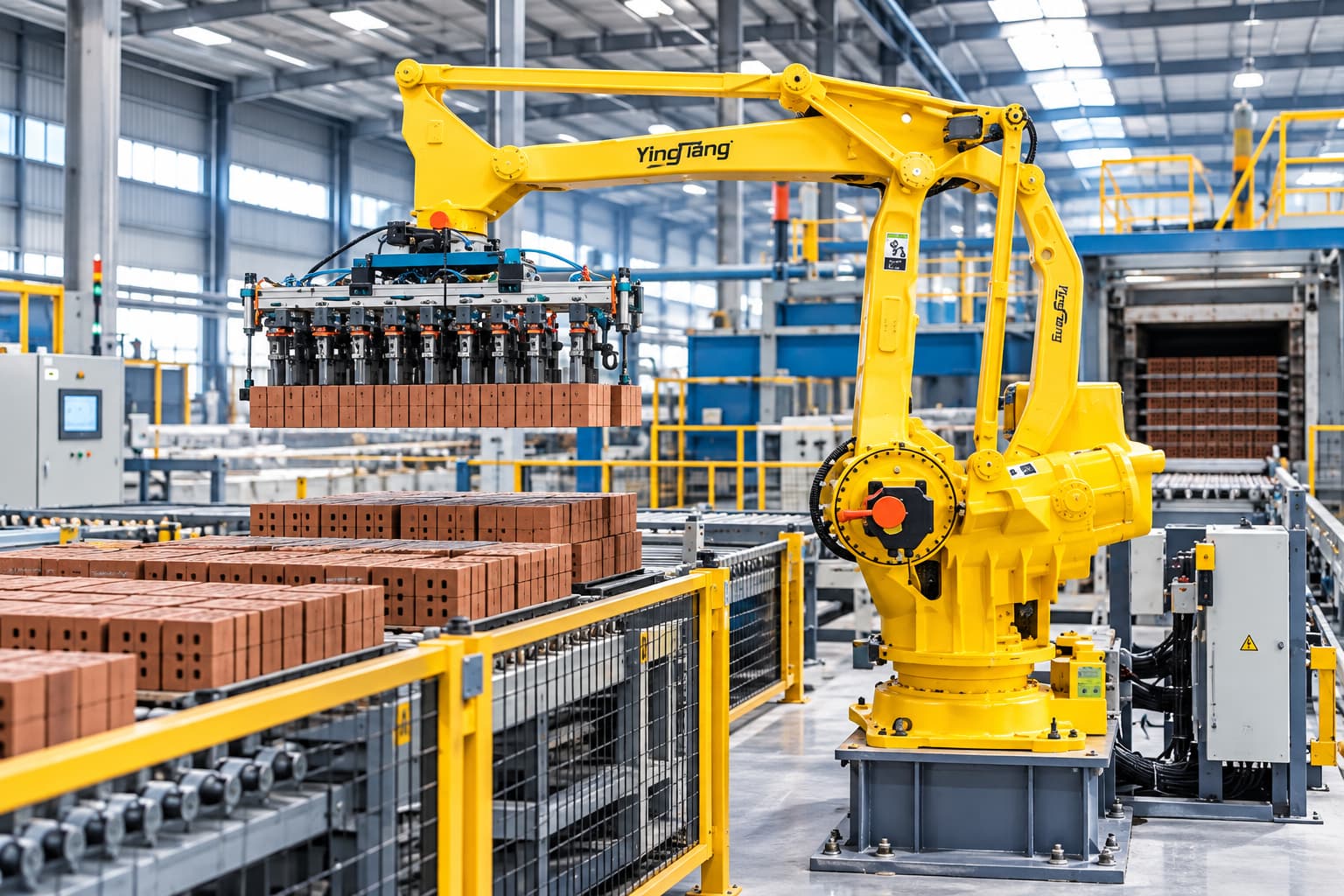
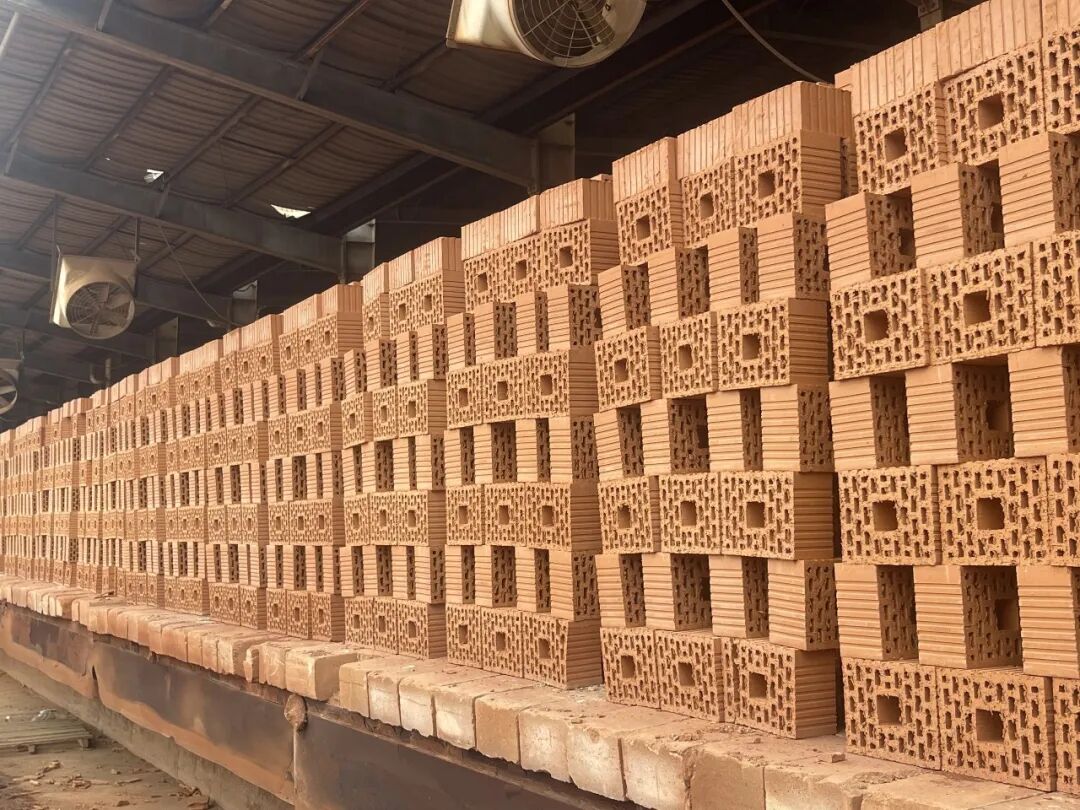
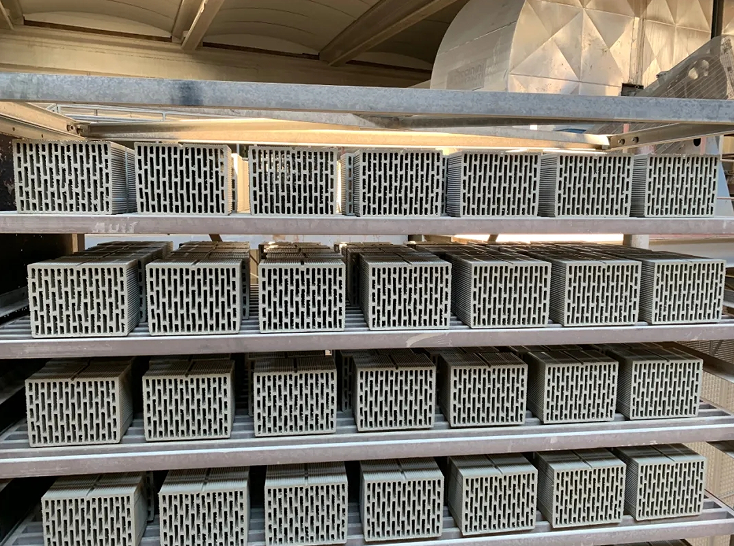
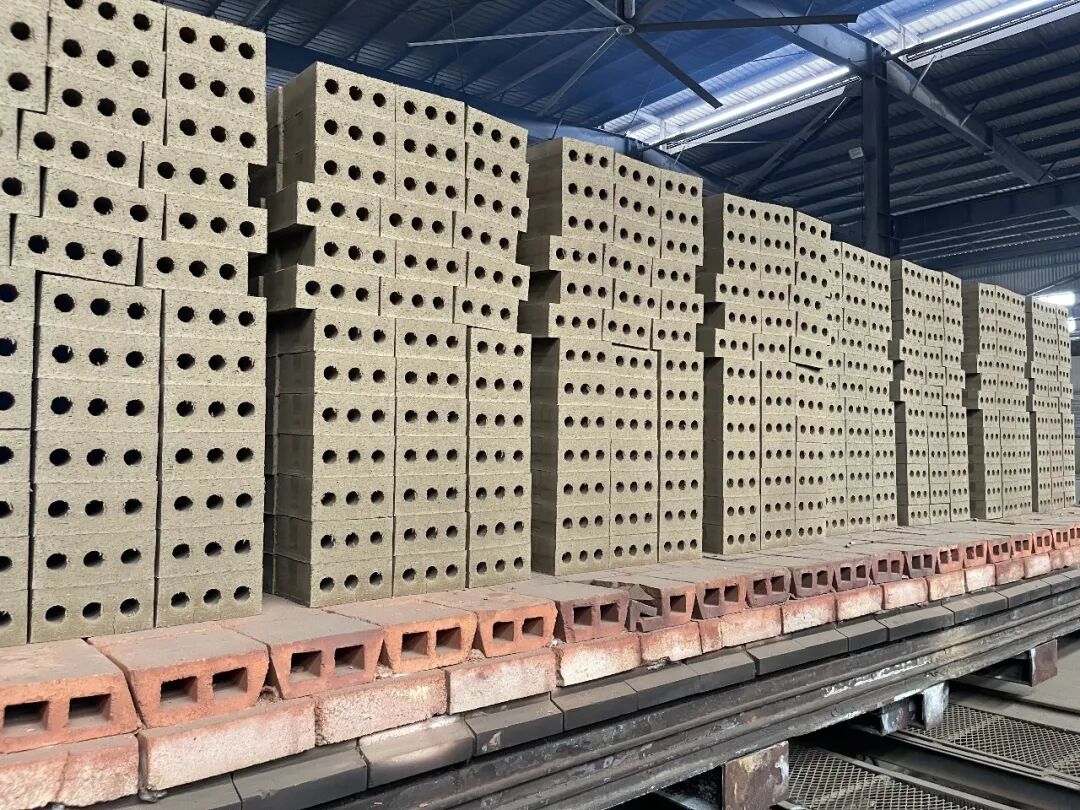
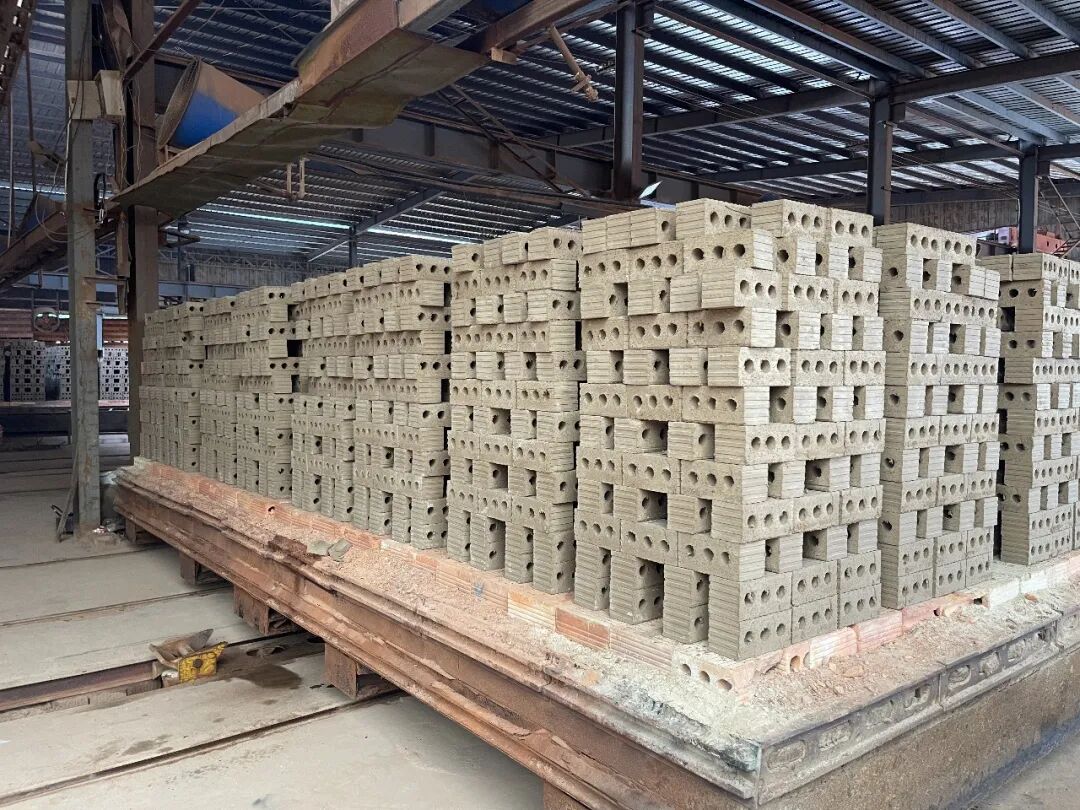
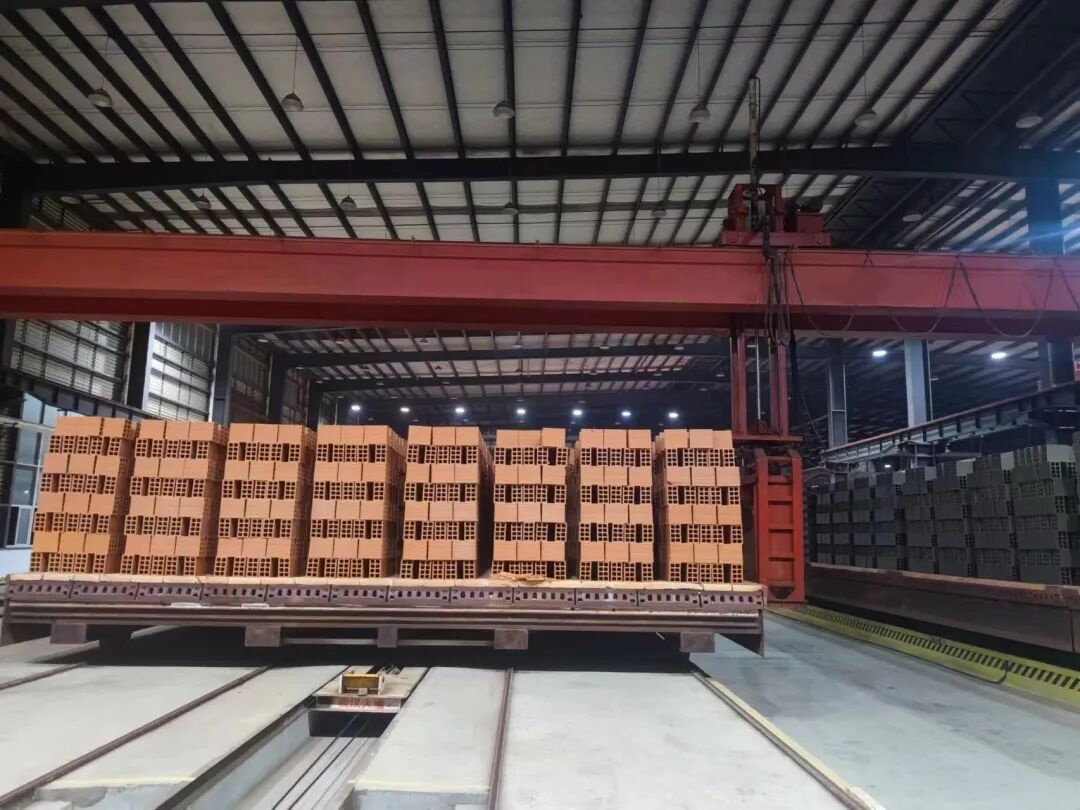
Brick stacking constructs brick piles to meet firing requirements. The stacking design is determined by kiln gas flow rules, kiln structure and fuel mode (internal or external fuel).
The brick piles create airflow resistance which can be adjusted. Lower stacking density reduces resistance and increases airflow, improving combustion and heat transfer. Basic rules: keep sparse stacking within reasonable range.
- Externally fired brick: top dense bottom sparse; middle dense, inner secondary dense, outer sparse; transverse dense, longitudinal sparse; curved kiln: inner dense outer sparse.
- Internally fired brick: top dense bottom sparse, edge dense middle sparse. Reserve gaps beside branch flues for balanced airflow across kiln cross-section.
Good stacking design stabilizes kiln temperature field, improves firing quality and cuts energy consumption. Bad stacking causes uneven temperature, low yield and extra fuel waste.
4. Standardize Kiln Firing Operation
Careful operation control can minimize unnecessary heat loss:
- Control residual moisture of dry green brick. Reducing moisture content saves heat consumed in water evaporation and speeds up preheating.
- Stabilize the position and length of preheating zone, firing zone and cooling zone. Thermal zone shift will cause massive heat waste.
- Adjust kiln dampers properly to maximize waste heat recovery and reuse.
- Check kiln sealing condition regularly. Prevent hot gas leakage and cold air infiltration to avoid heat loss.
- Speed up kiln circulation to reduce heat storage loss of kiln body and kiln cars.
- Raise finished brick yield rate. This is the most efficient energy-saving measure. Higher yield reduces heat, electricity, raw material and labor cost, extending equipment service life.
FAQ
Q1: What are the four major ways to realize brick firing energy saving?
A: Guarantee complete fuel combustion, optimize kiln heat exchange, adopt scientific brick stacking, and implement standardized kiln operation.
Q2: What is the function of brick stacking in tunnel kiln?
A: It forms brick piles to guide airflow, adjust airflow resistance, realize uniform temperature distribution and create good combustion & heat transfer environment for green brick firing.
Q3: How does green brick moisture affect kiln energy consumption?
A: High residual moisture needs more heat to evaporate water in preheating zone, prolong preheating time and increase total energy consumption.
Q4: What causes heat loss in brick tunnel kiln?
A: Incomplete fuel combustion, poor kiln sealing, unreasonable brick stacking, unstable thermal zones, low finished brick rate and low waste heat utilization.
Q5: What is the function of kiln dampers during brick firing?
A: Kiln dampers control gas flow direction and volume inside kiln. Proper damper operation stabilizes thermal zones and improves waste heat utilization for energy saving.