Practical Operational Measures to Speed Up Tunnel Kiln Firing and Improve Fired Brick Quality
Stable and high‑efficiency firing is the core of daily operation management for brick tunnel kiln production lines. Most brick factories face common problems such as slow firing speed, low output, high fuel waste, and frequent defective bricks caused by irregular operation and unreasonable process settings. By optimizing fuel processing, coal feeding operation, temperature control and product structure, factories can effectively accelerate kiln firing, stabilize product quality, and improve overall operational efficiency of automatic brick plant.
Fuel pretreatment is the primary operational step for fast firing. High‑moisture coal is a major obstacle to efficient combustion. Water vaporization consumes massive heat resources, prolongs fuel ignition time, and damp coal agglomeration reduces air contact efficiency. On‑site operation management must build professional coal storage facilities to isolate rainwater. All wet fuel must be naturally air‑dried or mechanically dried to control moisture within the standard range before being put into the tunnel kiln.
Coal particle grading treatment cannot be ignored in daily production. Unscreened bulk coal has low combustion efficiency and is prone to coke accumulation at the kiln bottom. Screening and crushing raw coal can maximize the contact area between coal and oxygen, speed up combustion reaction, reduce kiln coke deposition, and effectively avoid black brick defects in clay brick finished products after firing.
Standardized coal feeding and kiln stacking operations are key to balanced firing. The "frequent and small‑quantity" coal feeding rule is suitable for all external and internal combustion brick production. For full external combustion bricks, 1.5‑minute cycle feeding with segmented dosage control ensures stable temperature rise for firing. Operators need to adjust external coal feeding volume dynamically according to the internal combustion degree of brick blanks. Fixed excessive feeding and long interval operation will cause oxygen deficiency and unbalanced fire temperature. Controlling 10% of fuel falling to the kiln bottom is the optimal state for balanced firing. Adopting automatic coal feeders realizes precise and uniform feeding, optimizing fuel utilization rate and reducing production costs.
Unified shift operation management solves the problem of fluctuating firing speed. Inconsistent operation standards among three shifts lead to unstable fire traveling speed, fluctuating kiln temperature, not only wasting fuel but also causing uneven brick quality and low daily output. Strengthening staff operation training and unifying firing process standards can maintain continuous and stable firing progress.
Reasonable oxygen supply and temperature grading control further optimize firing efficiency. Under the premise of meeting standard firing temperature, increasing excess air volume enhances oxygen content in the combustion zone and accelerates oxidation firing. For internal combustion hollow brick, the low‑temperature long‑time firing technology solves the core pain point of incomplete internal fuel combustion. Slow temperature rise in the front section prevents early vitrification of brick pores, ensuring sufficient oxygen penetration; high‑temperature firing in the middle and rear sections ensures full combustion of internal fuel, eliminating black cores and surface patterns after firing.
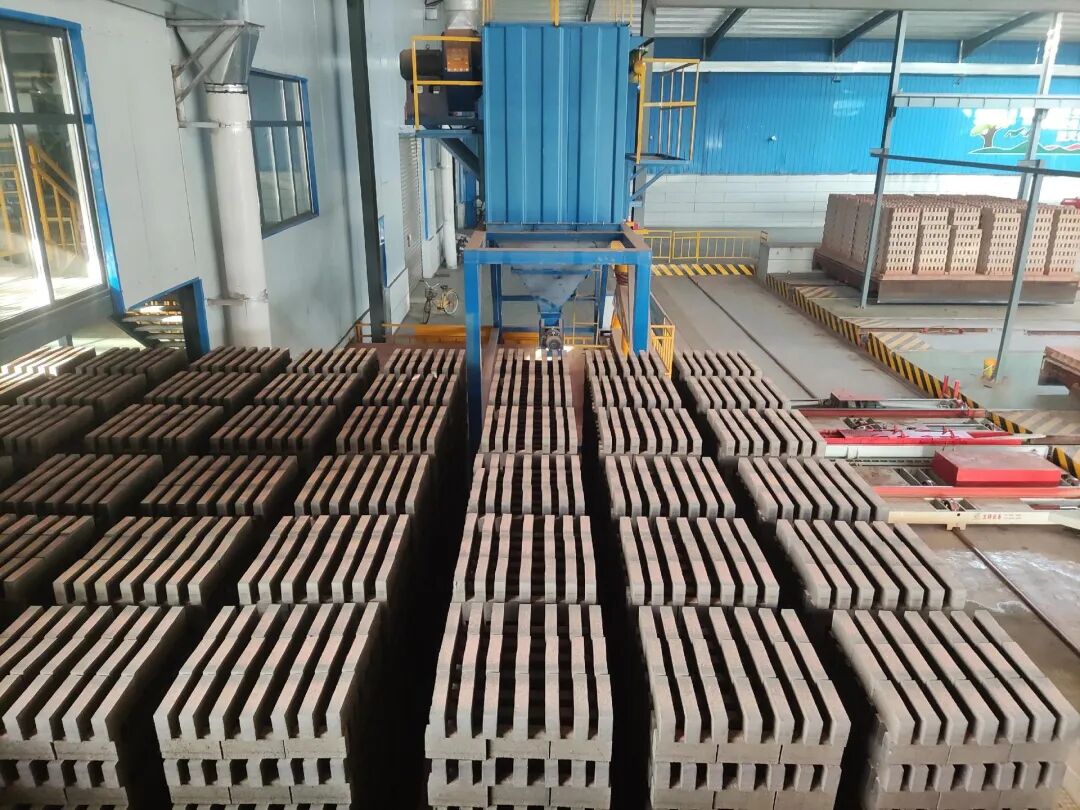
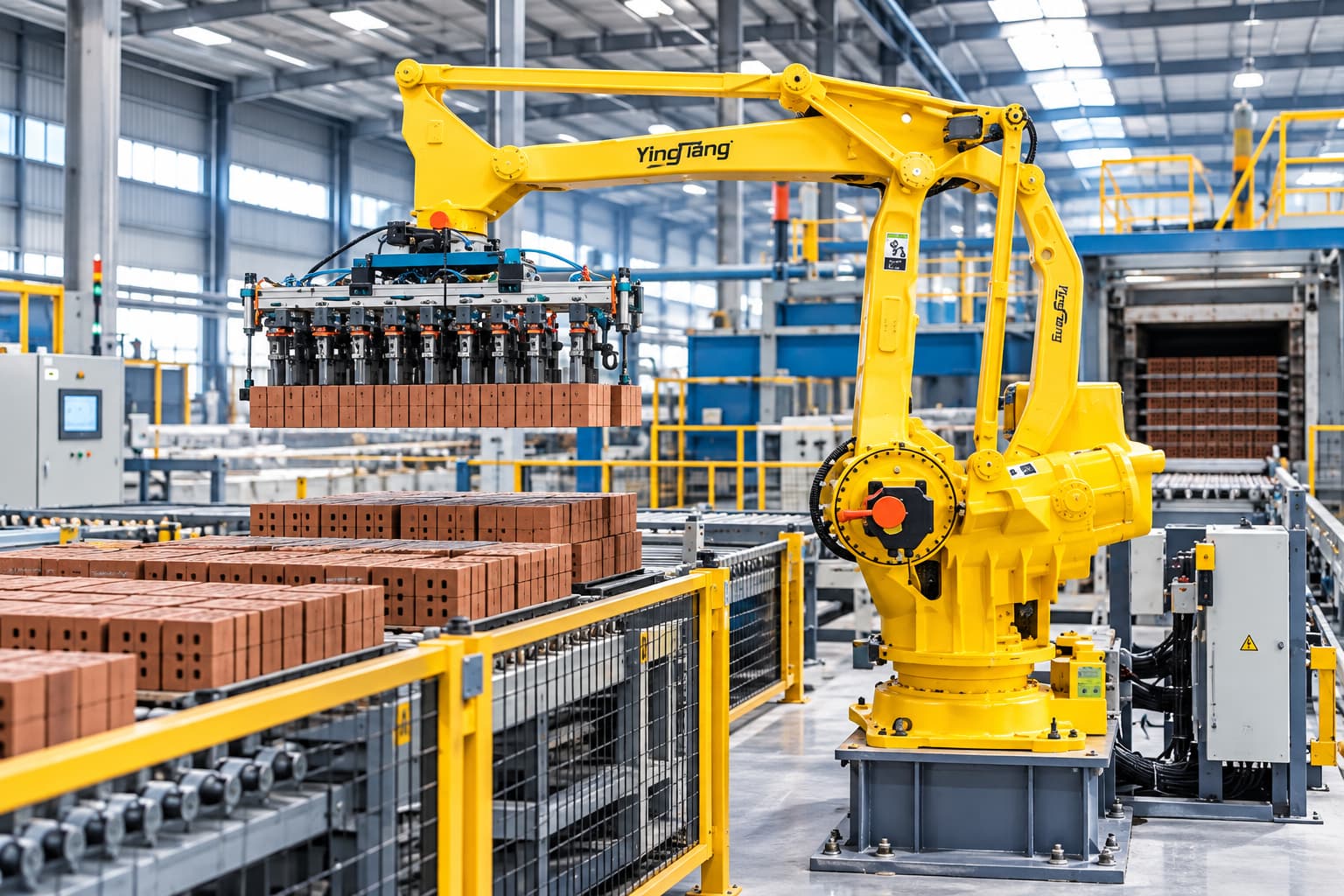
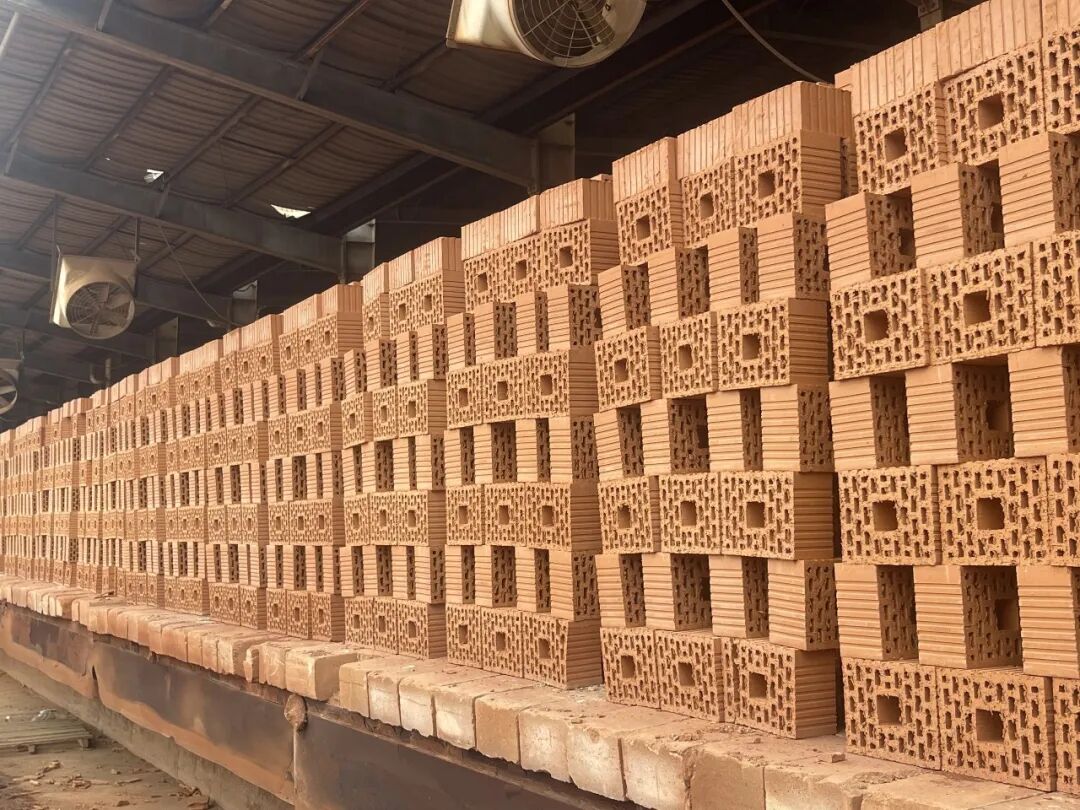
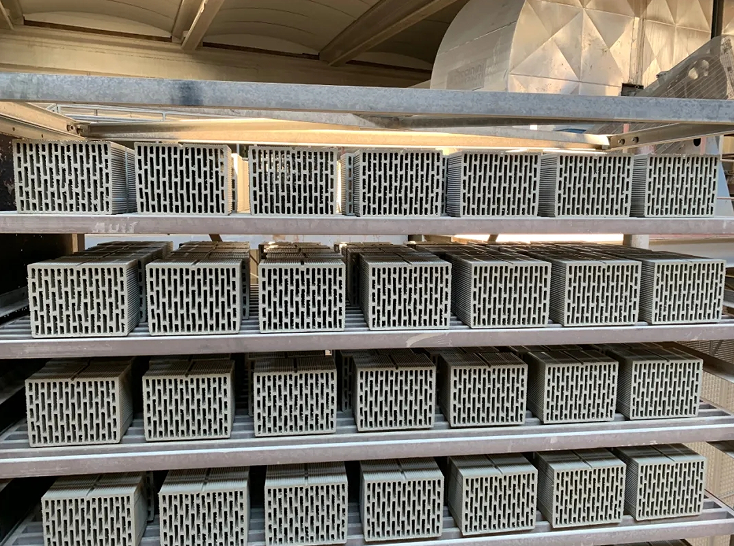
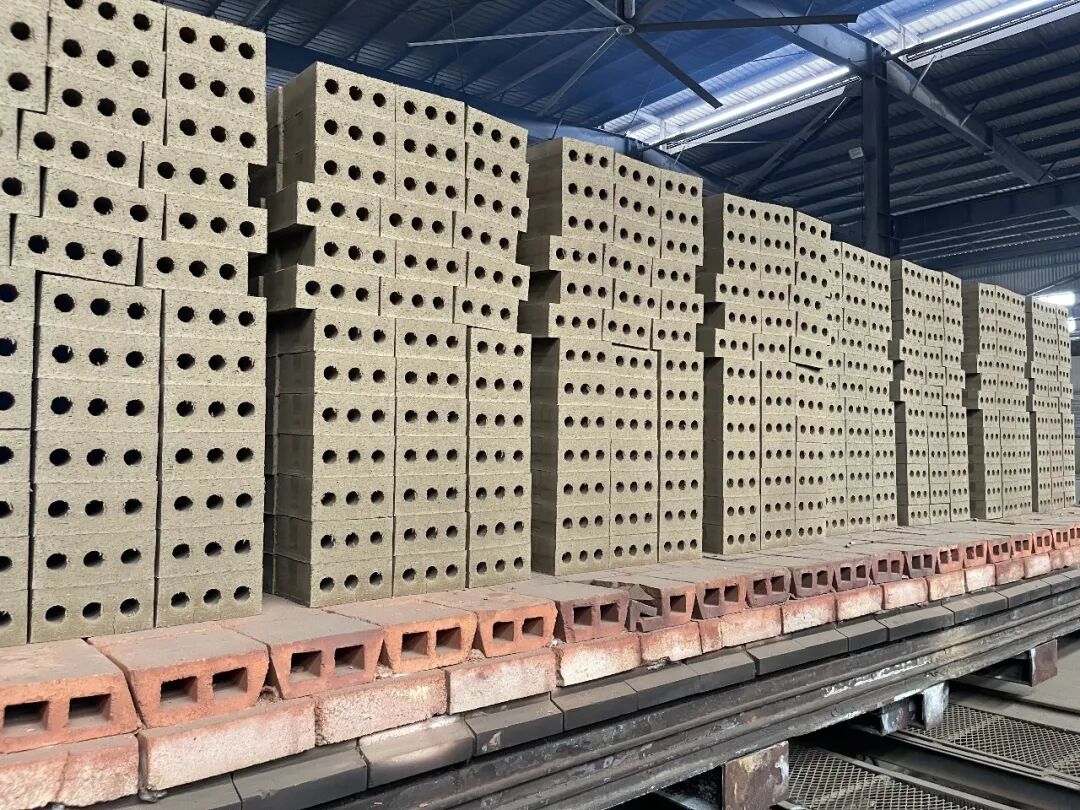
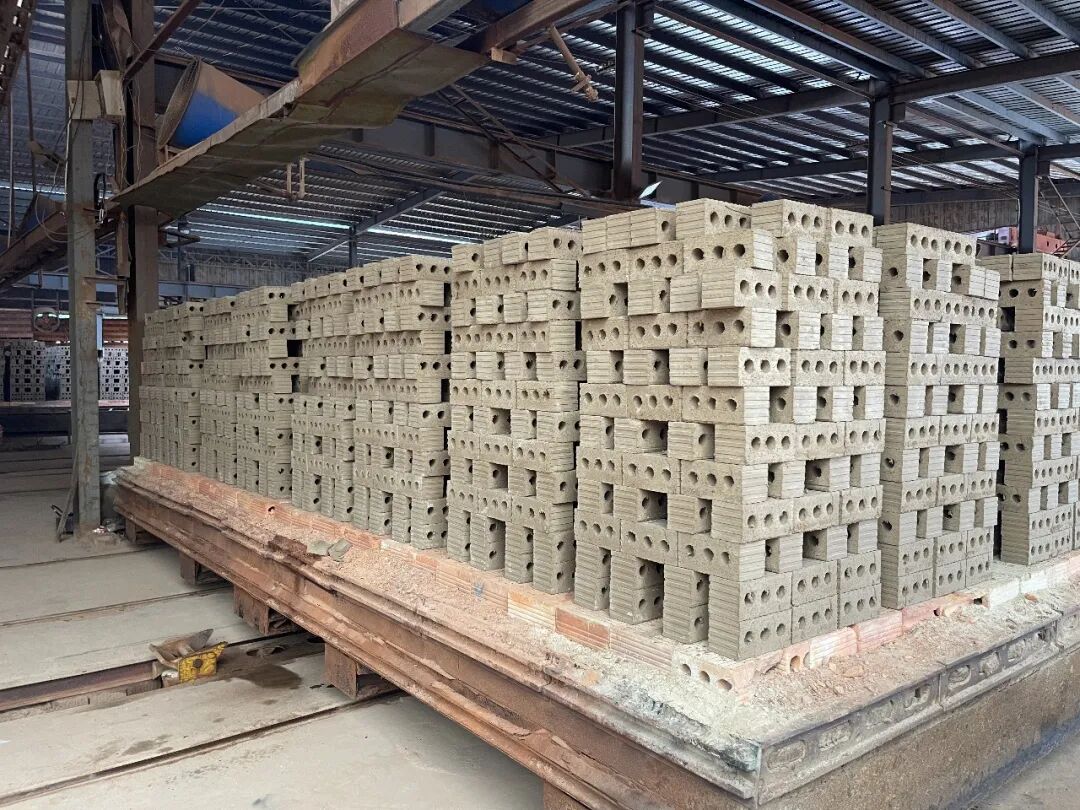
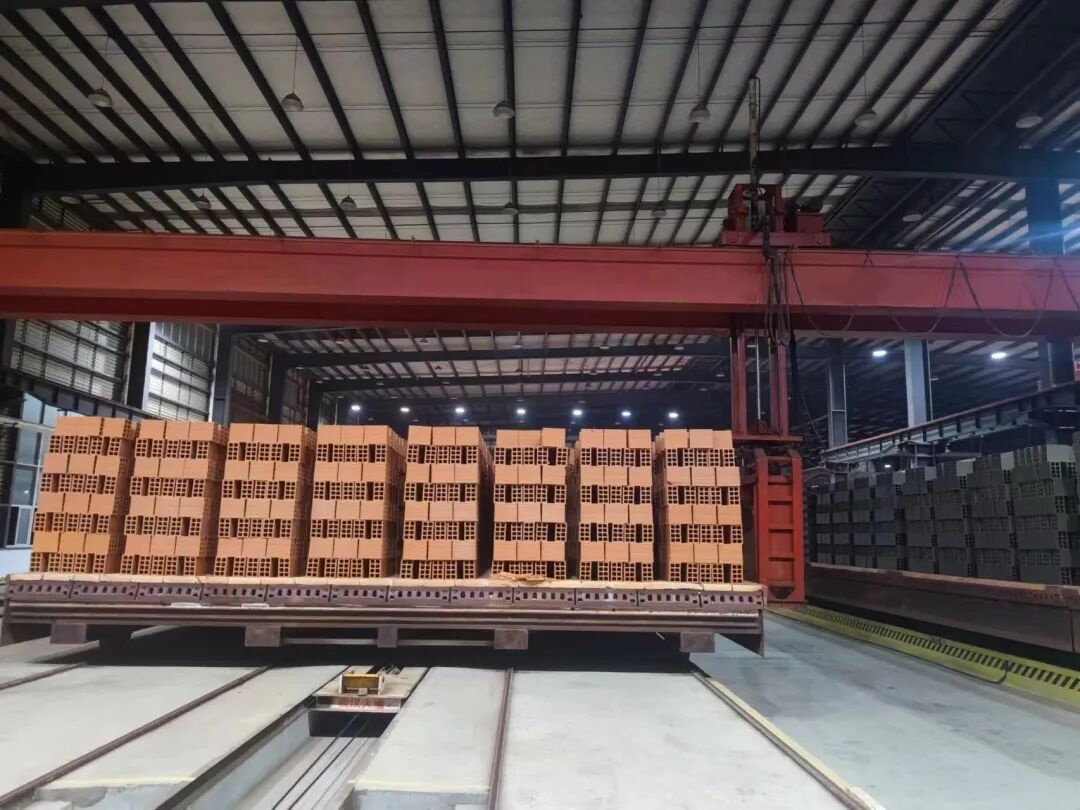
Upgrading product structure from solid bricks to perforated hollow bricks is a simple and effective efficiency improvement measure. The porous structure greatly improves air permeability, enables full contact between internal fuel and oxygen, significantly accelerates firing speed, and is the best matching solution for high‑internal‑combustion brick production lines.
FAQ
Q1: What is low‑temperature long‑time firing in brick firing?
A: It is a core tunnel kiln technology that adopts slow temperature rise in the front firing zone and continuous high‑temperature firing in the rear section, ensuring internal fuel full combustion without brick surface vitrification.
Q2: Why hollow bricks have higher firing efficiency than solid bricks?
A: Hollow brick pores improve oxygen permeability, help internal fuel fully contact with air, speed up oxidation combustion during firing, and reduce defective rates.
Q3: How to unify tunnel kiln operation for stable firing production?
A: Form unified shift operation standards, standardize coal feeding frequency and dosage, and conduct regular staff skill training to keep consistent fire traveling speed and stable firing.