
0102030405
Optimized Sintering Process for Fired Bricks: Standard Temperature, Defect Control and Energy-Saving Production
2026-05-28
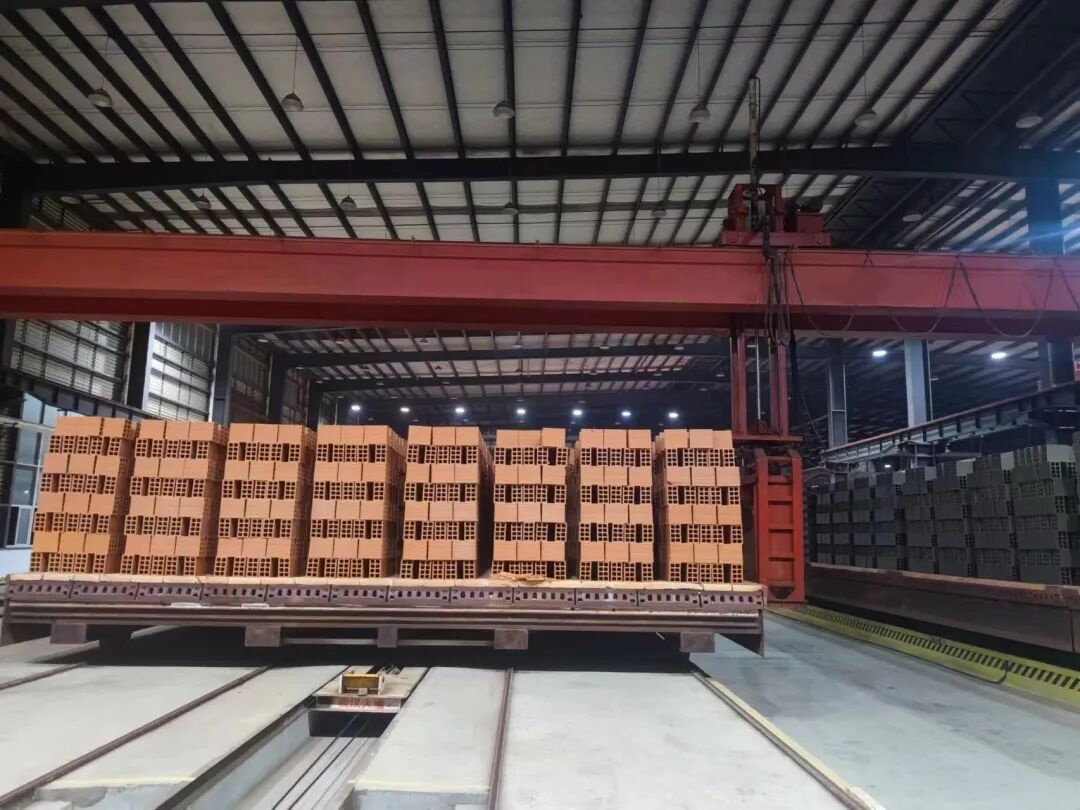
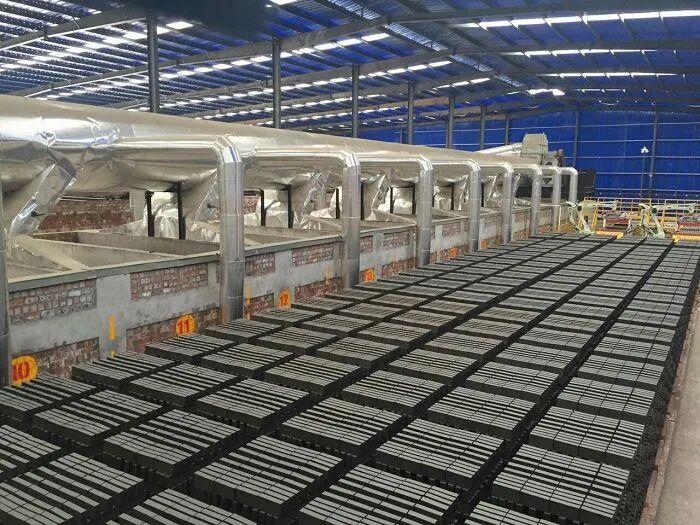
Standardized sintering process optimization is the key to stable output of high-quality fired bricks, among which 900℃–1100℃ is the only scientific and applicable firing temperature range for brick mixtures and green bricks. Only within this temperature interval can the brick body complete partial melting and effective sintering. Enterprises need to strictly control temperature and sintering time to avoid defective products, and flexibly use atmosphere adjustment and internal combustion technology to enrich product types and reduce production costs.
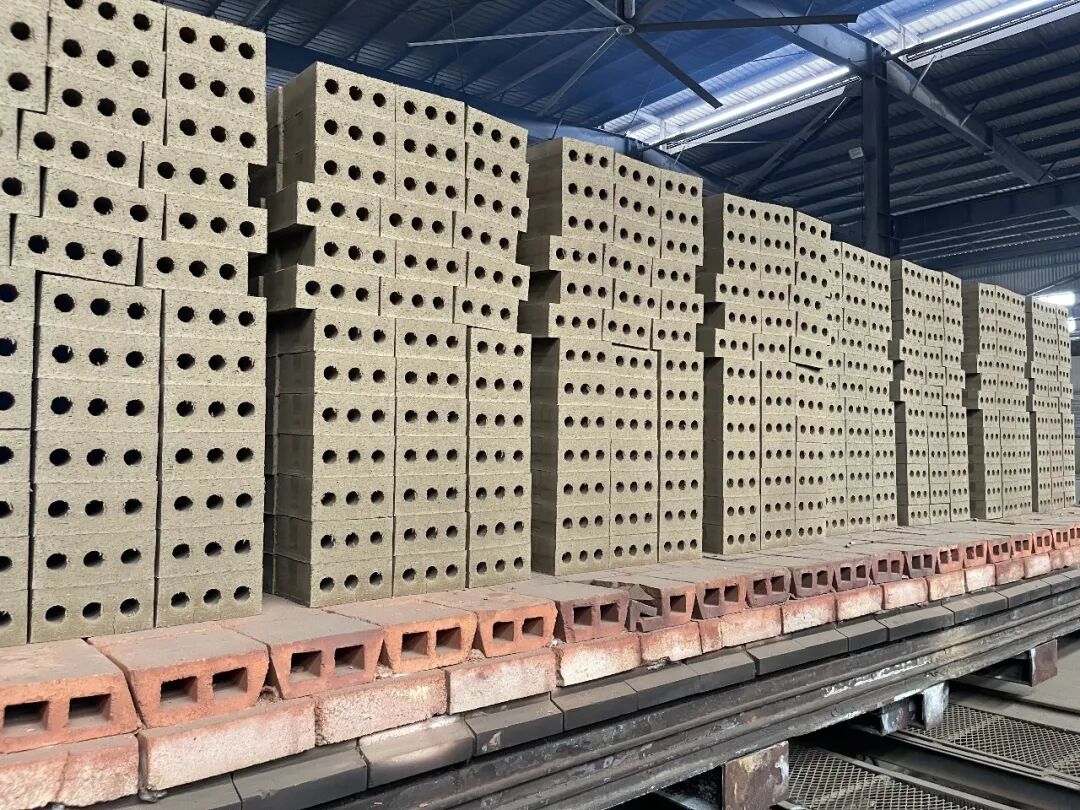
In daily mass production, temperature deviation is the main cause of defective bricks. Overfiring caused by excessive temperature or long heating time results in dark, crisp and deformed overfired bricks that cannot be used for construction. Underfiring caused by low temperature and insufficient time produces light, dull, low-strength underfired bricks with high water absorption and poor durability. Therefore, precise constant temperature control in the 900–1100℃ range is the premise to eliminate unqualified products and guarantee basic brick quality.
On the basis of stable temperature control, adjusting kiln atmosphere can produce red bricks and blue bricks with different performance characteristics. Continuous oxidative sintering at 900–1100℃ generates ferric oxide (Fe₂O₃), forming standard red bricks with low cost and wide applicability. Through post-sintering reduction and smoldering treatment, Fe₂O₃ is converted into ferrous oxide (FeO), producing high-performance blue bricks with dense texture, excellent alkali resistance and long service life. Although blue bricks have better physical properties, their high production cost restricts their market promotion.
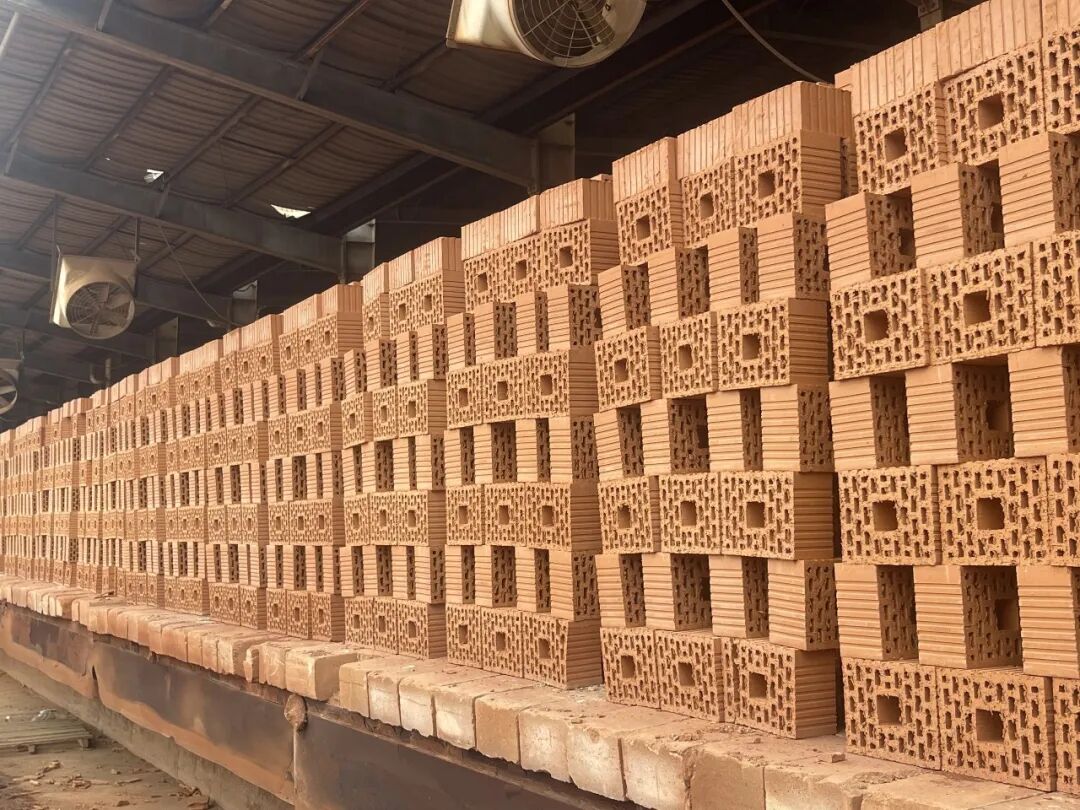
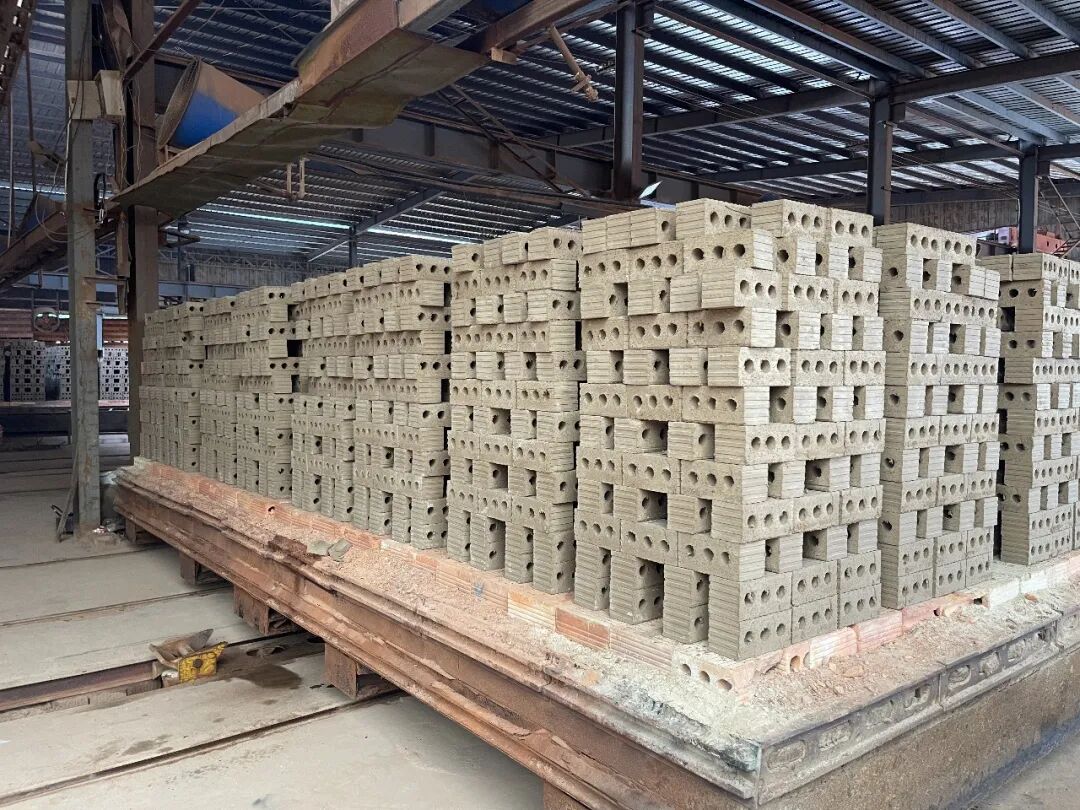
To further upgrade production efficiency and energy-saving benefits on the basis of standard temperature sintering, internal combustion brick technology has become an advanced mainstream process. Mixing coal slag and high-carbon fly ash industrial waste into clay raw materials makes full use of residual carbon resources. During 900–1100℃ sintering, internal carbon burns to assist uniform heating and sintering of the green brick. This process saves a large amount of external fuel, reduces 5%–10% clay consumption, increases brick strength by about 20%, and endows finished bricks with lower density and better thermal insulation performance, which is more in line with modern green and low-carbon building production requirements.