

0102030405
Operation and Maintenance Optimization: Minimize Loss and Maximize Crusher Productivity in Brick Production
2026-06-15
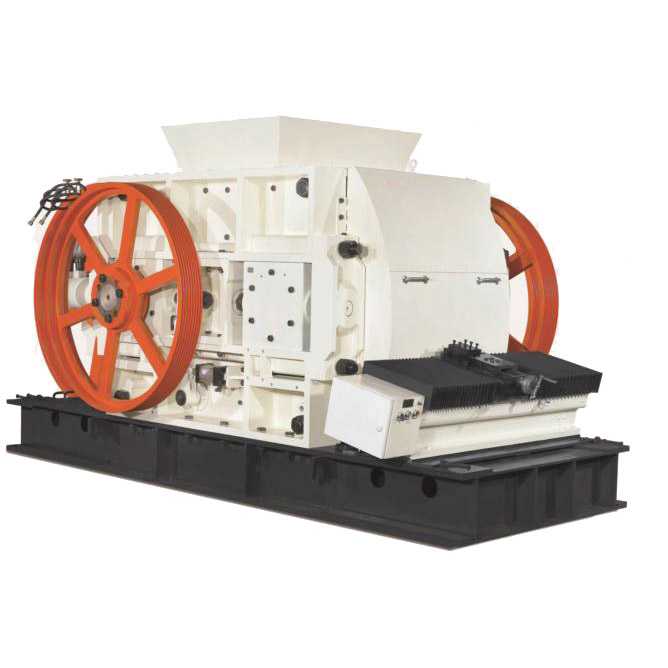
In the standardized production of fired bricks, equipment efficiency determines enterprise production benefits. Throughout the production chain, crushing, transportation, brick extrusion and kiln thermal control are the four key modules that restrict production capacity and product quality. As the indispensable core equipment of the raw material processing link, jaw crushers and hammer crushers’ operating level directly affects the raw material crushing quality and the overall output of the production line. Therefore, targeted operation and maintenance optimization is the key to realize crusher loss reduction and efficiency improvement.
Standardized and uniform feeding is the basic guarantee for efficient crushing. For hard raw materials such as coal gangue and shale, centralized and uneven feeding should be avoided. Full and uniform feeding along the feeder inlet can make the jaw plate bear force evenly, realize synchronous wear of components, reduce frequent replacement of parts caused by partial damage, and effectively control production and operation costs.
Dynamic adjustment of feeding amplitude adapts to diversified production demands. The feeder has adjustable amplitude performance. Production personnel can flexibly adjust the working amplitude within the rated range according to the daily production task volume. Stepless amplitude adjustment can realize precise matching of feeding volume and crushing capacity, avoid idle operation or overload operation of the crusher, and maintain the best working state of the equipment.
Standardized feeding specifications avoid unnecessary equipment failures. In actual operation, foreign object prevention and material specification control must be done well. Iron impurities are extremely harmful to crushing equipment, which will cause irreversible damage to jaw plates and internal structural parts. In addition, the feeding height and particle size must comply with the equipment operation standards to prevent material blockage faults, ensure smooth crushing process, and reduce production downtime loss.
Scientific discharge opening configuration realizes efficient and low-consumption crushing. The size of the discharge opening determines the crushing particle size and operation load. Too small a discharge gap will increase equipment operation resistance, cause blockage failure and excessive energy consumption, and even shorten the service life of the crusher. An overlarge gap will lead to unqualified crushed materials, increase the processing pressure of secondary crushing equipment, and reduce the overall production efficiency of the entire crushing system.
Accurate adjustment and daily maintenance of discharge opening ensure long-term stable performance. The discharge opening gap is adjusted by adding or removing gaskets behind the swing rod seat. The professional matching ring gauge shall be used for measurement under the standard state of the eccentric shaft. After each adjustment, the tension spring elasticity must be checked to avoid over-compression. Considering the long-term fatigue load of support rods and tension springs, regular replacement every 2 to 3 years is a necessary maintenance measure to prevent sudden equipment failure.
Ladder-type jaw plate maintenance improves equipment utilization. The reusable and interchangeable design of jaw plates greatly reduces production costs. Enterprises can adopt targeted treatment according to different wear degrees: invert the jaw plates for partial bottom wear, interchange the two jaw plates for asymmetric overall wear, and completely replace the jaw plates for full failure and wear. This graded maintenance mode maximizes the utilization rate of parts while ensuring crushing quality.
Precision lubrication maintenance ensures lasting equipment power. Bearing lubrication is the core of crusher daily maintenance. The eccentric shaft bearings on the equipment bearing box and movable jaw are key lubrication points. The built-in labyrinth sealing device of the equipment can protect internal grease from pollution. Before lubrication, the oil supply tools and lubrication ports must be cleaned to ensure no dust and impurities enter the bearing cavity, guarantee the flexible operation of bearings, and maintain the long-term high-efficiency working performance of the crusher.