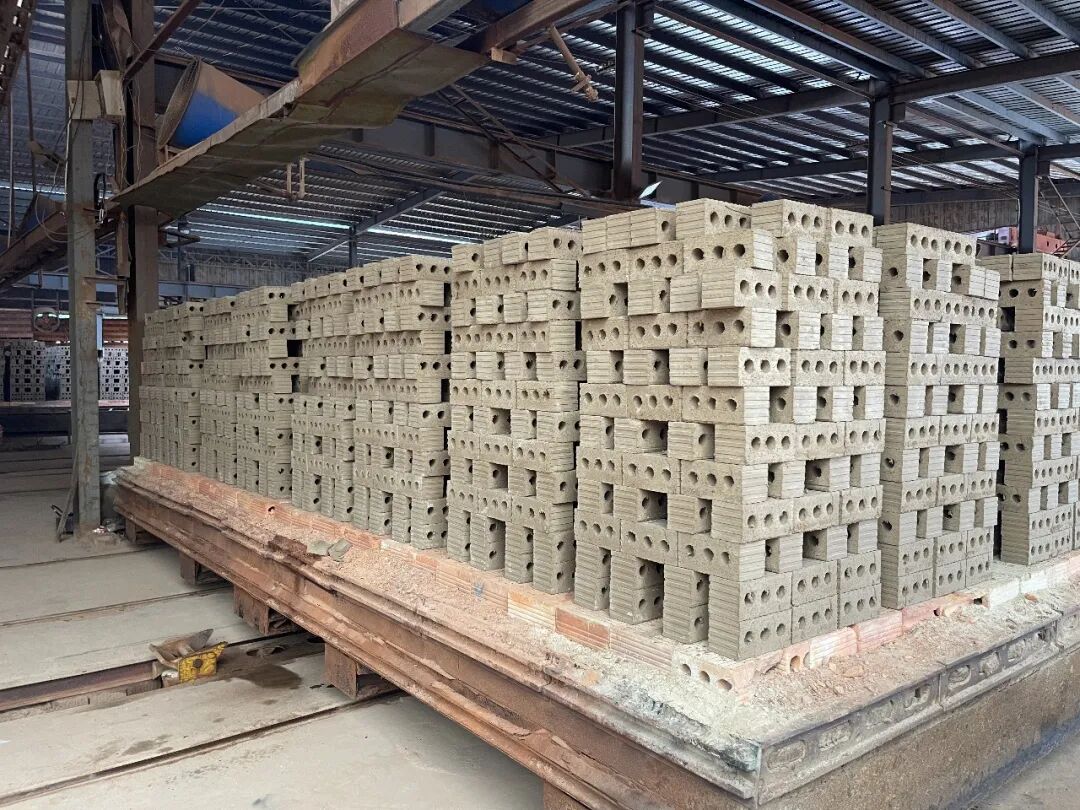
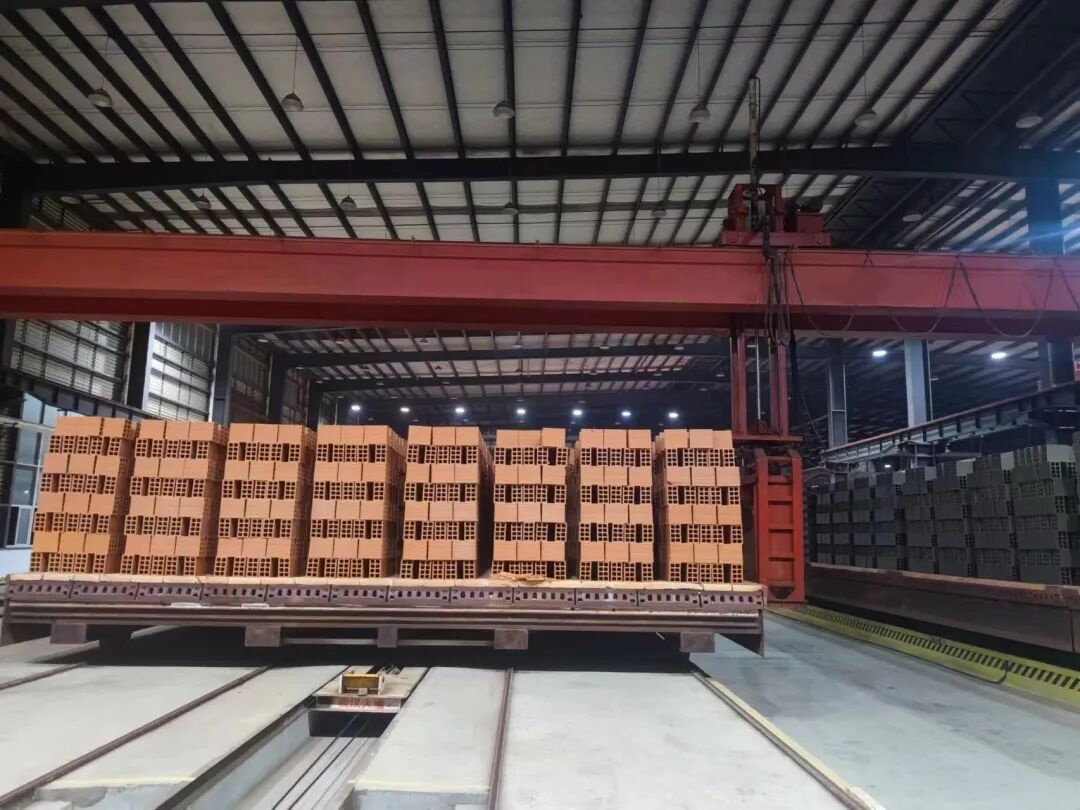
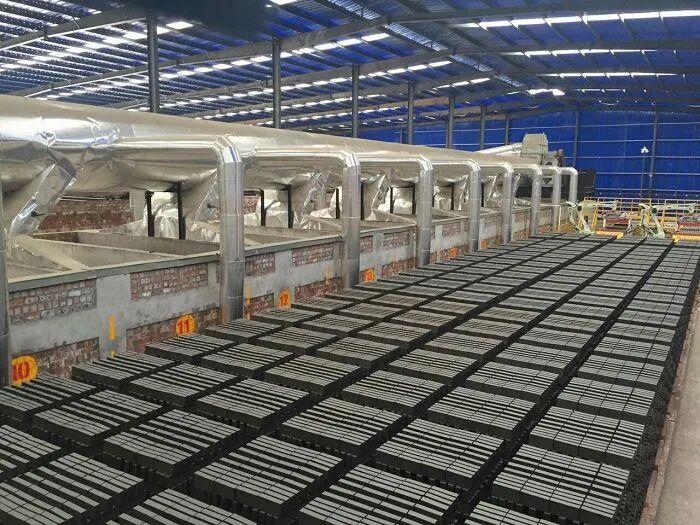
Manufacturing process of sintered bricks
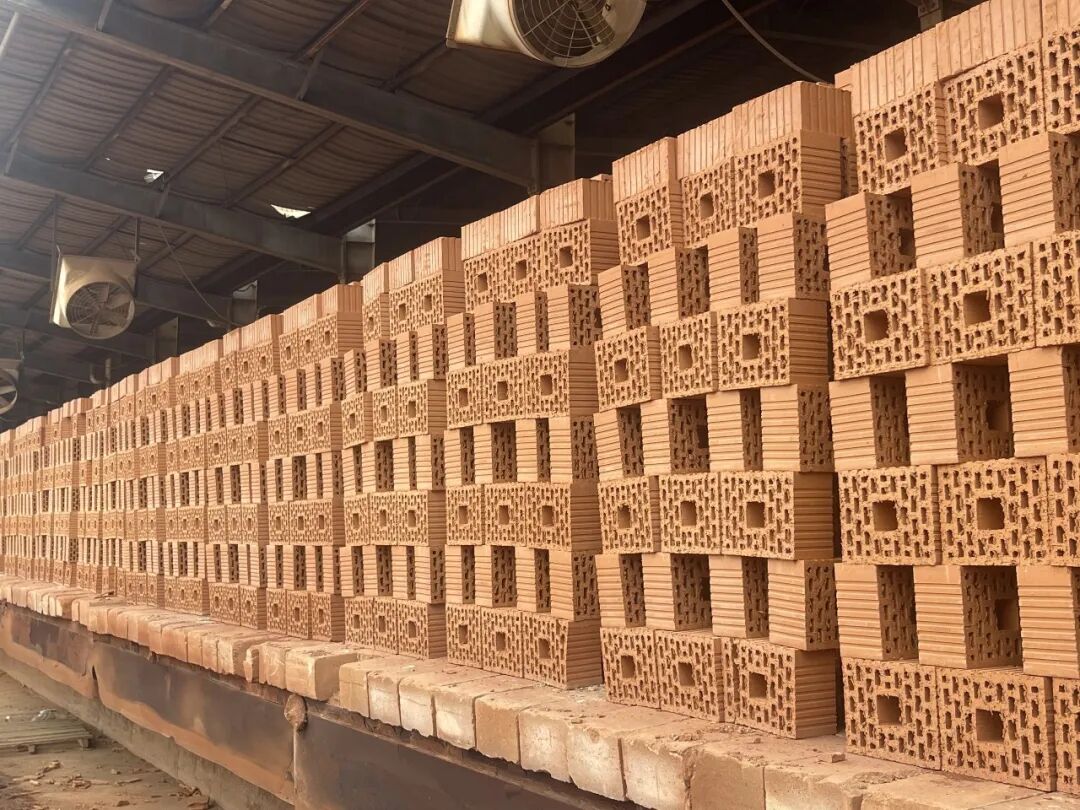
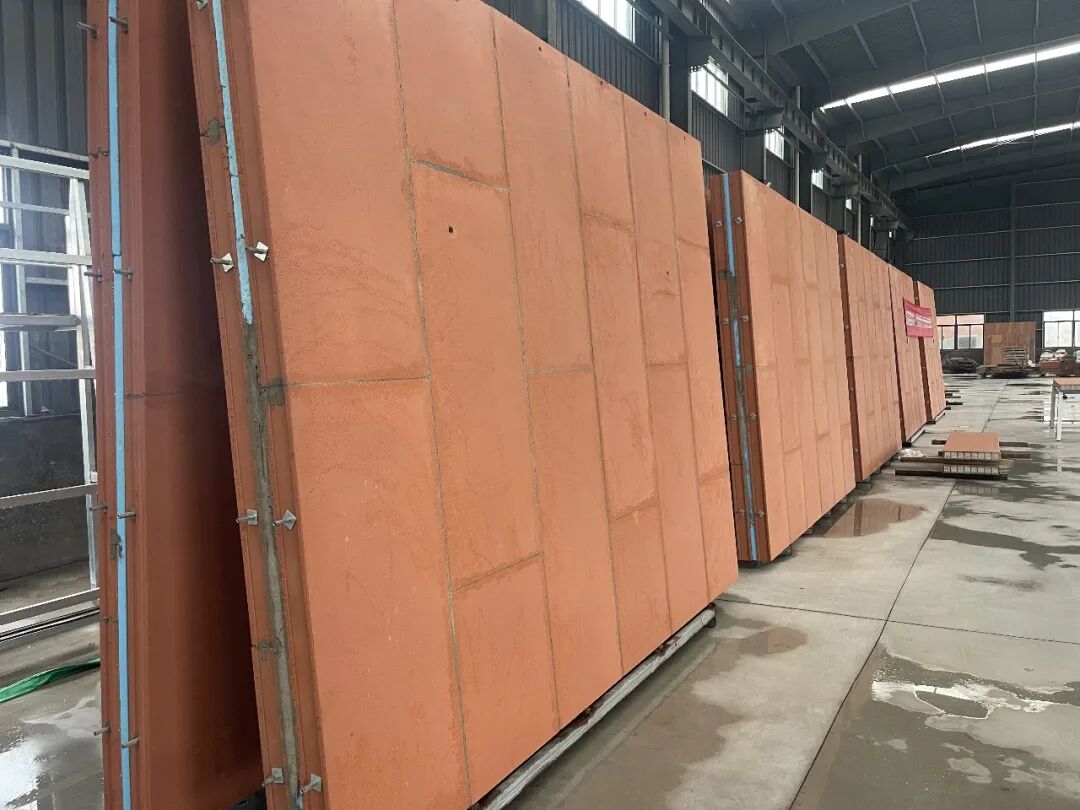
Sintered bricks are a common building material, made primarily from clay, shale, coal gangue, or fly ash, through a process of batching, crushing, molding, drying, and high-temperature firing. They possess advantages such as high strength, good durability, thermal insulation, and breathability and moisture absorption, and are widely used in walls, foundations, chimneys, and road surfaces.
The manufacturing process of sintered bricks mainly includes four stages: raw material preparation, molding, drying, and firing. The process flow is described below in sequence:
1. Raw Material Preparation
Materials Selection: Commonly used materials include clay, shale, coal gangue, and fly ash.
Crushing and Crushing: The raw materials are crushed to a particle size of less than 2mm, removing impurities such as stones and tree roots.
Mixing and Aging: Water is added and stirred until the moisture content reaches 15%~20%, then allowed to stand for aging (24~72 hours) to allow for uniform moisture penetration and improve plasticity.
2. Molding
Main Method: Extrusion Molding. The aged clay is fed into a vacuum brick extruder and extruded into continuous clay strips.
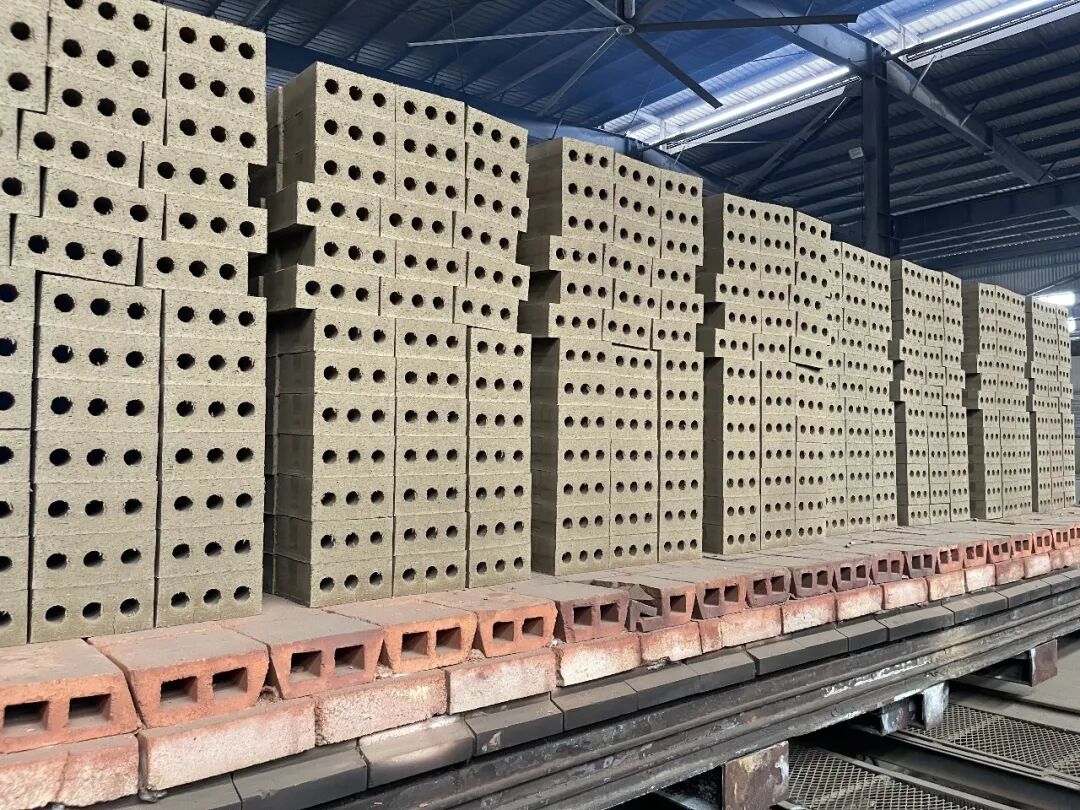
The cross-sectional shape and holes (solid, porous, hollow) are controlled by the die head, and the bricks are cut into individual brick blanks of a set length using a wire cutter.
Other methods: Semi-dry pressing (for low-plasticity raw materials), soft molding (less commonly used).
3. Drying
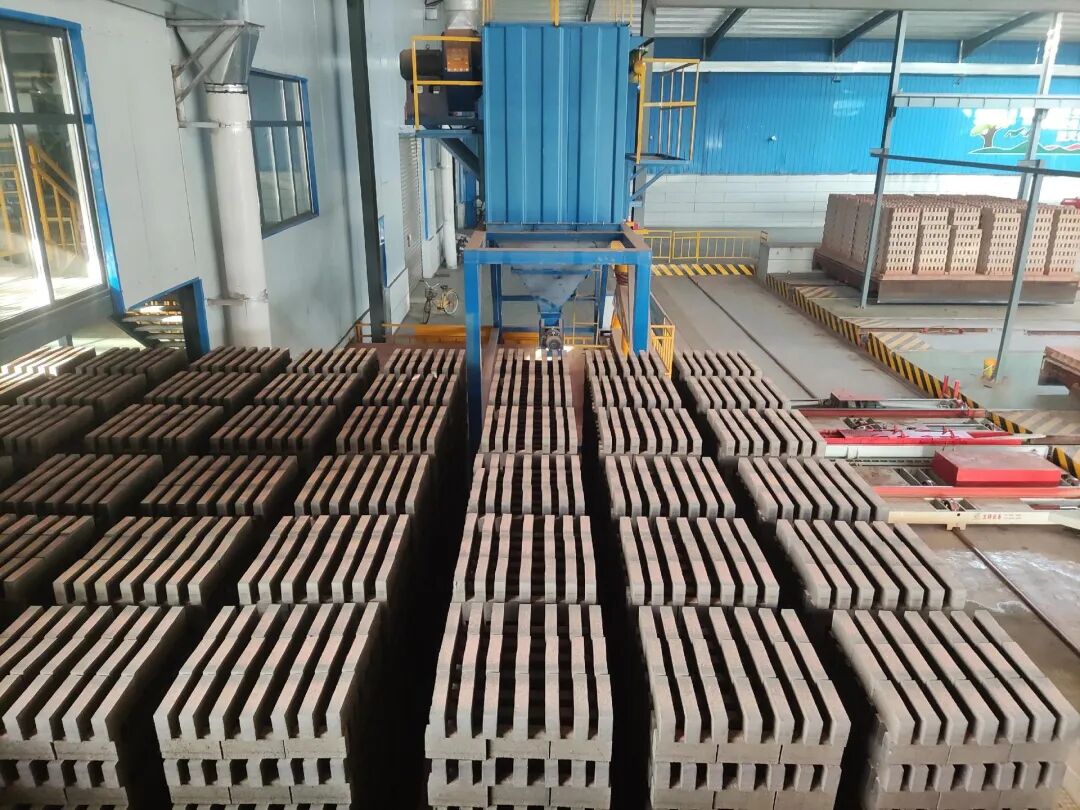
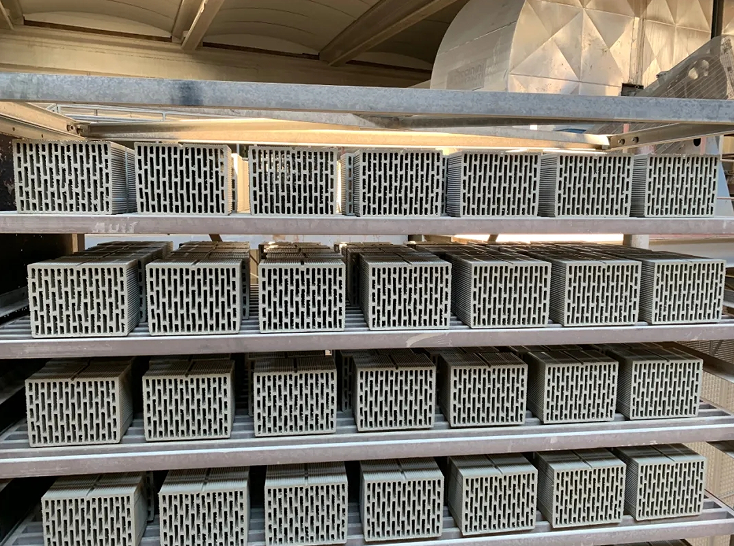
Purpose: To reduce the moisture content of the brick blanks from 15%~20% to below 6% to prevent cracking during firing.
Methods:
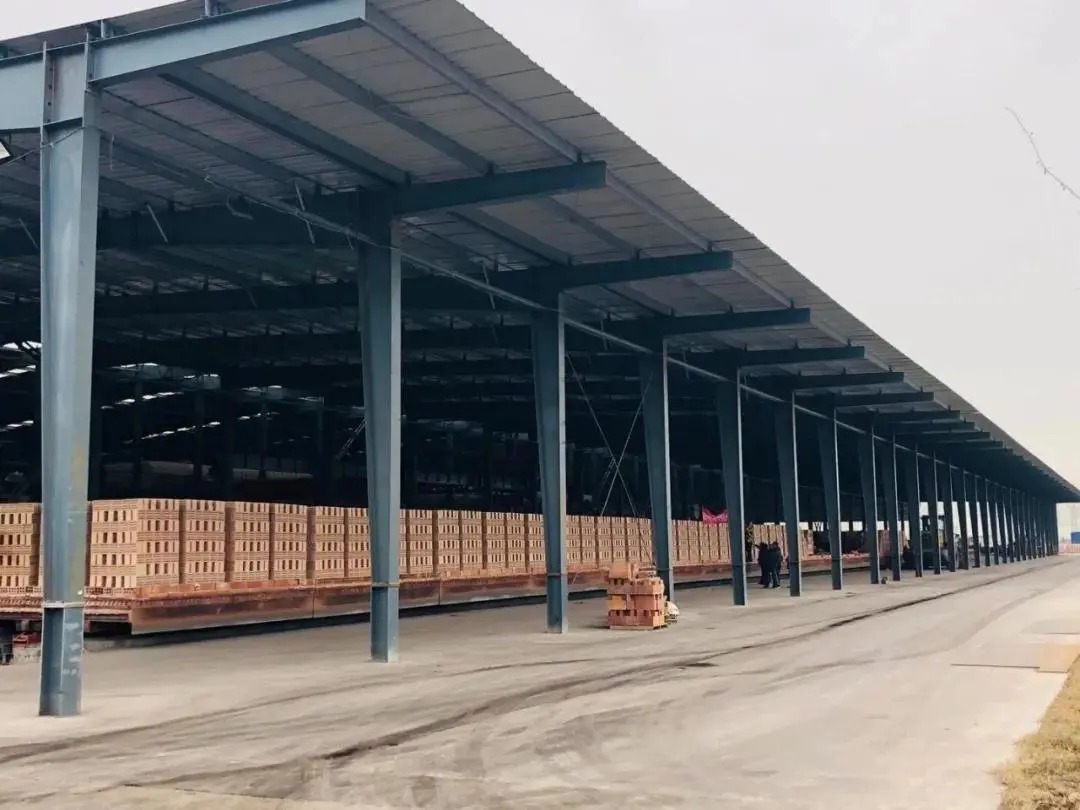
Natural drying: Manually stacking the bricks in a ventilated area to air dry (long time, affected by weather).
Artificial drying: Using a tunnel drying chamber or chamber dryer, hot air at 80~120℃ (often from waste heat from the kiln) is introduced, drying time is approximately 24~48 hours.
4. Firing
Equipment: Rotary kiln or tunnel kiln (modern kilns are mostly used for continuous production).
Temperature curve
Preheating stage: Slowly raise the temperature to 500~600℃ to remove residual moisture and organic matter.
Firing Stage: Heat to 900-1100℃, clay minerals melt, particles sinter, and the bricks become dense.
Cooling Stage: Gradually cool to room temperature (cooling rate must be controlled to avoid rapid cooling cracks).
Color Control: Red Bricks: Natural cooling allows iron to form Fe₂O₃ (red) in an oxidizing atmosphere.
Blue Bricks: At the end of firing, the kiln top is sealed and water is injected to create a reducing atmosphere, where iron is converted to FeO or Fe₃O₄ (bluish-gray), while also improving weather resistance.