0102030405
Key Operational Optimization Strategies to Accelerate Sintering Speed of Tunnel Kilns in Brick Production
2026-06-05
Efficient sintering is the core of improving production efficiency and finished product quality for brick factory tunnel kilns. Reasonable control of fuel performance, feeding operation, kiln atmosphere and temperature curve can effectively speed up the sintering process, eliminate defective bricks and reduce energy consumption.
Fuel quality control is the primary prerequisite for efficient sintering. Coal fuel with excessive moisture content will seriously delay the combustion process after entering the kiln. A large amount of heat is consumed for water vaporization in the early stage of kiln entry, which delays the temperature rise and fuel ignition. Meanwhile, wet coal is prone to agglomeration, failing to disperse evenly in the kiln. This greatly reduces the contact area between coal and air, resulting in slow combustion. To solve this problem, brick factories need to build special coal storage sheds to prevent rain soaking. High-moisture coal must be naturally air-dried or artificially dried before use to strictly control fuel moisture indicators.
Fuel particle size treatment is also indispensable. Raw coal for kiln combustion must be screened in advance, and massive coal blocks need to be fully crushed. Fine-grained fuel can maximize the contact area with oxygen in the kiln, significantly accelerate combustion efficiency, and effectively avoid incomplete combustion problems such as coke deposition and black brick defects.
Standardized coal feeding and kiln stacking modes are crucial for stable and rapid sintering. Workers should adhere to the operating principle of "frequent and small feeding, fire observation-based coal adding". For full external combustion bricks, the optimal feeding cycle is 1.5 minutes per round, with graded feeding quantities: 0.1-0.2kg for the 800-900℃ kiln section and 0.2-0.3kg for the high-temperature section above 900℃. The external coal feeding amount should be appropriately reduced with the increase of internal combustion proportion. Disordered feeding with long intervals and single large dosage will cause insufficient oxygen and poor combustion at the initial stage, and unstable fire temperature in the later stage. The optimal fuel falling ratio at the kiln bottom is 10%. In addition, mechanical coal feeders can realize uniform and quantitative feeding, saving about 20% of fuel compared with manual operation.
Unified shift operation standards are the guarantee of consistent fire progression speed. Inconsistent operation among three shifts will lead to fluctuating kiln temperature and uneven fire advancing speed, causing fuel waste, unstable brick quality and low output. On the premise of meeting standard sintering temperature, properly increasing excess air volume can enrich oxygen in the combustion zone, accelerate oxidation reaction and shorten sintering cycle.
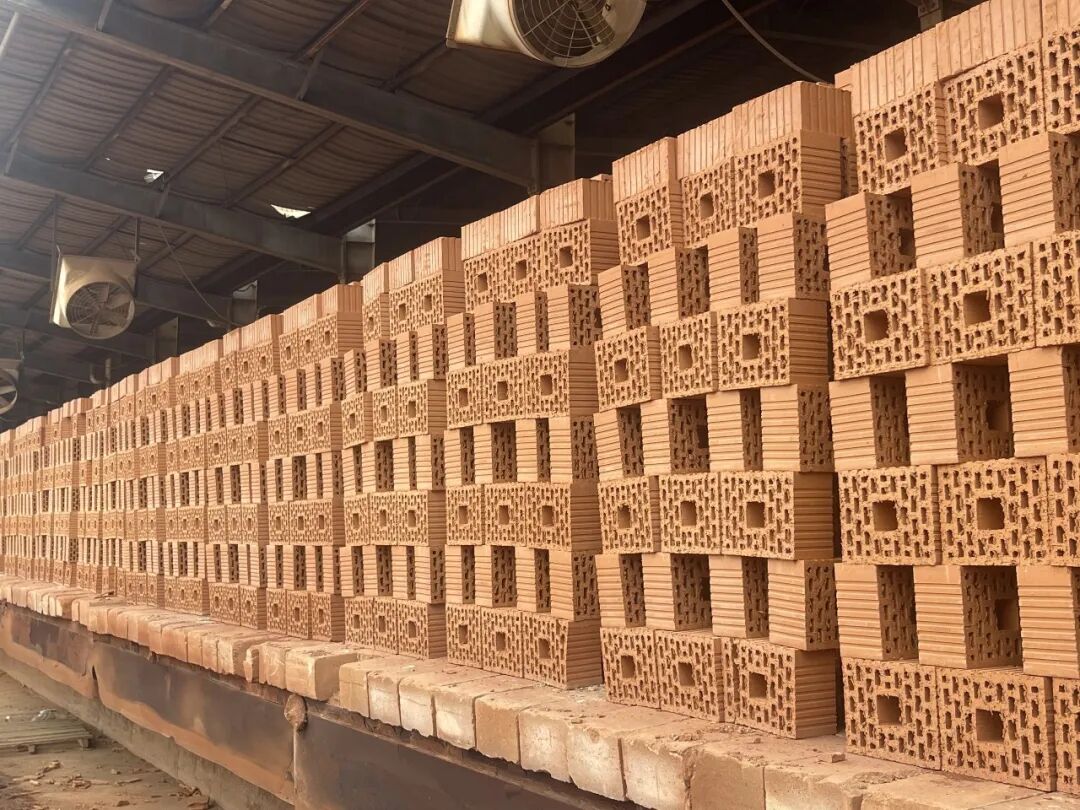
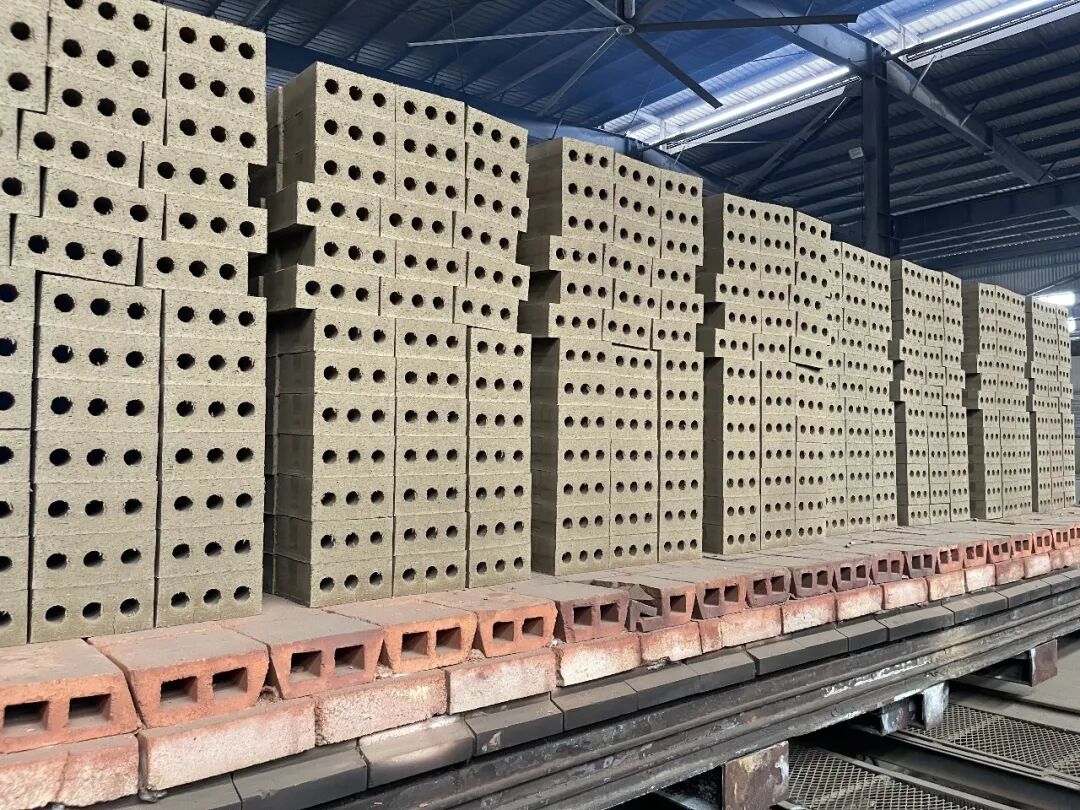
For internal combustion bricks, especially high internal combustion bricks, the low-temperature long-time sintering technology must be adopted. Rapid temperature rise in the front section of the combustion zone will cause premature vitrification and densification of the brick surface, block internal pores, hinder oxygen penetration, and lead to incomplete combustion of internal fuel. Controlling a gentle temperature rise in the front section can maintain unobstructed pore channels for continuous oxygen supply, while maintaining sufficient high temperature in the middle and rear sections of the combustion zone to completely burn out internal fuel, effectively reducing defective products such as black cores and pattern pressing on finished bricks. Moreover, converting solid bricks to hollow bricks can optimize the oxygen contact condition of internal fuel, which is an effective way to improve the combustion efficiency of high internal combustion bricks.