0102030405
Key Kiln Operation Optimization Strategies for Low-Cost and High-Efficiency Brick Production
2026-07-28
With the continuous rise of global industrial energy prices, energy efficiency optimization has become a core competitive advantage for modern brick manufacturing enterprises. Traditional brick kiln operation relies on empirical management and contains many unreasonable operational flaws, leading to excessive energy consumption, low production efficiency and high defective product rates. For overseas brick kiln production line investors and factory operators, mastering professional kiln firing optimization strategies can significantly reduce operational costs, improve brick quality, and enhance overall production line benefits.
Brick kiln energy saving is a systematic project that requires full-process refined management, covering pre-firing brick processing, internal kiln environment control, mechanical equipment adjustment and standardized manual operation. Every detailed optimization can accumulate into substantial long-term energy-saving and cost-reducing benefits for mass brick production.
Preheating stage optimization is the primary link to eliminate invalid energy consumption.
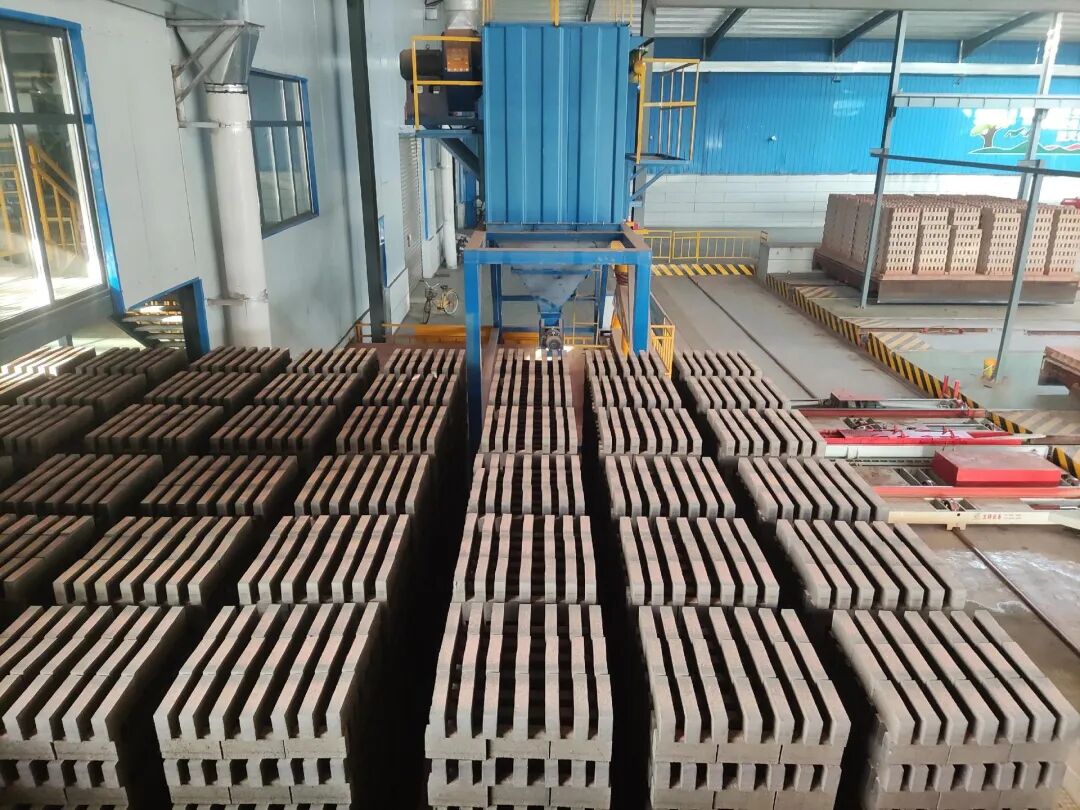
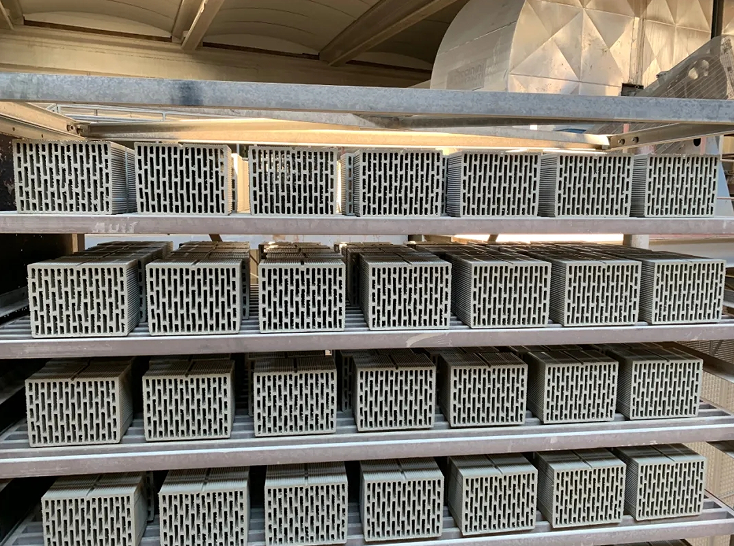
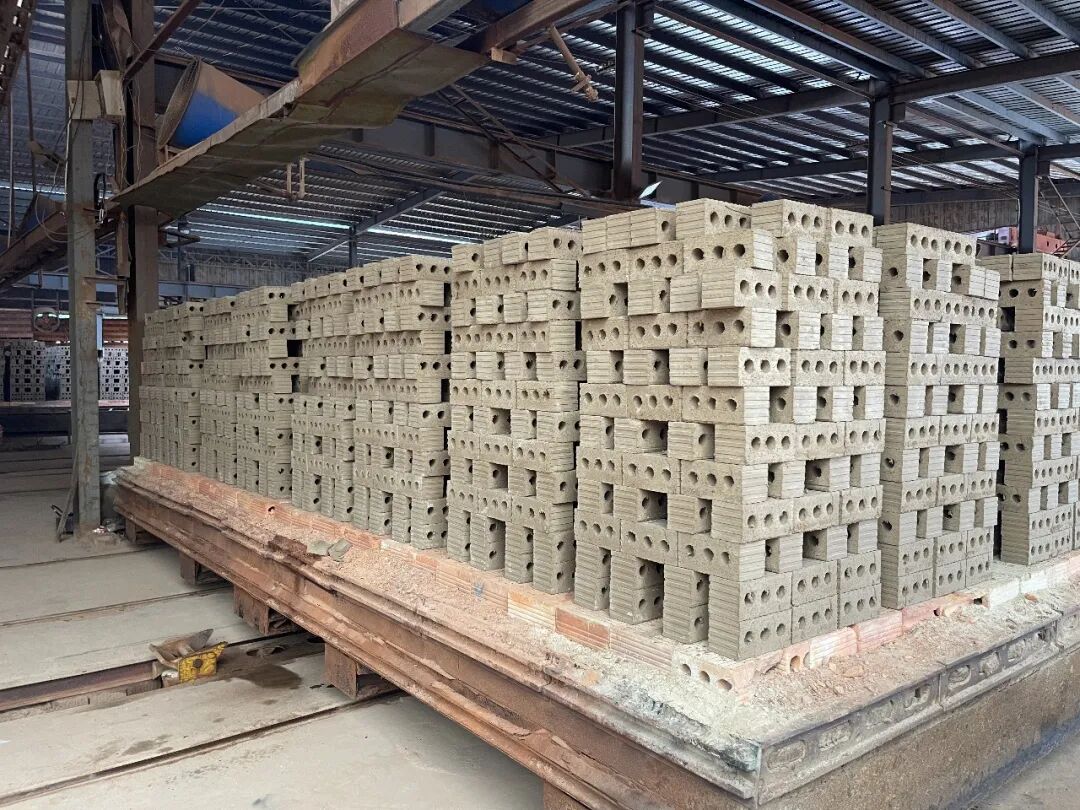
Residual moisture control of kiln-entry dry bricks determines preheating efficiency. Bricks with excessive residual moisture require massive thermal energy for water evaporation during preheating, extending production cycles and reducing thermal utilization efficiency. Standardizing brick drying standards and controlling qualified residual moisture ensure rapid, uniform and stable temperature rise in the preheating zone, effectively saving a large amount of wasted thermal energy.
Stabilizing the internal structural layout of kiln firing zones guarantees consistent energy consumption and product quality.
The preheating zone, high-temperature firing zone and cooling zone must maintain fixed positions and stable lengths throughout continuous production. Frequent kiln zone drift causes uneven firing, partial overheating or underheating of bricks, which not only increases redundant fuel consumption but also raises the defective rate. Maintaining a stable kiln thermal field ensures standardized brick firing quality and controllable unit energy consumption.
Waste heat recycling via scientific damper adjustment delivers high energy-saving returns for continuous kiln production.
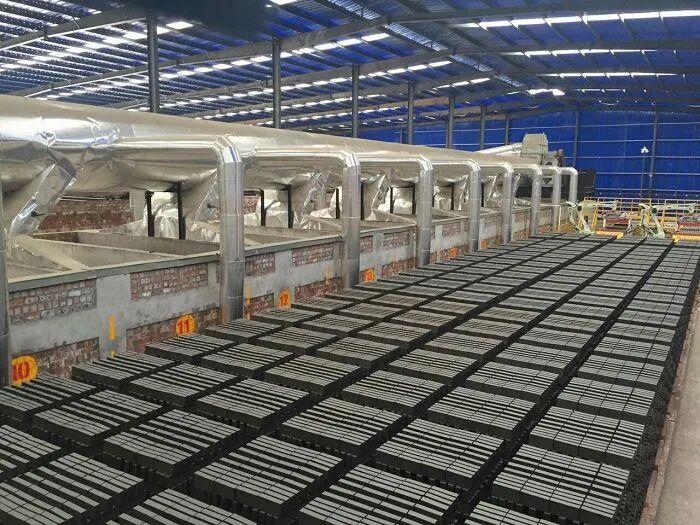
Modern brick tunnel kilns produce abundant recoverable waste heat during firing and cooling processes. By optimizing air damper opening, ventilation volume and air flow direction, factories can fully recycle waste heat to preheat raw bricks and stabilize kiln temperature. Efficient waste heat replacement reduces reliance on external fuel supply and significantly lowers unit energy consumption per finished brick.
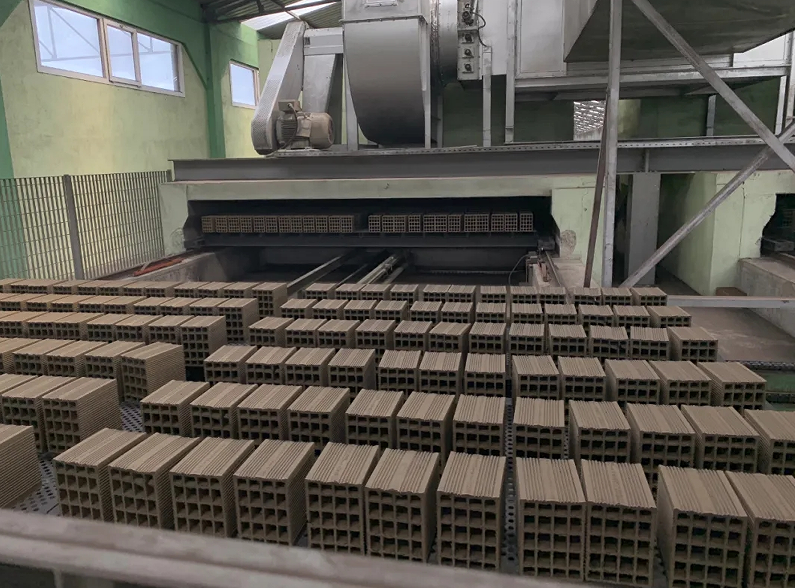
Daily kiln airtightness maintenance is a low-cost, high-efficiency energy-saving measure easily overlooked by brick factories.
Long-term operation will create gaps in the kiln body, sealing doors and kiln car joints, leading to hot gas leakage and cold air infiltration. Thermal outflow causes direct energy loss, while cold air inflow disrupts the internal thermal field and increases firing difficulty. Regular inspection, repair and sealing reinforcement maintain a constant internal kiln temperature, avoiding long-term invisible energy waste.
Optimizing kiln operation cycles effectively reduces heat storage loss of kiln infrastructure.
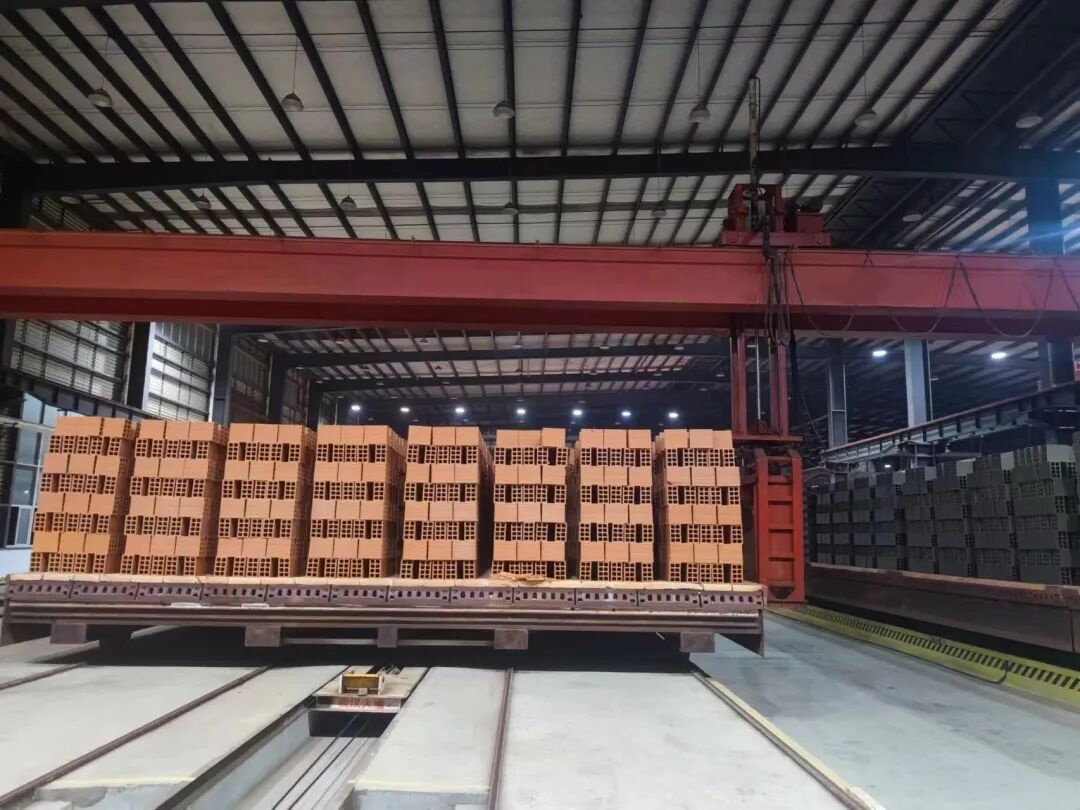
Both the kiln body and kiln cars absorb and store a large amount of heat during operation. Too long interval between production batches leads to natural heat dissipation and repeated heating consumption. Accelerating continuous cyclic operation makes full use of stored residual heat, reduces repeated thermal loss, and greatly improves the overall operating efficiency of the brick production line, especially suitable for large-scale automated brick kiln systems.
Improving brick firing qualification rate is the most valuable core optimization for energy and cost reduction.
Every defective brick represents wasted fuel, electricity, raw materials and labor costs. By standardizing firing parameters, stabilizing kiln temperature and optimizing operational procedures, manufacturers can maximize finished product yield. Reducing defective products fundamentally eliminates invalid energy consumption, realizing dual improvement of energy utilization efficiency and economic benefits.
Refined and precise fuel management ensures accurate energy control for kiln firing.
Professional operators need to observe kiln fire conditions and temperature change trends in real time to dynamically adjust fuel feeding frequency and dosage. The operational standard of “small dosage and frequent feeding” ensures full and complete fuel combustion, avoiding energy waste caused by insufficient combustion. Meanwhile, adjust fuel consumption according to the actual calorific value of fuel materials to make heat supply precisely match production demand, realizing accurate, efficient and low-energy kiln firing operation.
To sum up, high-efficiency and low-energy brick kiln production depends on full-process standardized operation optimization. Comprehensive upgrading of brick preprocessing, kiln thermal field stabilization, waste heat utilization, equipment sealing maintenance and refined fuel management enables brick enterprises to achieve green, low-cost and high-yield production. These professional optimization measures help overseas brick factory operators reduce operational costs and gain core advantages in the fiercely competitive global brick manufacturing market.