
0102030405
Key Fault Analysis and Improvement Ideas for Tunnel Kiln Overburning & Brick Adhesion Defects
2026-08-11
Brick overburning and blank adhesion are prevalent and stubborn quality faults in tunnel kiln firing production, troubling the long-term quality control of most brick and tile manufacturing plants. Large-area overburning and severe brick sticking will directly trigger mass finished product scrapping, greatly increase raw material and production costs, and seriously restrict the promotion of intelligent kiln production efficiency. Combining years of on-site kiln debugging and production practice, this article sorts out six major root causes of tunnel kiln overburning adhesion, compares the defect characteristics of rotary kilns and tunnel kilns, and provides practical improvement suggestions for production enterprises.
First, abnormal internal heat of green bricks is the primary triggering factor. When the proportion of combustible materials inside brick blanks is excessively high, the generated internal combustion firing heat will exceed the set process standard value. A large amount of redundant heat cannot be fully dissipated in the tunnel kiln’s high-temperature working section, resulting in excessive sintering temperature on the brick surface. The overheated brick bodies soften and bond tightly with adjacent blanks, forming stable adhesion defects.
Second, defective ventilation system design leads to poor internal kiln air circulation and heat exchange. The misaligned layout between brick stack ventilation holes and kiln wall exhaust openings destroys the uniform temperature field and air flow field inside the kiln. Internal combustion heat accumulates continuously in the high-temperature zone and forms explosive concentrated combustion, which eventually leads to large-scale overburning and sticking of bricks and tiles.
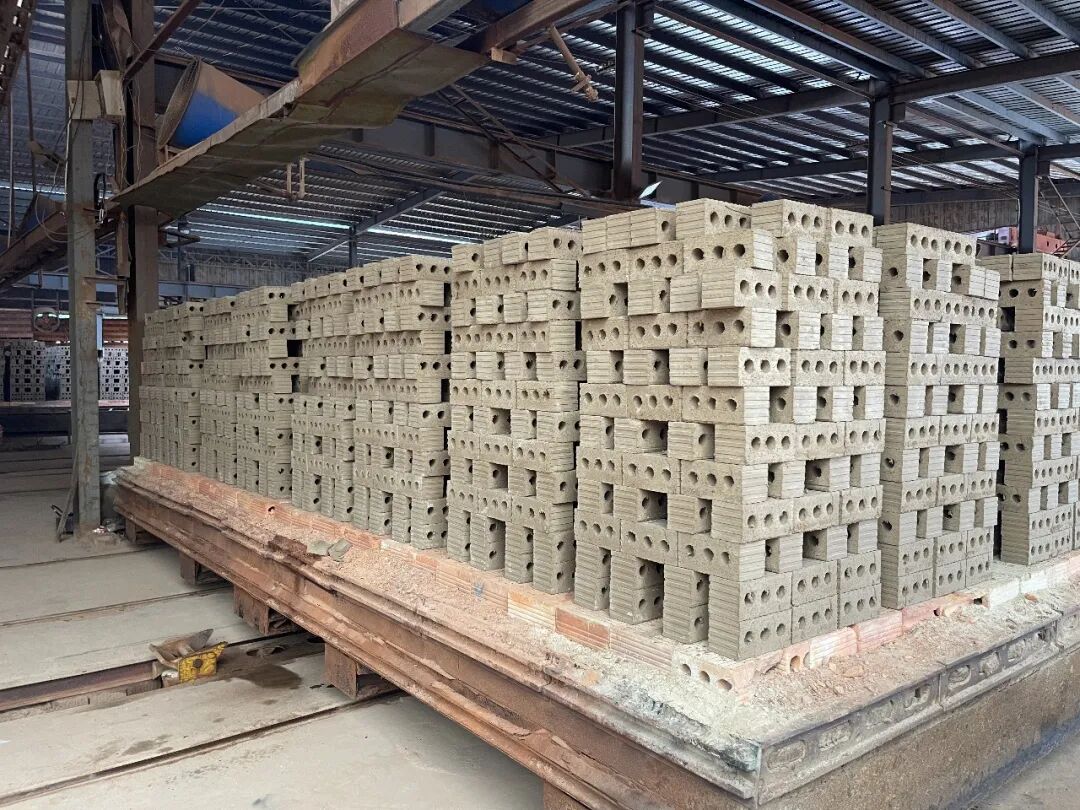
Third, non-standard kiln gap layout causes severe uneven air volume distribution. The industry standard reserved gap between brick stacks, kiln walls and kiln roofs is strictly controlled within 80mm. Once the gap exceeds the standard range, more than 80% of the circulating air flows out through the peripheral gaps, leaving almost no effective ventilation in the middle of brick stacks. Inadequate preheating makes green bricks unable to adapt to high-temperature firing conditions, and instantaneous intense internal combustion occurs after entering the high-temperature zone, causing widespread overburning and blank adhesion.
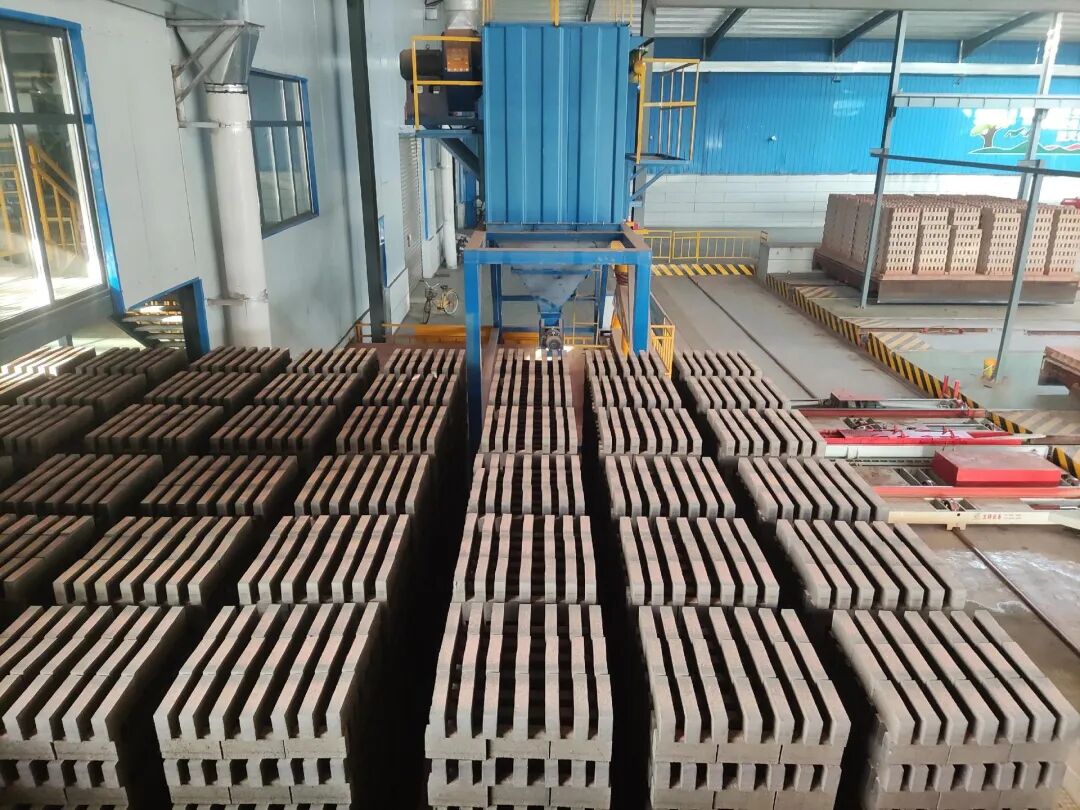
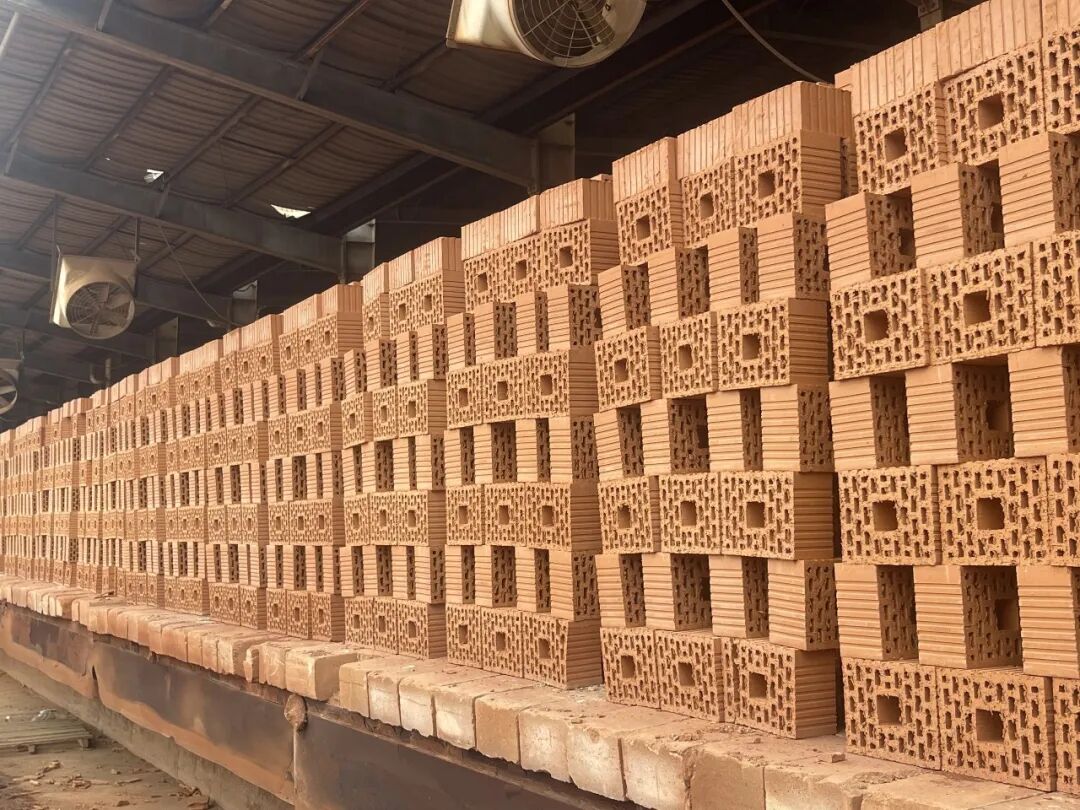
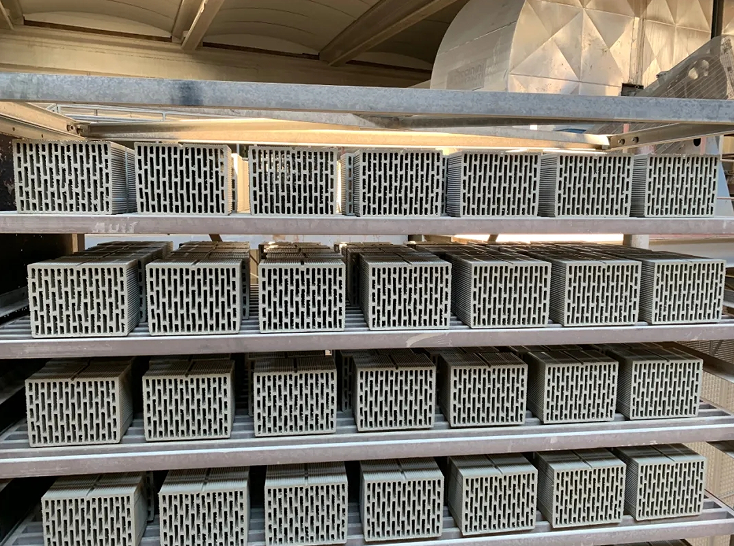
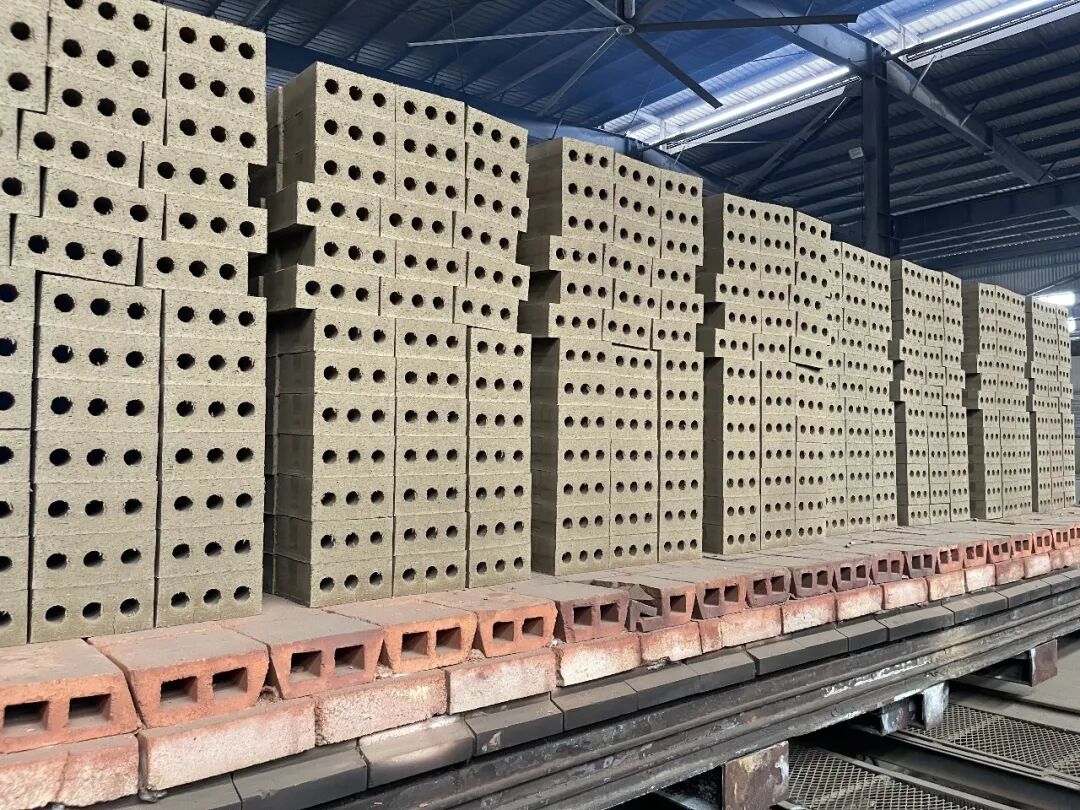
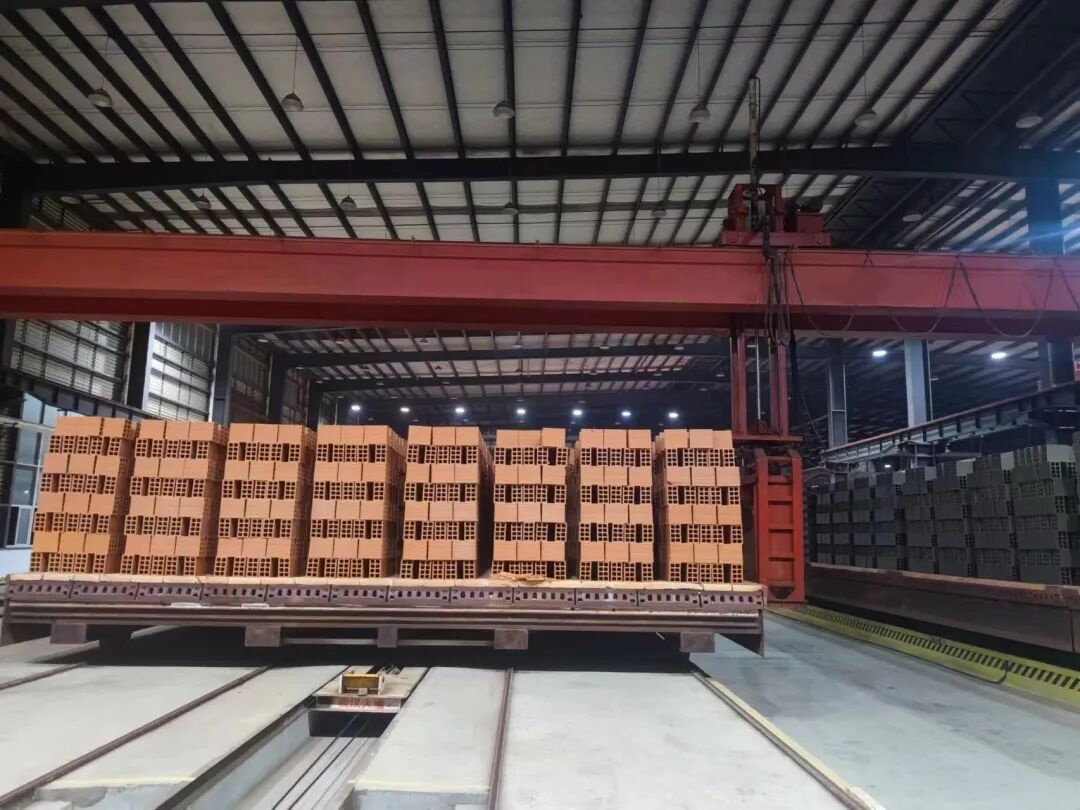
Fourth, unscientific brick stacking processes severely affect firing temperature uniformity. Overly dense stacking and insufficient ventilation gaps between brick stacks block internal air convection and heat dissipation. Local heat accumulation inside the brick stack forms ultra-high temperature hot zones, which make brick bodies produce liquid phase substances in advance during firing, resulting in severe mutual adhesion and overburning quality defects.
Fifth, unreasonable manual scheduling and improper equipment operation easily trigger firing abnormalities. Common faulty operations include blindly pursuing output by lowering far gates and raising near gates, and excessive fan suction that presses down the gate height. These irregular operations break the kiln’s normal gradient firing temperature curve, cause premature liquid phase sintering of brick surfaces, and eventually lead to large-area overburning and brick sticking faults.
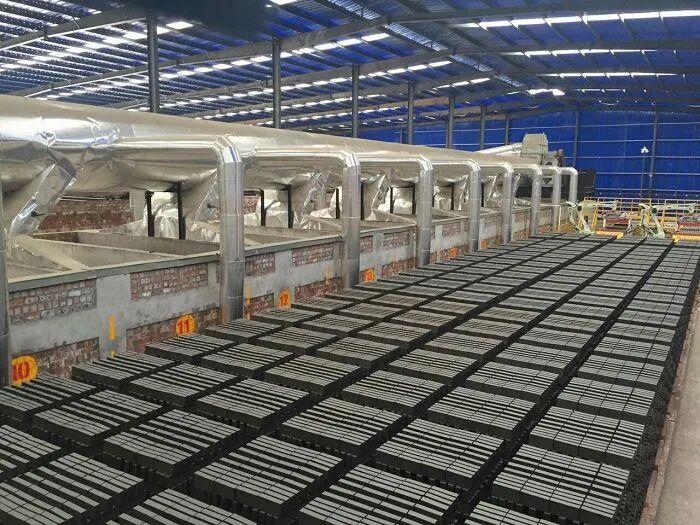
Sixth, unreasonable kiln body structural design fundamentally restricts firing quality. Insufficient effective length of the tunnel kiln’s preheating zone and roasting zone makes the green brick gradient preheating process incomplete. Bricks enter the high-temperature firing zone with unbalanced internal and external temperatures, and the internal fuel burns rapidly and violently, forming concentrated overburning and continuous brick sticking faults.
In contrast, rotary kilns have simpler and more concentrated defect mechanisms for overburning and sticking. The main inducing factors are summarized as excessive blank internal combustion heat, insufficient preheating section design length, improper near-gate high-position operation, and insufficient overall kiln exhaust capacity, which are the core reasons for rotary kiln sintering adhesion faults.
FAQ
Q1: What is the standard gap between tunnel kiln brick stack and kiln wall?
A: The standard gap is controlled within 80mm. Excessive gaps will cause air distribution imbalance, poor blank preheating and subsequent overburning sticking defects.
Q2: How to distinguish tunnel kiln overburning caused by process and operation?
A: Process causes include unreasonable ventilation design, kiln length mismatch and unscientific stacking; operational causes are mainly improper gate adjustment and excessive fan suction for output improvement.
Q3: What are the main overburning causes of rotary kilns in brick production?
A: Rotary kiln overburning is mainly caused by excessive blank internal combustion heat, insufficient preheating zone length, high near-gate operation and insufficient kiln internal suction.