0102030405
Key Differences Between Roller Kiln and Shuttle Kiln for Brick & Ceramic Production
2026-04-10
For enterprises engaged in the production of clay bricks, ceramic tiles and terracotta panels, the selection of sintering equipment directly determines production stability, product quality and market adaptability. Roller kilns and shuttle kilns are two mainstream thermal equipment widely used in the global building materials industry. Although both are used for high-temperature firing of clay products, they have completely different structural characteristics, working modes and application scenarios.
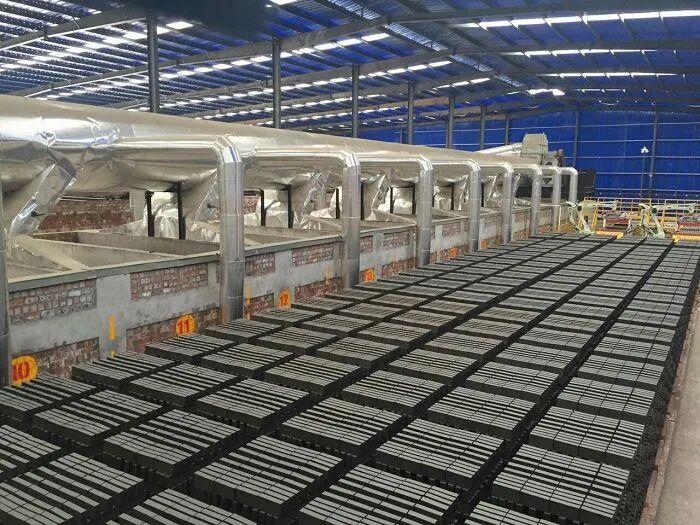
A roller kiln is a typical continuous firing kiln. It uses a large number of high-temperature resistant ceramic rollers as the conveying medium. Blanks are placed on the rollers and pass through the preheating zone, firing zone and cooling zone in sequence at a uniform speed. The whole firing process is continuous and closed, without frequent opening of the kiln door. This structure brings high thermal efficiency, stable temperature field and small product deformation. It is especially suitable for large-scale, standardized and automated production lines, with high output, low energy consumption per unit product and obvious cost advantages in long-term operation.
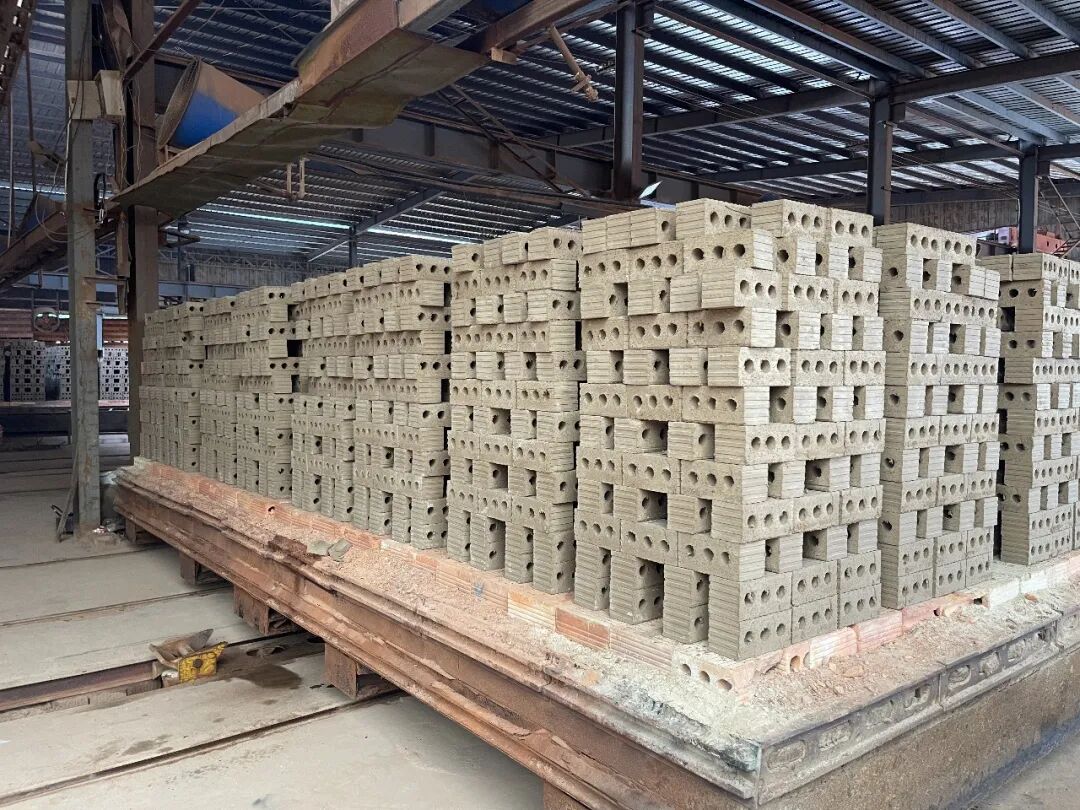
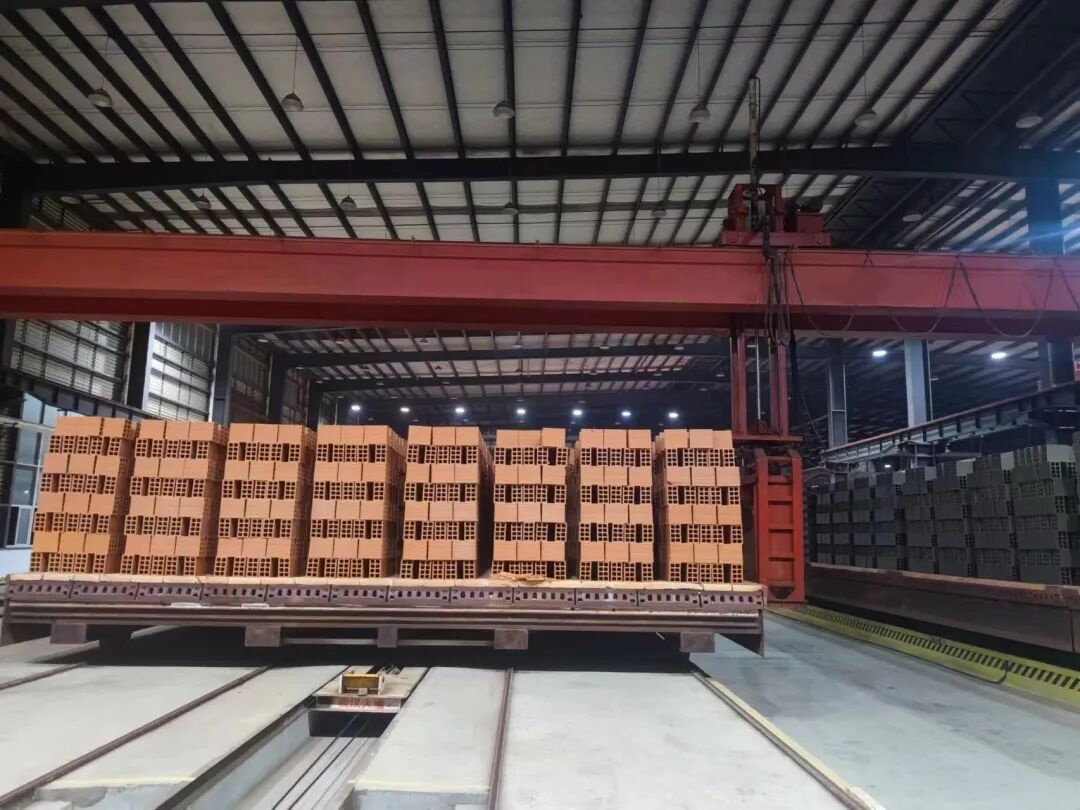
A shuttle kiln is an intermittent batch firing kiln. It mainly relies on kiln cars to carry blanks in and out of the kiln chamber. After one batch of products is loaded, fired and cooled completely, the kiln car is pulled out for unloading. This operation mode makes the shuttle kiln highly flexible. The firing curve, holding time and furnace atmosphere can be adjusted independently for different products. It is very suitable for small-batch production, special-shaped products, trial-produced new products and customized orders with diverse styles. Meanwhile, its structure is simple, the installation period is short, and the one-time investment cost is relatively low.
In general, the biggest difference between roller kilns and shuttle kilns lies in production continuity and flexibility. Roller kilns pursue high efficiency and large output, while shuttle kilns focus on diversity and flexibility. Manufacturers can choose the most suitable kiln type according to their own production scale, product type and development planning, so as to maximize production benefits and market competitiveness.