
Investment Guide: How to Select a Suitable ECP‑Board Production Line for Global Prefabricated‑building Projects
As prefabricated‑building demand rises worldwide, many investors turn to ECP‑board manufacturing as a new business track. However, choosing the right ECP‑board production‑line solution directly determines factory yield, product quality, operating cost and long‑term market competitiveness. This guide helps overseas buyers sort out core selection points for ECP‑board automated production lines.
Step1: Confirm target annual output according to local market demand
ECP‑board production lines have multiple capacity grades: small‑scale pilot lines, medium‑volume commercial lines and large‑scale fully‑automated turn‑key lines.
- Small‑scale line: suitable for market testing, limited local market capacity.
- Medium‑size full‑auto line: mainstream choice for most overseas commercial projects, balancing investment risk and output scale.
- Large‑scale high‑output line: for regions with large‑scale prefabricated‑housing projects and stable large‑order sources.
Do not blindly pursue maximum capacity. Match line output with local market sales capacity to avoid over‑investment.
Step2: Pay attention to raw‑material adaptability of production equipment
Different regions own different mineral raw‑material resources. High‑quality ECP‑board production equipment should support flexible formula adjustment. The production line shall allow mixing of local industrial solid waste resources, reducing raw‑material purchase cost. Before ordering equipment, send local raw‑material samples to equipment suppliers for process verification.
Step3: Evaluate automation level and labor‑saving performance
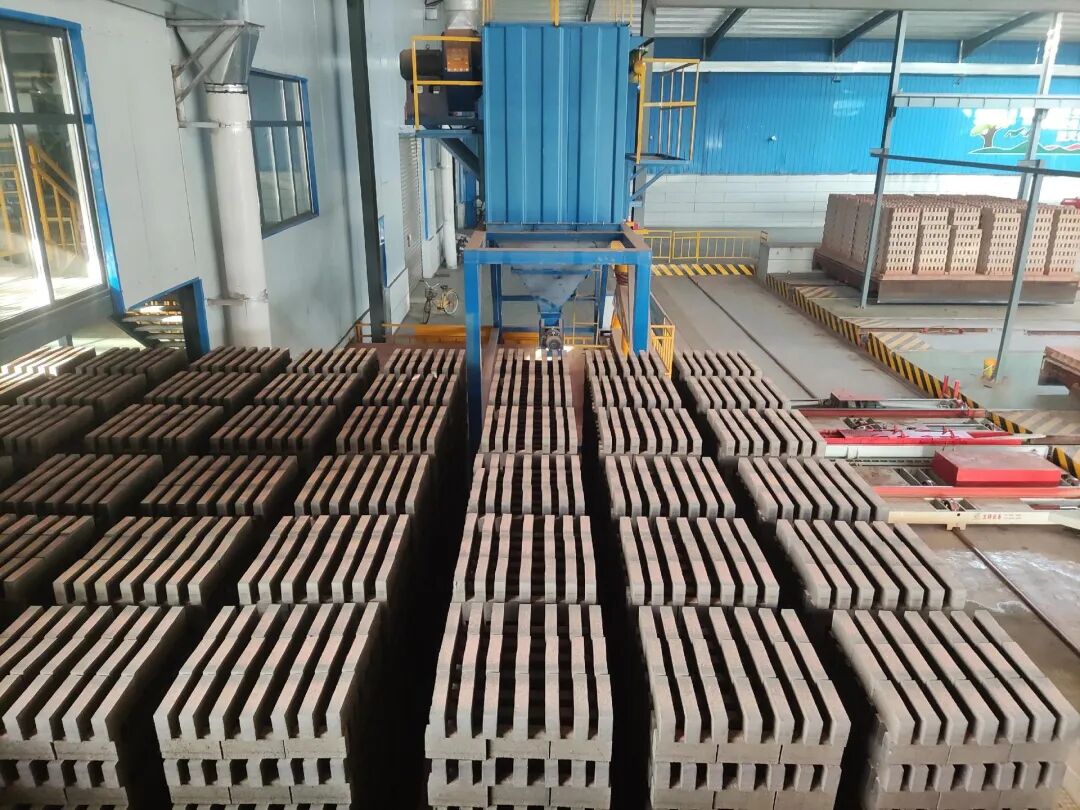
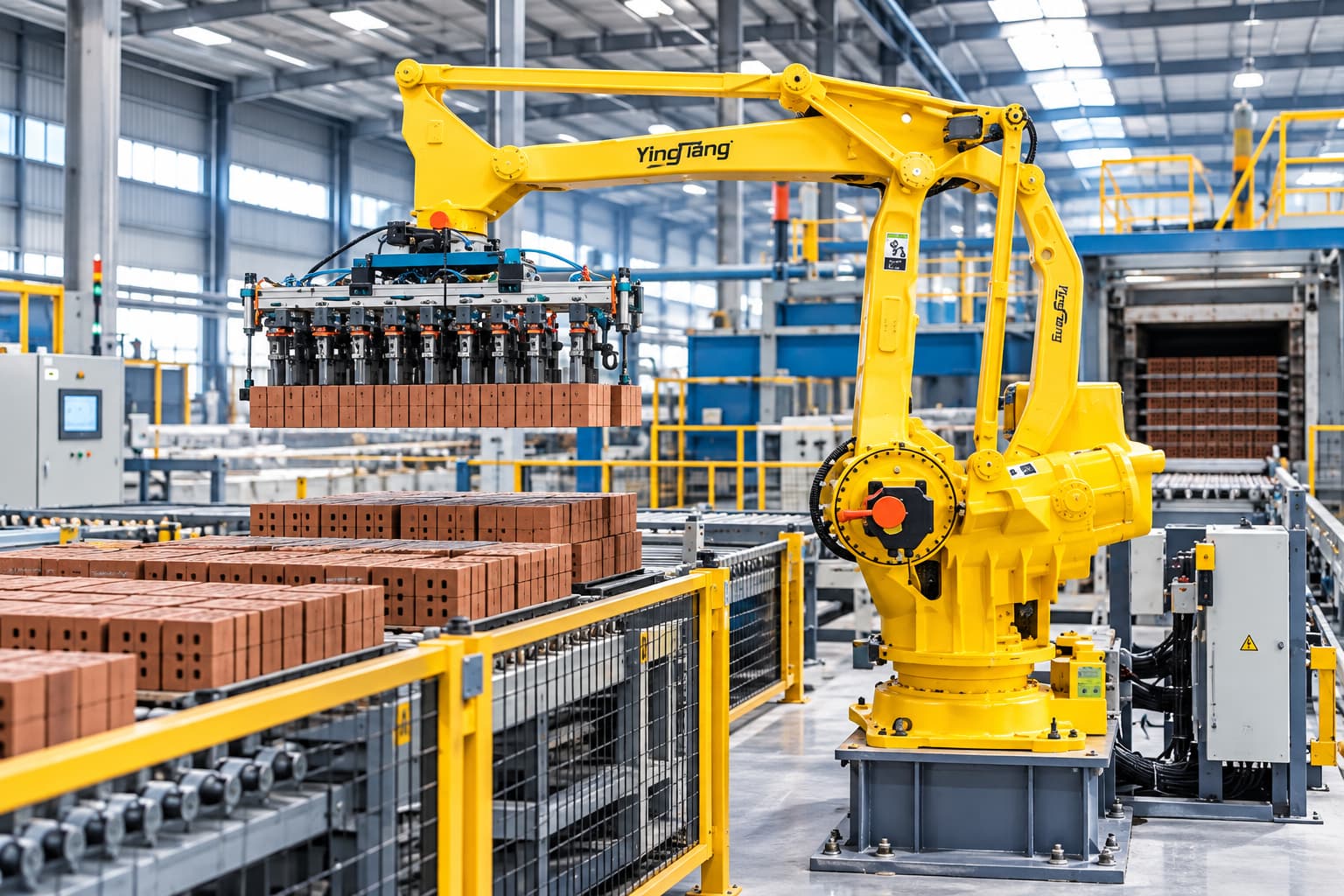
Labor shortage is a common pain point in many global construction‑material markets. High‑automation ECP‑board lines reduce manual intervention in feeding, forming, cutting and finished‑product handling. Lower on‑site worker requirements help factories operate stably in regions short of skilled workers.
Step4: Match kiln & energy‑consumption solution with local fuel conditions
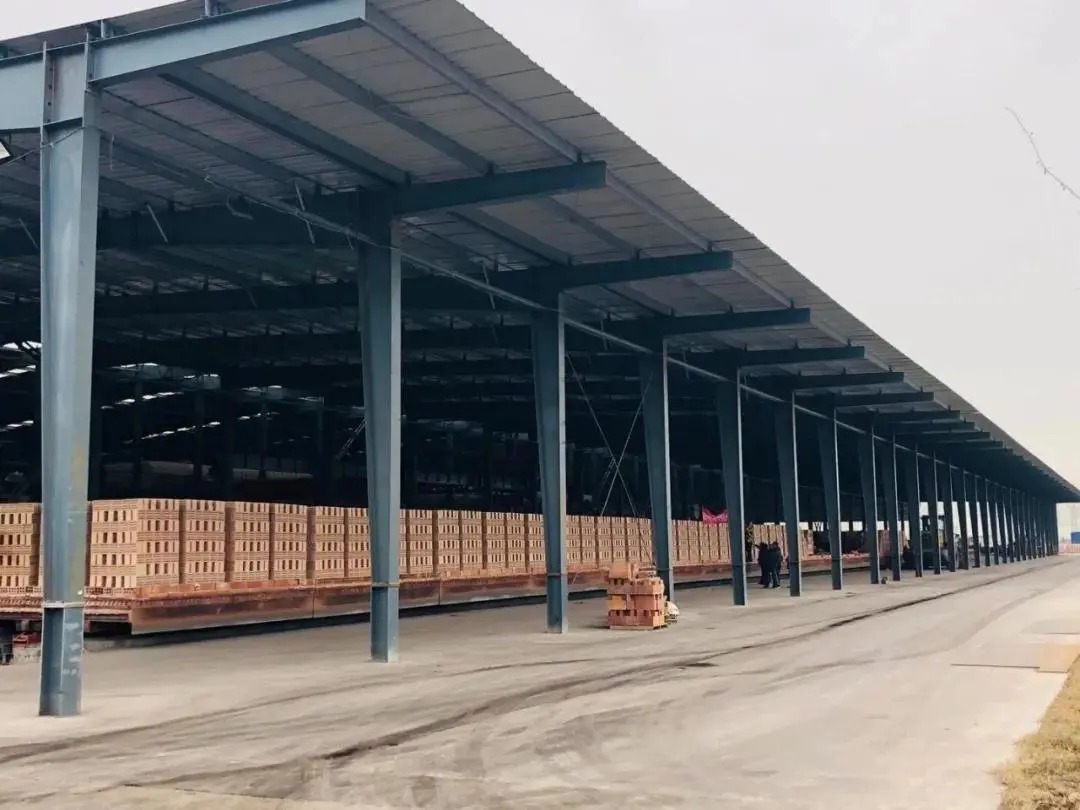
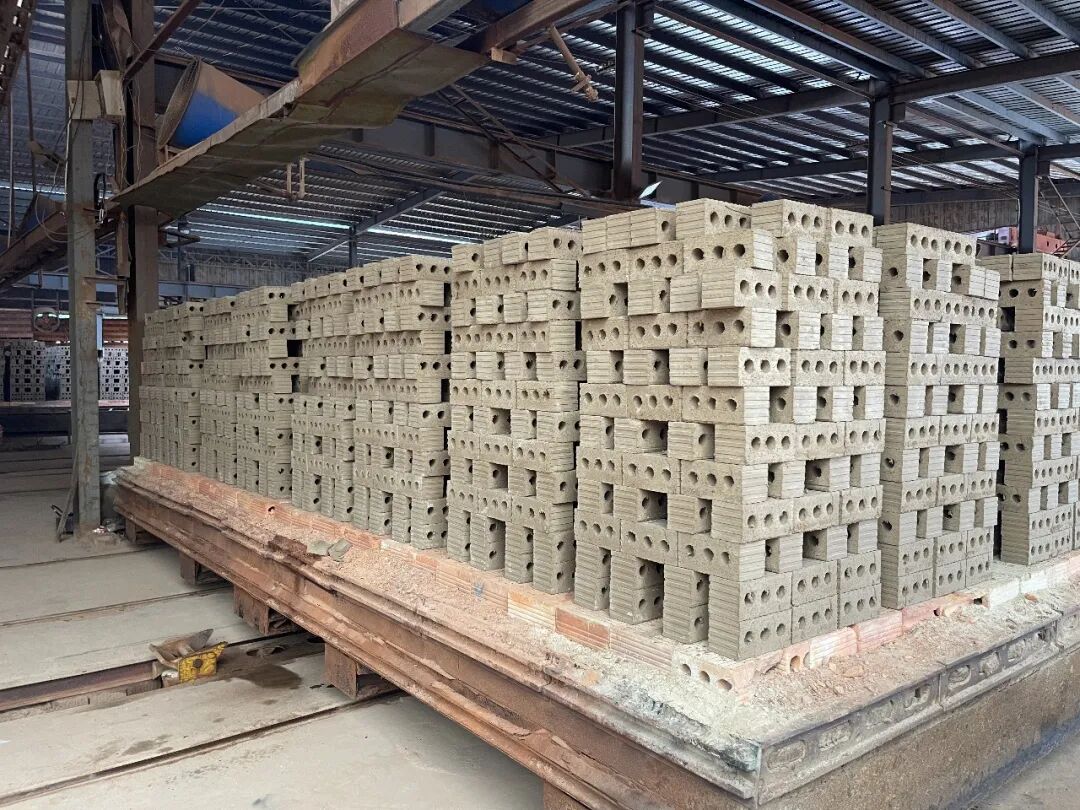
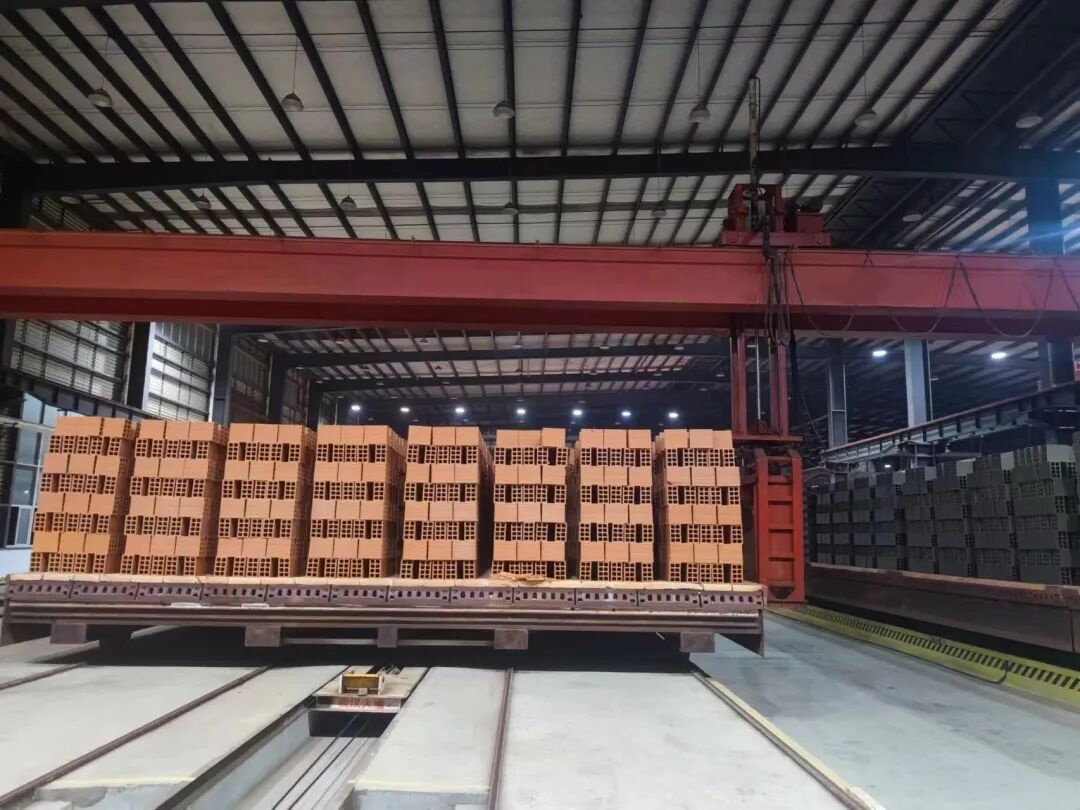
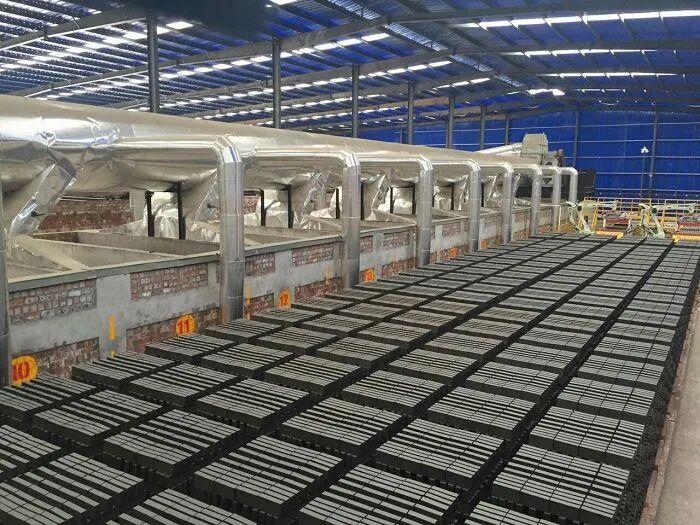
ECP‑board curing and sintering processes consume large energy. Local fuel availability and fuel price must be considered. We provide ECP‑board production lines compatible with multi‑fuel tunnel kilns and rotary kilns. The kiln can switch among natural gas, heavy oil, coal and biomass pellets. Flexible fuel‑burning design avoids operational risks caused by single‑fuel supply fluctuation.
Step5: Assess supplier’s overseas project delivery capability
Buyers should verify the supplier’s real overseas ECP‑board project cases, turn‑key delivery capacity, installation‑commissioning service and spare‑parts supply system. Avoid purchasing separate machines from scattered vendors, which may cause compatibility problems and after‑sales dead‑ends.
Key Takeaways
- Define reasonable production capacity based on local market size.
- Prioritize equipment with strong raw‑material adaptability.
- Select proper automation grade according to local labor conditions.
- Match multi‑fuel kiln solution to local energy resources.
- Confirm supplier’s overseas project experience and after‑sales support system.
FAQ
Q1: What is the general investment range for a full‑auto ECP‑board production line?
A1: Total investment varies by annual capacity, automation configuration and supporting kiln system. Contact us and share your target output for a reference budget.
Q2: How long is the normal delivery and commissioning cycle for an overseas ECP‑board project?
A2: Depends on line scale. Normally equipment manufacturing takes several months; on‑site installation, commissioning and training will take additional time. We will provide detailed project schedule upon receiving your requirements.
Q3: Can the ECP‑board production line be expanded for capacity upgrade later?
A3: Yes. Our modular‑designed production line reserves expansion interfaces. Investors can add modules step‑by‑step according to market demand growth.
Q4: What after‑sales support can your team offer for overseas ECP‑board lines?
A4: We supply overseas on‑site installation guidance, commissioning, operator training, long‑term technical consultation and spare‑parts supply.
Submit your expected annual output, local raw‑material conditions and available fuel types. Our engineering team will prepare a customized ECP‑board production‑line proposal for you.