0102030405
Comprehensive Operational Guidelines for Preventing and Controlling Clay Brick Collapses in Tunnel Kilns
2026-04-30
Clay brick collapse is one of the most common and costly production failures in tunnel kiln firing. Unplanned brick stack collapse will lead to production shutdown, defective products, kiln vehicle blockage, and increased production costs. Most tunnel kiln brick collapse issues stem from human operation errors and pre-kiln process defects rather than kiln equipment failure. This article analyzes core operational causes and practical solutions to help global brick manufacturers stabilize production and reduce waste.
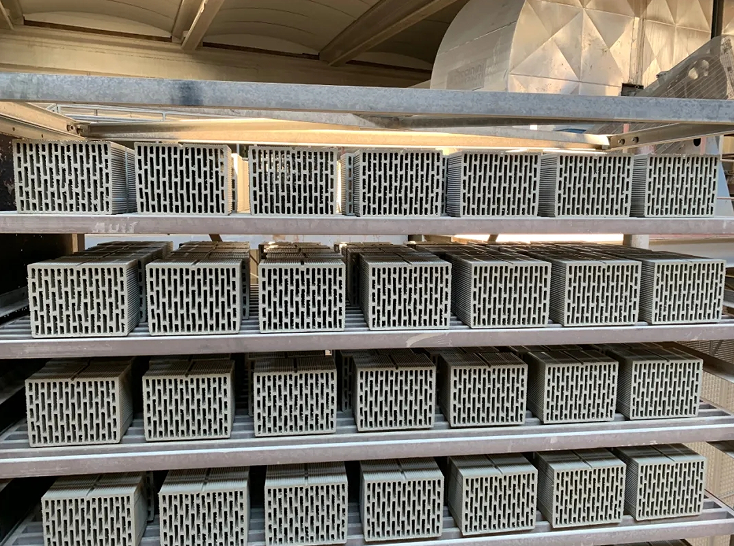
First, poor green brick quality before entering the kiln is the fundamental cause of collapse. Green clay bricks with residual moisture above 6% have extremely low structural strength. When stacked in multiple layers, the bottom green bricks cannot bear the pressure of upper bricks, resulting in deformation and collapse during kiln operation. In addition, unreasonable raw material particle gradation and aging time less than 3 days will make the green brick loose and fragile. For single-setting firing technology, the forming moisture of clay bricks needs to be controlled between 13% and 15%, with extrusion pressure no less than 40kg/cm² to ensure basic green brick compactness and strength.
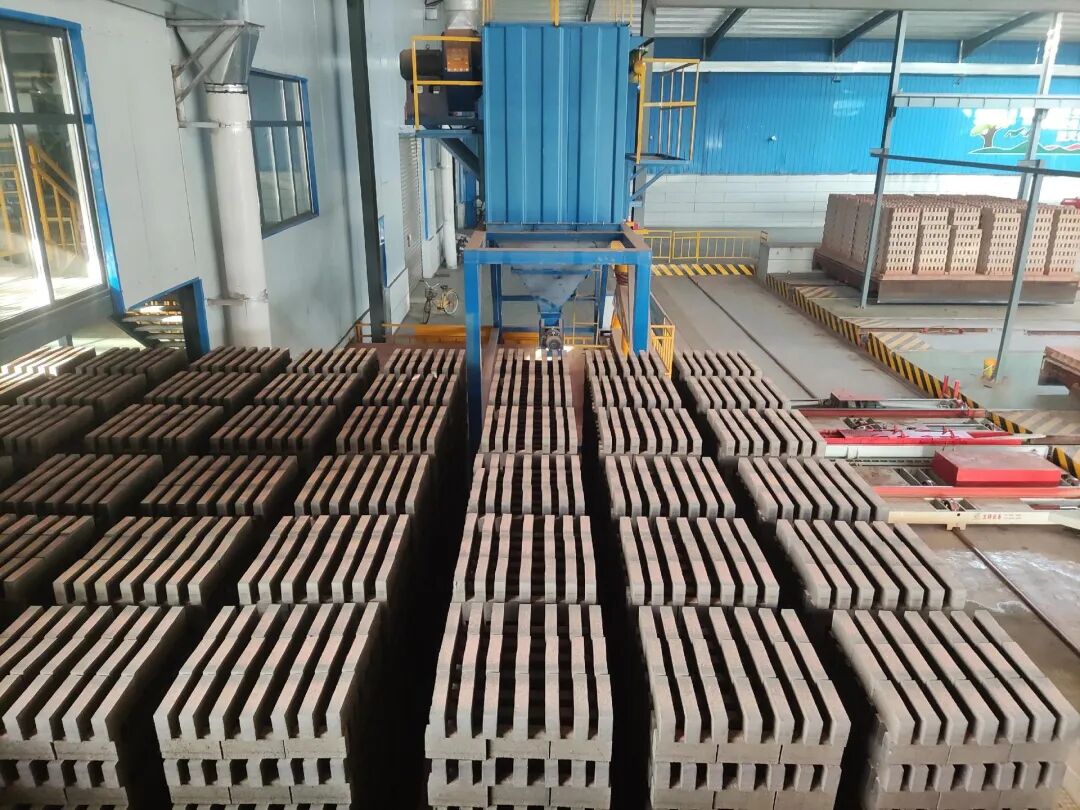
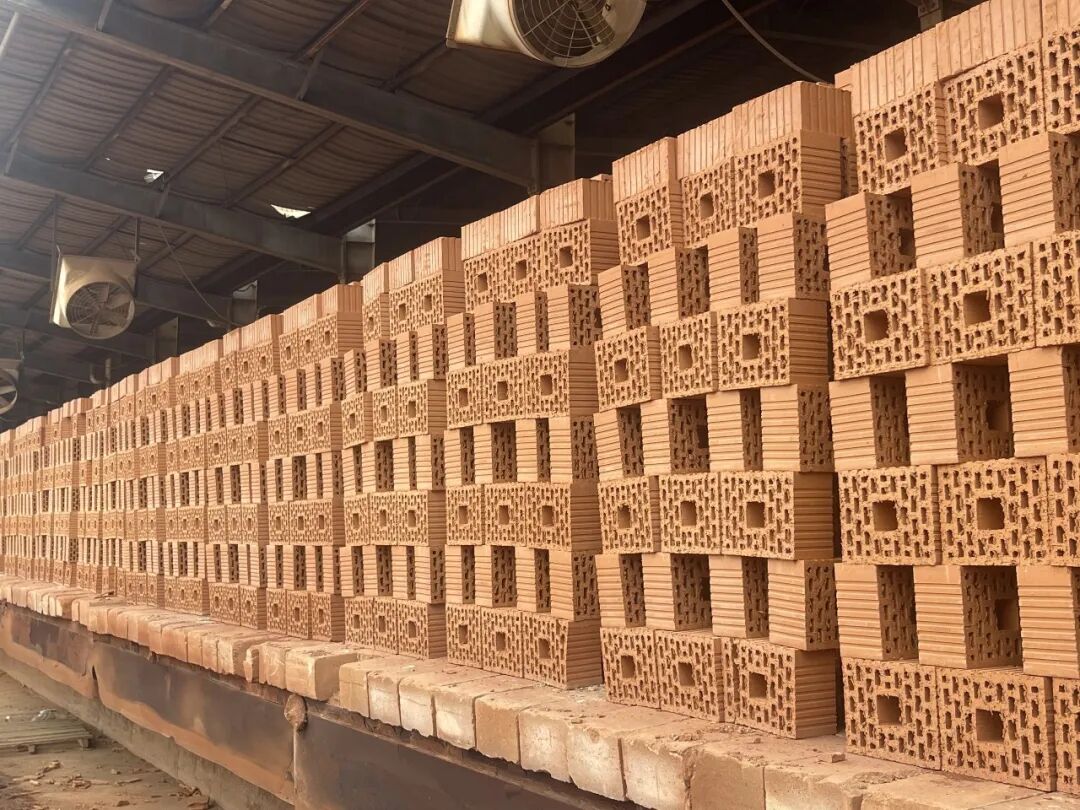
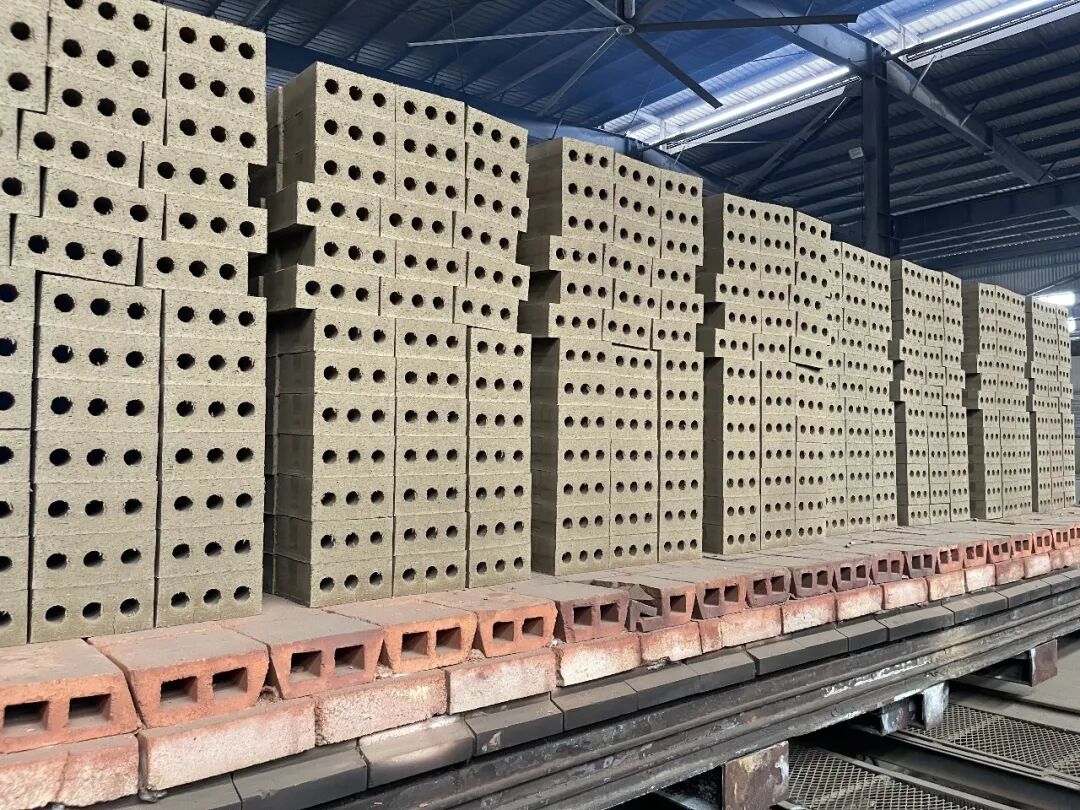
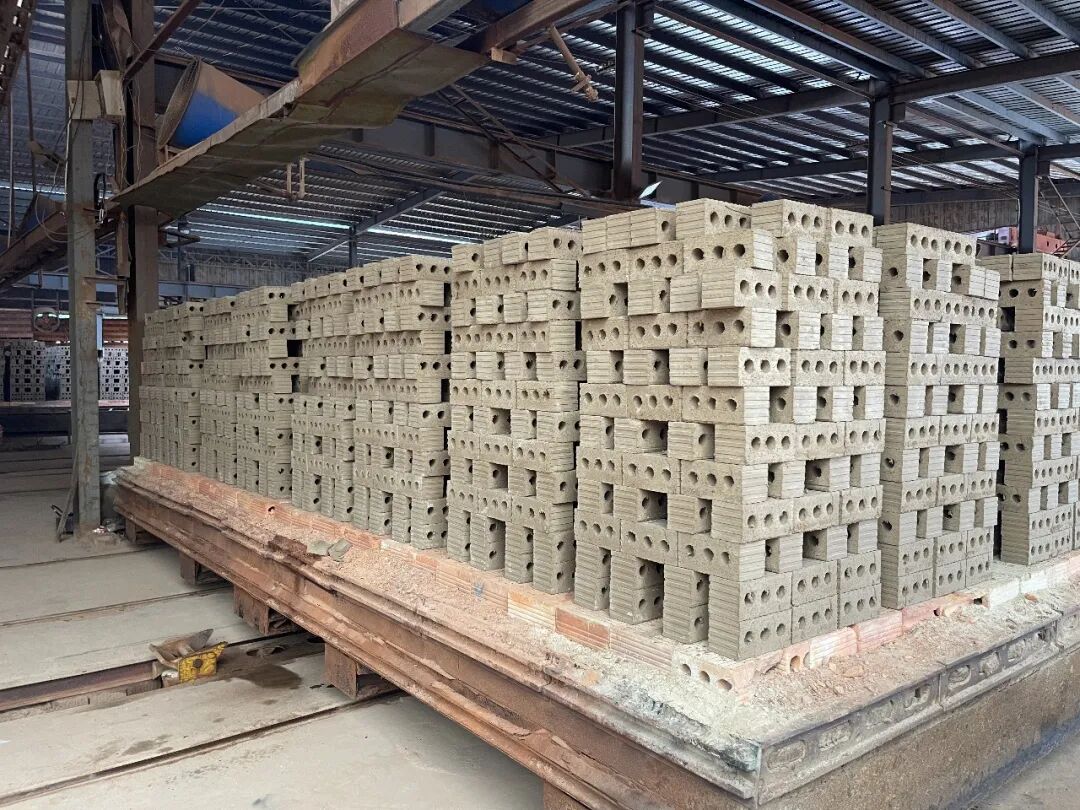
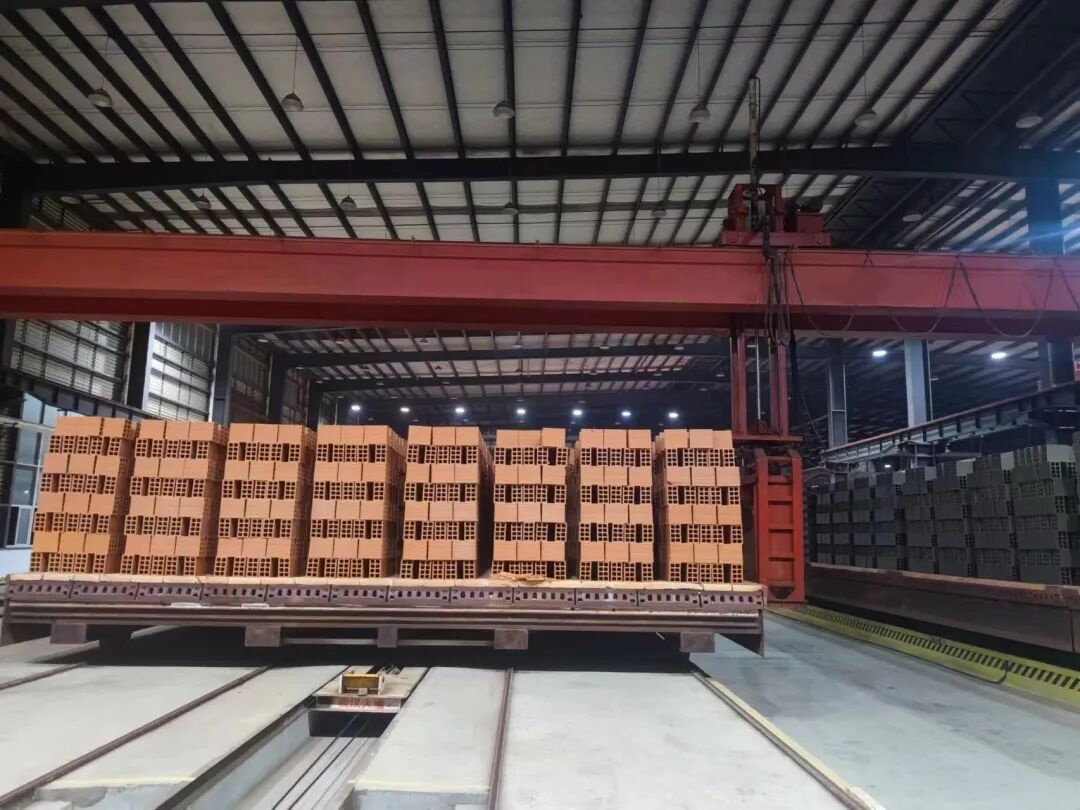
Second, improper brick stacking operations directly cause unstable brick stacks. Uneven force on the bottom of the stack leads to tilt and collapse during kiln car movement. Overly dense stacking blocks internal ventilation, trapping moisture inside the brick stack and softening the middle and lower green bricks. Mixing wet green bricks at the bottom of the stack is another typical operational mistake. Professional stacking standards require dry bricks at the bottom and damp bricks on the top, following the principle of sparse middle & dense sides, sparse bottom & dense top, and reserving 15-20mm gaps between bricks for smooth ventilation and moisture discharge.
Standardized manual operation and strict pre-kiln quality inspection can solve more than 70% of clay brick collapse problems. Brick factories should formulate unified stacking specifications, strictly control green brick forming moisture and residual moisture, and standardize raw material aging treatment to greatly improve tunnel kiln firing stability.